Choosing the right Wound Care products is not simply a matter of comparing prices. Global buyers must consider wound type, exudate levels, skin sensitivity, packaging, shelf life, and local clinical expectations. A product that performs well in a dry hospital ward may be less suitable in a humid supply chain.
This guide examines ten widely used product categories, including sterile gauze, foam dressings, hydrocolloids, alginates, hydrogels, transparent films, and cohesive bandages. Each option should be assessed through practical details. Can the package remain sealed during transport? Is the size suitable for common wound locations? Are instructions clear for nurses, caregivers, and distributors? Small details can affect safety and purchasing confidence.
The discussion is based on established wound management principles, product specifications, and real procurement concerns. It also recognizes an important limitation: no single dressing is ideal for every wound or market. Clinical decisions should involve qualified healthcare professionals and follow applicable regional requirements. Buyers should verify manufacturer credentials, quality systems, sterile claims, labeling, and traceability before ordering.
Some comparisons may remain imperfect. Product performance can change with storage conditions, application technique, and patient needs. That uncertainty deserves attention, not convenient promises. A useful buying decision balances clinical suitability, supply reliability, total cost, and responsible communication. For international purchasing teams, the best product is often the one that works consistently, arrives safely, and can be used correctly in everyday care.
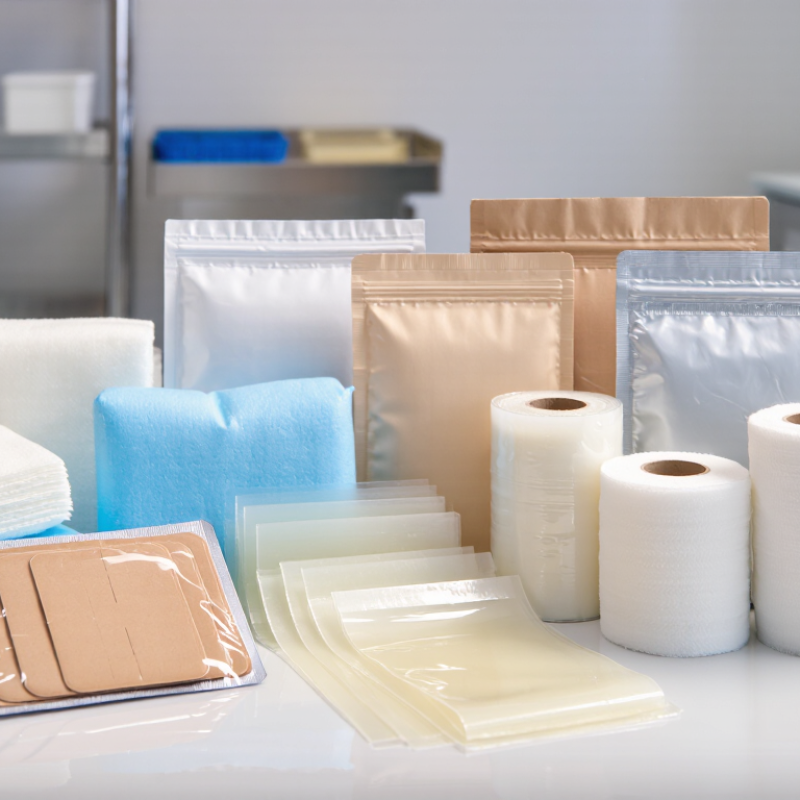
Wound care begins with recognizing what the skin has suffered. A cut may have clean edges, while an abrasion often contains dirt and broad surface damage. Punctures can look small but reach deeper tissue. Burns require careful assessment because depth is not always obvious. Pressure injuries develop gradually over bone, especially when movement is limited. Product selection should match the wound, not simply its size. That distinction is easy to miss.
During hemostasis, bleeding slows as clotting begins; gentle pressure and appropriate sterile materials can help. Inflammation may bring redness, warmth, swelling, and drainage. Some inflammation is expected, but spreading redness, worsening pain, fever, or foul odor needs medical attention. Granulation tissue then fills the wound with new vessels and collagen. A moist, protected environment may support healing, while excess moisture can soften surrounding skin. In remodeling, scar tissue strengthens slowly. It is not finished when the surface closes.
Global buyers often need a practical range: cleansing solution, nonwoven gauze, absorbent dressings, adhesive fixation, gloves, and disposal supplies. Foam or alginate options may suit different exudate levels, but staff training matters as much as materials. Packaging should show size, sterile status, lot details, expiry date, and storage conditions. Local climate also matters; heat and humidity can damage poorly sealed products. I have seen a convenient dressing cause extra skin irritation. Reviewing outcomes and changing the protocol is sometimes necessary. Wounds do not follow a catalog perfectly.
10 Best Wound Care Products for Global Buyers
How to Assess Wound Care Products for Global Buyers
Global buyers should assess wound care products by clinical purpose, patient needs, and supply conditions. A dressing for a shallow abrasion may fail on a heavily exuding surgical wound. Check absorbency, adhesion, breathability, and removal comfort through documented testing. Product instructions should explain application, changing frequency, storage, and disposal in clear language.
Look for evidence from clinical evaluations, quality systems, and controlled performance tests. Verify sterile packaging, lot traceability, expiry dates, and seal integrity. A package exposed to heat or humidity during shipping may lose reliability before reaching a clinic. Test samples under realistic conditions, including long transport times and limited storage space.
Review the material list carefully. Some patients may react to adhesives, preservatives, or antimicrobial ingredients. Ask whether the product suits children, older adults, fragile skin, or patients with diabetes. Local healthcare professionals can identify practical problems that laboratory reports miss. A useful assessment also compares unit cost with changing frequency and waste volume.
A low price can mislead.
One practical mistake is trusting attractive packaging too quickly. It may hide poor instructions or difficult removal. No scorecard is perfect. Buyers should record failed trials, complaints, and staff feedback instead of protecting an early purchasing decision. Supplier communication, regulatory documentation, and consistent batch quality matter as much as product features.
| No. | Product Type | Typical Clinical Use | Key Material or Structure | Typical Fluid-Handling Performance | Common Sizes | Sterility and Packaging | Typical Shelf-Life Considerations | Important Global Buyer Checks |
|---|---|---|---|---|---|---|---|---|
| 1 | Sterile Gauze Swabs | Cleaning, covering and padding superficial wounds, lacerations and post-operative sites. | Woven cotton or rayon/polyester blend; commonly 8, 12 or 16 plies. | Low to moderate absorbency; suitable for light to moderate exudate. | 5 × 5 cm, 7.5 × 7.5 cm, 10 × 10 cm and 10 × 20 cm. | Usually supplied sterile in individual pouches; non-sterile bulk packs are also available. | Commonly 3–5 years when sealed and stored in a clean, dry environment; verify the validated period. | Check linting, edge security, absorbency, ply count, pack integrity, sterilization validation and lot traceability. |
| 2 | Nonwoven Wound Swabs | General wound dressing, cleansing and minor procedural applications. | Hydrophilic spunlace, air-laid or spunbond nonwoven fibers. | Typically softer and lower-linting than cotton gauze; low to moderate absorbency. | 5 × 5 cm, 7.5 × 7.5 cm, 10 × 10 cm and larger abdominal sizes. | Sterile or non-sterile; individual peel pouches or multi-pack bags. | Often 3–5 years, subject to packaging, material and sterilization stability data. | Assess wet strength, lint level, absorbency, skin contact safety, folding accuracy and packaging durability. |
| 3 | Transparent Film Dressing | Protection of superficial wounds, catheter sites and low-exudate areas; allows visual inspection. | Thin polyurethane film with a medical-grade acrylic adhesive. | Waterproof to external liquid when intact; breathable to water vapor; not intended for heavy exudate. | 6 × 7 cm, 10 × 12 cm, 10 × 15 cm and border-style formats. | Normally sterile and individually packaged with a release liner and application frame. | Commonly 2–5 years; adhesive performance must remain stable through the labeled period. | Check moisture-vapor transmission, adhesion, residue, conformability, peel strength and atraumatic removal. |
| 4 | Hydrocolloid Dressing | Low to moderate exudate, shallow pressure injuries, minor abrasions and selected superficial ulcers. | Gel-forming particles such as carboxymethylcellulose in an adhesive matrix, usually with a backing film. | Absorbs exudate and forms a soft gel; generally unsuitable for heavily exuding or infected wounds unless clinically directed. | 5 × 5 cm, 10 × 10 cm, 10 × 10 cm sacral and thin-edge versions. | Usually sterile, individually sealed and supplied in flat or shaped formats. | Often 2–3 years; heat and humidity can affect adhesive and gel-forming performance. | Evaluate gel integrity, wear time, odor control, edge sealing, residue, adhesion after bathing and storage limits. |
| 5 | Hydrogel Sheet or Amorphous Gel | Dry, sloughy or painful wounds requiring moisture donation and a cooling effect. | Water-based polymer gel, commonly containing high water content; may be supplied as a sheet or gel. | Adds moisture rather than providing high absorption; requires a secondary dressing in many applications. | Sheet sizes such as 10 × 10 cm; gels commonly supplied in 8–15 g tubes or single-use units. | Typically sterile; tubes, sachets or peel pouches should prevent contamination during use. | Often 2–3 years; protect from freezing, excessive heat and package damage. | Check water content, viscosity, pH, microbial limits, preservative system, drying behavior and compatibility with secondary dressings. |
| 6 | Calcium Alginate Dressing | Moderate to heavily exuding wounds, cavity wounds and wounds with minor bleeding. | Fibers derived from calcium alginate; some products use calcium-sodium alginate. | High absorbency; forms a moist gel on contact with wound fluid and may support hemostasis in minor bleeding. | 5 × 5 cm, 10 × 10 cm, 10 × 20 cm and rope or ribbon formats. | Normally sterile and individually packaged; cavity products require clear retrieval instructions. | Commonly 3–5 years when sealed and kept dry; moisture exposure can affect performance. | Confirm absorbency testing, gel integrity, fiber shedding, wet strength, calcium content and compatibility with saline cleansing. |
| 7 | Hydrophilic Foam Dressing | Moderate to heavy exudate, pressure injuries, leg ulcers and post-operative wounds. | Absorbent polyurethane foam, often with a semi-permeable film backing and silicone or acrylic contact layer. | Moderate to high absorption with fluid retention; performance varies by thickness and construction. | 7.5 × 7.5 cm, 10 × 10 cm, 10 × 20 cm, heel and sacral shapes. | Usually sterile and individually sealed; adhesive and non-adhesive versions are available. | Typically 2–5 years; backing-film and adhesive stability should be validated. | Compare total absorbency, retention under pressure, leakage resistance, conformability, adhesive safety and wear time. |
| 8 | Superabsorbent Polymer Dressing | Heavily exuding wounds, including venous leg ulcers and wounds requiring extended fluid management. | Superabsorbent polymer core, commonly enclosed between nonwoven layers with a fluid-permeable contact surface. | Very high absorption and fluid retention; helps reduce strike-through when correctly selected. | 10 × 10 cm, 10 × 20 cm, 15 × 20 cm and larger formats. | Generally sterile and individually packaged; often designed for use with a secondary fixation method. | Commonly 2–5 years; packaging must protect the core from humidity and compression damage. | Request absorption under pressure, retention, rewet, leakage, core integrity, chemical safety and disposal information. |
| 9 | Non-Adherent Contact Layer | Protection of fragile granulation tissue, donor sites, burns and wounds requiring atraumatic dressing changes. | Perforated silicone-coated mesh, petrolatum-coated mesh or other low-adherence contact material. | Low absorption itself; transfers exudate to an absorbent secondary dressing through perforations. | 5 × 5 cm, 10 × 10 cm, 10 × 20 cm and roll formats. | Usually sterile and individually packaged; must remain flat and free from sticking during storage. | Often 2–5 years depending on coating and packaging materials. | Assess adherence after use, perforation size, exudate transfer, coating uniformity, residue and compatibility with secondary dressings. |
| 10 | Cohesive Elastic Bandage | Securing dressings and providing light support without adhesive directly on the skin. | Elastic fabric coated with a cohesive latex-free or latex-containing compound; product composition must be declared. | Not an absorbent dressing; provides fixation and adjustable compression or support depending on application. | 2.5 cm, 5 cm, 7.5 cm and 10 cm widths; common lengths are 4–4.5 m when stretched. | Usually non-sterile; sterile versions are available for specific clinical applications. | Often 3–5 years; elasticity and cohesion should be checked after accelerated aging. | Verify stretch ratio, cohesive strength, unwind behavior, latex status, skin irritation data, colorfastness and compression warnings. |
10 Best Wound Care Products for Global Buyers
The 10 Best Wound Care Products Across Common Care Needs
Global buyers need wound products that match tissue condition, drainage, infection risk, and local clinical practice. The International Diabetes Federation reported 537 million adults living with diabetes in 2021, increasing demand for consistent foot-care supplies. A practical portfolio should include sterile saline for gentle cleansing, nonwoven gauze for light coverage, transparent film for superficial protection, and cohesive bandages for secure wrapping. These are simple products. They still need correct sizing and storage.
For moderate or complex wounds, foam dressings manage exudate, while hydrocolloids support low-to-moderate drainage and friction protection. Hydrogels help dry or necrotic tissue retain moisture. Alginate dressings suit heavier drainage and can support bleeding control. Antimicrobial dressings may be considered when clinically indicated, not as a routine substitute for assessment. Compression bandages support venous-care pathways, but trained evaluation is essential. Silicone contact layers can reduce adherence during dressing changes. The World Health Organization identifies diabetic foot complications as a major global health concern, making offloading and monitoring equally important.
No dressing wins every case. Product choice should follow wound assessment, not packaging claims. Buyers should review sterility validation, absorbency data, expiration controls, and instructions for use. The CDC estimates that surgical-site infections affect about 2% of inpatient surgical procedures in the United States, although rates vary by procedure and setting. That figure reinforces a basic lesson: clean technique and surveillance matter as much as the dressing. I would avoid calling any item universally “best.” Real wounds change, and even a well-selected product can fail when reassessment is delayed.
The best wound care product depends on the wound, the patient, and the care setting. Start with assessment, not packaging. A clean superficial abrasion may need sterile saline, nonwoven gauze, and gentle fixation. A heavily draining wound may require foam, alginate, or hydrofiber dressings. A shallow wound with low exudate could suit a hydrocolloid dressing. Always consider infection signs, skin condition, pain, and dressing-change frequency.
Product selection changes outside the hospital. Home-care teams often need simple materials, clear instructions, and fewer dressing changes. Long-term care facilities may prioritize silicone contact layers and low-trauma adhesives for fragile skin. Emergency departments need sterile gauze, wound irrigation supplies, transparent films, and secure bandages for rapid assessment. Compression products require vascular assessment and trained supervision. They should not be selected by appearance alone.
Reliable buyers should check sterility, expiry dates, storage conditions, traceability, and instructions for use. Evidence-based protocols matter more than impressive product claims. A low-cost dressing is not always economical if it leaks, damages skin, or requires frequent replacement. This is easy to overlook. Clinical staff should document drainage, wound size, surrounding redness, and patient comfort at each review. Even experienced teams can choose poorly when the wound changes faster than the purchasing plan.
Global buyers should assess safety before comparing prices. The World Health Organization reports that surgical-site infections affect about 11% of surgical patients in low- and middle-income countries. This makes sterile packaging, validated sterilization, and clear lot tracking essential. Choose dressings with documented biocompatibility, absorbency, and shelf-life testing. ISO 10993 evaluation can help assess biological safety, but certificates alone do not guarantee suitable clinical performance.
Compliance differs across markets. Confirm the product’s classification, labeling language, instructions for use, and post-market reporting duties. The WHO Global Patient Safety Action Plan also emphasizes traceability and risk reduction throughout healthcare supply chains. A practical audit should review batch records, certificates of analysis, and temperature controls. Small documentation gaps can create costly delays.
Tips: Request samples from at least two production lots. Test them in realistic humidity and transport conditions. Compare total landed cost, not only unit price. Include freight, customs, inspection, storage, training, and waste. The World Bank’s Logistics Performance Index shows major differences in shipment reliability between countries, so buffer stock may be necessary. I would not rely on one supplier, even after a successful trial. Forecasting is imperfect. Dual sourcing, clear reorder points, and quarterly quality reviews can reduce disruption without encouraging unnecessary inventory.
Match the product to wound type, drainage, skin condition, and care setting. A shallow abrasion may need saline, gauze, and gentle fixation. Size alone is not enough.
Low-drainage wounds may suit hydrocolloid dressings. Heavily draining wounds may need foam, alginate, or hydrofiber options. Check absorbency and changing frequency. Overly moist skin can soften and break down.
Spreading redness, increasing pain, fever, or foul odor needs prompt medical review. Warmth and mild swelling can occur during inflammation. Do not judge severity from appearance alone.
Check sterile status, seal integrity, lot details, expiry dates, and storage conditions. Instructions should explain application, changing, storage, and disposal. Small labels matter.
Heat and humidity may damage poorly sealed packaging. Test samples after realistic transport and storage conditions. Limited clinic space also matters. A product can arrive intact but perform poorly later.
Review adhesive strength, removal comfort, and skin protection. Older adults may need silicone contact layers or low-trauma fixation. Children and people with diabetes may require specific assessment. Irritation can appear after one dressing change.
Practical supplies may include cleansing solution, nonwoven gauze, absorbent dressings, gloves, fixation, and disposal materials. Emergency teams may also need irrigation supplies and transparent films. Home-care workers often need simple instructions and fewer changes.
Not always. A cheap dressing may leak, damage skin, or require frequent replacement. Compare unit cost, waste volume, changing frequency, and staff time. A low price can mislead.
Record drainage, wound size, redness, patient comfort, complaints, and failed trials. Ask local healthcare professionals about practical problems. No scorecard is perfect. Changing the protocol may be necessary when outcomes are poor.
Choosing the right Wound Care products requires more than comparing prices. Buyers should first understand wound types, healing stages, and the different needs of acute, chronic, surgical, and minor wounds. A practical product selection may include sterile gauze, adhesive dressings, non-adherent pads, absorbent dressings, foam dressings, hydrogel products, alginate materials, transparent films, wound cleansing solutions, and cohesive bandages. Each option should be matched to factors such as moisture level, exudate, infection risk, skin sensitivity, and the intended care setting.
For global buyers, product assessment should focus on safety, material quality, sterility, ease of use, packaging integrity, shelf life, and clear instructions. Purchasing teams should also review applicable regulatory documentation, quality certifications, labeling requirements, transportation conditions, and supply consistency in their target markets. A balanced decision considers clinical suitability, total cost, storage needs, staff training, and dependable availability. By combining wound knowledge with careful supplier and product evaluation, buyers can build a practical portfolio that supports effective care across hospitals, clinics, home care, and emergency settings.

HUL Healthcare Limited