Spine Implant & Instrument Manufacturers

Precision Engineering, ISO 13485 Compliance, and High-Performance Spinal Fixation Systems

Premium Orthopedic Spine Implants & Sets

Engineered for clinical safety, mechanical reliability, and smooth surgical workflow. Direct-from-manufacturer supply.
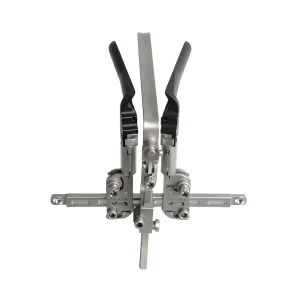
Spinal Parallel Domino Connector

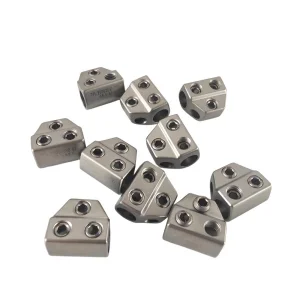
Spinal Parallel Domino Connector for Orthopedic Spine Surgery

View Specifications
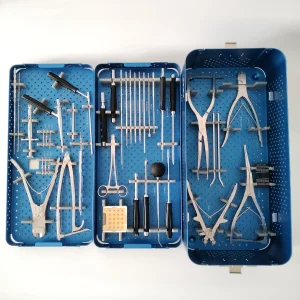
Spine Instruments Set Minimal Invasive

Spine Instruments Set Minimal Invasive Manual Spine Tubular Retractor MIS OLIF Spine Retractor

View Specifications
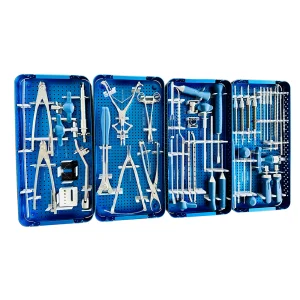
Anterior Cervical Plate Instrument Set

Manual Anterior Cervical Plate Instrument Set

View Specifications
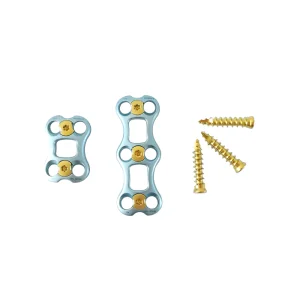
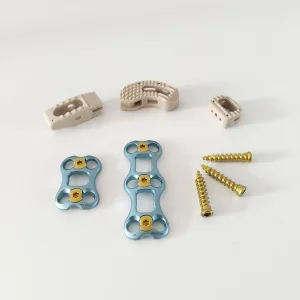
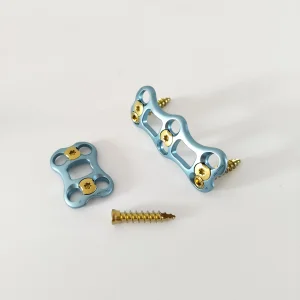
Anterior Cervical Plate System

High Quality Anterior Cervical Plate System CE Marked Surgical Instrument for Spinal Stabilization Fusion Stainless Steel Manual

View Specifications
Anterior Cervical Plate Instrument

High Quality Anterior Cervical Plate Surgical Instrument for Spine Surgery

View Specifications
Posterior Cervical Fixation Instrument

Basis of Surgical Instruments Posterior Cervical Fixation Instrument Set

View Specifications
Minimal Invasive Spine Tubular Retractor

Spine Instruments Minimal Invasive Manual Spine Tubular Retractor OLIF Spine Retractor

View Specifications
Orthopedic Posterior Cervical Fixation Set

Orthopedic Instrument Set Posterior Cervical Fixation Instrument Set Cervical Pedicle Screw/Rod System Instruments

View Specifications

Global Industrial Status of Spine Implants & Instrumentation

An in-depth whitepaper on clinical demands, materials engineering, and global logistics optimization.

🌐 1. The Global Landscape & Sourcing Trends

The spine implant and instrumentation sector represents one of the most technologically demanding segments in orthopedics. Driven by aging demographics, a rise in degenerative disc diseases, and the rapid adoption of minimally invasive surgery (MIS), global healthcare systems require highly reliable spinal fusion systems. The modern procurement standard demands a combination of biocompatibility, mechanical endurance, and surgical instrument ergonomics.

Historically, the market was dominated by Western medical device corporations. However, global supply chains have undergone a structural transition. Strategic buyers—ranging from medical distributors to orthopaedic hospitals—increasingly seek OEM/ODM manufacturing partnerships in Asia, particularly China. The pivot is fueled by the rapid narrowing of the quality gap through advanced CNC engineering and the strict adoption of ISO 13485:2016 and CE certification protocols.

🔬

Material Science

Deployment of Titanium Grade 5 (Ti-6Al-4V ELI) and PEEK for optimal modulus of elasticity, reducing stress shielding and improving osseointegration.

⚙️

Precision Machining

Utilization of multi-axis Swiss CNC machines to produce complex geometries, such as self-tapping threads and dual-lead polyaxial pedicle screws.

🛡️

Regulatory Conformance

Strict compliance with GB/T42061-2022 and ISO 13485 quality systems, ensuring traceability from raw bar material to sterile-packaged implant.

🔬 2. Materials Engineering and Surface Modifications

Spine implants, including posterior pedicle screws, anterior cervical plates, and lateral domino connectors, must withstand dynamic, complex biomechanical loads. Orthopedic manufacturers must guarantee high fatigue strength and resistance to stress corrosion cracking. To achieve this, titanium alloys are meticulously selected and tested.

Furthermore, surface modification plays a vital role. Techniques such as acid etching, anodic oxidation, and sandblasting are utilized to create sub-micron surface roughness. This textured topography encourages osteoblasts to migrate, adhere, and deposit new bone matrix, which accelerates spinal fusion rates. In contrast, spinal instrumentation sets—ranging from OLIF retractors to manual reamers—are fabricated from surgical-grade martensitic and austenitic stainless steel to ensure edge retention, corrosion resistance during autoclaving, and high tactile feedback.

🇨🇳 3. The Chinese Manufacturing Efficiency Advantage

China's medical device manufacturing sector has transitioned from simple component processing to high-end, intelligent system integration. Factories located in hubs such as Beijing and Shenzhen leverage integrated industrial clusters, which significantly reduce lead times and engineering cycles.

  • Vertical Integration: Raw material processing, precision forging, cleanroom passivation, anodizing, sterilization validation, and biomechanical testing occur within tight geographic corridors.
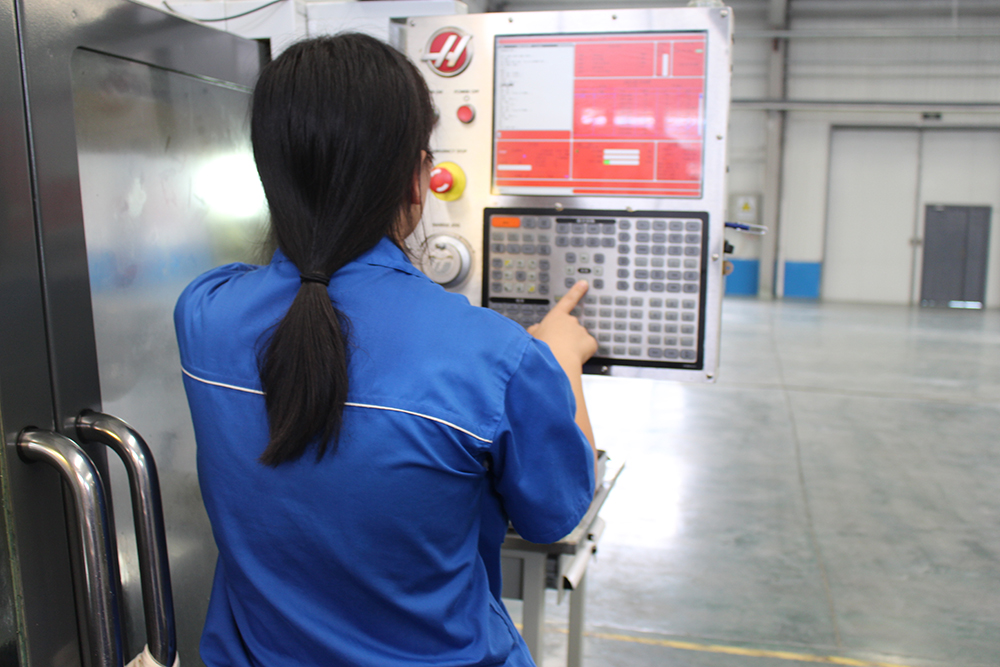
  • Automation & Robotics: The integration of 5-axis CNC machining centers ensures dimensional tolerance consistency of down to ±0.005mm, eliminating operator error.
  • Regulatory Alignment: Leading manufacturers align their production lines with both NMPA (China) and international standards (MDR, FDA), allowing seamless international distribution.

Shenzhen HUL Healthcare Technology Co., Ltd. (Bopull Medical)

A leading OEM/ODM partner for orthopedic implants and precise instrument systems.

300+
Surgical Professionals & Staff
ISO 13485
Quality Management Standard
95.36%
Global Customer Response Rate
34%
Year-over-Year Reorder Rate

Strict Quality Control & Professional Execution

Operating strictly under GB/T42061-2022 idt ISO13485:2016 quality management system standard, Bopull Medical provides full lifecycle solutions for spine surgery. From design, material procurement, mechanical validation, to cleanroom sterile packaging, every process is documented and trace-enabled.

Our facility features high-precision measurement instrumentation including Coordinate Measuring Machines (CMM) and optical projectors. This allows our technical engineering team to support complex OEM modifications for spine instruments set, tubular retractors, and stabilization plate systems.
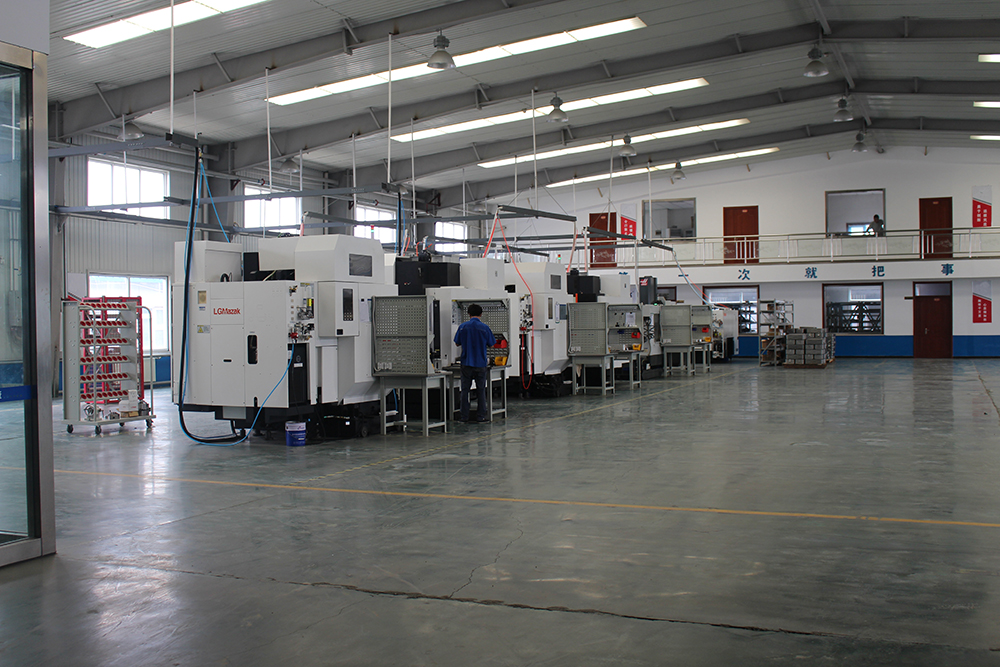
Bopull Medical Spine Implant Manufacturing Line

Advanced Surgical Fixation & Instrument Portfolios

Complete instrumentation kits, rod systems, and stabilization solutions matching critical clinical workflows.
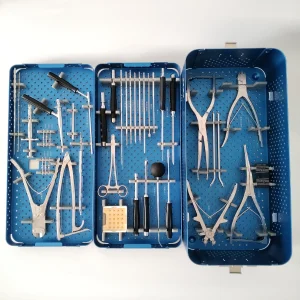
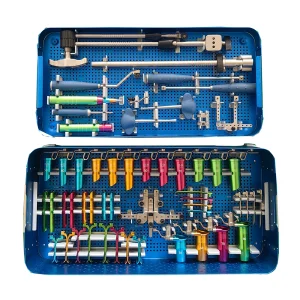
Stainless Steel Spine Instruments Set

High Quality Stainless Steel Manual Spine Instruments Set Cervical Posterior Screw Rod System

View Specifications
Minimal Invasive Spine Instruments Set

Minimal Invasive Stainless Steel Spine Instruments Set Manual Spine Tubular Retractor for MIS OLIF Spine Retractor

View Specifications
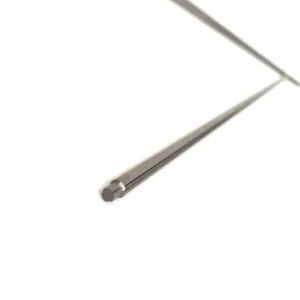
Orthopedic Flexible Reamer

Orthopedic Posterior Internal Fixation Flexible Reamer Straight Rod Spinal Surgical Medical Stainless Steel Bopull;BP CE ISO

View Specifications
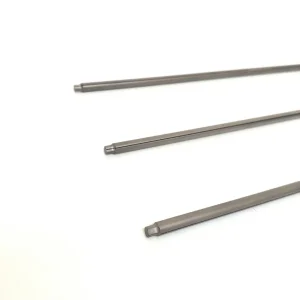
Orthopedic Titanium Implant

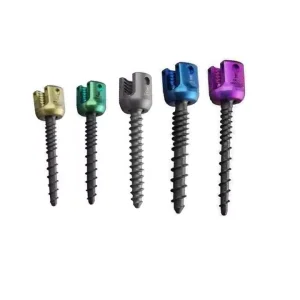
Orthopedic Posterior Internal Fixation Orthopedic Titanium Implant Straight Rod for Spinal Surgical Medical Pedicle Screw

View Specifications
Posterior Thoracolumbar Fixation System

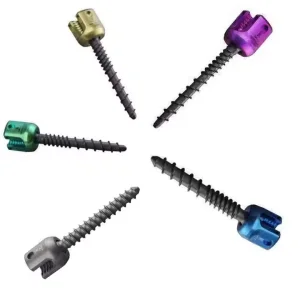
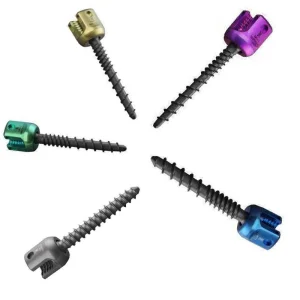
High Quality Posterior Thoracolumbar Fixation System Spine Pedicle Screw Instruments Set Pedicle Screw

View Specifications
Thoracolumbar Fixation System

High Quality Posterior Thoracolumbar Fixation System Stainless Steel Spine Pedicle Screw Instruments Set

View Specifications
Posterior Thoracolumbar Fixation Stainless Steel

Posterior Thoracolumbar Fixation System Stainless Steel Spine Pedicle Screw Instruments Set

View Specifications
Stainless Steel Pedicle Screw Instruments

High Quality Stainless Steel Spine Surgery Set Manual Pedicle Screw Instrument Instruments

View Specifications
Orthopedic Surgical Instrument Trays Production

Advanced Localized Clinical Application Scenarios

Whether it is an Anterior Cervical Discectomy and Fusion (ACDF) or a complex Posterior Thoracolumbar Stabilization, spine implants must integrate cleanly with manual instrumentation. For example, our Anterior Cervical Plate System provides multi-angle screw adjustment with secure locking mechanism configurations, reducing adjacent-level degeneration risks.

In minimally invasive spinal interventions (such as MIS-TLIF and OLIF), access control is key. Our specialized Manual Spine Tubular Retractor System allows surgeons to achieve targeted visualization while minimizing soft tissue trauma, which decreases postoperative pain and speeds patient mobilization. The ergonomic hand instruments are designed to prevent fatigue during extended surgeries.

Expert Q&A: Technical & Sourcing Guide

Comprehensive answers to critical mechanical, clinical, and logistical questions for procurement managers.

Q1: Which titanium grades are preferred for spine pedicle screw manufacturing, and why?
Titanium Grade 5 (Ti-6Al-4V ELI) is widely preferred due to its superior yield strength, excellent fatigue properties, and exceptional biocompatibility. The "ELI" (Extra Low Interstitials) designation signifies reduced levels of carbon, hydrogen, nitrogen, and oxygen. This minimizes brittleness and increases fracture toughness, which is vital for bearing the cyclic dynamic loads of the lumbar spinal column.
Q2: How do your minimal invasive spine retractors (OLIF/MIS) improve clinical outcomes?
Our MIS tubular retractors allow progressive dilation of muscles rather than tearing or detachment from the bone structure. This minimizes vascular damage, limits postoperative muscle atrophy, reduces blood loss, and significantly cuts down patient hospitalization duration. The manual retractors are designed with non-reflective coatings to prevent glare under operating microscopes.
Q3: What quality standard compliance is verified for Bopull Medical?
Bopull Medical operates under the GB/T42061-2022 idt ISO13485:2016 quality management system. This guarantees that all stages of manufacturing—from raw bar sourcing, CNC machining, chemical cleaning/passivation, cleanroom packing, through to mechanical verification testing—follow rigid, auditable control loops designed for Class II and Class III orthopedic medical devices.
Q4: How do you prevent thread galling in pedicle screw-rod locking mechanisms?
We utilize tight tolerance limits (within ±5 microns) and run precise thread profile optimization on our Swiss CNC lathe tools. The pitch design of the locking cap and the internal run-out of the pedicle screw head are engineered to achieve high shear tolerance, preventing cross-threading or mechanical loosening under postoperative spinal loads.
Q5: What are the key benefits of sourcing spine instruments as pre-configured sets?
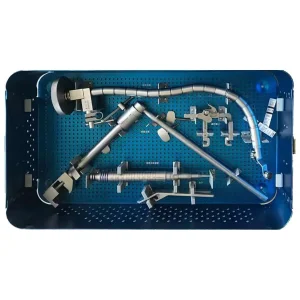
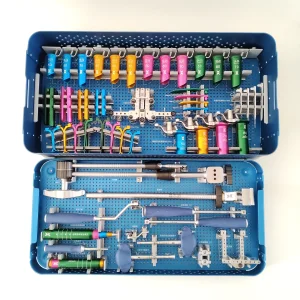
Pre-configured sets (such as our Posterior Cervical Fixation Set or Anterior Cervical Plate Instrument Set) are organized logically in modular, autoclavable sterilization trays. This streamlines the operating room preparation process, simplifies post-surgical instrument counts, ensures that all trials, taps, and drivers match the exact geometry of the corresponding implants, and extends the lifespan of the instruments.
Q6: What is the typical lead time and OEM customization process for global distributors?
For standard orthopedic instruments, our average response rate is within 3 hours. Custom OEM/ODM requests proceed through design phase validation, rapid rapid-prototype rendering, mechanical test validation, and sample run approval. Complete logistics tracking and certificates of conformance are provided with all shipping formats.
Q7: Can these spinal instruments withstand standard autoclaving protocols?
Yes, our spinal manual instruments are manufactured using high-grade medical stainless steels (such as 17-4 PH, 304, and 420). They are subjected to secondary passivation and stabilization treatments. This ensures they resist oxidation, pitting, and corrosion during multiple cycles of steam sterilization (autoclaving at 134°C).
Q8: How does the "Domino Connector" function in spinal revision surgery?
The Spinal Parallel Domino Connector serves as a mechanical link designed to connect existing spinal construct rods to new rod configurations without removing previous implants. This is highly beneficial in revision surgeries where extending the instrumentation to adjacent levels is necessary, minimizing surgical trauma and reducing patient operative times.
All Spine implant &instrument Products