Choosing the right Surgical Supplies in 2026 means looking beyond product names and catalog prices. Operating rooms depend on reliable gloves, gowns, drapes, sutures, wound dressings, and sterile instrument sets. Each item has a practical role, from maintaining a clean field to supporting careful closure and recovery. Small details matter. A gown that restricts movement or a dressing that does not suit the wound can affect workflow. Fit matters.
This guide explores the supplies commonly considered for modern surgical care and the features worth comparing. It considers material quality, sterility, packaging, ease of use, and compatibility with established clinical procedures. It also explains why purchasing decisions should involve qualified healthcare staff and follow current institutional policies and applicable requirements. A product’s popularity alone is not proof that it suits every procedure. That deserves a second look.
Readers will find practical questions to ask suppliers, such as how products are packaged, stored, and identified by size or specification. Clear labeling can help staff select the intended item quickly, especially when several similar packs sit on a preparation trolley. No checklist is perfect. Availability, clinical needs, and local workflows can change. The strongest choice is therefore not always the newest or most expensive one. Careful evaluation, supported by product information and professional judgment, offers a more dependable starting point.
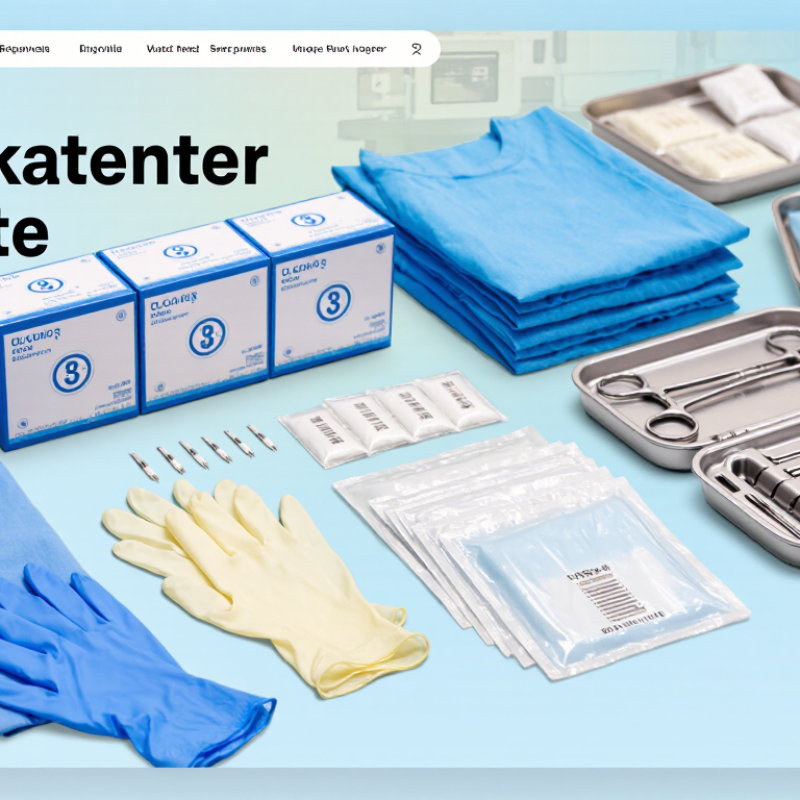
Surgical supplies are the instruments, materials, and protective items used to prepare for, perform, and support procedures. They include sterile drapes, gloves, sutures, gauze, suction tubing, specimen containers, and wound dressings. Some products are reusable after validated cleaning and sterilization; others are intended for one-time use. Their role is practical: protect the sterile field, support precise work, and help care teams manage fluids, tissue, and wound closure. Small details matter.
In 2026, a useful definition also includes how supplies are selected, stored, and monitored. Staff need packaging that remains intact, clear identification, and reliable access to the correct size or type during a procedure. Where digital inventory tools are used, accurate records can help teams track stock and reduce avoidable shortages. They do not replace careful checks. A missing item can disrupt a workflow, while excess stock may expire unused.
The right supplies depend on the procedure, patient needs, facility protocols, and staff training. Clinicians and purchasing teams should consider sterility, compatibility, ease of use, and waste alongside cost. There is no universal “best” set for every operating room. Even familiar products deserve review; preferences can persist after needs change. A short evaluation with frontline staff can reveal practical issues, such as gloves that fit poorly or packaging that is difficult to open without compromising sterility.
| Rank | Surgical Supply Category | Definition and Primary Role | Typical Materials or Components | Common Surgical Use | Key Selection Criteria | Importance in 2026 | Typical Setting |
|---|---|---|---|---|---|---|---|
| 1 | Surgical Gloves | Barrier protection worn by sterile-team members to reduce contact with blood, body fluids, microorganisms, and contaminated surfaces. | Natural rubber latex or synthetic polymers such as nitrile, neoprene, and polyisoprene; sterile powder-free designs are commonly used. | All invasive procedures, sterile preparation, wound closure, and handling of sterile instruments. | Barrier integrity, correct size, tactile sensitivity, puncture resistance, allergy considerations, comfort, and regulatory compliance. | High priority: infection prevention, occupational protection, and reliable fit remain fundamental requirements. | Operating rooms Procedure rooms |
| 2 | Surgical Masks and Respiratory Protection | Disposable face coverings that limit exposure to droplets and splashes; respirators provide a closer facial seal for selected airborne hazards. | Nonwoven filter layers, fluid-resistant outer layers, elastic ties or loops, and adjustable nose pieces. | Routine surgery, sterile procedures, respiratory-risk situations, and splash-prone activities. | Filtration performance, fluid resistance, fit, breathability, eye protection compatibility, and intended-use classification. | High priority: respiratory infection control and preparedness for changing pathogen risks. | Hospitals Ambulatory surgery |
| 3 | Surgical Gowns and Drapes | Protective textile barriers that maintain the sterile field and reduce transfer of microorganisms and fluids during procedures. | Disposable nonwoven materials or reusable woven textiles; fluid-resistant coatings may be incorporated. | Patient draping, staff protection, incision-site isolation, and management of fluids during surgery. | Barrier performance, lint generation, breathability, tear resistance, fluid handling, sterility, and waste-management requirements. | High priority: sterile-field control combined with more efficient and sustainable resource use. | Operating rooms Interventional suites |
| 4 | Sterile Surgical Instruments | Reusable or single-use tools designed to cut, dissect, grasp, clamp, retract, suture, or otherwise manipulate tissue. | Medical-grade stainless steel, titanium, polymers, ceramics, and specialized alloys. | Incision, tissue handling, hemostasis, exposure, suturing, and minimally invasive procedures. | Functional precision, corrosion resistance, ergonomics, reprocessing compatibility, traceability, and durability. | High priority: precision surgery, instrument tracking, and consistent sterilization quality. | Operating rooms Dental surgery |
| 5 | Sutures and Wound-Closure Devices | Materials and devices used to approximate tissue edges and support healing after an incision or injury. | Absorbable or non-absorbable synthetic fibers, natural fibers, monofilaments, braided threads, staples, and adhesive systems. | Skin closure, deep-tissue repair, vascular procedures, gastrointestinal surgery, and minimally invasive closure. | Tissue type, absorption profile, tensile strength, handling, knot security, infection risk, and cosmetic outcome. | High priority: procedure-specific closure and improved wound-healing management. | Surgery Emergency care Wound clinics |
| 6 | Hemostatic Products | Materials used to control or reduce bleeding when pressure, cautery, ligation, or conventional closure is insufficient or unsuitable. | Absorbable gelatin, oxidized cellulose, collagen, polysaccharide materials, sealants, clips, and topical agents. | Management of capillary, venous, and selected arterial bleeding during open and minimally invasive procedures. | Bleeding source, absorption time, tissue compatibility, ease of application, contraindications, and clinical evidence. | High priority: blood-loss reduction, patient safety, and efficient control of bleeding in complex procedures. | Trauma surgery General surgery Cardiovascular surgery |
| 7 | Suction and Irrigation Systems | Devices that remove blood, smoke, secretions, or irrigation fluid and help maintain visibility in the operative field. | Sterile tubing, suction tips, collection canisters, irrigation tubing, pumps, and compatible connectors. | Fluid evacuation, wound irrigation, laparoscopic procedures, orthopedic surgery, and airway-related procedures. | Flow rate, clog resistance, visibility, connector compatibility, noise, fluid containment, and single-use or reusable design. | Important: clear visualization, contamination control, and dependable fluid management support procedural efficiency. | Operating rooms Endoscopy |
| 8 | Surgical Needles and Access Devices | Sharp or specialized devices used to access tissue, deliver sutures, introduce instruments, or establish a pathway into a body cavity or vessel. | Stainless steel needles, polymer hubs, cannulas, trocars, guidewires, and protective shields. | Injection, tissue sampling, laparoscopic access, vascular access, regional anesthesia, and minimally invasive surgery. | Tip geometry, sharpness, gauge, visibility, tissue penetration, safety features, and compatibility with the procedure. | Important: minimally invasive techniques require reliable access with lower tissue trauma and strong sharps safety. | Operating rooms Interventional radiology |
| 9 | Wound Dressings and Advanced Dressings | Coverings that protect wounds, absorb exudate, maintain an appropriate moist environment, and support post-operative healing. | Gauze, foams, films, hydrocolloids, hydrogels, alginates, nonwoven pads, and absorbent polymers. | Incision protection, drainage management, pressure-injury prevention, burns, and chronic wound care. | Absorbency, adhesion, atraumatic removal, moisture balance, wear time, skin compatibility, and infection-monitoring needs. | Important: shorter hospital stays and continued care outside the operating room increase the need for dependable wound management. | Hospitals Outpatient care Home care |
| 10 | Sterilization and Surgical-Processing Supplies | Packaging, indicators, containers, cleaning accessories, and monitoring materials used to support effective decontamination and sterilization. | Sterilization wraps, pouches, rigid containers, chemical indicators, biological indicators, trays, and cleaning brushes. | Instrument preparation, sterilizer monitoring, sterile storage, transport, and release of processed items. | Process compatibility, seal integrity, indicator accuracy, traceability, load configuration, and staff workflow. | High priority: patient safety depends on validated processing, documentation, and reliable sterile-barrier maintenance. | Central sterile services Operating rooms |
| 11 | Electrosurgical Accessories | Accessories that deliver or return electrical energy to cut tissue, coagulate vessels, or control bleeding during surgery. | Active electrodes, return electrodes, pencils, cables, grounding systems, and insulated laparoscopic instruments. | Cutting, coagulation, vessel sealing, dissection, and minimally invasive procedures. | Energy mode, tissue effect, insulation integrity, compatibility, thermal spread, patient monitoring, and fire-safety controls. | Important: precise energy delivery and thermal-risk management support safer minimally invasive procedures. | Operating rooms Endoscopy |
| 12 | Patient Positioning and Pressure-Protection Supplies | Supports and protective materials used to maintain safe positioning and reduce pressure, nerve, and skin injury during procedures. | Foam pads, gel supports, positioning cushions, straps, headrests, and pressure-distributing surfaces. | Long-duration surgery, lithotomy positioning, prone procedures, lateral positioning, and robotic surgery. | Pressure distribution, stability, radiolucency, cleanability, compatibility with equipment, and patient-specific fit. | Important: longer and more complex procedures require consistent prevention of positioning-related harm. | Operating rooms Imaging suites |
Note: Surgical supplies include consumables, instruments, protective barriers, wound-care products, and processing accessories used to support safe surgical care. Final selection should follow the procedure, patient condition, applicable regulations, facility protocols, and validated instructions for use.
They include sterile drapes, gloves, sutures, gauze, suction tubing, specimen containers, and wound dressings. Small details matter.
They help protect the sterile field, manage fluids and tissue, and close wounds. The right items support precise work.
Start with the procedure, patient needs, facility protocols, and staff training. Check sterility, compatibility, fit, ease of use, and waste.
Check the seal, packaging condition, expiry date, and identification. A small defect can disrupt the workflow.
Surgeons, nurses, and processing staff notice different problems. Gloves may fit poorly, or packaging may be awkward to open. Easy to miss.
Accurate records can show stock levels and help teams find the correct size or type. They do not replace careful checks.
Smart instruments may record pressure or temperature. Tracking labels can show an item’s location and handling history. Human review still matters.
No. Cleaning discipline remains essential, and coatings should not be treated as a substitute. That assumption deserves another look.
Check dimensions, quality control, training needs, and maintenance records. A printed guide is useful only when its measurements are verified.
In 2026, Surgical Supplies encompass the instruments, materials, and equipment that support safe and effective procedures, from reusable tools to single-use consumables. Choosing them involves assessing clinical purpose, quality, reliability, ease of use, compatibility with surgical workflows, and overall value. Core supplies may include cutting and grasping instruments, sutures, gloves, drapes, dressings, and other items needed to prepare for, perform, and support recovery after surgery.
New technologies are influencing how surgical supplies are designed and used, with a growing focus on precision, usability, and efficient inventory management. Regardless of innovation, safety remains central: supplies must be handled, cleaned, sterilized, stored, and tracked according to appropriate standards and their intended use. Careful selection and dependable supply management help healthcare teams maintain readiness, reduce waste, and provide consistent support for patients and surgical staff.

 HUL Healthcare Limited