Choosing the best Rehabilitation Products from China requires more than comparing prices or product photographs. It demands careful attention to safety, usability, clinical purpose, and long-term support. China’s manufacturing sector offers a wide range of mobility aids, therapy equipment, orthotic devices, patient lifts, and digital rehabilitation tools. Some products serve hospitals. Others suit home recovery. The difference matters.
Dr. Rory Cooper, a rehabilitation engineer and wheelchair researcher, has emphasized, “People with disabilities should be involved in designing the products they use.” This principle should guide every purchasing decision. A walker must feel stable on a real floor, not only appear strong in a catalogue. A therapy band should maintain resistance after repeated use. A wheelchair should fit the user’s body, environment, and daily routine. Small details often decide whether equipment supports independence or gathers dust.
Reliable buyers should examine material quality, testing records, warranty terms, adjustment ranges, and user feedback. ISO 13485 certification may indicate a structured medical-device quality system, but it does not guarantee that every product suits every patient. Local regulations and professional advice still matter. Rehabilitation Products should be assessed by physiotherapists, occupational therapists, or qualified distributors whenever possible. A cheaper model may reduce initial costs, yet replacement parts can become difficult to obtain. That risk deserves honest consideration.
No catalogue is perfect. Some product claims need verification. Careful comparison, practical trials, and transparent supplier communication create a safer path. The best Chinese Rehabilitation Products are not simply affordable. They are appropriate, dependable, maintainable, and genuinely useful in everyday rehabilitation.
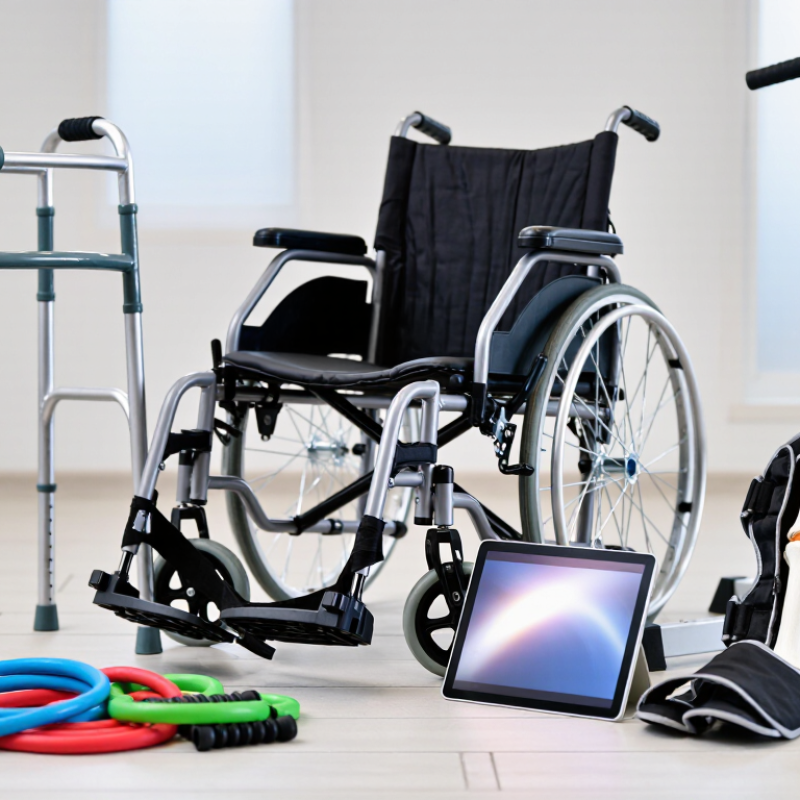
China’s rehabilitation industry covers a wide range of products, not only basic mobility aids. Wheelchairs, walking frames, crutches, and adjustable beds support daily movement and safer home recovery. The World Health Organization’s Global Report on Assistive Technology estimates that more than 2.5 billion people need assistive products worldwide. Demand may exceed 3.5 billion by 2050.
Orthoses and prosthetic components are another important category. Chinese manufacturers produce spinal braces, knee supports, ankle-foot orthoses, and modular prosthetic parts. These products often use lightweight polymers, aluminum, carbon fiber, and breathable textiles. Fit matters. A low-cost brace can still fail when sizing, pressure relief, or user training is ignored. Clinical assessment should guide selection.
Therapy equipment includes parallel bars, balance trainers, resistance systems, electrotherapy devices, and hand-function tools. Home rehabilitation products are also expanding, including pedal exercisers, transfer boards, and compact shoulder pulleys. China’s National Bureau of Statistics reported 264 million people aged 60 or above in 2023, representing 18.7% of the population. This demographic shift strengthens demand for accessible home care equipment. Digital rehabilitation systems add motion tracking and remote exercise records, but data quality varies. Some specifications still need closer clinical validation. Buyers should review applicable standards, testing records, user instructions, and after-sales support before purchase.
| Product Type | Typical Products | Primary Rehabilitation Use | Common Materials or Technology | Typical Users or Settings | Important Selection Considerations |
|---|---|---|---|---|---|
| Mobility Aids | Walking sticks, crutches, rollators, and standard walkers | Support balance, reduce weight-bearing, and improve safe walking | Aluminum alloy, steel, rubber tips, height-adjustment mechanisms | Home care, outpatient rehabilitation, hospitals, and older adults | Check load capacity, handle height range, tip traction, frame stability, and folding design |
| Wheelchairs | Manual wheelchairs, transport chairs, reclining models, and lightweight chairs | Provide seated mobility for people with temporary or long-term walking limitations | Aluminum or steel frames, polyurethane or solid rubber tires, padded upholstery | Hospitals, nursing facilities, homes, airports, and community mobility | Evaluate seat width, seat depth, overall weight, brake performance, footrests, and pressure-relief features |
| Transfer and Patient-Lifting Equipment | Transfer boards, patient hoists, gait belts, and transfer chairs | Assist movement between beds, chairs, wheelchairs, and other surfaces | Reinforced plastics, aluminum, steel, padded webbing, powered or hydraulic systems | Hospitals, rehabilitation centers, nursing homes, and home healthcare | Confirm safe working load, locking mechanisms, sling compatibility, surface stability, and caregiver training needs |
| Orthoses and Supports | Knee braces, ankle-foot orthoses, wrist splints, back supports, and cervical collars | Stabilize joints, limit harmful movement, support alignment, and assist recovery | Neoprene, thermoplastic materials, aluminum stays, foam padding, hook-and-loop closures | Sports rehabilitation, orthopedic care, physiotherapy, and home use | Choose the correct size, intended level of support, skin-friendly lining, adjustability, and clinician guidance |
| Exercise and Therapy Equipment | Resistance bands, therapy putty, hand exercisers, balance boards, and pedal exercisers | Develop strength, flexibility, coordination, balance, and range of motion | Latex or non-latex elastomers, silicone, foam, wood, molded plastics, and steel components | Physiotherapy clinics, fitness rehabilitation, schools, and home exercise programs | Consider resistance level, progressive adjustment, non-slip surfaces, durability, and ease of cleaning |
| Electrotherapy and Physical Therapy Devices | TENS units, EMS devices, ultrasound therapy units, and heating or cooling systems | May support pain management, muscle stimulation, circulation, or soft-tissue therapy when clinically appropriate | Electronic control systems, electrode pads, transducers, heating elements, and insulated housings | Licensed clinics, rehabilitation departments, sports medicine, and supervised home care | Verify intended use, electrical safety, output controls, electrode quality, contraindications, and required professional supervision |
| Respiratory Rehabilitation Products | Incentive spirometers, breathing exercisers, nebulizer accessories, and airway-clearance devices | Encourage deep breathing, respiratory muscle training, or secretion management | Medical-grade plastics, one-way valves, tubing, filters, and adjustable resistance components | Hospitals, pulmonary rehabilitation programs, clinics, and home care | Check flow accuracy, hygiene requirements, disposable components, cleaning instructions, and clinical suitability |
| Posture and Seating Supports | Positioning cushions, lumbar supports, pressure-relief cushions, and adjustable back supports | Improve sitting posture, distribute pressure, and enhance comfort during prolonged sitting | Memory foam, molded foam, gel, air cells, breathable covers, and adjustable straps | Wheelchair users, office rehabilitation, elder care, and home recovery | Assess pressure distribution, user weight, cushion dimensions, cover washability, and ventilation |
| Daily-Living Aids | Bath benches, raised toilet seats, dressing aids, reachers, and adapted kitchen utensils | Increase independence and reduce fall or strain risks during daily activities | Water-resistant plastics, anodized aluminum, stainless steel, silicone, and non-slip rubber | Home healthcare, assisted living, hospitals, and disability support services | Look for anti-slip feet, corrosion resistance, weight capacity, ergonomic handles, and bathroom compatibility |
| Pediatric Rehabilitation Products | Child-sized walkers, standing frames, positioning supports, and therapy activity tools | Support motor development, posture, standing practice, and functional participation in children | Adjustable metal frames, molded plastics, foam padding, fabric harnesses, and soft-touch materials | Pediatric hospitals, schools, therapy centers, and family homes | Prioritize growth adjustability, secure positioning, comfort, caregiver usability, and assessment by pediatric professionals |
| Digital and Smart Rehabilitation Devices | Motion sensors, balance-training systems, interactive exercise platforms, and rehabilitation software accessories | Record movement, provide exercise feedback, and support measurable rehabilitation programs | Inertial sensors, pressure sensors, cameras, wireless connectivity, and touchscreen interfaces | Modern clinics, research facilities, sports rehabilitation, and supervised home programs | Review measurement accuracy, data privacy, software support, user accessibility, and compatibility with clinical workflows |
Common products include wheelchairs, walkers, crutches, adjustable beds, orthoses, therapy tools, and transfer boards. Home-use equipment is growing.
Start with the user’s condition, strength, mobility, home layout, and daily routine. Clinical advice can help match the product safely. A catalog cannot assess everything.
Check frame stability, brake response, handle height, weight, and performance on uneven floors. The handles should feel firm and comfortable. Test it slowly.
Poor sizing can cause pressure, discomfort, restricted movement, or weak support. Check adjustment ranges, pressure relief, materials, and user training. Fit matters.
Adjustable beds, transfer boards, pedal exercisers, bathroom aids, and compact pulleys can support home recovery. Choose readable controls, low operating force, and simple maintenance. Small details matter.
Request material specifications, inspection records, testing results, operating instructions, and applicable compliance documents. Also check battery safety and cleaning methods. Ask for evidence.
Reliable suppliers should explain setup, calibration, maintenance, training, warranty coverage, and replacement parts. Translated manuals should be accurate and easy to follow. Repair access matters.
Digital systems may track movement and record exercises remotely. However, data quality and clinical validation can vary. Review testing evidence before relying on recorded results.
Let therapists and actual users try the equipment during realistic daily routines. Observe comfort, noise, weight, cleaning access, and adjustment difficulty. A demonstration can hide problems.
China offers a wide range of Rehabilitation Products designed to support mobility, physical recovery, daily care, and home-based therapy. These products include walking aids, wheelchairs, braces, compression supports, therapy equipment, adjustable beds, and personal care tools. When evaluating them, users should consider comfort, durability, ergonomic design, ease of cleaning, adjustability, portability, and suitability for specific recovery needs. Different users may require different solutions, such as balance support after injury, joint protection, muscle training, or assistance with long-term mobility.
Safety and reliability should always be priorities. Buyers should check material quality, product instructions, testing information, and recognized certification requirements in the intended market. It is also important to select products according to professional advice, body measurements, medical conditions, and daily environment. Before purchasing, compare specifications, warranty terms, maintenance requirements, supplier communication, and after-sales support. A thoughtful selection process can help users obtain practical, comfortable, and dependable rehabilitation solutions.

 HUL Healthcare Limited