In the rapidly advancing domain of modern medical diagnostics, CE Certified Imaging Contrast Agents act as the cornerstones of diagnostic precision. These specialized substances, including Iodinated media, Gadolinium-based formulations (GBCA), and microbubble-based ultrasound contrast agents, alter the contrast of target organs, blood vessels, or tissues under CT, MRI, and ultrasound imaging platforms. By securing strict CE certification in compliance with the EU Medical Device Regulation (MDR) and the In Vitro Diagnostic Regulation (IVDR), manufacturers validate that these chemical agents satisfy rigid clinical safety thresholds, cytocompatibility standards, and biosecurity specifications.
For tier-one healthcare facilities, private hospital chains, and global medical distributors, sourcing contrast media with comprehensive certification guarantees diagnostic consistency and mitigates adverse side effects. The therapeutic interface between advanced diagnostics and interventional procedures—such as fluoroscopy-guided orthopedic installations, intraoperative dynamic CT scans, and animal-specific radiographic diagnostics—underscores the need for pure, pyrogen-free formulations.
Highly refined active pharmaceutical ingredients (APIs) designed to maximize contrast density while minimizing dynamic viscosity and systemic osmolality.
Full CE certification adhering to direct European MDR frameworks, supporting seamless registration and rapid import approval processes worldwide.
Formulated to minimize instances of Contrast-Induced Nephropathy (CIN) and acute allergic reactions across diverse demographics.
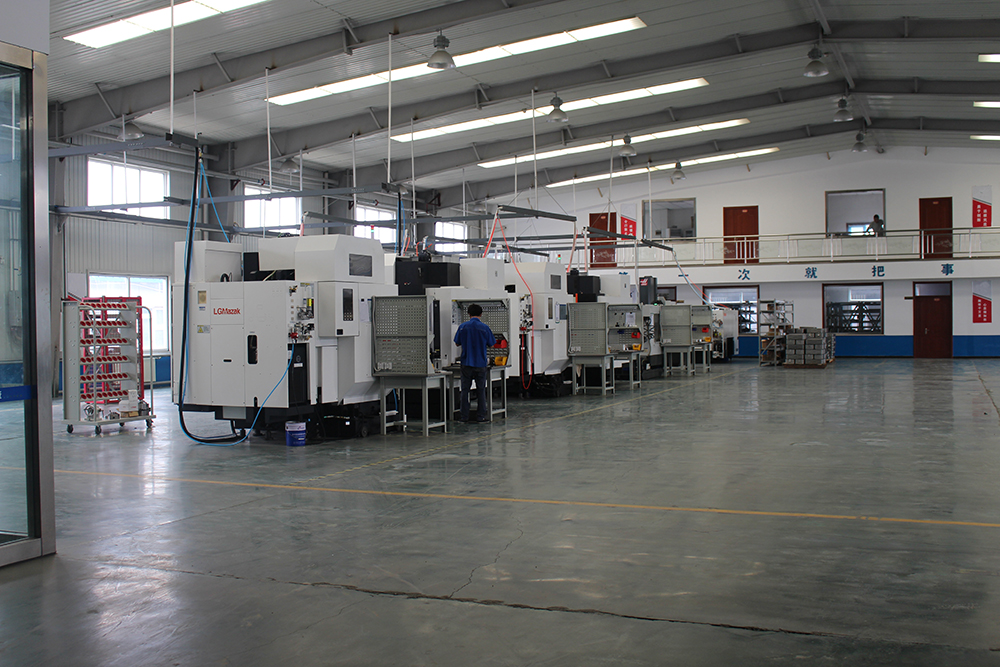
China has evolved into a global epicenter for pharmaceutical synthesis and advanced medical manufacturing, driven by robust infrastructure, advanced machinery, and rigorous compliance to standards like GB/T42061-2022 and ISO13485:2016. The production of diagnostic contrast media is not merely about chemical blending; it demands highly specialized bioreactors, cleanrooms of Class A/Class 100 specifications, and complex analytical instrumentation (e.g., HPLC, GC-MS, ICP-MS) to guarantee active ingredient purity and verify the absence of heavy metal residues.
Facilities rely on automated, closed-loop glass-lined reactors that prevent ambient cross-contamination during iodination or chelation cycles.
Utilizing state-of-the-art terminal sterilization and aseptic filling techniques to achieve a Sterility Assurance Level (SAL) of 10^-6 for all injectable media.
Strict raw material tracking protocols from raw iodine or gadolinium ore input to final sterilized vials, ensuring a clean audit trail for global regulatory bodies.
By localizing raw materials, integrating power grids, and using automated high-speed packaging, Chinese factories deliver competitive pricing without sacrificing purity.
When evaluating suppliers, technical directors must look past simple trade names and examine physical-chemical benchmarks. Below is a comprehensive reference matrix outlining key specifications of medical imaging contrast agents produced in certified Chinese facilities:
| Agent Category | Common Active Components | Primary Clinical Modality | Osmolality (mOsm/kg H2O) | Viscosity (mPa·s @ 37°C) | CE Regulatory Status |
|---|---|---|---|---|---|
| Non-Ionic Monomer | Iohexol, Iopromide | CT, X-Ray, Fluoroscopy | 290 - 780 (Low Osmolar) | 4.0 - 8.0 | MDR Class IIb Approved |
| Non-Ionic Dimer | Iodixanol | Cardiovascular CT, Angiography | 290 (Isotonic / Iso-osmolar) | 8.0 - 11.5 | MDR Class IIb Approved |
| Macrocyclic Gadolinium | Gadobutrol, Gadoterate Meglumine | Magnetic Resonance Imaging (MRI) | 1110 - 1960 | 4.5 - 5.3 | MDR Class III Approved |
| Microbubble Agent | Sulfur Hexafluoride Microbubbles | Contrast-Enhanced Ultrasound (CEUS) | Isotonic | Low (< 2.0) | MDR Class III Approved |
The contrast agents market is experiencing rapid technological evolution, guided by three core clinical initiatives: patient safety, imaging sensitivity, and therapeutic integration (theranostics).
Linear gadolinium agents face restricted clinical recommendations due to risks associated with tissue-specific gadolinium deposition. Macrocyclic chelates, with their highly stable cage-like molecular geometries, offer superior thermodynamic stability, virtually eliminating the release of free Gd3+ ions in the body.
Artificial Intelligence algorithms are reshaping modern scanning protocols. Dynamic recognition models scan in real-time, matching injection speed, contrast concentration, and timing with the patient's individual cardiac output. This enables lower contrast doses to be used without sacrificing image quality.
Contrast formulations are undergoing modifications to carry therapeutic agents. For example, microbubble contrast agents can be co-loaded with target chemotherapeutics or gene payloads. Under localized diagnostic ultrasound activation, the microbubbles oscillate, facilitating targeted drug delivery across blood-tissue barriers.
Diagnostic contrast media are used in multiple departments, showing great value in both human clinical settings and advanced veterinary medicine. Below are some of the primary application scenarios:
Iso-osmolar iodinated agents (such as Iodixanol 320) are vital for high-resolution coronary CT angiography. Because they match blood's natural osmolality, they reduce hemodynamic fluctuations, providing clear, artifact-free images of vascular stenoses and calcified plaques.
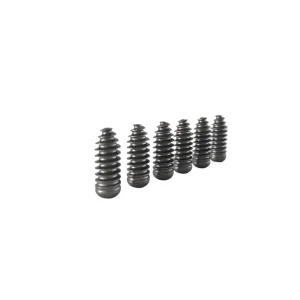
Contrast agents support real-time imaging during orthopedics, spinal procedures, and sports medicine implantations (like Titanium Interference Screw installations). Utilizing contrast media under mobile intraoperative C-arms allows surgeons to accurately verify implant alignment, screw placement, and surrounding joint capsule integrity.
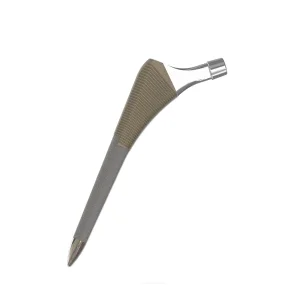
With veterinary diagnostics adopting advanced imaging, contrast media are regularly used alongside specialized vet syringes and dedicated CT scans. This combination provides detailed tumor staging for domestic pets and supports veterinary joint replacement procedures, such as cementing femoral stems.
In abdominal oncology, dynamic multiphasic contrast-enhanced imaging is crucial for distinguishing between benign and malignant focal hepatic lesions. Contrast-enhanced MRI scans help reveal specific wash-in and wash-out patterns that guide targeted biopsies and therapeutic planning.
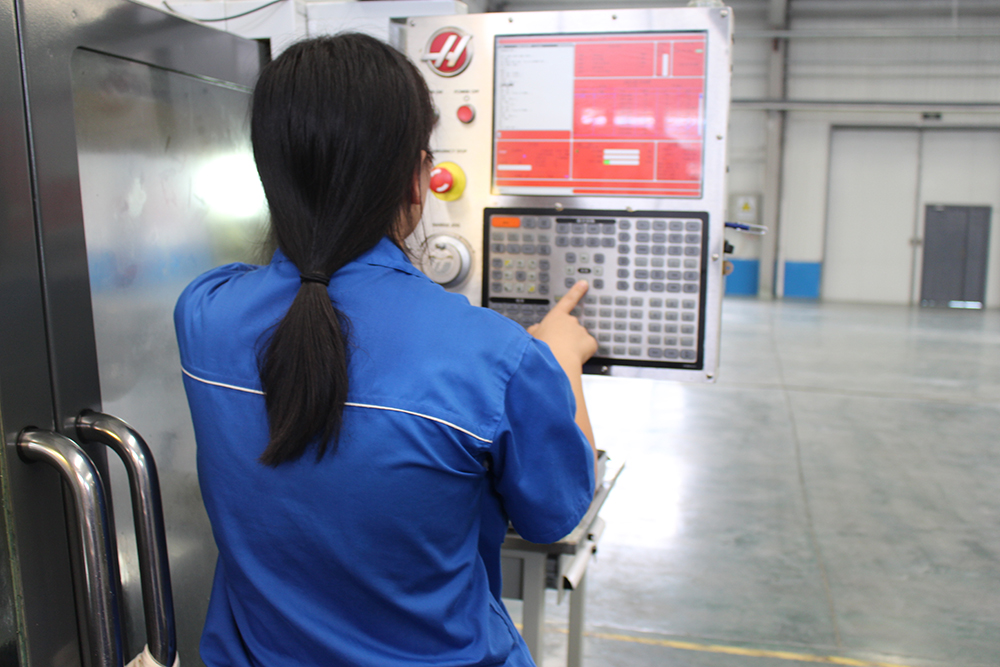
Our manufacturing partner, Shenzhen HUL Healthcare Technology Co., Ltd. (operating as Bopull Medical), maintains an unwavering dedication to medical quality and strict regulatory compliance. The company operates in accordance with local and international regulations, holding formal certifications for GB/T42061-2022 and ISO13485:2016 quality management systems. Supported by advanced diagnostic manufacturing and testing equipment, our expert development teams deliver precision-grade products that consistently meet and exceed client expectations.
Procurement offices face complex logistical and regulatory hurdles. We offer tailored, high-value supply solutions to help ease the path from manufacturing to patient application.
We provide tailormade volume adjustments, localized languages for multi-lingual packaging inserts, and custom barcodes to simplify your localized logistics systems.
We provide full documentation, including DMFs (Drug Master Files), Certificate of Suitability (CEP) records, stability data (ICH Q1A-Q1E), and complete MDR technical files for swift national health registrations.
Through robust temperature monitors and insulated packaging, we keep your shipments within the recommended 15°C to 30°C range, protecting contrast media from freezing or excessive heat during transit.
Every production batch undergoes thorough testing for sterility, endotoxins, heavy metals, and particulate matter. Retention samples are stored for compliance safety checks throughout the product's entire shelf life.
 HUL Healthcare Limited