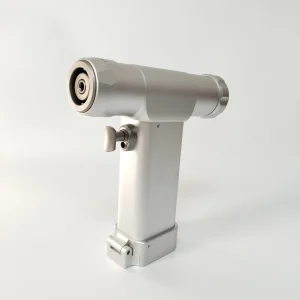
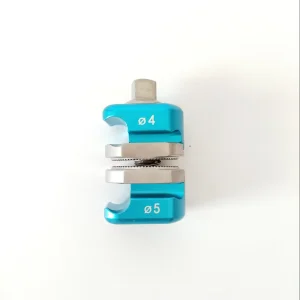
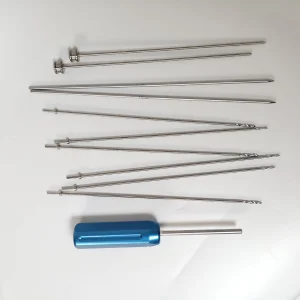
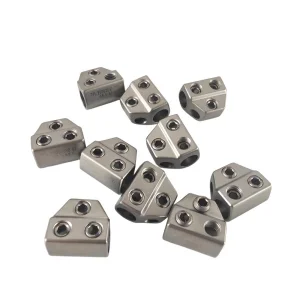
Explore our leading catalog of surgical instruments, arthroscopic systems, and bone drills built with rigorous engineering standards.
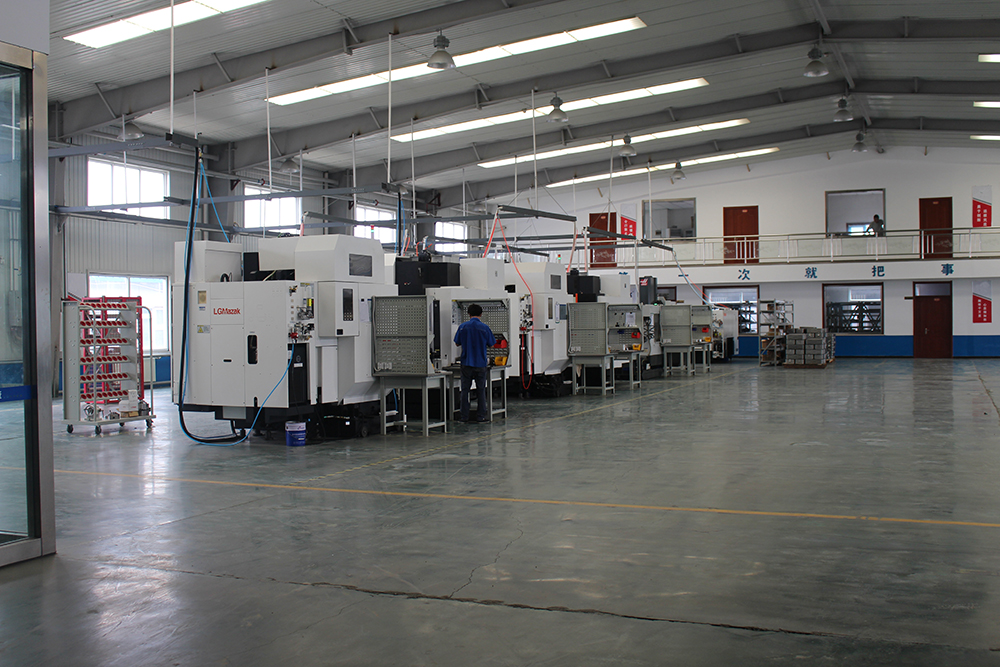
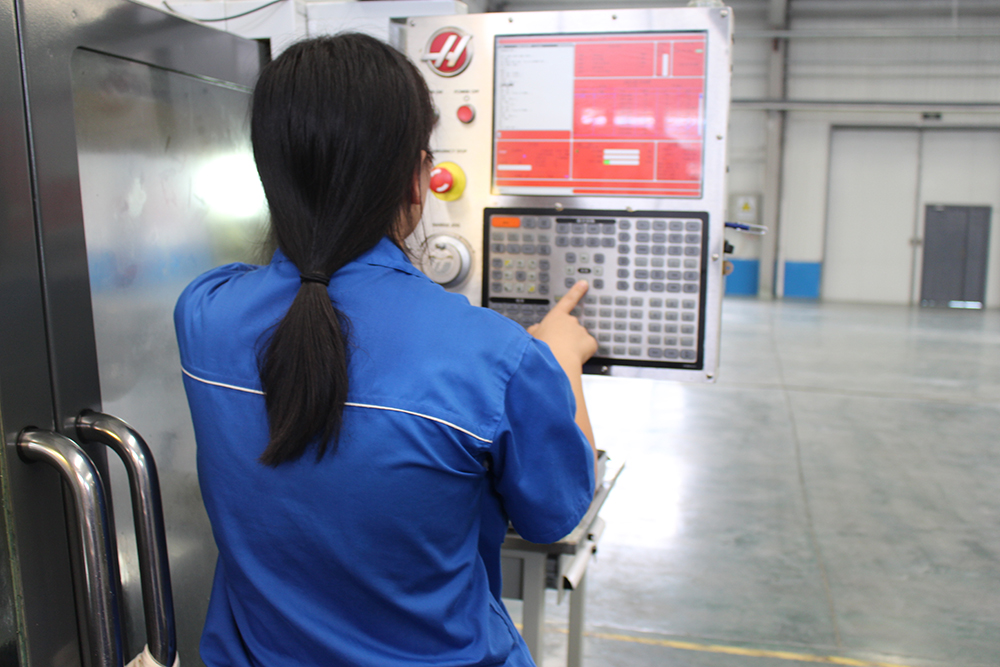
Operating in strict compliance with global medical device standards, Bopull Medical is a high-technology manufacturing and trading enterprise. We have established comprehensive compliance pathways certified under GB/T42061-2022 idt ISO13485:2016. Dedicated to resolving complex biomechanical and engineering problems, our production centers feature advanced automated machinery, support customized OEM/ODM projects, and maintain high industry praise for clinical reliability.
The global demand for orthopedic devices, support systems, external fixators, and orthopedic braces is undergoing a seismic shift. Driven by an aging population, rising sports-related trauma cases, and advances in veterinary orthopedics, healthcare distributors are looking for manufacturers that combine high precision with cost-effective scalability.
China has transitioned from basic mechanical assembly to advanced precision metallurgy and biomedical synthesis. Manufacturers like Bopull Medical (shenzhen HUL Healthcare Technology Co., Ltd.) lead this revolution. By integrating high-end raw materials such as Nitinol shape memory alloys, medical-grade cobalt-chromium-molybdenum (CoCrMo), and lightweight high-performance titanium (Ti6Al4V), Chinese manufacturers provide alternatives that stand up to Western medical-device standards.
Information Gain Index: Modern clinical environments demand customized anatomical designs. Standard off-the-shelf braces are being replaced by patient-specific biomimetic designs. This transition requires manufacturers to possess advanced CNC milling, 3D laser-sintering capabilities, and robust quality management programs.
Procurement directors at hospital groups, orthopedic rehabilitation clinics, and international medical supply companies face several major challenges when sourcing overseas:
| Material Class | Common Applications | Key Biomechanical Properties | Compliance Checkpoints |
|---|---|---|---|
| Nitinol (Nickel-Titanium) | Arthroscopic suture passers, flexible instruments | Superelasticity, shape memory, high fatigue resistance | ASTM F2063, ISO 10993 Biocompatibility |
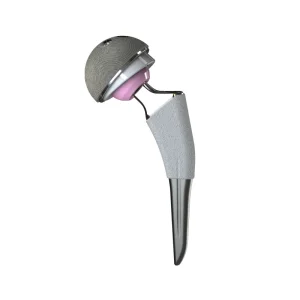
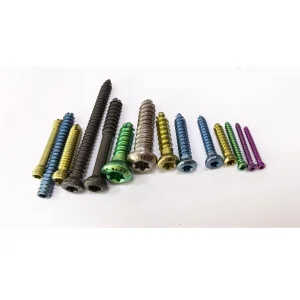
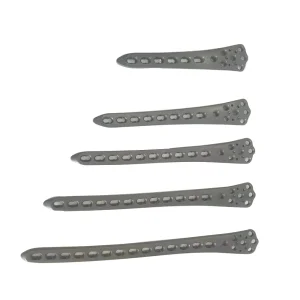
| Titanium Alloys (Ti6Al4V) | Joint prosthesis, bone screws, trauma locking plates | High strength-to-weight ratio, low elastic modulus | ASTM F136, ISO 5832-3 |
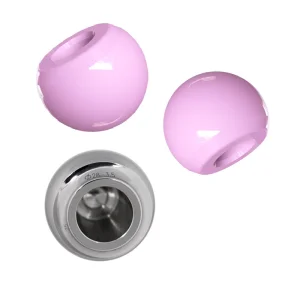
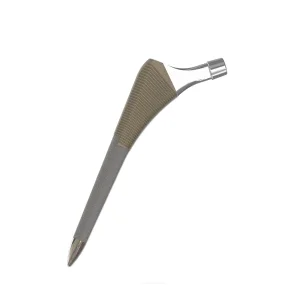
| CoCrMo Alloy | Femoral heads, modular joint replacement systems | Exceptional wear resistance, high hardness | ASTM F75, ISO 5832-4 |
| Biocompatible Stainless Steel | External fixators, surgical retractor systems | Corrosion resistance, high tensile strength | ASTM F138, ISO 5832-1 |
Orthopedic manufacturing is no longer limited to human clinical applications. The veterinary orthopedic market is expanding rapidly, driving demand for specialized implants and power tools. High-precision procedures like Tibial Plateau Leveling Osteotomy (TPLO) require dedicated surgical saws, blades, and lateral distal femoral locking plates that match human surgical grade standards.
Advanced spine stabilization devices, including parallel domino connectors and tubular retractors for minimally invasive spine surgery (MIS OLIF), engineered to limit soft-tissue damage and accelerate postoperative recovery.
TPLO saw kits, specialized blades, and customized veterinary hip joints that cater to anatomical variations in companion and large animals, supported by robust metallurgy.
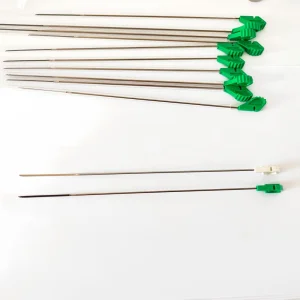
Knotless adjustable endobuttons, ACL loops, and Nitinol suture passers designed for high reliability under tension during ligament reconstruction.
By bridging the gap between human sports medicine and veterinary surgery, manufacturers can cross-apply manufacturing processes. For instance, the micro-polishing techniques used on cobalt-chromium femoral heads for human hip replacements are applied directly to veterinary hip prostheses. This ensures long-term wear resistance and reduces systemic ion release in companion animals.
The intersection of orthopedic support and active rehabilitation is defining the next generation of orthopedic braces. Traditional static braces are evolving into active, sensory-enabled, orthobiological support systems.
Our research and development roadmap focuses on integrating three critical pillars:
Future Trend: The convergence of external orthopedic support (bracing) with internal orthopedic stabilization (trauma plates and spine connectors) will lead to hybrid recovery protocols. These protocols utilize external sensors to monitor structural load distribution, ensuring implants are not overloaded during early rehabilitation phases.
Medical supply chains require high regulatory compliance. Bopull Medical operates under the GB/T42061-2022 / ISO13485:2016 certification framework. This system mandates continuous traceability, starting from raw bar-stock chemical testing through to cleanroom packaging and ethylene oxide (EO) sterilization.
Our international compliance framework covers:
Common questions answered by our engineering and regulatory compliance teams.
GB/T42061-2022 is the Chinese national standard identical to ISO 13485:2016, the international quality standard for medical devices. This certification ensures that Bopull Medical maintains a quality management system that meets regulatory requirements throughout design, manufacturing, distribution, and clinical feedback stages.
Nitinol (Nickel-Titanium alloy) provides superelasticity and shape memory. In arthroscopy, suture passers must navigate narrow joint spaces without permanently deforming. A Nitinol needle or jaw can bend significantly and return to its original shape, ensuring durability during procedures.
We use a structured design pathway: buyers provide 2D/3D CAD drawings or physical reference samples. Our engineering team reviews the design, simulates mechanical stress using Finite Element Analysis (FEA), produces a prototype batch, and performs fatigue testing prior to mass production.
Standard catalog products ship within 14–30 business days, while custom OEM orthopedic projects typically take 45–60 days for tooling and validation. We work with global medical couriers to ensure temperature-controlled, secure transport options that maintain device sterility.
Explore our high-wear joint prosthetics, external fixation systems, and specialized instruments manufactured for human and veterinary applications.
 HUL Healthcare Limited