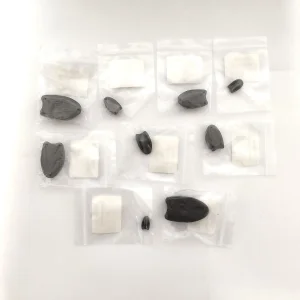
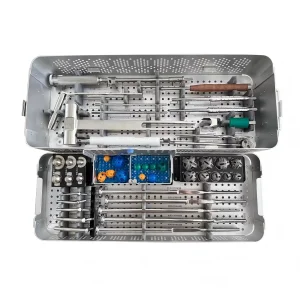
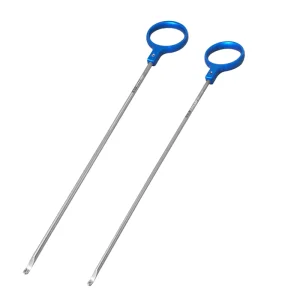
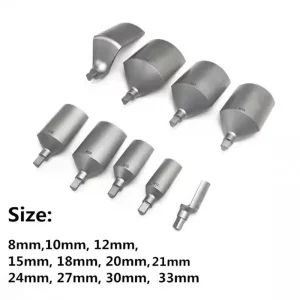
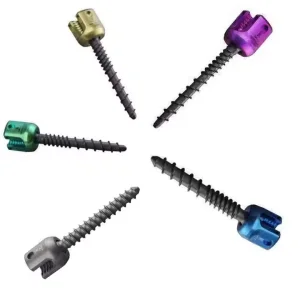
High-precision orthopedic implants, surgical tools, and veterinary prostheses manufactured to international quality standards.
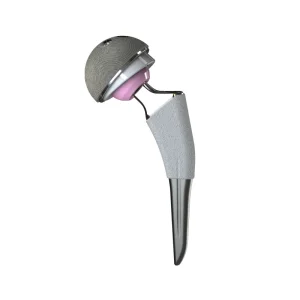
The global prosthetics, orthotics, and reconstructive joint replacement sector is undergoing a tectonic shift. Driven by aging demographic trends, rising sports injury incidences, and massive strides in veterinary orthopedic practices, demand has surged for high-fidelity implants. Titanium-alloy hip joints, complex knee arthroplasty packages, and precision-guided instrumentation have become critical clinical requirements.
Historically consolidated in Western markets, design and manufacturing of surgical-grade implants have progressively migrated to highly integrated biomedical clusters within China. Emerging leaders like Shenzhen HUL Healthcare Technology Co., Ltd. (operating globally under Bopull Medical) leverage deep material science capabilities and state-of-the-art multi-axis CNC milling technologies. These advancements have democratized access to Class II and Class III orthopedic products without compromising clinical outcomes.
Orthopedic and prosthetic implants exist in intimate contact with bone structures, demanding ultimate biocompatibility. Modern medical standards require rigorous adherence to GB/T42061-2022 idt ISO13485:2016. This quality infrastructure guarantees structural integrity, zero cytotoxicity, precise torque tolerances for spinal screw assemblies, and optimized surface coatings (like plasma-sprayed titanium or hydroxyapatite) to facilitate seamless osseointegration.
Utilizing high-grade Titanium Alloys (Ti6Al4V ELI) and Medical-Grade Stainless Steel to match bone density, minimize stress shielding, and virtually eliminate implant rejection rates across human and veterinary applications.
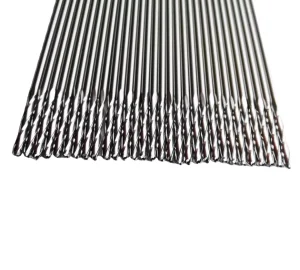
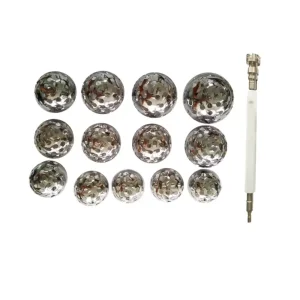
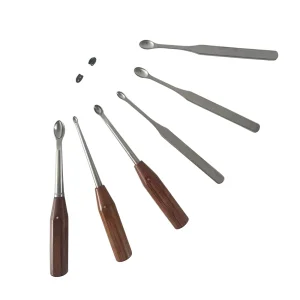
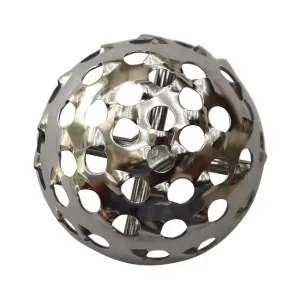
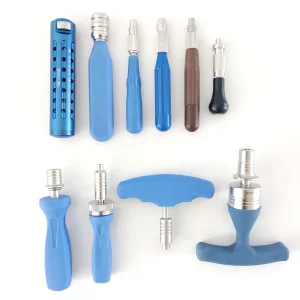
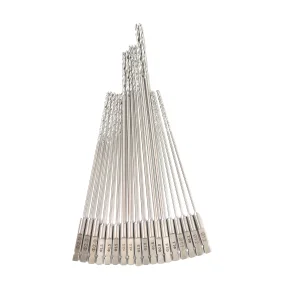
Drill bits, acetabular reamers, and spinal pedicle screwdrivers engineered with sub-micron dimensional accuracy. This minimizes heat generation during bone cutting, preventing localized bone necrosis.
Ensuring cross-compatibility of instruments (e.g., bone drill bits, reamer shafts, TPLO saw blades) with existing global surgical equipment, providing seamless operating room integration worldwide.
The lines between human orthopedic device manufacturing and advanced veterinary surgery tools are blurring. Breakthroughs in canine knee reconstructions, specifically the PGR (Patellar Groove Replacement) System and TPLO (Tibial Plateau Leveling Osteotomy) surgery, utilize the same structural engineering concepts as human knee and hip replacements.
Today's veterinary orthopedic surgeons require the same level of material reliability and manufacturing tolerances as pediatric or adult orthopedic trauma specialists. For instance, SOP Pearl Plates, locking reconstruction systems, and specialized carbide bone drill bits must resist cyclical mechanical loading within active dynamic models.
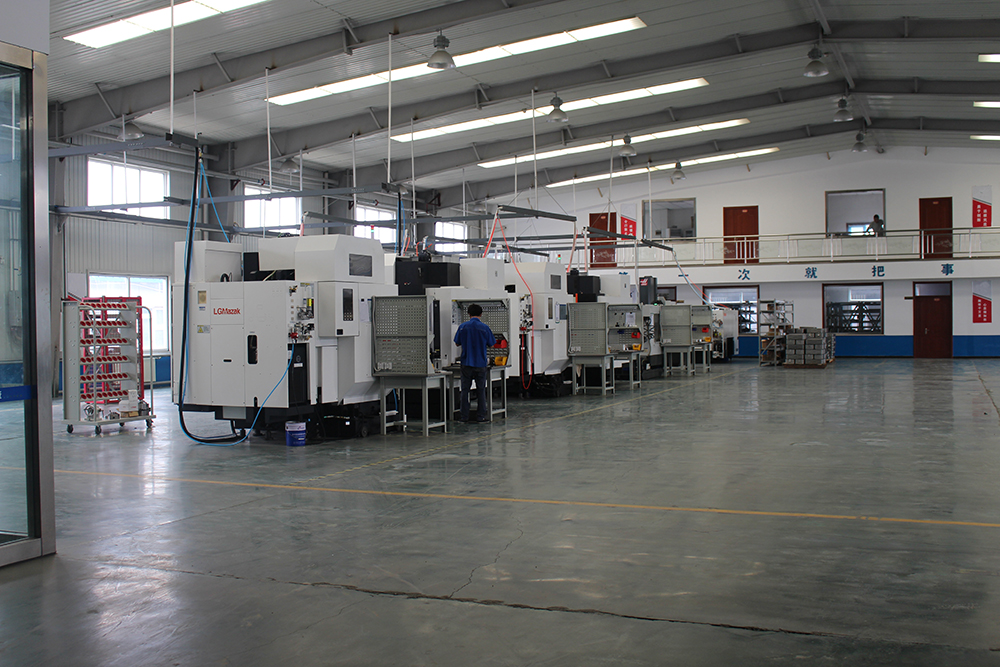
Advanced manufacturing and clinical prototyping capabilities at Bopull Medical.
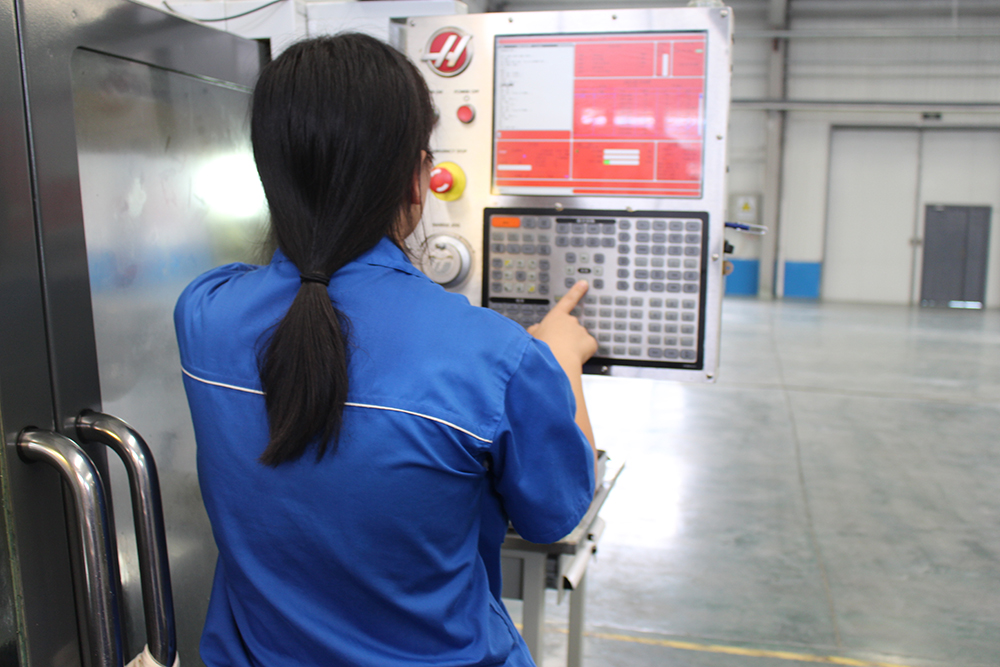
Rigorous multi-stage quality control verifying dimensional tolerance of implants.
The future of prosthetic limb and joint fabrication relies heavily on customization. Modern surgical pipelines leverage pre-operative CT scans to output patient-specific CAD models. The target trends include:
Verified operations, financial performance, and logistical capacities providing transparency under the Google E-E-A-T search guidelines.
Bopull Medical has established a robust quality control baseline aligned closely with FDA, CE, and ISO directives. Our persistent pursuit of design purity and instrument reliability has secured extensive accolades across orthopedic hospitals, veterinary trauma centers, and medical device distributors worldwide.
By sourcing superior grade titanium alloys and using computer-assisted design (CAD) integrations, we bridge the gap between design engineering and final surgical deployment. Our dedicated R&D team works closely with orthopedic surgeons to produce specialized tools, including torque-limiting screwdrivers, custom reamers, and minimally invasive bone cutting blades.
Expert technical answers addressing major queries from procurement managers, orthopedic surgeons, and medical distributors.
We primarily use Medical Grade Titanium Alloy (Ti6Al4V ELI) conforming to ASTM F136 specifications, along with surgical-grade stainless steel (316LVM) and ultra-high-molecular-weight polyethylene (UHMWPE) for articulating bearing inserts. These raw materials ensure optimized fatigue strength, excellent corrosion resistance, and outstanding biocompatibility.
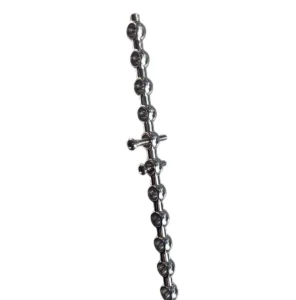
Yes. Bopull Medical provides full OEM/ODM manufacturing pipelines. We work directly from customer blueprints, CAD models, or custom surgical prototype specs to develop customized bone plates, arthroplasty instruments, and custom-length spinal fixation rods.
Our facilities operate in strict compliance with international medical device standards. We are fully certified under GB/T42061-2022 idt ISO13485:2016. Every batch undergoes rigorous quality-control checks, from raw material spectrometry testing to dimensional coordinate measurements.
While basic engineering and metallurgical requirements remain the same, veterinary orthopedics (e.g. canine TPLO or PGR systems) must account for different load-bearing geometries, higher dynamic force distributions relative to body weight, and the absence of post-operative compliance. Implants like the SOP Pearl Plates are engineered to offer high elasticity alongside strong mechanical support to match animal gaits.
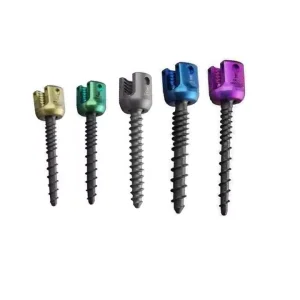
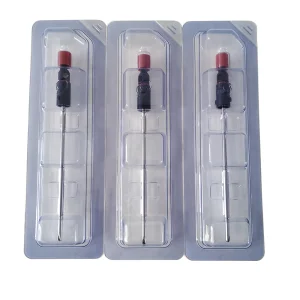
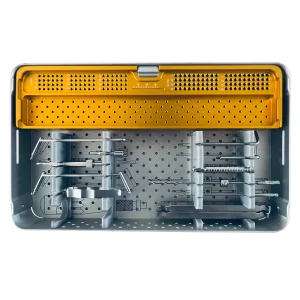
Highly durable orthoscopy tools, trauma screws, high-precision carbide bits, and spinal stabilization systems.
 HUL Healthcare Limited