High-grade medical and veterinary systems engineered under strict sterile conditions for modern operating theaters.
The global clinical landscape is witnessing a significant shift toward integrated surgical and critical care ecosystems. Endotracheal tubes (ETT) form the cornerstone of patient ventilation, emergency airway management, and anesthesia delivery. As a critical point of contact inside the human trachea, these devices require the highest levels of biocompatibility, structural design integrity, and safety profiles to mitigate risks like Ventilator-Associated Pneumonia (VAP) and tracheal mucosal necrosis.
China's advanced manufacturing infrastructure has evolved from simple medical-device component sourcing to high-end medical-grade polymer synthesis and micro-precision assembly. Organizations like Shenzhen HUL Healthcare Technology Co., Ltd. (Bopull medical) are setting benchmarks by integrating ISO 13485:2016-certified manufacturing pipelines with sophisticated global supply chain execution.
Our production units strictly comply with GB/T42061-2022 idt ISO13485:2016 international standards for quality management systems, assuring standard validation in critical care settings globally.
Understanding the engineering metrics behind medical-grade polymer endotracheal tubes and high-pressure/low-volume safety systems.
In modern patient intubation, selecting appropriate raw materials determines biocompatibility and durability. Thermoplastic polyurethane (TPU) and high-grade Medical PVC are the primary materials of choice. TPU offers thin-walled cuffs (down to 7 microns) which conform effectively to the irregular contours of the trachea, sealing at lower pressures and minimizing tissue trauma.
| Tube Characteristic | Standard Medical PVC ETT | Ultra-Thin Polyurethane (PU) ETT | Reinforced (Wire-Wound) Silicone ETT |
|---|---|---|---|
| Biocompatibility | Good (USP Class VI) | Excellent (Hypoallergenic, Low Leaching) | Premium (Long-term implantation) |
| Cuff Membrane Thickness | 50 μm - 80 μm | 7 μm - 15 μm | Standard/Uncuffed Options Available |
| Kink Resistance | Moderate | Good | Exceptional (Stainless steel spring reinforced) |
| Intended Applications | Short-term anesthesia & routine ICU | Long-term ICU ventilation (High VAP risk) | Neurosurgery, prone positioning, ENT procedures |
| Micro-aspiration Rate | Higher due to channel folds | Extremely low due to micro-cuff conformity | Dependent on inflation control |
Every tube features a precisely engineered bevel at the distal tip, typically angled at 37 degrees to facilitate smooth insertion through the vocal cords. The Murphy's Eye acts as an alternative ventilation port, providing an extra safety channel for airflow should the primary tip become occluded by the tracheal wall or secretions. Combined, these factors dramatically reduce the risk of clinical hypoxia during intensive operations.
Innovations driving next-generation airway management devices towards smart clinical monitoring and zero-infection rates.
Development of silver nanoparticle and chlorhexidine-impregnated tube bodies to inhibit biofilm formation. This tech minimizes the colonization of pathogenic bacteria, offering a preventive layer against hospital-acquired pneumonia.
Integration of micro-sensor filaments along the ETT shaft to provide real-time intracuff pressure metrics to central monitoring units, eliminating manually adjusted pilot balloon guesswork and tissue ischemia risks.
Refining integrated evacuation lumens that sit just above the cuff, enabling automated, continuous or intermittent subglottic drainage to capture secretions before they reach the lower respiratory tract.
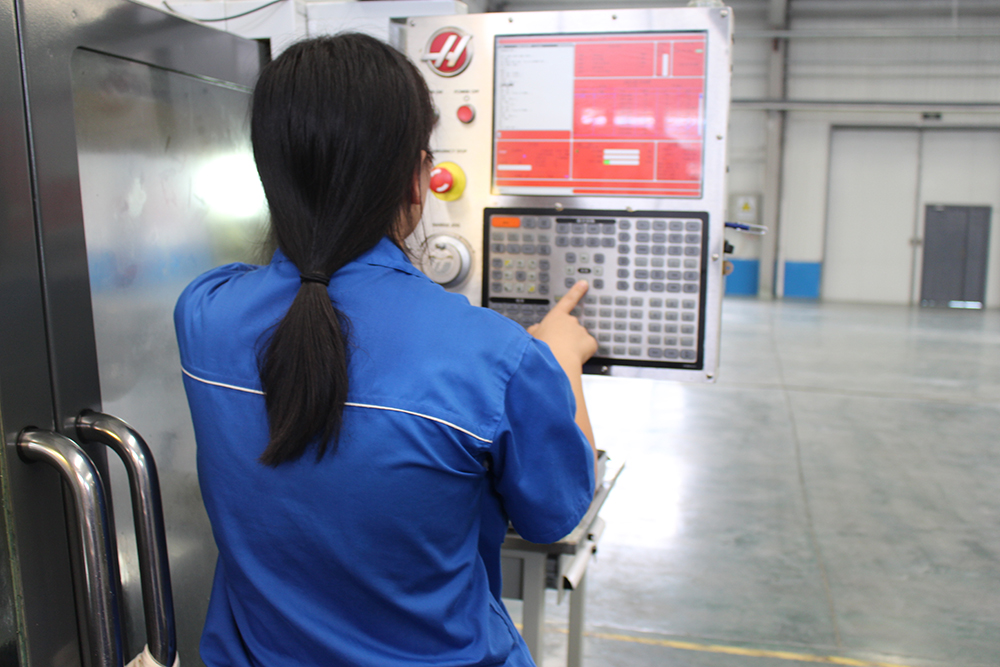
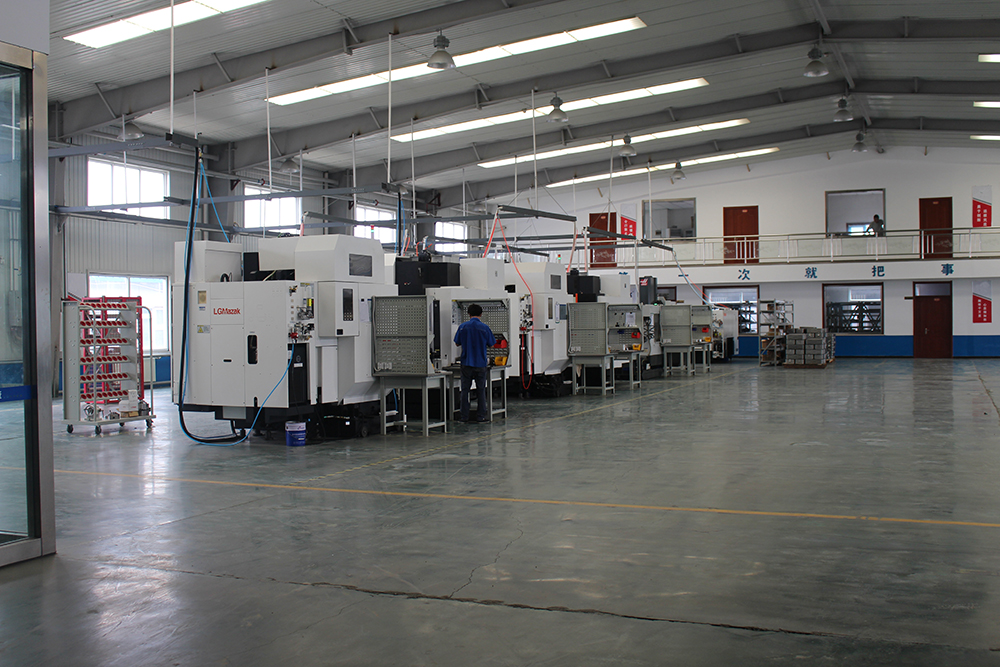
In the wake of global healthcare distribution bottlenecks, the robustness of China's medical manufacturing industry has become a stabilizing force. Shenzhen HUL Healthcare Technology Co., Ltd. (Bopull medical) operates a highly coordinated manufacturing dynamic. Located within the heart of South China's medical-industrial cluster, we utilize direct access to premium medical polymer refineries and micro-molding tooling facilities.
This localized concentration of material science, strict biological evaluation laboratories, and precision sterilizers ensures that we can transition from product design inputs to CE-certified bulk production swiftly and reliably.
With a response rate exceeding 95.36% and response times within 3 hours, we minimize project latency from initial engineering consultations to final logistical customs clearances.
In clinical emergency workflows, pediatric anesthesia, and specialized veterinary surgeries, endotracheal tube placement requires absolute performance precision. The tube must adjust dynamically to the patient's anatomical movements without risking dislocation or bronchial migration. For veterinary practices, this is particularly challenging due to the wide anatomical variations among different species.
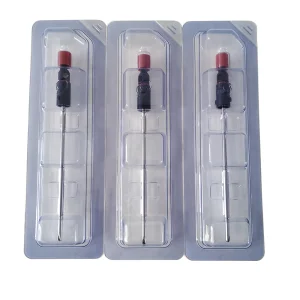
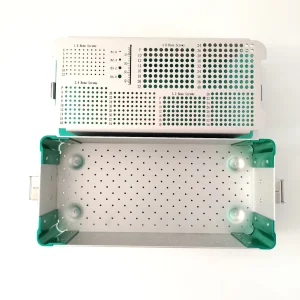
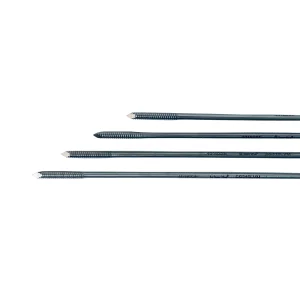
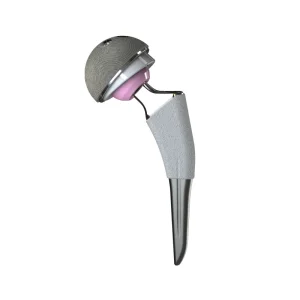
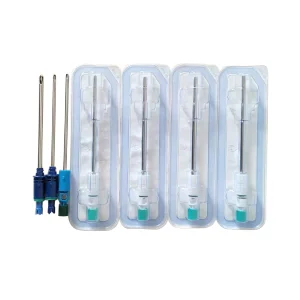
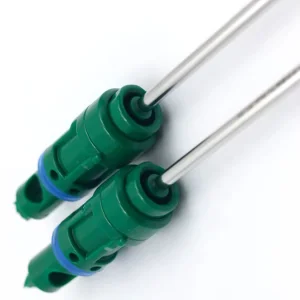
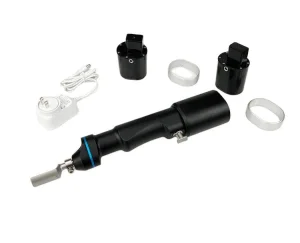
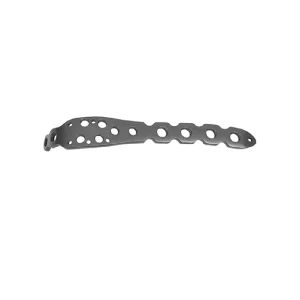
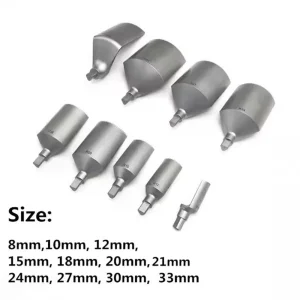
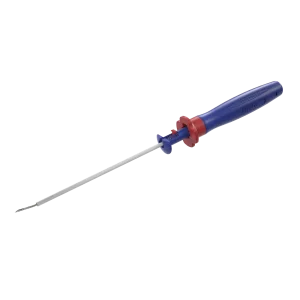
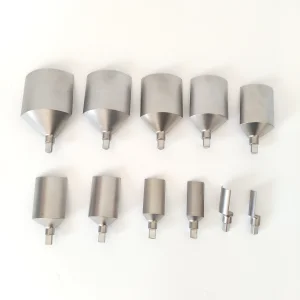
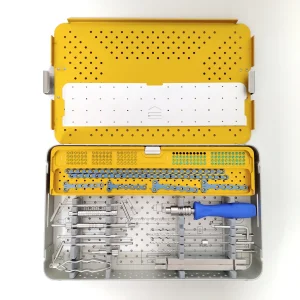
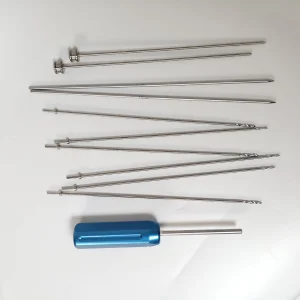
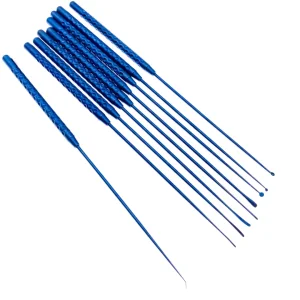
Shenzhen HUL Healthcare bridges these demanding requirements by delivering premium accessory items such as TPLO surgical saws, custom orthopedic locking plates, and shaver systems alongside classic airway management systems. This hybrid expertise empowers clinicians to source critical perioperative anesthesia and complex skeletal reconstruction instruments from a single, trusted supply line.
Direct insights into Shenzhen HUL Healthcare Technology Co., Ltd.'s commercial capacity.
Corporate Operations Overview: Our business, headquartered in Beijing/Shenzhen, operates on an annual revenue model of US$1 Million - US$2.5 Million. Bopull medical adheres strictly to international healthcare regulatory frameworks. Our internal quality assurance framework is optimized to manage technical issues promptly, ensuring that every batch of surgical instruments, bone saw blades, and airway management items complies with the strict biocompatibility guidelines demanded by international regulatory authorities.
Technical and regulatory answers targeting semantic search questions from medical buyers, anesthetists, and distributors.
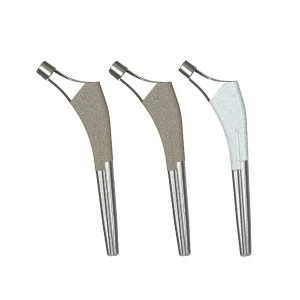
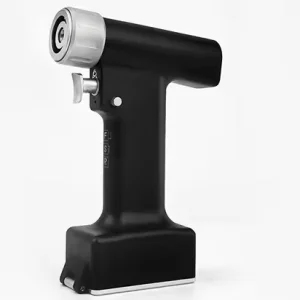
Additional premium implants, power tools, and arthroscopic shaver systems supporting complete operating room solutions.
 HUL Healthcare Limited