Explore our selection of internationally certified orthopedic hardware and specialized surgical power systems built for unmatched precision, biocompatibility, and procedural efficiency.
In the high-stakes sector of medical manufacturing, sourcing implantable devices and surgical tools is governed by stringent clinical metrics, zero-tolerance quality control, and intense regulatory shifts. Global procurement managers face major structural pain points:
Transitioning from EU MDD to MDR and complying with FDA 510(k) requires complete traceability of materials and manufacturing processes. Importers require validated suppliers to avoid clinical hold-ups and customs blockades.
Any deviation in grade-5 Titanium (Ti6Al4V ELI) or medical-grade Nitinol can cause fatigue failure or implant rejection. Suppliers must provide complete chemical and mechanical testing certifications for every batch.
Modern orthopedic devices require tolerances down to the single micron. Meeting these demands requires multi-axis CNC Swiss-turning centers, advanced EDM profiling, and automated visual quality control systems.
The future of implantable orthopedic surgery is driven by biological integration and micro-precision mechanics. Leading Chinese factories are moving from traditional implants toward smart, patient-matched, and highly bioactive designs.
To improve bone ingrowth on titanium implants, modern production methods use vacuum plasma spraying, anodic oxidation, and acid-etching. This generates nanoscale topologies that mimic trabecular bone structure, accelerating bone attachment for hip stems and dental implants.
Joint replacement implants increasingly use ceramic-on-ceramic or ceramic-on-highly-crosslinked-polyethylene bearings. Zirconia Toughened Alumina (ZTA) offers high fracture toughness and low wear, minimizing the risk of osteolysis and extending implant life.
The R&D roadmap focuses on bio-absorbable magnesium alloys and PLLA structures for trauma fixation. These materials slowly dissolve as the bone heals, eliminating the need for a second surgery to remove the implant.
Our facility offers complete manufacturing and engineering solutions, supplying components from high-precision surgical consumables to complex structural implants.
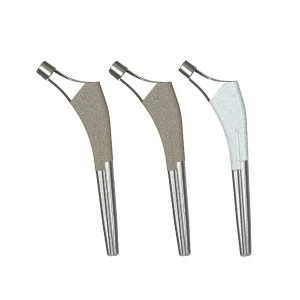
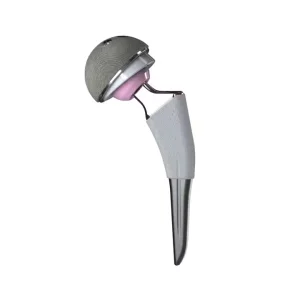
Producing cementless femoral hip stems, femoral heads, and tibial inserts. Utilizing advanced forging, casting, and multi-axis CNC grinding to match exact anatomical geometry and deliver low-friction articulation.
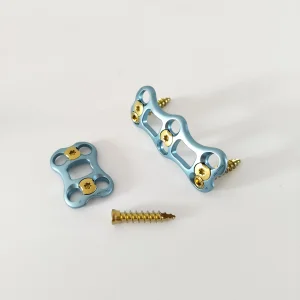
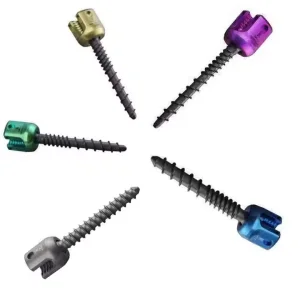
Providing pedicle screws, spinal rods, and cervical plates. Manufactured from high-tensile medical grade titanium, ensuring high fatigue strength, precise thread geometries, and robust locking mechanisms.
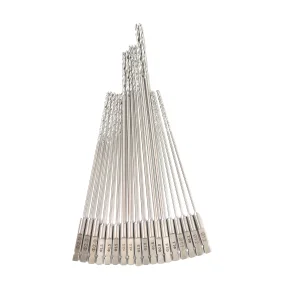
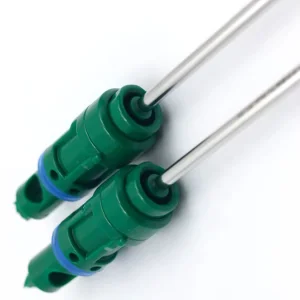
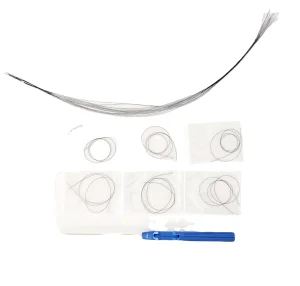
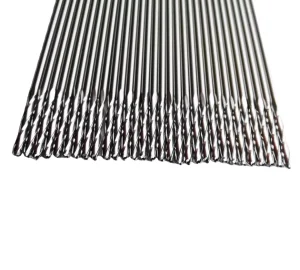
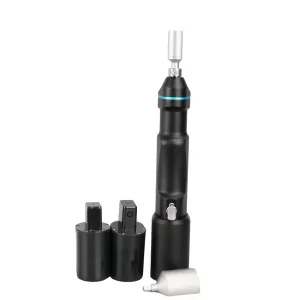
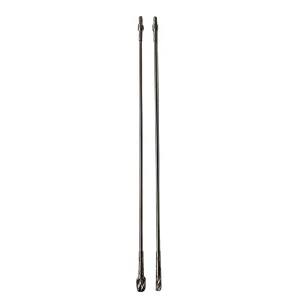
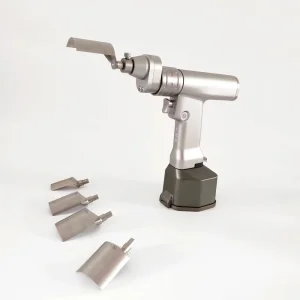
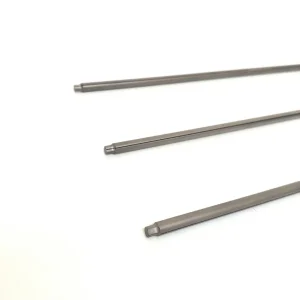
Supplying Nitinol suture wires, disposable shaver blades, and electric osteotomy saws (such as TPLO systems). Engineered for clean cutting, low thermal generation, and high durability.
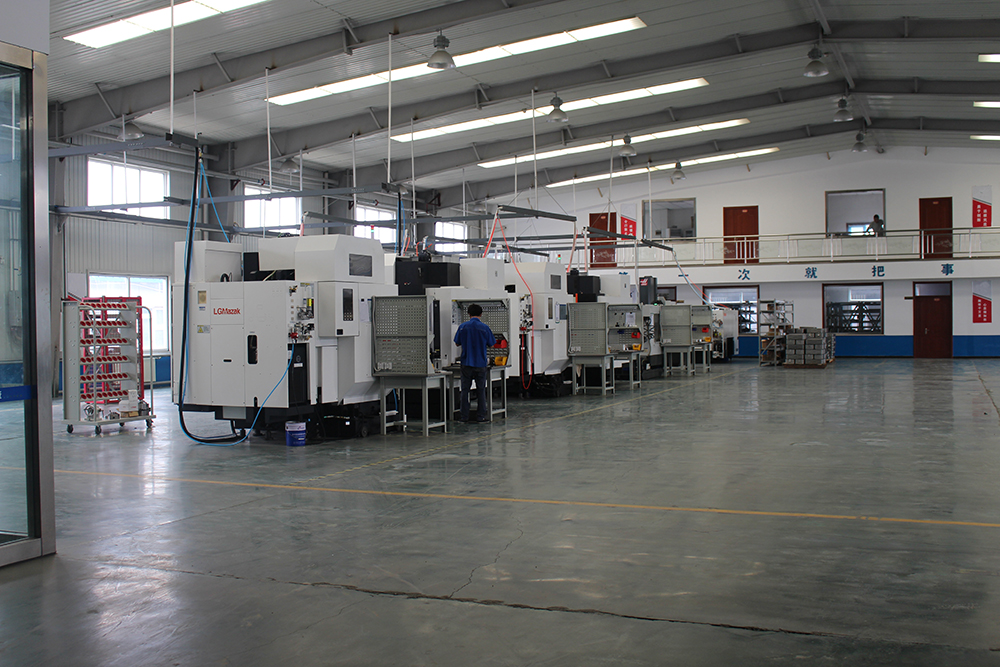
Operating in modern manufacturing hubs like Beijing and Shenzhen, our production lines utilize advanced automated machining to deliver high precision, competitive costs, and reliable delivery times.
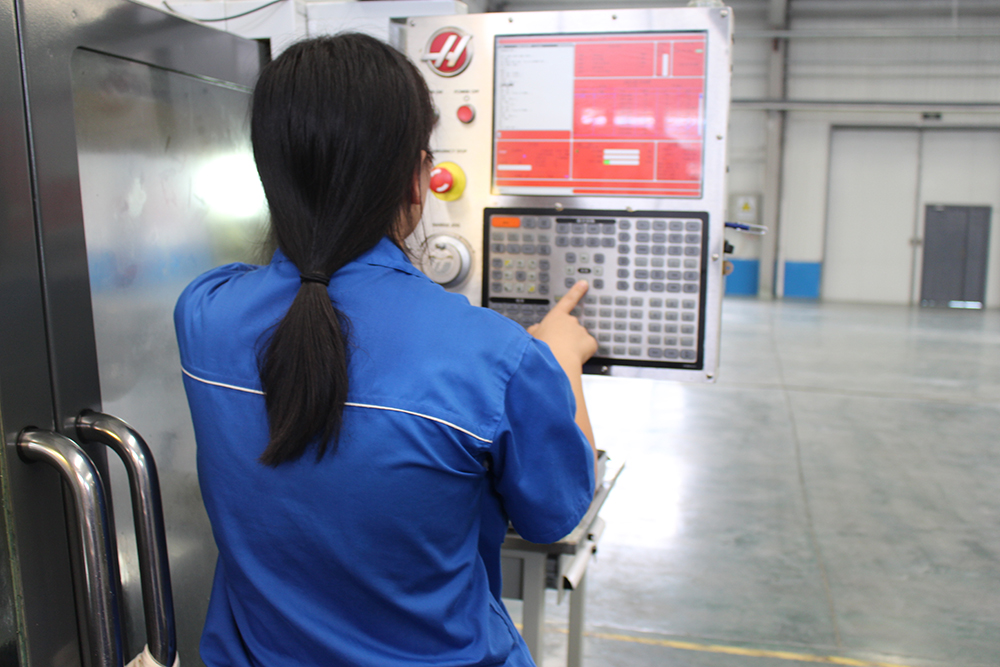
Our precision production environment includes Class 10,000 cleanrooms and advanced quality control systems. By combining Swiss sliding-head CNC machines with automated image dimension measuring systems, we ensure consistent production run after run. Our raw materials are fully traceable, and our manufacturing lines are optimized to keep lead times short even during fluctuating global demand.
Under the brand Bopull Medical, HUL Healthcare is certified under the GB/T42061-2022 idt ISO13485:2016 international quality management system standard. We are dedicated to providing orthopedic implants, surgical tools, and precision power systems that meet international medical device standards.
"Bopull Medical operates in strict accordance with international medical device laws and regulations. Our focus on quality and advanced manufacturing technology has built strong industry trust, allowing us to deliver products that meet demanding surgical standards."
Bringing an implantable device to market requires comprehensive, audit-ready technical documentation. We support global distributors and medical brands throughout the registration process, ensuring smooth market entry.
We provide complete material certifications, chemical analysis reports, and biological evaluation documentation (ISO 10993) to satisfy stringent FDA and EU MDR assessments.
Our quality management system is fully documented and structured to support remote or on-site client audits, showing clear traceability from raw materials to final packaging.
We perform bioburden testing and support sterilization validations (including EO and Gamma irradiation protocols) to ensure safety and maintain shelf-life integrity.
Take a look inside our ISO-compliant manufacturing areas and testing laboratories.
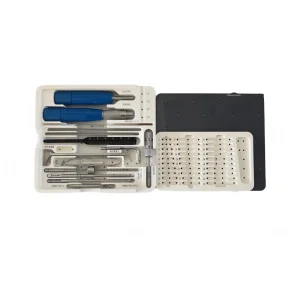
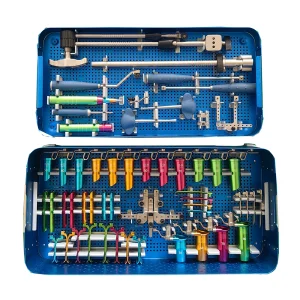
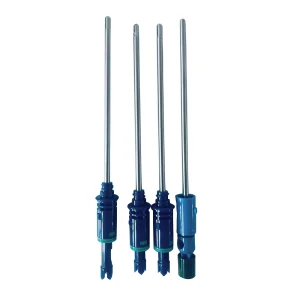
Discover our extensive catalog of spinal hardware, manual instrument sets, and high-performance surgical drill components.
 HUL Healthcare Limited