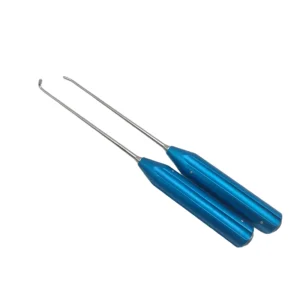
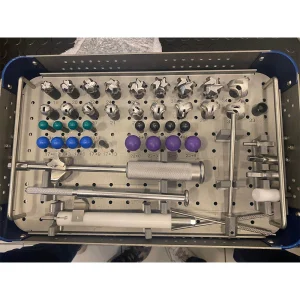
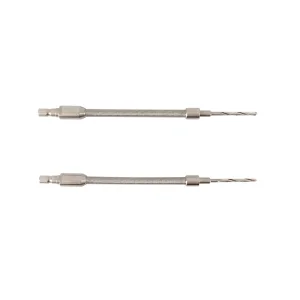
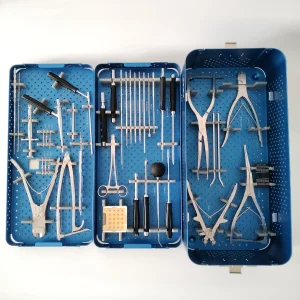
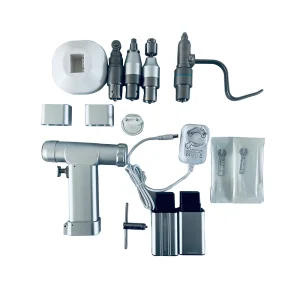
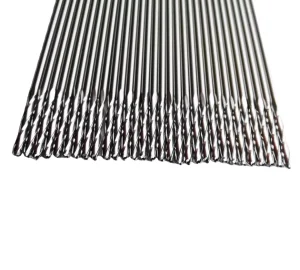
Premium orthopedic implant tools engineered to interface seamlessly with sterile protective barrier environments
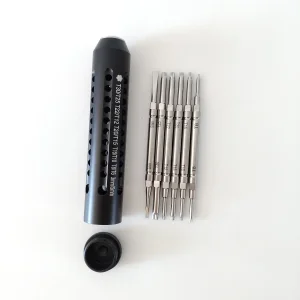

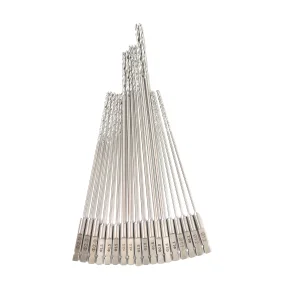
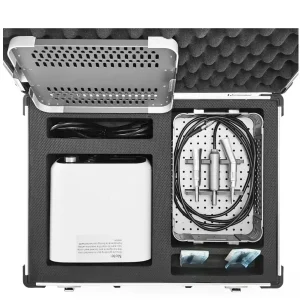
Analyzing key industrial indicators, manufacturing parameters, and global demand spikes for medical sterile barriers
The global healthcare sector demands absolute sterile integrity within operating rooms. Sterile surgical gloves act as the primary biological barrier protecting both patients and surgical personnel from cross-contamination and pathogens. With the rapid evolution of surgical protocols—ranging from general soft-tissue manipulation to intensive, mechanical-heavy orthopedic reconstructions—the choice of surgical gloves has become highly specialized. Major global markets are shifting towards high-durability synthetic alternatives, such as Polyisoprene and Nitrile, to replace traditional natural rubber latex due to increasing latex allergen awareness.
In standard medical glove manufacturing, the primary indicator of protection density is the AQL (Acceptable Quality Level). While industrial and examination gloves typically fall under AQL 1.5 or 2.5, high-risk surgical environments mandate AQL levels of 1.0 or below. The highest performing sterile surgical gloves achieve AQL 0.65, demonstrating a statistically near-zero incidence of pinhole defects during rigorous water leak testing. This low defect rate is absolutely crucial for surgeries involving heavy metal implants and instruments, where micro-tears from tools can expose biological pathways.
For surgeons spending hours in the operating theater holding tools like bone drill bits or handling delicate arthroscopic knot pushers, hand fatigue is a significant factor. Modern surgical glove design leverages anatomy-specific hand molds (curved fingers, tapered wrists, and textured palms) that align with natural resting states. Advanced polymer chemistry also ensures that even with double-gloving, tactile sensitivity remains high enough to identify anatomical structures and control micro-instruments without hand cramps.
A technical guide for healthcare procurement directors and surgical center managers
| Material Characteristic | Natural Rubber Latex (NRL) | Nitrile (Carboxylated) | Polyisoprene (PI) |
|---|---|---|---|
| Tensile Strength (MPa) | High (> 24 MPa) | Medium (> 17 MPa) | High (> 20 MPa) |
| Elongation at Break | Excellent (> 750%) | Moderate (> 500%) | Excellent (> 700%) |
| Allergenic Potential | High (Type I & IV Allergies) | Very Low (Type IV Accelerator Only) | None (Synthetic Latex-Free) |
| Puncture Resistance | Standard | Excellent (3x standard latex) | Good |
| Surgical Tactility | Traditional Gold Standard | Firm Fit, Good Response | Soft, Simulates Natural Latex Fit |
Natural rubber latex remains popular in developing economies due to its cost-efficiency and unmatched elasticity. However, in North America and Western Europe, hospital purchasing networks increasingly specify synthetic materials to eliminate type I latex allergies. Nitrile surgical gloves provide outstanding puncture resistance, making them ideal for orthopedic surgeries involving high-torque bone drills and spine fixators. Meanwhile, Polyisoprene offers the exact molecular performance of natural rubber without any of the proteins, providing the premium tactile feedback required for fine micro-suturing and micro-neurosurgical procedures.
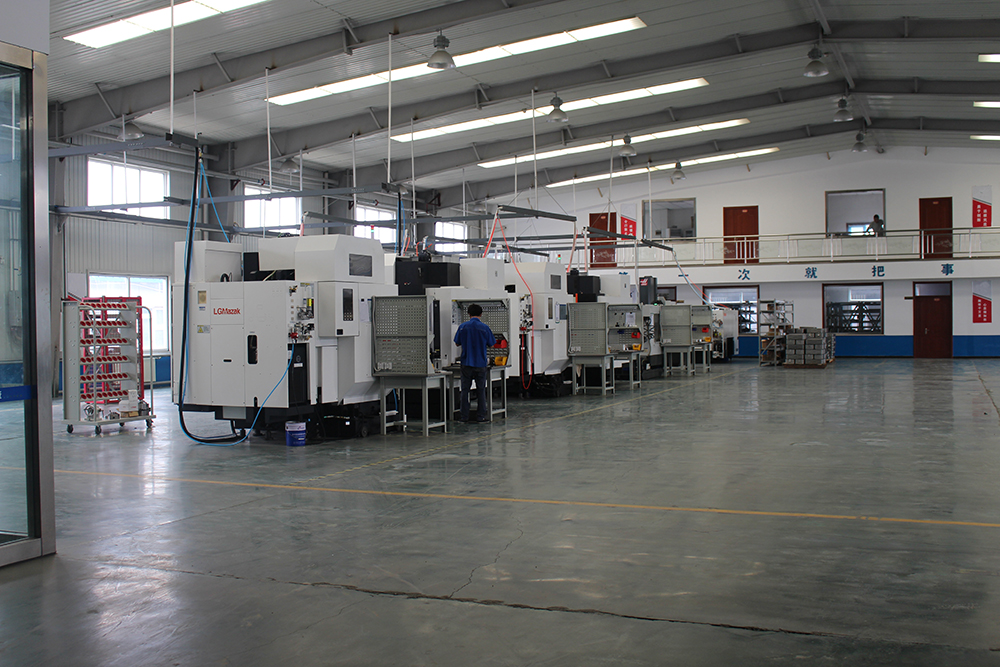
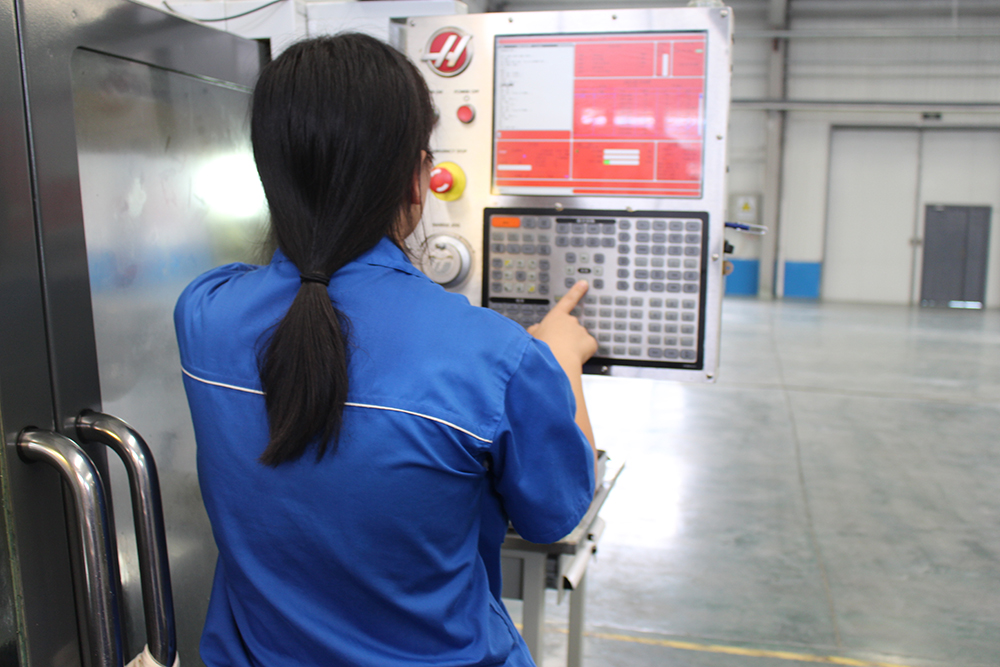
As a leading destination for global medical procurement, China’s medical manufacturing infrastructure utilizes advanced industrial automation and deep integration of supply chains. Factory lines rely on continuous double-dipping processes, computer-monitored vulcanization, and real-time electronic testing of glove surfaces. By combining these manufacturing developments with regional logistical hubs, Chinese suppliers offer high volume consistency, reliable lead times, and compliance with strict standards such as FDA 510(k), CE mark, and EN455. This makes them competitive partners for hospitals, distributors, and bulk purchasers worldwide.
A verified look into our comprehensive medical device manufacturing capabilities, quality frameworks, and corporate values
Detailed technical answers addressing standard inquiries from B2B buyers and hospital purchasing managers
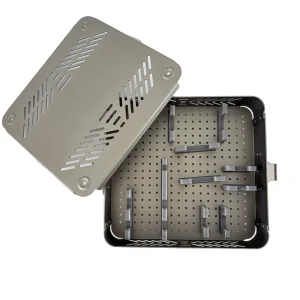
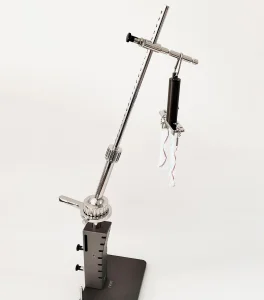
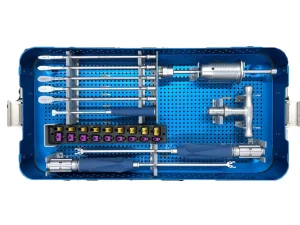
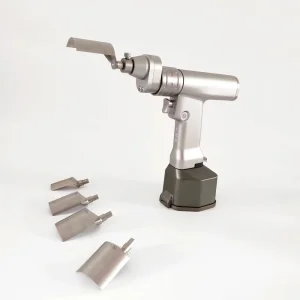
High-precision spine instruments, orthopaedic prostheses, and sterile storage solutions

 HUL Healthcare Limited