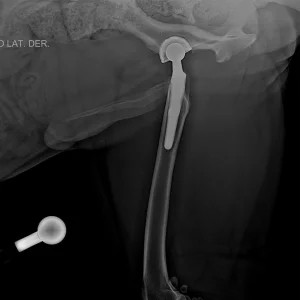
Explore our leading catalog of surgical kits and precision-machined spinal implants, optimized for modern operating rooms and specialized veterinary clinics.
Whitepaper Analysis: Examining how China's integrated industrial hubs deliver precision, reliability, and cost-advantages under modern regulatory frameworks.
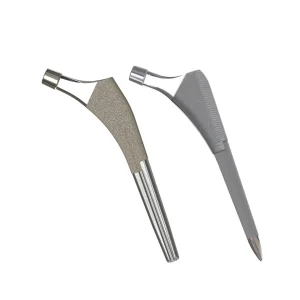
The global medical devices sector is undergoing an unprecedented shift toward minimally invasive surgeries (MIS) and highly specialized veterinary osteotomy systems. This evolution demands instruments that offer high tactile feedback, biological passivity, and absolute fatigue resistance. Crucial procedures such as Oblique Lateral Interbody Fusion (OLIF) and Total Hip Arthroplasty (THA) require specialized instrument arrays that maintain structural integrity through thousands of autoclave sterilization cycles.
Historically, sourcing high-end surgical instruments meant navigating fragmented distribution channels in Western markets. However, the rise of specialized manufacturing clusters in China, integrating state-of-the-art metallurgy with ISO-regulated assembly, has reshaped the procurement strategy for global healthcare organizations, hospitals, and distributors alike.
China's surgical manufacturing advantage is not built simply on cost reduction, but on deep supply chain aggregation. From raw material sourcing (such as medical-grade SUS 304, SUS 316L, and titanium alloys) to advanced finishing procedures (electro-polishing, micro-machining, and laser etching), every stage is vertically integrated within key economic zones. This localization mitigates risks associated with logistics disruptions and geopolitical uncertainties.
By coordinating trading structures in key technological centers like Shenzhen and Beijing, enterprises like Shenzhen HUL Healthcare Technology Co., Ltd. bridge the gap between heavy industrial production and rapid customer support, ensuring an average response window of under 3 hours and maintaining raw material inventories that absorb downstream price fluctuations.
A look at the mechanical processes, heat treatments, and metallurgical innovations driving modern clinical instrument longevity.
We leverage multi-axis Swiss-type CNC machines to shape micro-components with tolerances tighter than ±0.005mm. This degree of control is crucial for complex mechanisms such as the Nitinol Scorpion Suture Passer, ensuring smooth execution within cramped intra-articular spaces.
Surgical instruments must withstand bodily fluids without trace metal ion release. Our chemical passivation workflows remove free iron from surfaces, producing a robust chromium-oxide passive layer that guarantees high corrosion resistance during repeated hospital steam autoclaving.
Integrating shape-memory materials like Nitinol enables instruments to deform and return to preset shapes. This capability underpins minimally invasive joint reconstructions and arthroscopy, where instruments must navigate curved access ports.
Every batch of Medical Grade Titanium or 304 Stainless Steel is audited for chemical composition and mechanical stress profiles.
High-speed milling paths shape instrument geometries to minimize tissue trauma and optimize operational ergonomics.
Anodization, electropolishing, and passivation are applied to create a corrosion-resistant barrier and reduce glare under intense OR lights.
Optical comparators, load-deflection metrics, and simulated autoclave cycling ensure each tool meets international requirements.
Understanding how human spinal orthopedic needs and veterinary fracture repairs influence specialized instrument design.
Modern spine procedures emphasize tissue preservation. In Oblique Lateral Interbody Fusion (OLIF), access is gained through a retroperitoneal window, demanding narrow tubular retractor sets. Instruments must be slim yet rigid, and non-reflective to prevent surgeon eye strain under bright light sources.
Veterinary orthopedics involves unique mechanical demands. Canine skeletal geometry varies significantly across breeds, requiring tools that are versatile and adjustable. Specialized veterinary tools must withstand dynamic biomechanical loads while accommodating compact anatomical structures.
A closer look at the core manufacturing metrics and management principles of our integrated facility.
BOPULL MEDICAL MANUFACTURING HUB
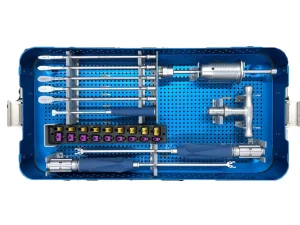
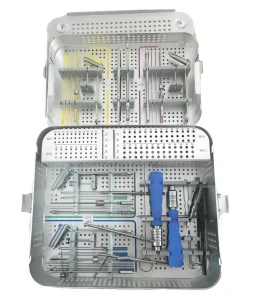
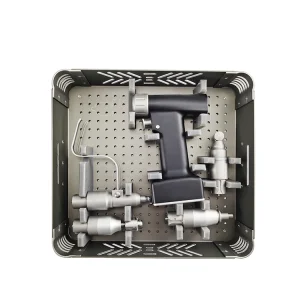
Complete surgical tool configurations, high-speed cutting saws, and custom sterilization containers designed for hospital environments.
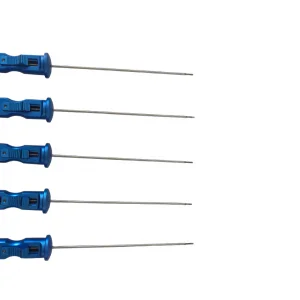
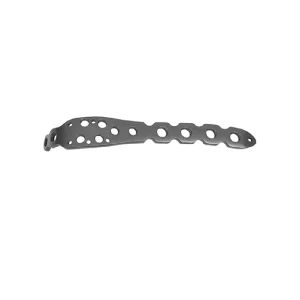
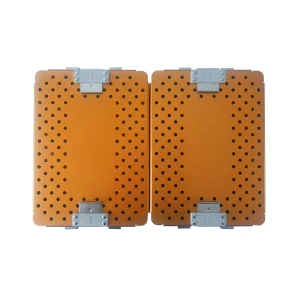
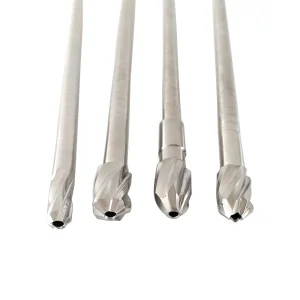
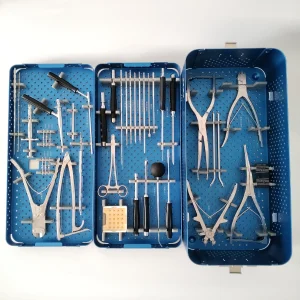
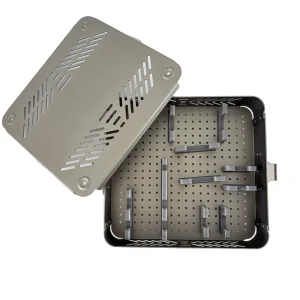
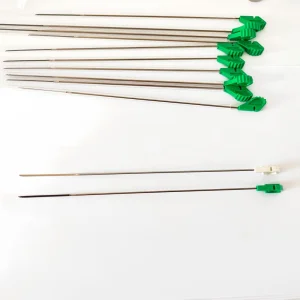
Documented look inside our production lines, verifying clean-room packaging, CNC machinery, and quality control departments.
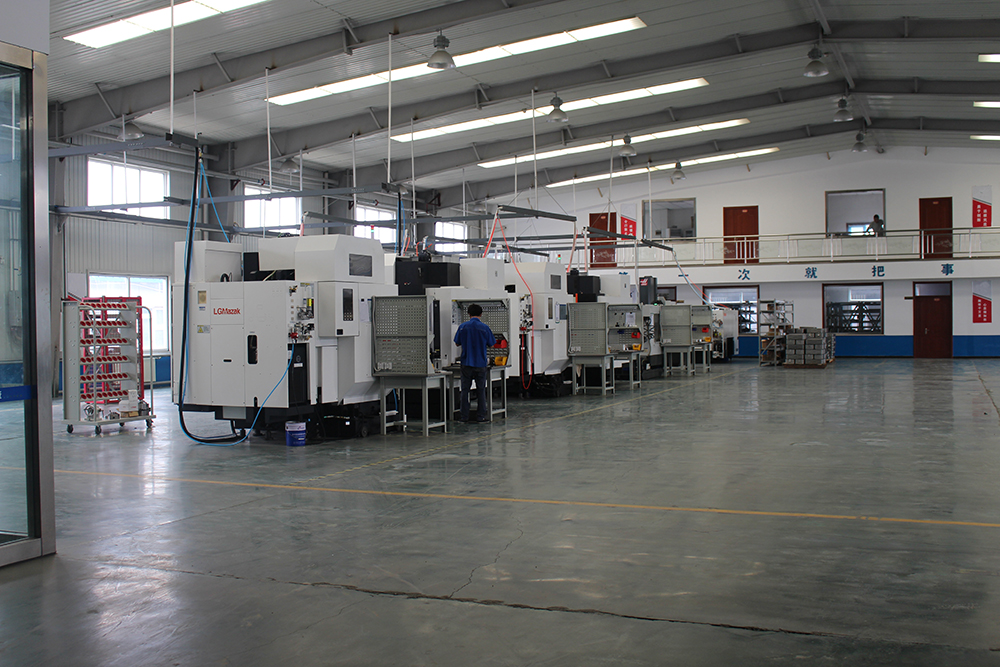
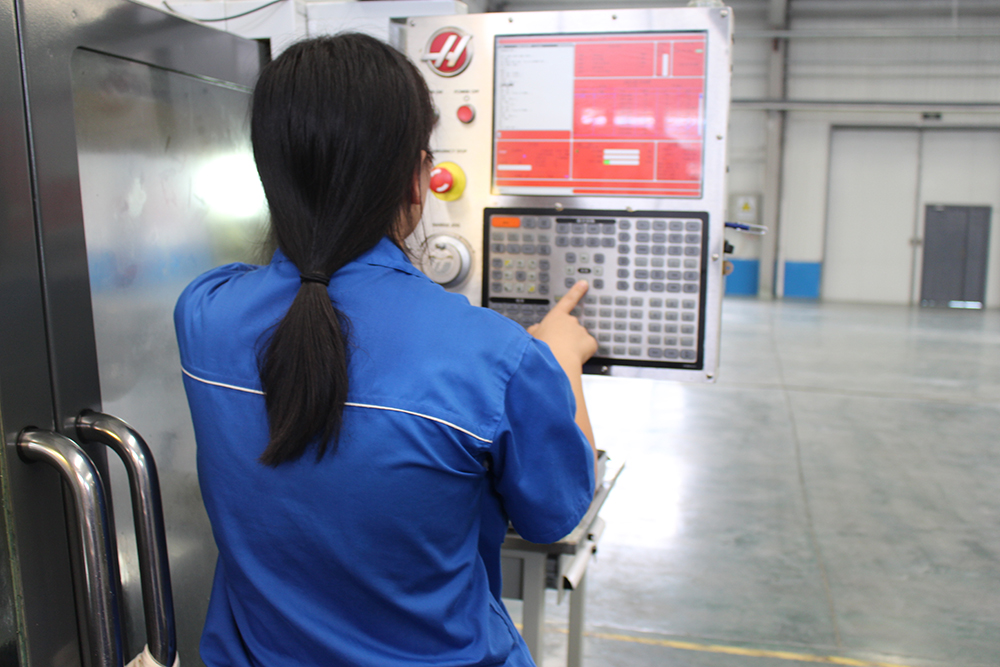
Ensuring cross-border medical device compliance through systematic auditing, certification, and material characterization studies.
Our Quality Management System complies with the international standard for medical devices, GB/T42061-2022 (equivalent to ISO 13485:2016). Every production line is subject to regular internal quality audits to maintain strict process controls.
From micro-machining of joints to clean-room packaging, we document each process step to ensure total material and component traceability throughout the product lifecycle.
We maintain CE certifications for our core surgical products, including orthopedic cannulated screw sets and veterinary TPLO saw blades, facilitating importation into the European Union and other regions aligned with CE standards.
We provide full technical documentation to support registration with local ministries of health, helping distributors navigate the regulatory approval process smoothly.
Find answers to common technical, manufacturing, and regulatory questions from healthcare distributors and procurement departments.
 HUL Healthcare Limited