China Top Wound Closure Devices Manufacturers & Supplier
Precision Engineering, ISO 13485 Compliance, and Globally Scaled OEM/ODM Clinical Solutions for Human and Veterinary Applications
Premium Orthopedic & Wound Closure Implants
Explore our leading range of high-precision orthopedic hardware, surgical suture constructs, and specialized veterinary instrumentation built to demanding international clinical specifications.
Whitepaper: Strategic Sourcing of Wound Closure & Orthopedic Implants in the Global Medical Supply Chain
In the contemporary medical device landscape, selecting a qualified manufacturing partner for wound closure devices and orthopedic fixation systems is a critical decision that influences clinical outcomes, regulatory clearance speeds, and overall profitability. As surgical techniques progress towards minimally invasive procedures, the baseline demand for high-strength materials (such as UHMWPE, Medical Grade Titanium (Ti-6Al-4V ELI), and biocompatible nitinol alloys) has expanded rapidly. This document explores the technical realities, supply chain structures, regulatory requirements, and future trajectories for procurement specialists globally.
Biocompatibility & Metallurgy
Deploying advanced medical-grade titanium and UHMWPE components ensures osteointegration, high tensile resistance, and minimizes adverse tissue response.
ISO 13485 Manufacturing
Strict operations aligned to GB/T42061-2022 idt ISO13485:2016 guarantee consistent product matrices and comprehensive lot-traceability control.
Global OEM & ODM Flexibility
Tailored engineering and quick prototyping loops for veterinary orthopedic clinics and human orthopedic device developers alike.
1. The Science of Wound Closure & Joint Fixation: Material Innovations
Modern surgery relies heavily on material longevity. Traditional closure and stabilization systems have given way to smart alloy designs and high-polymer textiles:
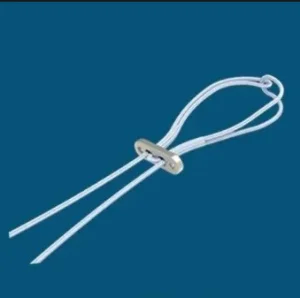
Ultra-High-Molecular-Weight Polyethylene (UHMWPE): Widely utilized in high-stress joint reconstruction and sports medicine suture implants, UHMWPE offers superior wear resistance, self-lubricating qualities, and high impact strength, outperforming conventional polyester materials.
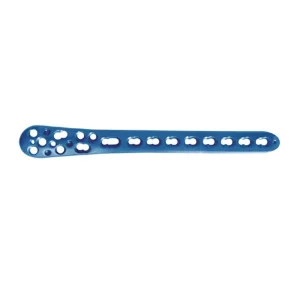
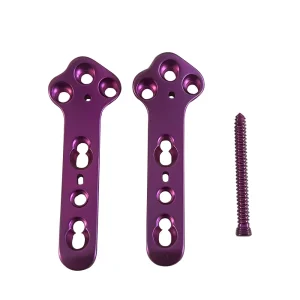
Titanium Alloys (Ti-6Al-4V Grade 5 / ELI): Standard for locking bone plates (such as LCP, TPLO, Cloverleaf fusion systems). Titanium features a Young’s modulus closer to cortical bone than stainless steel, reducing stress shielding risks.
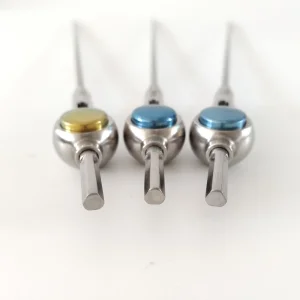
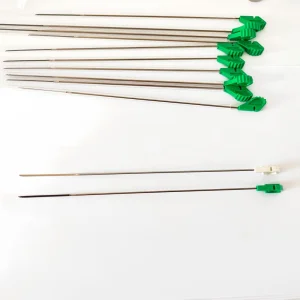
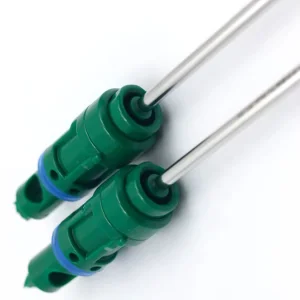
Shape Memory Nitinol (NiTi): Primarily used in arthroscopic suture passers (e.g., Scorpion Suture Passers), providing high flexibility and superelastic recovery under constrained surgical environments.
2. Localized Support, Distribution Compliance, and Regulatory Hurdles
Medical procurement is intrinsically tied to regulatory approval pathways. A supplier's capacity to assist in local registration defines the product's ultimate time-to-market.
Shenzhen HUL Healthcare Technology (and its partner network under Bopull Medical) runs a validated production management framework certified to GB/T42061-2022 idt ISO13485:2016. This aligns the quality policy directly with European Medical Device Regulation (MDR 2017/745) and United States FDA 21 CFR Part 820 requirements.
In practice, compliance is not just about certifications. It encompasses rigorous biocompatibility validation (ISO 10993), mechanical verification tests (fatigue and static compression testing), and comprehensive material tracking documentation. For worldwide distributors, this level of verification eliminates unexpected customs hold-ups or registration delays in South America, Southeast Asia, and the Middle East.
3. Analyzing the China Medical Manufacturing Advantage
The manufacturing cluster located in China's major industrial hubs (including Shenzhen, Beijing, and Jiangsu) offers several strategic advantages for international medical brands:
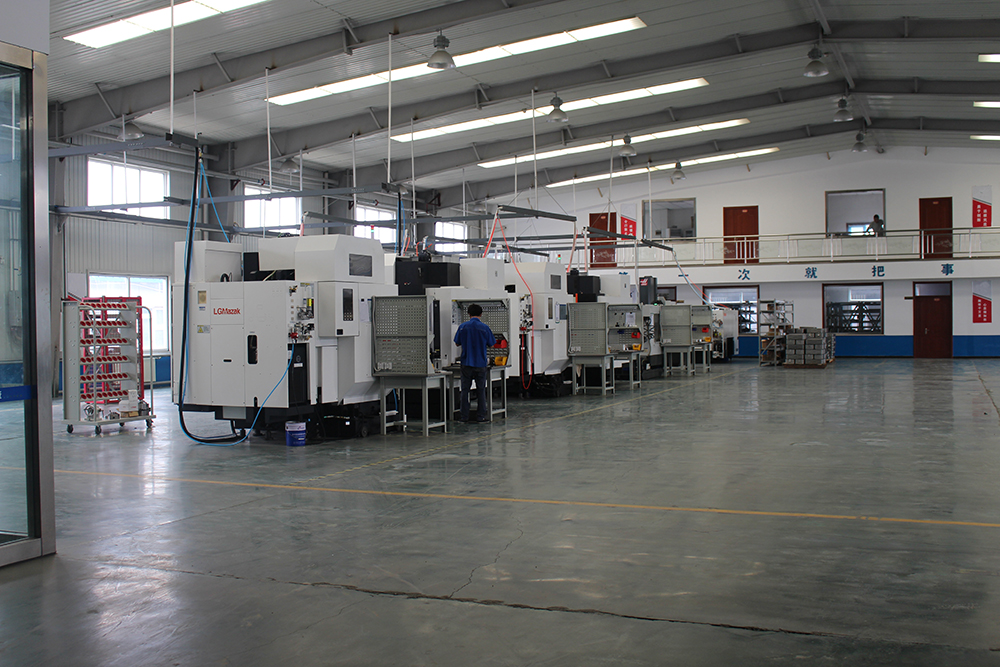
Integrated Production Ecosystems: Direct access to specialized raw material refining, high-precision multi-axis CNC machines (citizen type lathes), and medical-grade cleanroom packaging facilities within a tight geographical distance.
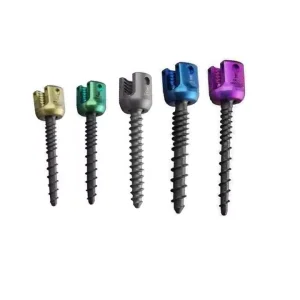
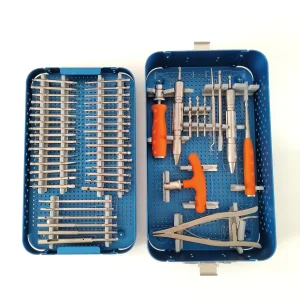
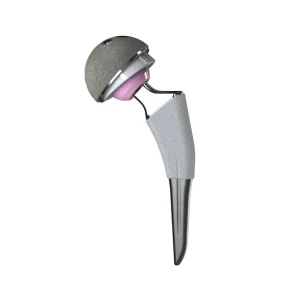
Expert Engineering Workforce: The rapid growth of local biomedical engineering hubs provides a steady pipeline of professionals experienced in manufacturing high-precision products like cementless femoral stems, thoracolumbar spine screws, and PGR (Patellar Groove Replacement) system instrument kits.
Exceptional Quality-to-Cost Performance: Advanced automation combined with optimized supply chains allows Chinese manufacturers to offer implants at a fraction of the cost of Western alternatives, without compromising material integrity.
4. Global Buyer Demands: Veterinary vs. Human Grade Implants
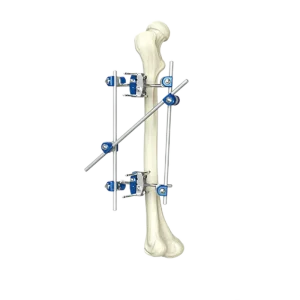
A key trend in global medical sourcing is the rising demand for high-end veterinary implants. The veterinary orthopedics sector has rapidly adopted technologies originally designed for human surgeries, such as TPLO (Tibial Plateau Leveling Osteotomy) locking systems, custom hip arthroplasty (cementless stems with Hydroxyapatite coatings), and advanced external fixators.
Purchasers must carefully assess whether a factory can handle the small-batch, highly customized requirements of veterinary orthopedics, while simultaneously maintaining the high-volume production efficiency needed for human-grade components.
Shenzhen HUL Healthcare addresses these distinct needs by providing dedicated support teams, boasting a response rate of 95.36% and answering inquiries in ≤3 hours.
5. Future Technological Horizons: Smart Implants and Biologic Integrations
Looking ahead, the orthopedic and wound closure industry is shifting toward smart and active implants. These future technologies include:
Bioactive Surface Coatings: Moving beyond standard HA (Hydroxyapatite) to incorporate osteoinductive factors that accelerate bone growth.
Biodegradable Polymeric Alloys: Temporary implants that gradually dissolve in the body as natural tissue heals, eliminating the need for a secondary removal surgery.
Minimally Invasive Instrumentation: Shifting towards specialized, pre-sterilized single-use instrument kits that minimize cross-contamination and lower overall operating room setup costs.
Manufacturer Profile & Operational Capabilities
Company Entity
Shenzhen HUL Healthcare Technology Co., Ltd. / Bopull Medical
Quality Management Standard
GB/T42061-2022 idt ISO13485:2016 Certified
Staffing & Human Capital
301 - 500 Skilled Professionals
Response Metrics
≤3 Hours Average Turnaround (95.36% Rate)
Annual Revenue Bracket
US$1 Million - US$2.5 Million
Client Loyalty Index
34% Reorder Rate
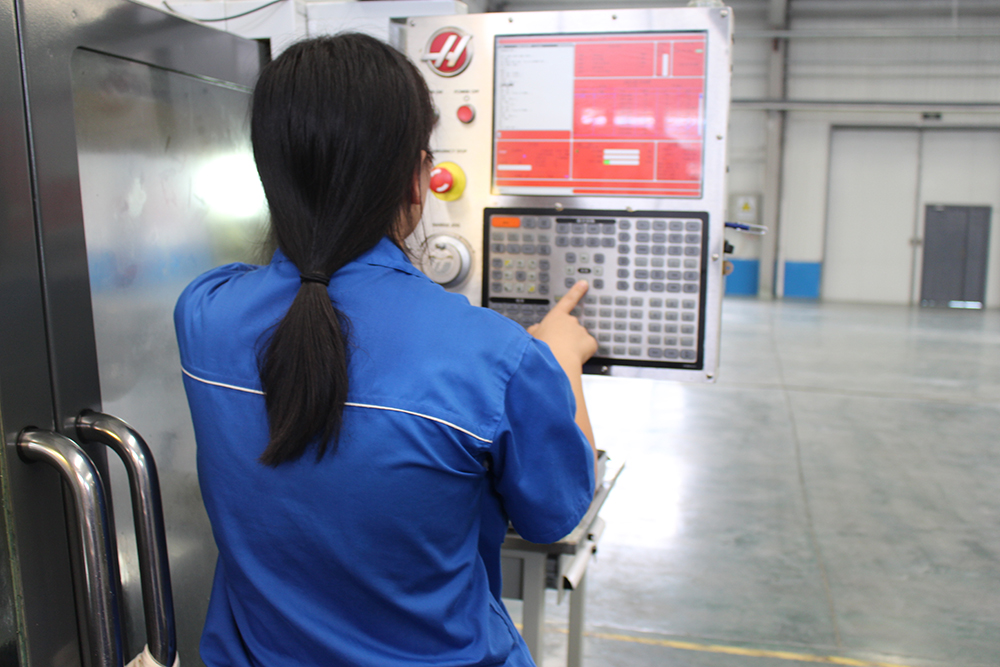
Corporate Insight: Bopull Medical operates in strict compliance with international medical device regulations. We focus on continuous product improvements to exceed client expectations. By utilizing state-of-the-art machinery alongside robust quality assurance protocols, we deliver reliable solutions to medical and veterinary markets worldwide.
Frequently Asked Questions & Buying Guides (FAQ)
What certifications should global buyers verify before purchasing wound closure devices?
Global buyers must verify that the facility maintains an active ISO 13485 certification (such as the GB/T42061-2022 idt ISO13485:2016 framework). Depending on the target market, additional requirements include CE marks under EU MDR 2017/745, FDA 510(k) clearances, and testing data showing compliance with ISO 10993 biocompatibility guidelines.
How does UHMWPE compare to standard polyester for sports medicine implants?
UHMWPE (Ultra-High-Molecular-Weight Polyethylene) provides substantially higher tensile strength, lower friction, and better fatigue life compared to standard polyester. These mechanical traits make it ideal for high-stress applications like arthroscopic reconstructions and complex bone anchoring systems.
Can you custom-manufacture orthopedic locking plates for veterinary clinical applications?
Yes. We offer extensive ODM capabilities to modify and manufacture veterinary bone plates (including TPLO plates in 2.0, 2.4, 2.7, and 3.5 sizes, cloverleaf plates, and PGR kits) to fit the unique anatomical needs of small and large animals.
What are your typical lead times and inquiry response turnarounds?
Our average inquiry response time is less than 3 hours, and we maintain an overall response rate of 95.36%. Mass-production lead times range from 30 to 45 days, depending on order size and customization requirements.
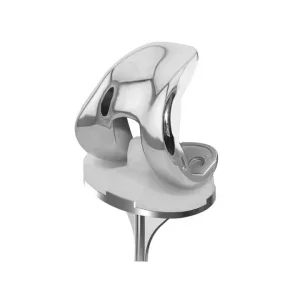
How is quality control managed for implants like spinal pedicle screws and knee joint prostheses?
We track product quality using three-dimensional coordinate measuring machines (CMM), surface roughness testers, and mechanical testing equipment (both static and fatigue). In addition, every batch of implants is cataloged with full raw material heat-code traceability.
Do you offer cementless hip stems with Hydroxyapatite (HA) coatings?
Yes, our cementless femoral stems are available with high-purity HA (Hydroxyapatite) coatings, which promote rapid biological fixation and osseointegration. This option is frequently requested for veterinary hip joint surgeries.
Are the orthopedic surgical instruments reusable?
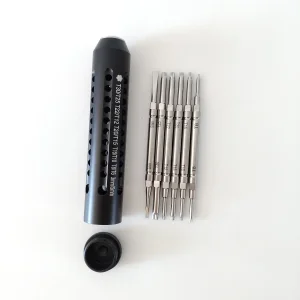
Yes, our surgical instruments—such as the broken screw removal kits, adjustable reverse drills, and quick-connector hexagonal screwdrivers—are designed with reusable, autoclave-safe medical alloys (like grade 316L and 440C stainless steel).
Advanced Surgical & Arthroscopy Instrumentation
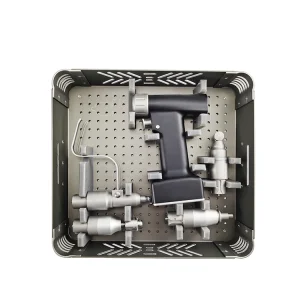
Explore our highly specialized arthroscopy components, power tools, and joint replacement implants designed for clinical environments worldwide.
 HUL Healthcare Limited