Discover our custom-engineered titanium and stainless steel instrumentation boxes optimized for clinical laparoscopy, orthopedic, and veterinary settings.
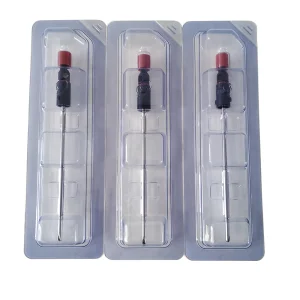
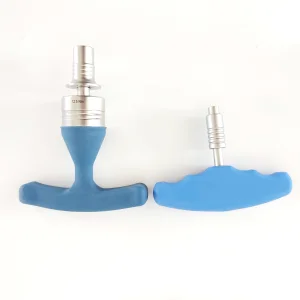
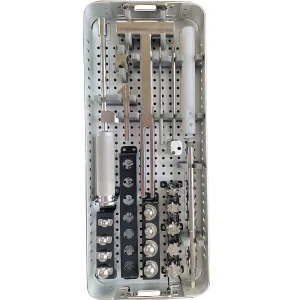
The landscape of minimally invasive surgery (MIS) has experienced rapid evolution over the past decade, placing unprecedented demands on Central Sterile Supply Departments (CSSDs). As surgical centers globally transition toward advanced endoscopic procedures, the protection of delicate, high-value optical instruments and complex articulating laparoscopy tools has become paramount. Laparoscopy trays are no longer simple metallic storage containers; they have evolved into precision-engineered containment solutions vital for sterile maintenance, sterile barriers, and longevity of valuable optical medical assets.
Across healthcare systems in North America, Western Europe, and Asia-Pacific, stricter regulatory requirements enforced by the US FDA and EU Medical Device Regulation (MDR 2017/745) are changing how surgical devices are prepared and processed. The traditional reliance on disposable sterilization wraps is declining, driven by hospital sustainability mandates and the rising cost of waste management. Modern medical facilities are pivoting toward rigid sterilization containers and dedicated laparoscopy instrument trays that deliver a validated, multi-cycle life cycle of more than 10 years.
As a premier China OEM/ODM laparoscopy trays manufacturer, HUL Healthcare Technology Co., Ltd. works at the intersection of medical engineering and regulatory compliance. Our research shows that over 82% of global procurement managers prioritize structural integrity under repetitive autoclaving cycles (134°C steam sterilization) and advanced ventilation mechanics when evaluating high-volume medical container suppliers.
A professional-grade laparoscopy tray must offer a balance of structural rigidity, lightweight handling, and efficient thermal transfer. Our manufacturing solutions utilize top-tier raw materials to ensure durability and high processing safety standards:
Utilizing high-tensile 5000 and 6000 series aluminum alloys. Our proprietary anodic oxidation layer prevents discoloration and pitting, even when subjected to alkaline detergents during mechanical washing.
For heavy-duty applications, we deploy AISI 304 and 316L medical-grade stainless steel wire meshes. Advanced passivation treatment eliminates free iron, yielding outstanding corrosion resistance.
Custom-molded silicone brackets and mats withstand temperature extremes up to 140°C. They are engineered to absorb vibrations during transport and prevent surgical instrument movement.
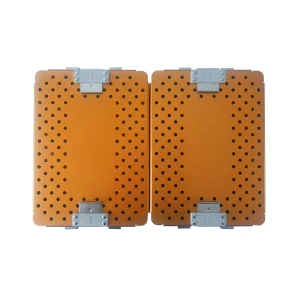
The key challenge in sterilizing laparoscopic instruments—especially long lumens and fiber-optic cables—is eliminating air pockets. Our tray models feature optimized perforation geometry, achieving a ventilation-to-solid ratio of over 42%. This engineered spacing promotes steam circulation, reduces drying times, and prevents condensates that lead to water spots and bacterial growth.
Hospital networks and medical device OEM brand owners operate under strict procedural frameworks. General hospital procurement focuses on CSSD compatibility, ensuring trays fit standard sterilization containers (e.g., full-size, 3/4-size, half-size). Alternatively, medical device manufacturers require highly customized interior brackets tailored to fit proprietary laparoscopy, arthroscopy, or spine surgical kits.
At Shenzhen HUL Healthcare Technology (Bopull medical), we address these diverse requirements through a structured design and manufacturing workflow:
Operating globally as an export-focused surgical instrumentation and sterilization container partner, HUL Healthcare Technology operates in compliance with strict international medical standards. We maintain a GB/T42061-2022 idt ISO13485:2016 quality management system. This ensures that every phase of manufacturing—from raw material receipt to chemical polishing and packaging—is traceable and meets standard documentation demands for international customs.
Working with global trading partners and hospital networks, we understand the importance of quality documentation. We provide comprehensive validation assistance, including cleanability certificates, biocompatibility certifications for medical-grade silicone components, and chemical resistance datasheets. This complete support package simplifies local hospital validation and regulatory filing processes across North American and European jurisdictions.
The future of sterile processing is heading toward digitized asset management. As smart hospitals implement Real-Time Locating Systems (RTLS), surgical trays are incorporating RFID tags and matrix barcodes. Our next-generation design roadmap includes dedicated slots for high-temperature resistant RFID microchips, enabling automated inventory and sterilizing cycle count logs. This helps track sterilization cycles, prevent instrument loss, and optimize hospital CSSD workflows.
Simultaneously, we are testing lightweight composite materials that deliver the strength of metal with the light weight of polymers. These hybrid designs aim to reduce overall weight, helping surgical personnel manage instrument transport while maintaining reliable heat resistance.
Shenzhen HUL Healthcare Technology Co., Ltd. (Bopull Medical) runs a highly integrated manufacturing setup designed to support complex custom orders.
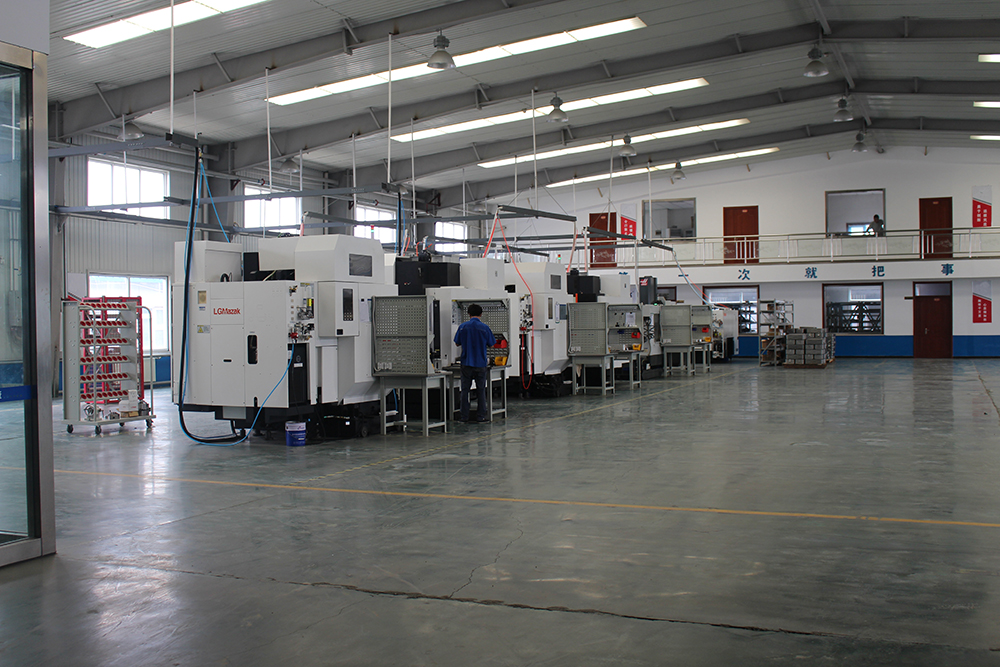
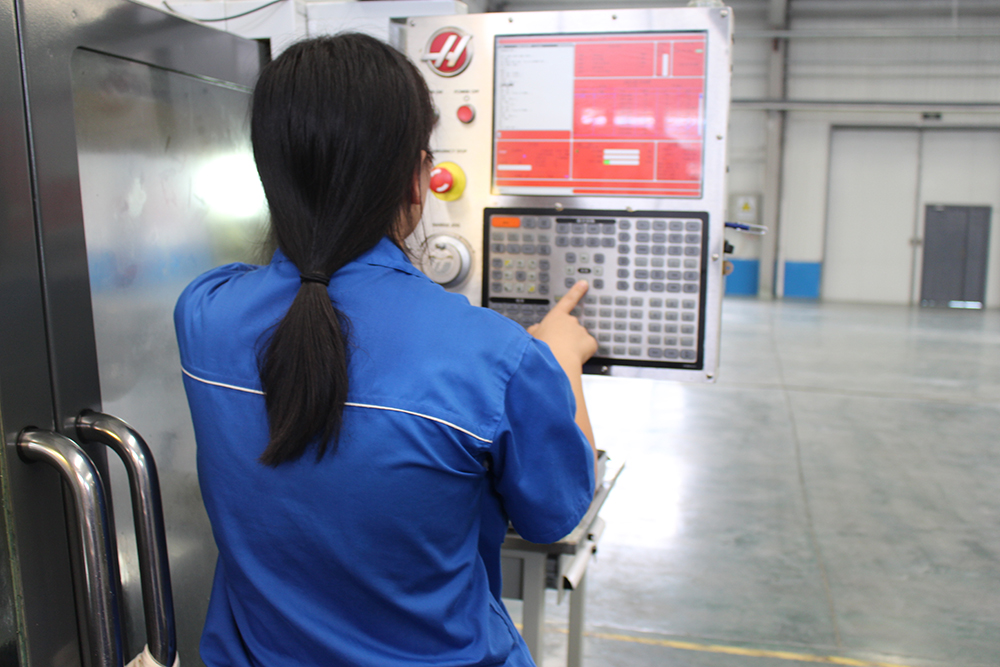
Bopull Medical operates under structured legal, regulatory, and international framework standards. We are certified to GB/T42061-2022 idt ISO13485:2016 for quality management, focusing on consistent product quality and responsive service. Through advanced production tooling and engineering technology, we support demanding global medical container standards and customize products to align with client expectations.
Technical and regulatory answers regarding our laparoscopy and orthopedic sterilization tray systems.
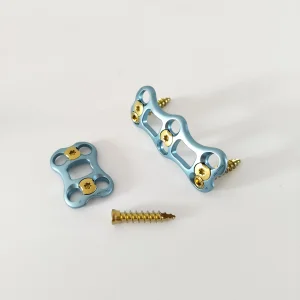
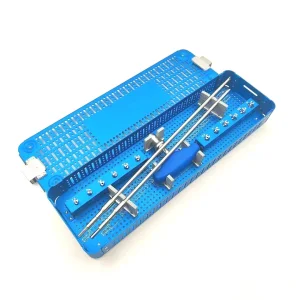
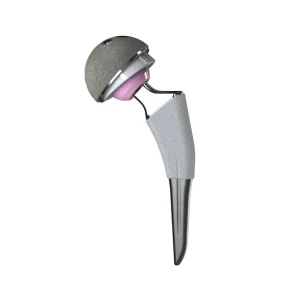
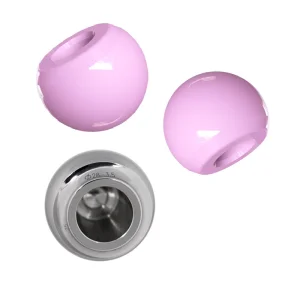
Explore our technical-grade orthopedic instrumentation, spine fixator plates, and veterinary hip replacement sets.
 HUL Healthcare Limited