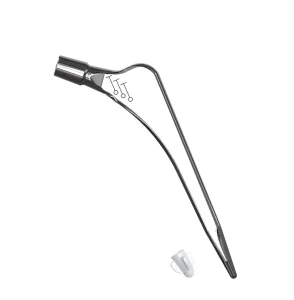
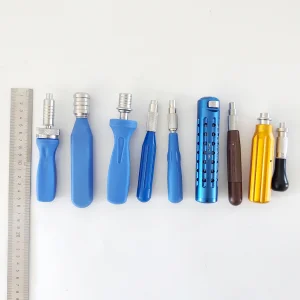
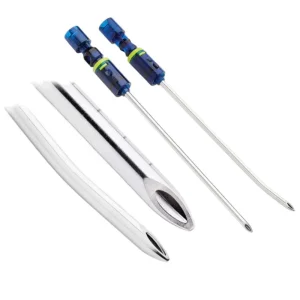
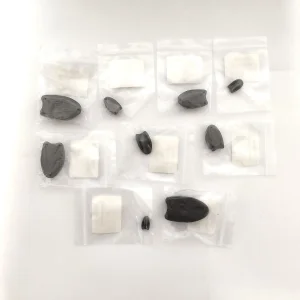
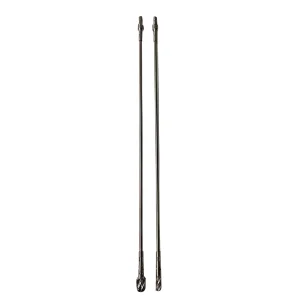
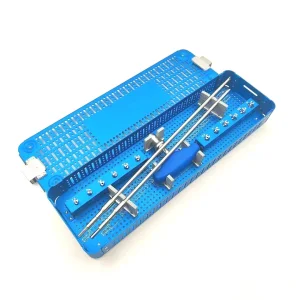
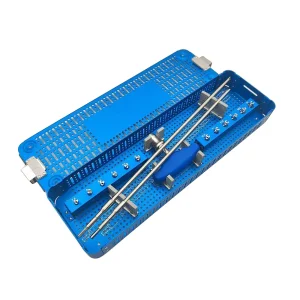
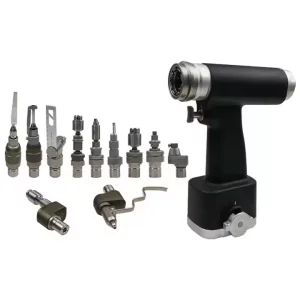
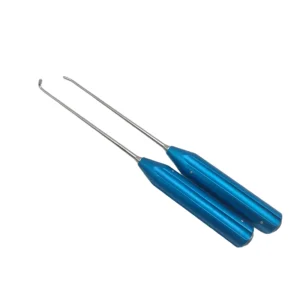
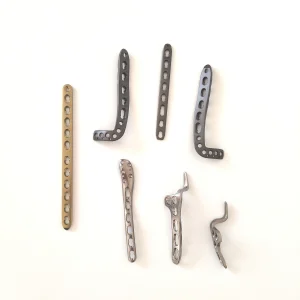
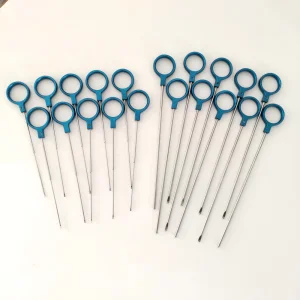
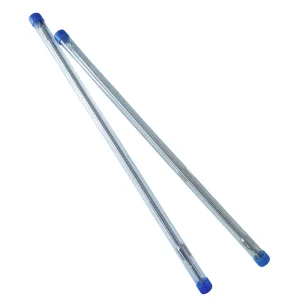
High-precision orthopedic tooling, flexible reamers, and implant systems designed for rapid intraosseous access and clinical efficiency.
The shift toward emergency vascular access inside the medullary cavity is revolutionizing trauma and critical care systems globally.
Intraosseous (IO) access has evolved from a secondary pediatric backup protocol into a primary standard of care for adult emergency medicine, combat casualty management, and anesthesia protocols worldwide. By targeting the non-collapsible venous plexus situated inside the long bone medullary cavity, IO devices permit direct, rapid entry into the systemic circulation. When peripheral intravenous (IV) cannulation fails during hypovolemic shock, cardiac arrest, or thermal trauma, IO insertion ensures drug and fluid delivery times comparable to central venous line placement but with a fraction of the setup latency.
From a global market perspective, the demand for medical-grade IO needles, driver mechanisms, and trauma kits is growing at a compound annual growth rate (CAGR) of over 6.2%. The rapid proliferation is driven by:
Manufacturers are tasked not only with raw component fabrication but also with meeting strict regulatory frameworks (including US FDA clearance and European Union Medical Device Regulation - EU MDR). Precision engineering, material biosecurity, and risk mitigation are critical components of the OEM supply chain.
Technical capabilities, mechanical drivers, and custom needle assembly configurations designed for extreme durability and penetration precision.
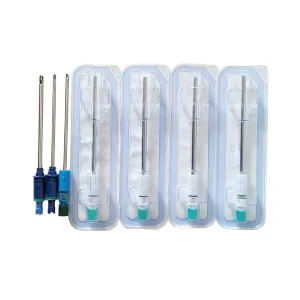
We construct IO needle assemblies using high-tensile 304 or 316L surgical stainless steel. Custom configurations are available for pediatric (15mm), adult proximal tibia (25mm), and obese adult/humeral head (45mm) applications, guaranteeing high resistance to buckle and flex forces.
Featuring proprietary magnetic and mechanical locking patterns, our adapters fit most standard battery-powered or hand-crank drill systems. Designed to transfer rotational torque efficiently while minimizing wobble or vibration during cortical bone penetration.
Each custom needle set integrates a micro-matched stylet inside the primary delivery cannula. This ensures zero core tissue collection or plug formation, leaving the internal catheter lumen unobstructed for optimal fluid flow rates immediately post-insertion.
How Shenzhen HUL Healthcare Technology (Bopull Medical) bridges the gap between state-of-the-art tooling and international cost competitiveness.
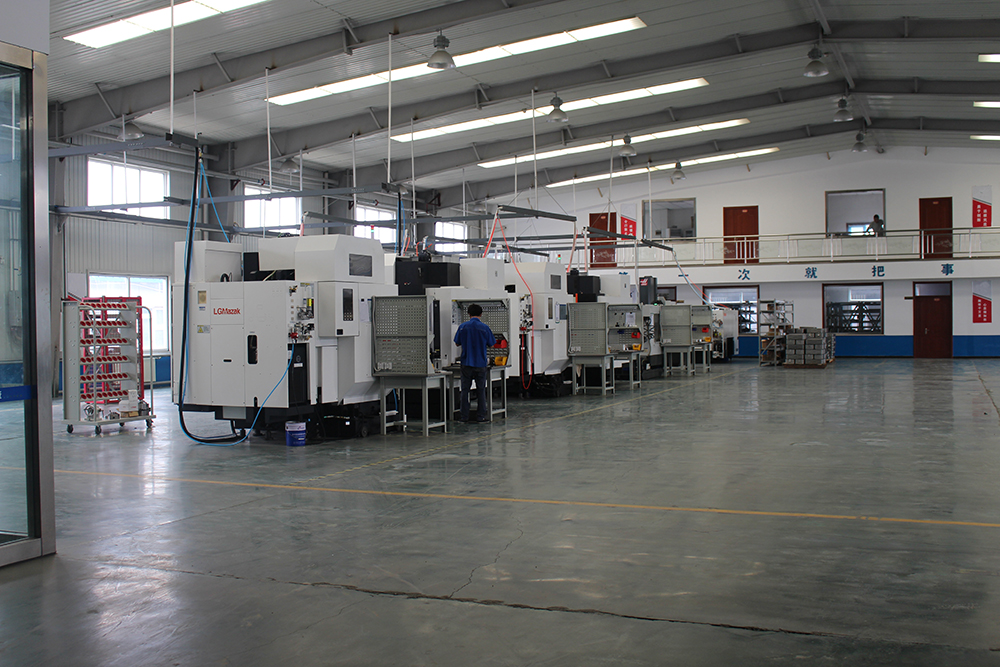
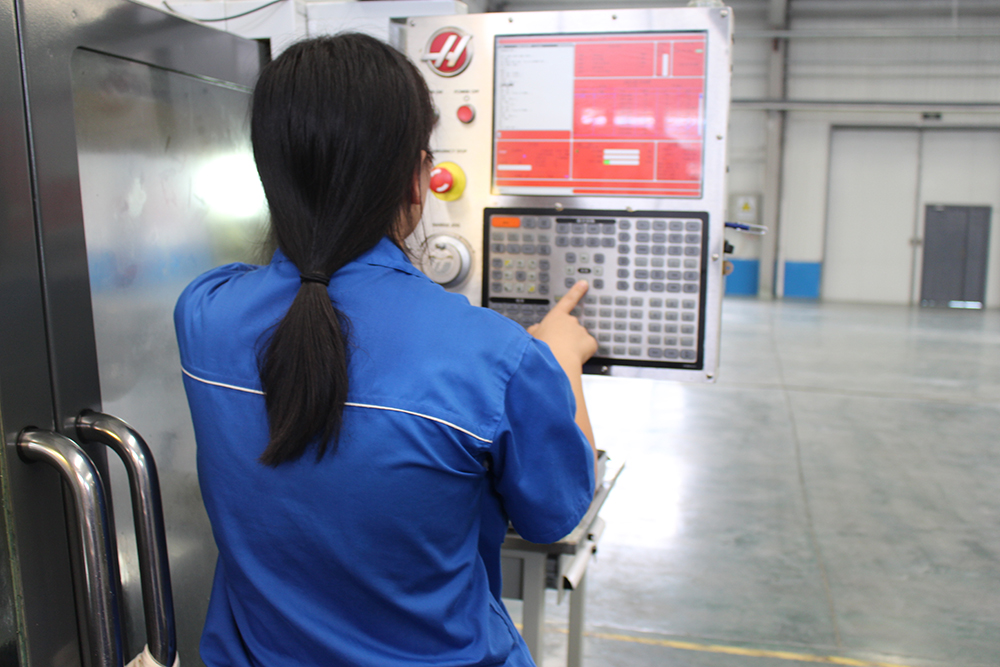
Located in the heart of China’s advanced medical hardware manufacturing cluster, Shenzhen HUL Healthcare Technology Co., Ltd. (operating as Bopull Medical) leverages a mature supply ecosystem to produce surgical and vascular access tools. Combining state-of-the-art Swiss CNC turning centers with automated visual inspection setups, we deliver high-tolerance needles and drivers at lower production costs compared to Western facilities.
Our structural advantages include:
Providing specialized access configurations designed for the challenges of various medical disciplines.
In civilian EMS, first responders encounter critical situations like cardiac arrest or severe shock. Manual and battery-powered IO drivers allow paramedics to establish a direct pathway for fluid resuscitation and emergency pharmacology in seconds, bypassing collapsed peripheral veins.
Under active combat conditions, fast vascular access is critical. Tactical combat casualty care (TCCC) kits utilize ruggedized, manual mechanical IO systems designed for humeral or sternal access, helping save lives under tough environmental conditions.
Custom nitinol reamers, pediatric bone plates, and torque-limiting handles are critical in veterinary and specialized orthopedic surgical departments. From canine patellar groove replacement to complex equine fracture stabilizations, custom tooling ensures bone integration success.
Staying ahead of medical device market shifts to keep your brand at the forefront of innovation.
The intraosseous medical device landscape is evolving beyond basic manually inserted needles. Leading industry trends include:
By partnering with Shenzhen HUL Healthcare Technology (Bopull Medical), OEM brands gain access to advanced engineering capabilities, keeping their product portfolios aligned with modern medical developments.
Transparent corporate infrastructure, certification metrics, and commercial capability profiles for procurement managers.
| Company Name | Shenzhen HUL Healthcare Technology Co., Ltd. (Bopull Medical) |
| Core Quality Management System | GB/T42061-2022 idt ISO13485:2016 International Quality Standard Certification |
| Business Type | Trading Company with highly integrated factory alliances and engineering control |
| Total Annual Revenue | US$1 Million - US$2.5 Million |
| Active Staff | 301 - 500 People (Including R&D and QA testing divisions) |
| Operational Headquarters | Beijing, China |
| Strategic Sourcing Services | OEM Customized Design, Mechanical Prototyping, Laser Etching, Custom Blister Pack Sterile Solutions |
Key considerations when establishing custom medical hardware supply channels in Asia.
Procuring custom medical devices like intraosseous kits, spinal pedicle screws, and arthroscopic shavers requires balancing technical design with strict quality control. Purchasing directors should prioritize:
Answers to common regulatory, mechanical, and logistical questions from global buyers.
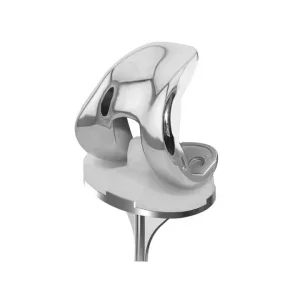
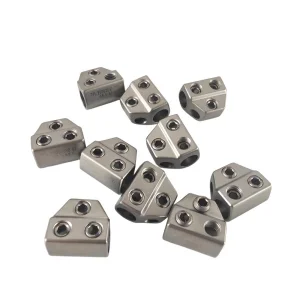
Premium replacement implants, arthroscopic shaver attachments, and spinal fixation instruments built to high engineering tolerances.
 HUL Healthcare Limited