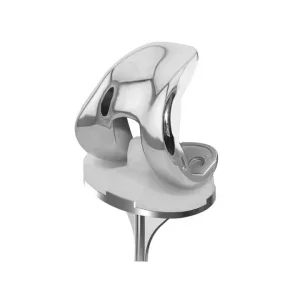
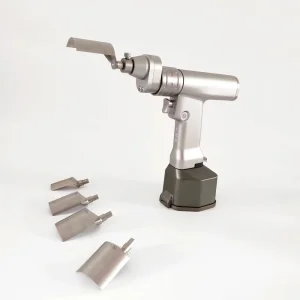
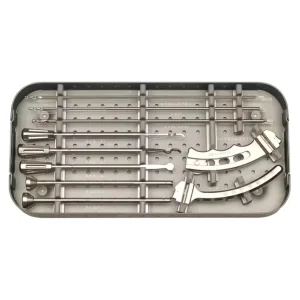
Engineered for absolute structural integrity, ergonomics, and seamless operating room integration.
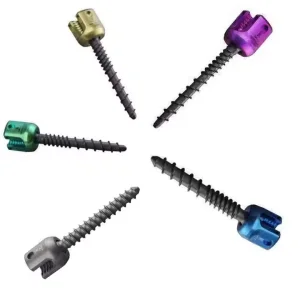
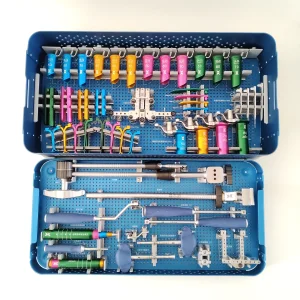
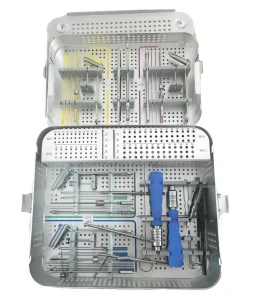
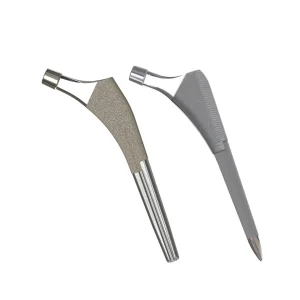
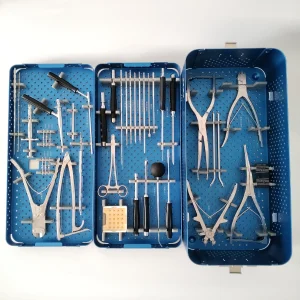
Operating dynamically under the internationally recognized brand Bopull Medical, our enterprise stands as a premier medical equipment innovator and manufacturer. Strategically based in Beijing and Shenzhen, China, we operate with a dedicated team of 301 to 500 medical manufacturing specialists. Our focus centers on delivering next-generation OEM/ODM services for specialized surgical support instruments, orthopedic implants, and patient positioning systems.
Certified under the strict mandates of GB/T42061-2022 idt ISO13485:2016, Bopull Medical guarantees global regulatory compliance, superior material traceability, and advanced biomechanical engineering. By combining advanced clean-room manufacturing capabilities with an agile engineering workforce, we solve the complex technical challenges faced by global surgical distributors, hospitals, and medical device importers.
Bridging the gap between anatomical safety and surgical optimization during complex procedures.
Intraoperative positioning aims to minimize localized pressure points that lead to pressure injuries (PIs). High-density viscoelastic gel polymers and multi-layered polyurethane foams redistribute body weight across larger areas, preventing tissue ischemia and deep tissue damage.
Modern intraoperative workflows depend heavily on fluoroscopy, C-arms, and real-time CT imaging. Custom OEM positioners use radiolucent materials such as carbon fiber composite cores and advanced polymers to ensure artifact-free visualization of critical bone structures.
Whether performing prone spine operations, lateral decubitus hip replacements, or lithotomy procedures, rigid anatomical stabilization prevents micro-motions that compromise orthopedic alignment. Customized positioners provide optimal traction and joint distraction interfaces.
Inside the production ecosystem: converting advanced polymer formulations into clinical-grade positioning solutions.
At Bopull Medical, we treat patient positioning design as a rigorous engineering challenge. We don't just shape foam; we model structural interfaces based on human anatomy, pressure mapping, and surgical exposure requirements. Our engineering team uses 3D CAD modeling, FEA (Finite Element Analysis) stress simulations, and CNC-driven rapid prototyping to design patient positioners that match surgical table configurations.
Our core manufacturing strengths lie in our advanced processing of specialized materials:
| Parameter | Standard Range | OEM Capabilities |
|---|---|---|
| Gel Density | 0.95 - 1.05 g/cm³ | Customized viscoelastic profiles |
| Foam Hardness | 30 - 65 Shore C | Multi-layer density configuration |
| Biocompatibility | ISO 10993 Compliant | Cytotoxicity & Sensitization tested |
| Radiolucency | <0.5 mm Al equivalent | Artifact-free carbon fiber cores |
| Disinfection Limit | Hosp. Grade Disinfectants | Chemical resistant PU/Silicones |
Why leading global medical brands trust HUL Healthcare for scaled production and raw material stability.
Our strategic locations in Beijing and Shenzhen provide us with direct access to advanced medical-grade polymer hubs. This allows us to source, blend, and process raw materials locally, minimizing supply chain blockages and keeping material costs stable.
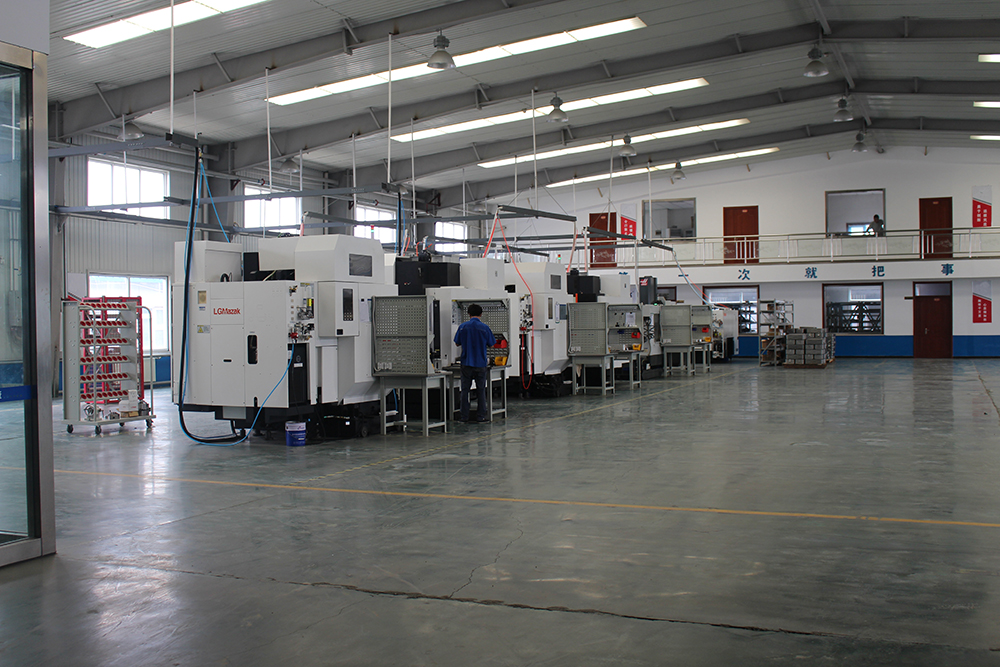
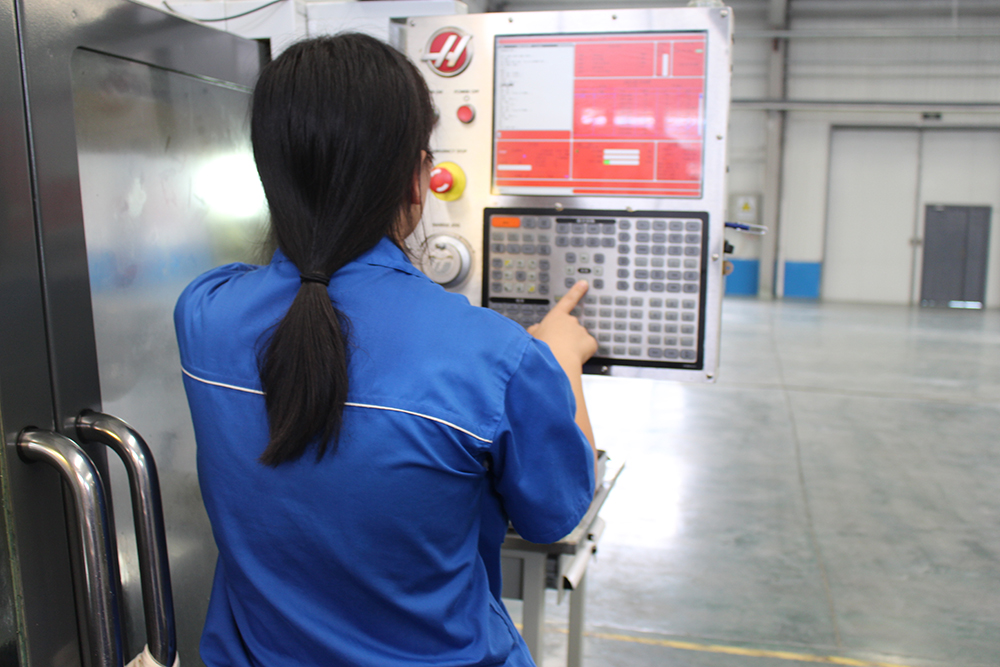
We operate automated CNC contour-cutting machinery, high-pressure injection molding equipment, and multi-axis machining tools. These internal capabilities allow us to switch production from pediatric positioners to bariatric spinal systems without long setup delays.
Our combined facility footprint allows us to support high-volume manufacturing runs for major medical distributors while offering cost benefits. We deliver customized medical systems that help our global clients achieve higher operating margins.
Helping B2B buyers evaluate critical aspects of risk management, quality control, and vendor validation.
Global distributors must confirm compliance with FDA Class I, MDR (EU) 2017/745, and ISO 13485:2016 standards. Bopull Medical supports registration processes by providing complete technical documentation, biocompatibility test files, and quality management declarations.
Under the ISO 13485 framework, every batch of polyurethane foam, dry gel, or carbon fiber core must be fully traceable back to its raw material batch. Our rigorous record-keeping processes prevent product recalls and ensure consistent performance across production cycles.
Cross-contamination control in the operating room requires positioners to feature hermetically sealed seams (ultrasonically welded or sealed using high-frequency methods) that prevent fluid ingress. This design allows devices to withstand frequent exposure to hospital disinfectants.
Specialized positioning setups designed to enhance patient safety and support surgeon access.
In spinal surgeries like posterior lumbar fusions, our contoured chest rolls and hip pads maintain natural lordosis, reduce abdominal pressure, and prevent vena cava compression. Our headrests protect the eyes and face while ensuring clear access for endotracheal tubes.
Lateral positioning requires secure pelvic stabilization without placing excessive pressure on the femoral nerve or bony structures. Our lateral positioner pads lock patients into place, enabling accurate orthopedic targeting and implant insertion.
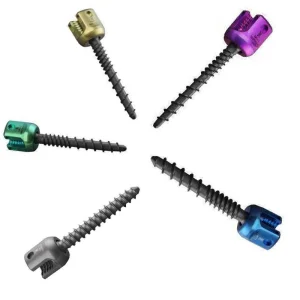
Veterinary bone procedures require unique patient shapes and sizes. Our specialized veterinary positioners provide stable, multi-angle support, facilitating effective screw, plate, and surgical instrument placement during complex animal surgeries.
How new technologies, materials, and clinical workflows are shaping the next generation of medical positioning products.
Global environmental standards are driving a shift toward renewable raw materials. Next-generation medical positioners are beginning to incorporate plant-based polyurethane structures and recyclable thermoplastic elastomers (TPE). These materials maintain key performance characteristics like elasticity, pressure redistribution, and chemical resistance while reducing carbon footprints.
The integration of flexible pressure sensors into patient positioners is transforming operating room safety. These sensors map real-time pressure distribution during surgery and alert nursing staff when local interface pressures cross critical thresholds, helping prevent long-term nerve injuries.
Direct answers to the regulatory, material, and logistical questions frequently asked by B2B buyers.
We follow the GB/T42061-2022 / ISO 13485:2016 Quality Management System standards at every step of production. Every manufacturing phase, from raw material inspection and CNC contour cutting to polyurethane skin welding and final packaging, is fully documented. Our QA department performs routine audits to ensure consistent batch quality and complete material traceability.
We combine high-resiliency viscoelastic foam cores with protective polyurethane outer skins. The foam cores distribute patient weight evenly, while the polyurethane skins block fluid ingress. Seams are sealed using high-frequency welding to prevent moisture, blood, or prep solutions from contaminating the foam interior, ensuring the device can be repeatedly disinfected.
For custom OEM projects, we develop 3D CAD models and select materials based on your requirements. Once design specifications are finalized, initial prototypes are manufactured and shipped for evaluation within 7 to 15 business days, depending on the complexity of the design and tooling.
We provide comprehensive export documentation, including Bills of Lading, Certificates of Origin, detailed Commercial Invoices, and ISO compliance declarations. Our logistics department coordinates shipping terms (FOB, CIF, DDP) directly with your freight forwarders, helping minimize transit delays.
Yes, our positioners designed for imaging workflows are made without metal components. We use advanced high-density foams, specialty polymers, and optional structural carbon fiber cores to ensure maximum radiolucency with minimal attenuation and zero image artifacts.
Our MOQs are flexible and vary depending on the tooling required. For standard shapes with minor customizations, we can support small trial runs. For custom-molded gel products or specialized composite boards, we work with you to establish reasonable MOQs based on raw material batch requirements.
Discover our wider selection of surgical table systems, implants, and specialty veterinary instruments.
 HUL Healthcare Limited