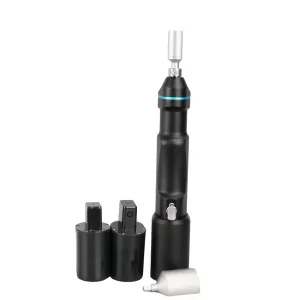
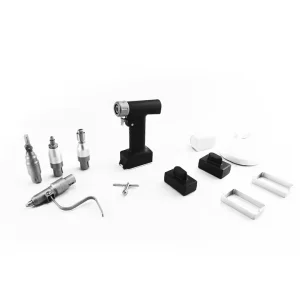
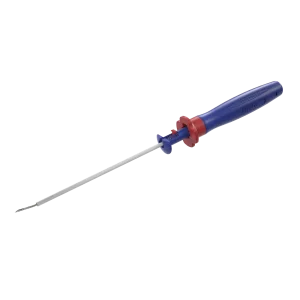
Explore our premium clinical & veterinary instrument configurations, optimized for structural integrity and high-precision spine biomechanics.
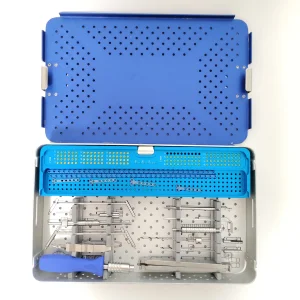
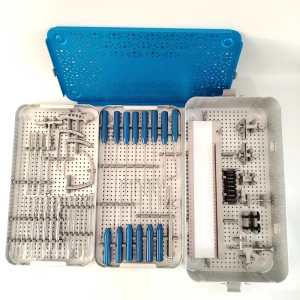
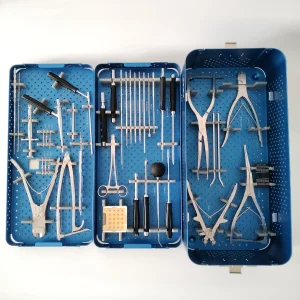
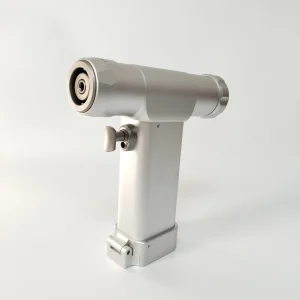
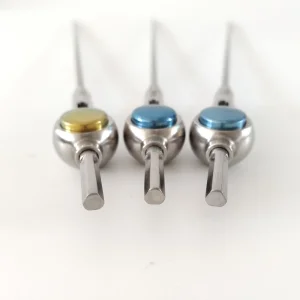
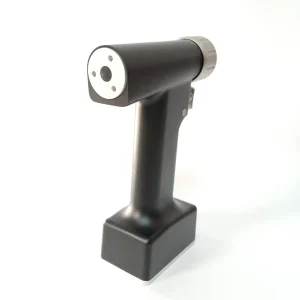
Operated by Shenzhen HUL Healthcare Technology Co., Ltd. (Bopull Medical), our facilities deliver high-precision manufacturing compliant with international medical standards.
Bopull Medical has been operating in strict accordance with statutory laws, regulations, and international guidelines. Having obtained the prestigious GB/T42061-2022 idt ISO13485:2016 quality management system certification, we dedicate our technical infrastructure to solving complex structural and material engineering challenges for global medical brands. With an annual revenue spanning US$1 Million to US$2.5 Million and our manufacturing hub based in Beijing, China, we combine youth-driven innovation with senior metallurgical expertise to deliver products that consistently surpass client expectations.
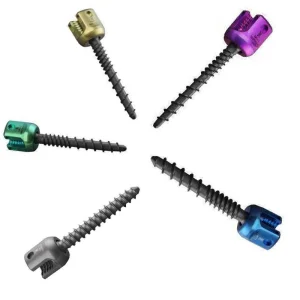
The spinal column is one of the most biomechanically demanding structures in the human body. As a leading custom OEM spine implant manufacturer, we recognize that engineering implants for spinal applications requires deep material science knowledge and extreme precision. Every pedicle screw, posterior cervical fixation plate, and interbody fusion cage must withstand significant dynamic loading, rotational stress, and axial compression.
Our manufacturing processes utilize biocompatible titanium alloys (such as Grade 5 Ti-6Al-4V ELI) and PEEK (Polyetheretherketone) polymers to achieve optimal osseointegration and modulus of elasticity matching native bone. By leveraging raw material traceability and advanced CNC Swiss machining, we guarantee that all OEM products maintain tight tolerances up to ±0.005mm.
Whether producing human posterior thoracolumbar systems or custom veterinary orthopedic sets, our adherence to ISO 13485:2016 standards ensures zero-defect quality control. Our collaborative engineering loop transforms initial clinical drawings into sterile, market-ready implants designed to minimize risk and maximize surgical success.
How we are integrating next-generation material science and smart mechanics into the production line.
We are transitioning custom spinal cage production towards Electron Beam Melting (EBM) and Direct Metal Laser Sintering (DMLS). This allows us to manufacture complex, porous geometries that mimic trabecular bone structure, vastly improving early stage osseointegration.
To reduce bacterial colonization and enhance bone-to-implant contact, we apply advanced acid etching, anodic oxidation, and hydroxyapatite (HA) plasma spraying. These surface modifications are standard in our OEM spine product catalog.
The next decade of spine surgery relies on real-time data. We are investing in R&D for embedding passive strain sensors and micro-telemetry devices directly within custom pedicle screws to monitor fusion progress post-op.
Bridging the gap between engineering design, global regulatory compliance, and localized execution.
Our engineers perform finite element analysis (FEA) to simulate dynamic physiological loads. All prototypes undergo physical testing based on ASTM F1717 and ASTM F2077 standards (axial compression, static torsion, and fatigue testing up to 5 million cycles).
We source raw materials exclusively from certified medical-grade suppliers. Every batch of Titanium or PEEK-OPTIMA is accompanied by chemical analysis certificates and mechanical test records, guaranteeing clinical-grade material integrity.
We support scaling healthcare startups and established distributors alike. With low minimum order quantities (MOQs) for trial batches, we help clients run clinical trials without heavy upfront capital investments.
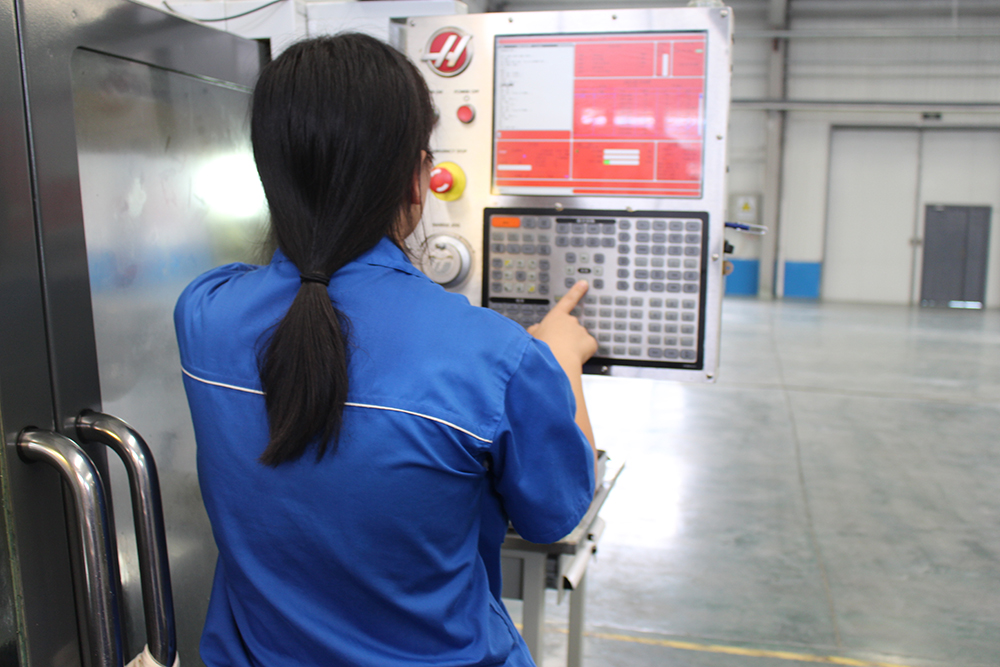
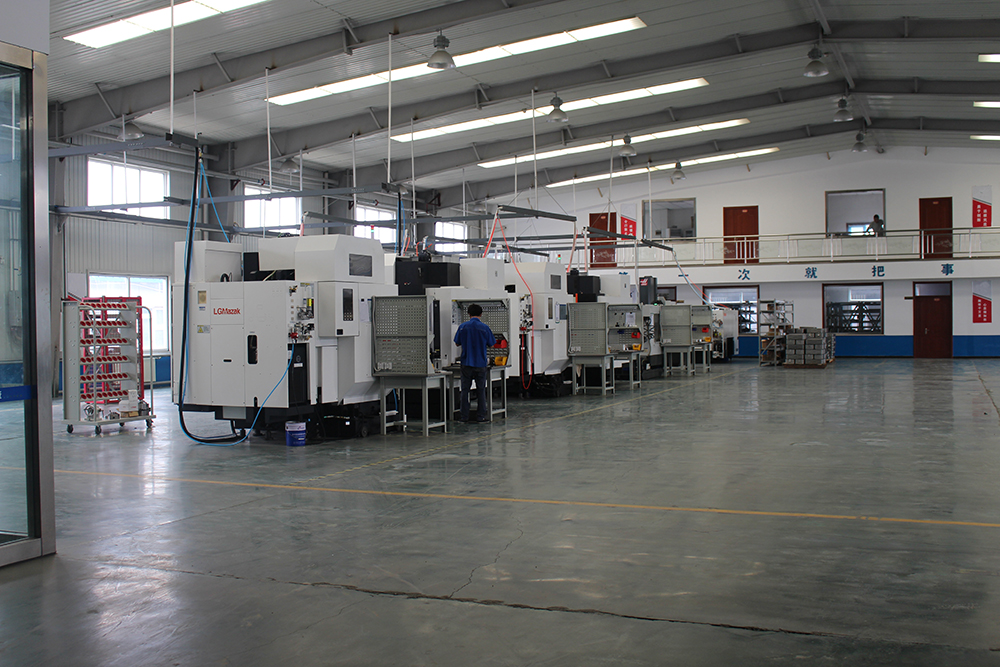
Sourcing spine implants from China offers significant supply chain resilience when managed through a highly certified manufacturer like Bopull Medical. Our facility integrates Industry 4.0 practices, including automated multi-axis precision machining, digital inspection projectors, and centralized ERP tracking.
By consolidating our raw material network and optimizing production steps, we mitigate geopolitical supply shocks. This enables us to maintain stable lead times and offer competitive pricing. With 301 to 500 dedicated employees, our production volume easily accommodates high-capacity demands while ensuring a 95.36% response rate for custom requests.
Additionally, our strict adherence to GB/T42061-2022 (equivalent to ISO 13485:2016) guarantees that our manufacturing quality aligns with European MDR and US FDA regulations. Global clients benefit from optimized manufacturing costs without compromising clinical efficacy or patient safety.
Ensuring cross-border medical device registration success through comprehensive technical documentation support.
We provide complete documentation, including ISO certifications, biocompatibility reports (ISO 10993), sterilization validation, and risk management files (ISO 14971), simplifies your regional CE or FDA approval process.
Leveraging over 3 years of trade and logistics experience, we manage all international documentation and freight routing. This ensures your customized implants pass custom clearances efficiently and arrive on schedule.
Our dedicated engineering and sales teams speak fluent English and possess rich clinical backgrounds. We are available within a ≤3-hour window to resolve any technical queries regarding product design or material specifications.
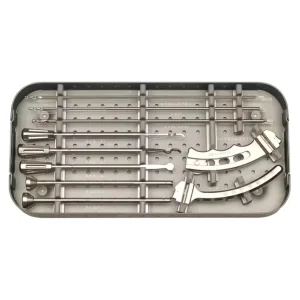
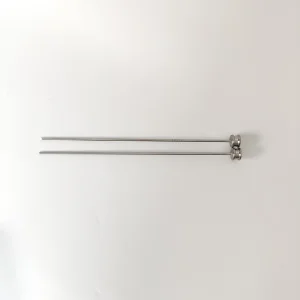
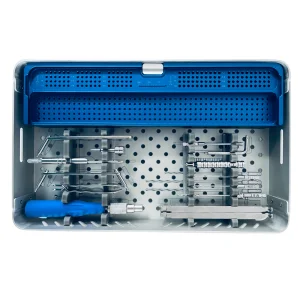
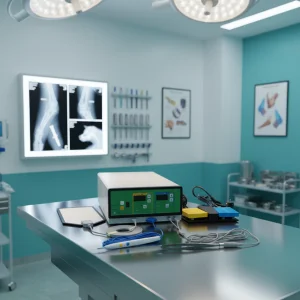
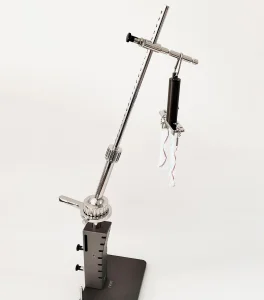
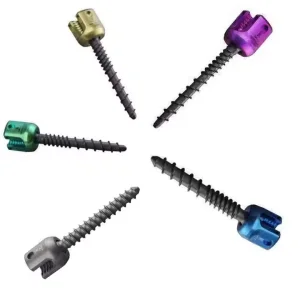
Our comprehensive selection of spine pedicle screws, thoracolumbar fixation platforms, and specialized orthopedic access systems.
Answers to crucial compliance, manufacturing capacity, and engineering design questions from global procurement directors.
 HUL Healthcare Limited