Explore our precision-engineered veterinary surgical tools, trauma implants, and specialized locking plates designed for heavy sterilization cycles.
In modern clinical environments, the structural and chemical durability of surgical systems during high-frequency cleaning, sterilization, and autoclaving is a fundamental component of patient safety. As a leading medical device supplier, Shenzhen HUL Healthcare Technology Co., Ltd. (operating as Bopull Medical) designs and supplies trauma implants, micro-neurosurgical instrumentation, and veterinary orthopedic kits that consistently withstand rigorous sterilization techniques. Achieving sterilization integrity requires careful attention to material science, design for disassembly, and structural validation.
Whether utilizing saturated steam under pressure (steam autoclaving), chemical gas sterilization (Ethylene Oxide), or low-temperature hydrogen peroxide gas plasma, medical instruments must resist corrosion, degradation, and material fatigue. By integrating strict design verification controls, advanced CNC manufacturing, and robust passivation processes, our OEM manufacturing pipelines yield medical devices that preserve critical clearances and functional performance over thousands of reprocessing cycles.
The choice of medical-grade raw materials directly affects a surgical device's resistance to corrosion and structural failure. At Bopull Medical, our materials are selected for their high strength-to-weight ratios, biocompatibility, and chemical inertness under heat and moisture:
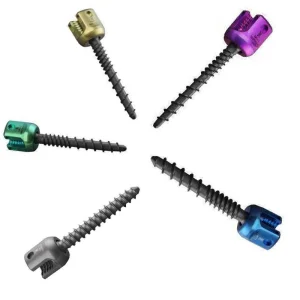
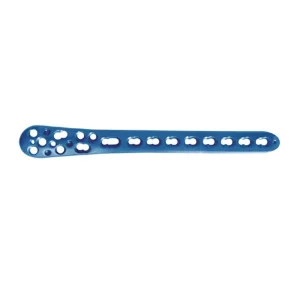
Widely utilized for osteosynthesis plates, locking screws, and joint prostheses. Grade 5 titanium offers exceptional fatigue resistance and naturally forms a protective oxide layer that resists chloride-induced crevice corrosion during sterilization.
Instruments requiring high hardness, torque resistance, and sharp cutting edges (such as reamers, drills, and osteotomes) are constructed from medical-grade 316L, 440C, or 17-4 precipitation-hardening stainless steels.
Used for surgical sterilization trays, instrument handles, and organizing brackets. Radel (PPSU) and PEEK provide dimensional stability at temperatures exceeding 134°C, along with strong resistance to cleaning chemicals.
To prevent rust and oxidation on stainless steel instruments, our facility performs chemical passivation processes. In compliance with ASTM A967 standards, we treat newly machined parts with controlled citric or nitric acid solutions. This process selectively removes free iron from the surface of the metal, creating a thin, chromium-rich passive layer. This micro-barrier prevents oxidation when exposed to moisture and oxygen during high-temperature steam cycles, protecting the underlying alloy from localized pitting and crevice degradation.
As healthcare procedures advance, sterilization methodologies are evolving to handle complex hybrid surgical systems, micro-electronics, and patient-specific implants. Our research and development focuses on three primary operational pathways:
Traditional steam autoclaving can degrade heat-sensitive sensors, optical fibers, and delicate polymer elements. Low-temperature gas plasma technologies process instruments at temperatures below 55°C. We design custom composite instruments using high-performance polymers and specialized surface coatings to ensure they are compatible with these low-temperature cycles without undergoing material degradation.
The future of clinical tray management centers on real-time tracking and cycle logging. We are integrating high-temperature-resistant RFID chips and matrix barcoding directly onto our surgical trays and instrument handles. This enables hospital central sterile supply departments (CSSD) to automate tracking, monitor usage counts, and maintain detailed sterilization logs for each tool.
For single-use packaged components, Ethylene Oxide remains an important sterilization modality. We optimize packaging configurations to support efficient gas penetration and residue evacuation. This shortens aeration cycles and minimizes chemical residues, ensuring safety and compliance with international environmental guidelines.
Advanced orthopedics is no longer restricted to human medicine. The global veterinary sector requires high-precision implants and surgical instruments designed for companion animals and equine applications. Veterinary clinics often experience high surgical throughput and operate with smaller clinical teams, making easy-to-use, reliable surgical kits essential.
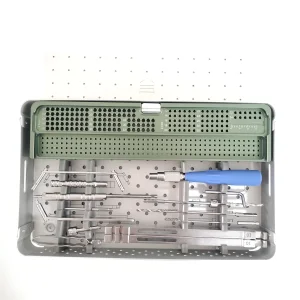
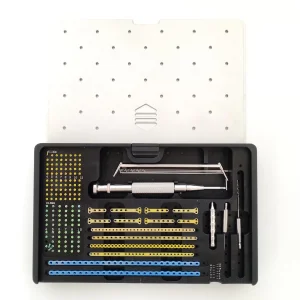
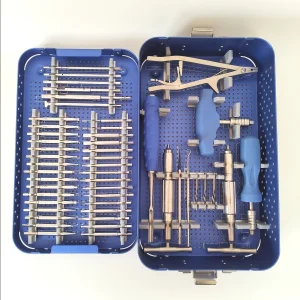
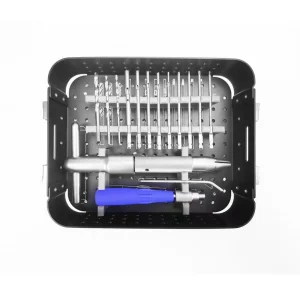
Bopull Medical designs human-grade sterilization and surgical instrument kits tailored for veterinary orthopedic procedures. For example, our Tibial Plateau Leveling Osteotomy (TPLO) instrument sets feature specialized saw blades, bone clamps, and dynamic locking compression plates. These components are organized inside structured, steam-penetrable anodized aluminum trays that facilitate rapid steam access, even drying, and organized storage, supporting efficient clinical prep and setup.
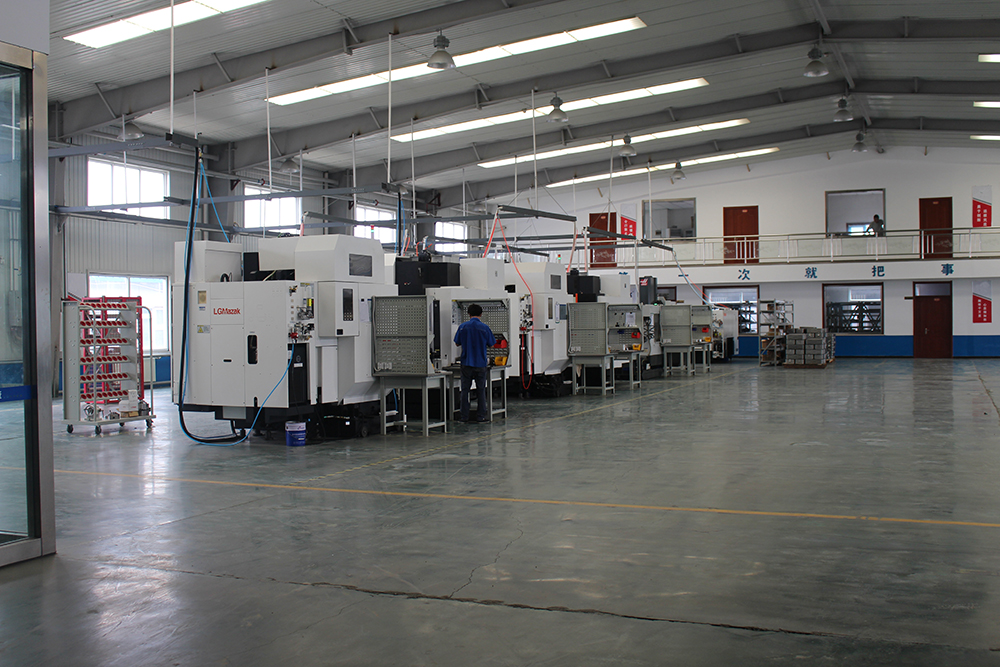
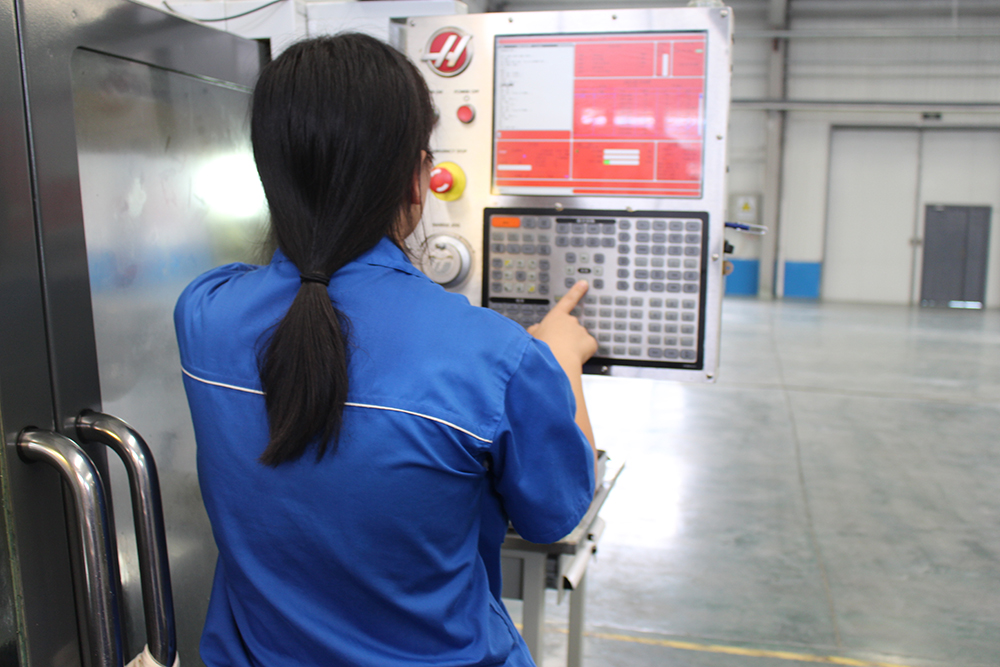
Shenzhen HUL Healthcare Technology Co., Ltd. (Bopull Medical) coordinates precision manufacturing across our facilities in Beijing and Shenzhen to deliver reliable surgical components. Our manufacturing processes are structured around modern production technologies:
Operating under the GB/T42061-2022 / ISO 13485:2016 quality management system, we maintain high compliance standards at every production stage. With a team of 301-500 employees, we manage the complete workflow from prototype testing through to container shipment, helping global procurement partners manage inventory costs and protect lead times.
Purchasing surgical and sterilization equipment involves evaluating long-term costs, regulatory risks, and delivery schedules. When partnering with Bopull Medical for custom OEM/ODM production, your procurement team gains key operational advantages:
Our engineering team reviews your drawings to optimize tolerances and geometry, helping to reduce machining times and material waste while lowering unit production costs.
We provide full verification protocols (IQ/OQ/PQ) for customized components, verifying that every production run meets your design specifications and regulatory requirements.
With an inquiry response rate of 95.36% and response times of less than 3 hours, we keep your engineering and purchasing teams aligned from initial sample approval through to final volume delivery.
Navigating global healthcare regulations requires detailed technical documentation. Different target markets have distinct compliance pathways:
We provide comprehensive technical documentation, clinical evaluations, and post-market surveillance systems to support EU CE marking for Class I, Ir, and Class IIa/b medical devices.
Our manufacturing documentation supports FDA 510(k) applications, including biocompatibility documentation (ISO 10993) and sterilization validation data (ISO 17665/ISO 11135).
We supply certificates of free sale (CFS), legalized documents, and ISO 13485 certifications to help streamline import clearances with local health ministries.
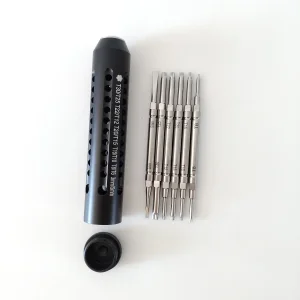
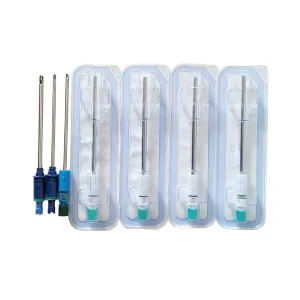
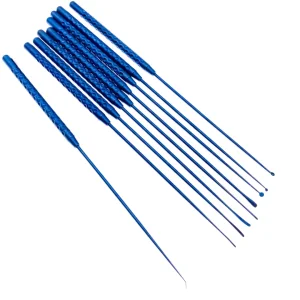
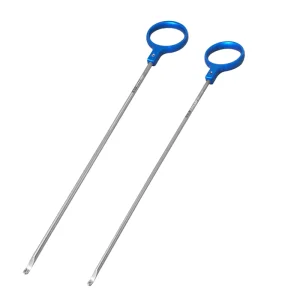
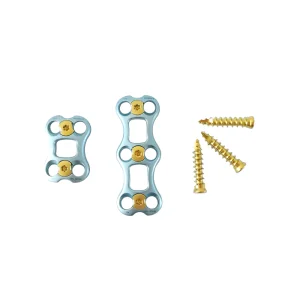
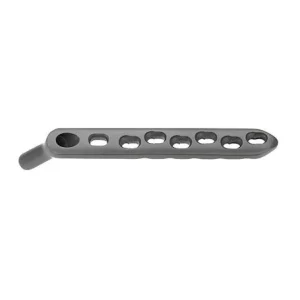
Discover our orthotic screws, cervical assemblies, micro-dissectors, and arthroscopic knot pushers built to withstand repeated chemical and thermal sterilization cycles.
Find quick answers to common questions about material selection, customization options, and regulatory certifications.
For standard autoclaving (typically 134°C for 4 to 18 minutes), we recommend Grade 5 Titanium (Ti-6Al-4V ELI) and high-grade martensitic/austenitic stainless steels (such as 316L, 17-4 PH, or 440C). Titanium alloys offer high corrosion resistance, while specialized medical-grade stainless steels provide the hardness required for cutting edges. High-performance polymers like Radel (PPSU) and PEEK are well-suited for structured tray inserts and instrument handles due to their high thermal stability.
Our quality management system is certified to GB/T42061-2022 / ISO 13485:2016. We track raw materials back to their original melt batches and use Coordinate Measuring Machines (CMM) to verify physical dimensions. Additionally, we run test cycles in our validation autoclaves and perform surface analysis checks to verify the passive chromium-oxide layer on our instruments before packaging.
The customization process starts with a technical review of your 2D/3D CAD models. Our engineers optimize these designs for manufacturability (DFM) and produce initial samples within 15–20 days. Once these samples are verified and approved, batch manufacturing typically takes 30–45 days, depending on order size and surface treatment requirements (such as passivation, anodizing, or specialized coating).
Yes. We provide technical dossiers that support EU MDR Class I, Ir, and Class II device registrations, as well as documentation for US FDA 510(k) submissions. This includes material certification documents, cleaning and disinfection validation protocols (ISO 17664), biocompatibility test results (ISO 10993), and mechanical performance validation data.
Citric acid passivation (per ASTM A967) is an efficient and environmentally friendly method. It targets and removes free iron from stainless steel surfaces without extracting other alloying elements like chromium or nickel. This creates a clean chromium-oxide protective film with minimal environmental impact, avoiding the safety risks and hazardous waste associated with traditional nitric acid processes.
 HUL Healthcare Limited