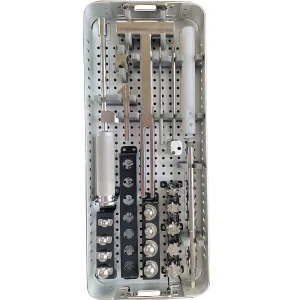
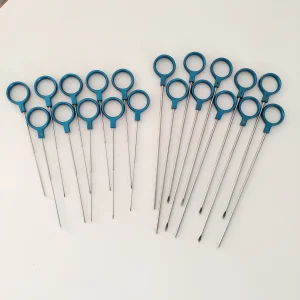
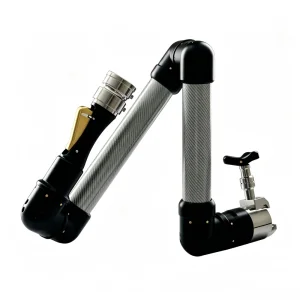
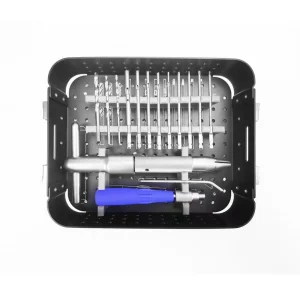
Explore our top-tier orthopedic implants, precision arthroscopy instruments, and OEM surgical systems designed for critical clinical outcomes.
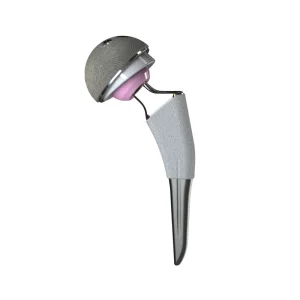
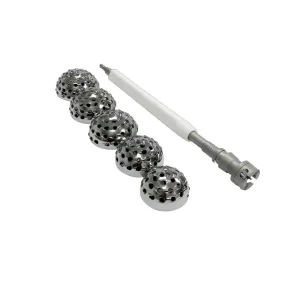
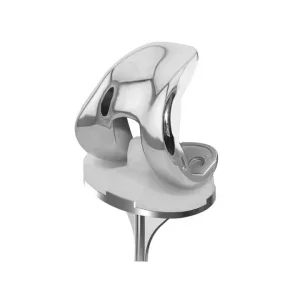
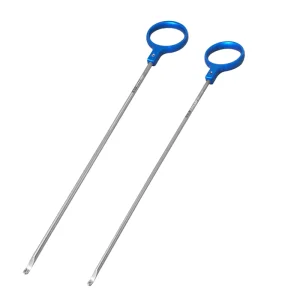
Analyzing the shift from conventional tensile threads to bio-interactive, high-molecular-weight polymers and anchor interfaces.
The global surgery landscape has evolved far beyond basic approximation. Modern clinical demands dictate that suture materials do not merely hold tissue edges together; they must actively modulate local biology, limit tissue friction, resist bacterial colonization, and degrade at highly predictable rates. For OEM buyers and medical product developers, understanding the microstructural properties of these materials is crucial for securing product differentiation and ensuring safety.
Today, suture materials are divided into two main categories, each requiring specialized OEM manufacturing techniques:
As sports medicine procedures like arthroscopic stabilization and meniscus repairs grow rapidly worldwide, the integration of PEEK (Polyether ether ketone) suture anchors with UHMWPE fibers has become the benchmark. PEEK stands out for its high strength-to-weight ratio, biocompatibility, and artifact-free MRI imaging, making it the top choice for demanding orthopedic applications.
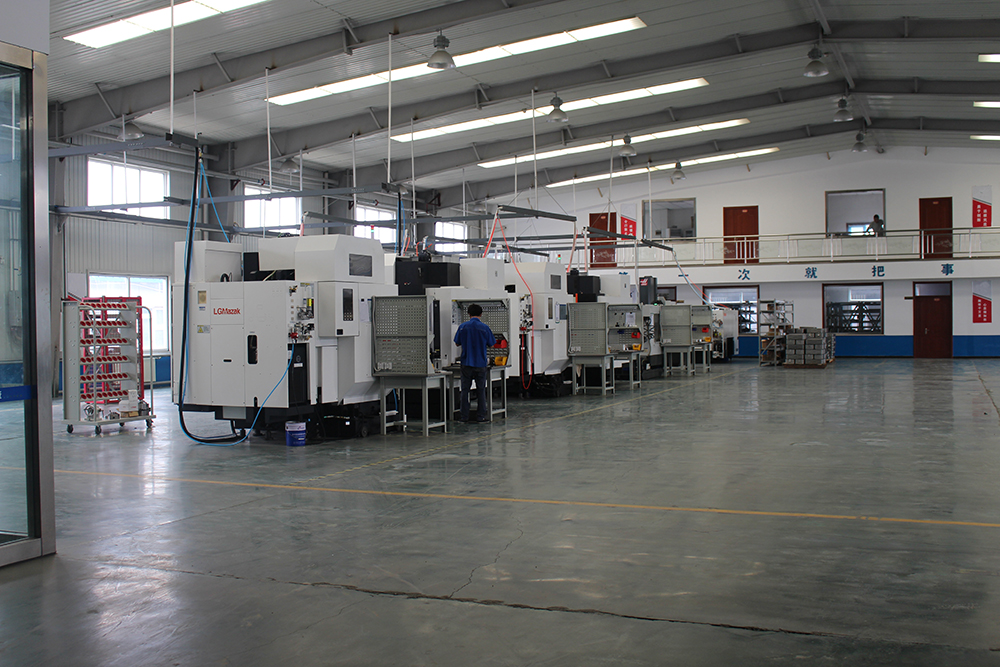
Key performance benchmarks reflecting our production capacity, quality assurance, and distribution efficiency.
| Material Type | Tensile Strength Retention (Days) | Absorption Method & Timeline | Primary Application Fields | OEM Tailoring Capabilities |
|---|---|---|---|---|
| Polyglycolic Acid (PGA) | 65% at 14 Days; 35% at 21 Days | Hydrolysis / Complete in 60-90 Days | General Soft Tissue Approximation, Veterinary Surgeries | Custom diameters (USP sizes), multi-strand braiding, custom lengths |
| Polyglactin 910 (PGLA) | 75% at 14 Days; 50% at 21 Days | Hydrolysis / Complete in 56-70 Days | Ophthalmic, Gastrointestinal, Veterinary Orthopedics | Coating adjustments (Triclosan anti-bacterial coating options) |
| Polydioxanone (PDO) | 75% at 14 Days; 50% at 42 Days | Hydrolysis / Complete in 180-220 Days | Cardiovascular, Orthopedic Sheaths, Dynamic Loads | Monofilament extrusion, custom color dyes, needle attachment curvature |
| UHMWPE / Polyester Blend | Indefinite (Non-absorbable) | Permanent Integration | Arthroscopic Meniscus Repair, Rotator Cuff, Cruciate Ligaments | Co-braiding configurations, flat tape designs, color patterns for tracking |
| PEEK Suture Anchors | High Mechanical Torque Resistance | Permanent (Radiolucent) | Shoulder & Knee Instability, Veterinary Joint Fixation | Thread pitch alterations, integrated eyelet sizing, drive-head geometries |
Navigating complex global compliance, biocompatibility tests, and mechanical performance metrics.
Global medical device importers face strict regulatory hurdles (FDA 510(k), EU MDR, and local registrations). OEM suppliers must run traceably under ISO 13485:2016 management. Cleanrooms (Class 100,000 / ISO 8) are mandatory to keep endotoxin levels and bioburden within safety limits before final sterilization.
A key failure point in surgeries is suture detachment from the needle. Our advanced micro-swaging machinery ensures optimal crimping force, yielding pull-off values that consistently exceed USP standards. This prevents detachment during high-stress procedures, such as passing through tough ligaments or joint capsules.
The surface coefficient of friction must be carefully tuned. If it's too high, the suture drags and damages delicate tissues; if it's too low, knots may slip under load. We utilize biocompatible surface coatings, such as calcium stearate and polycaprolactone, to perfectly balance smooth passage with secure knot hold.
Leveraging advanced manufacturing clusters to deliver rapid scalability, cost-effective production, and uncompromised quality.
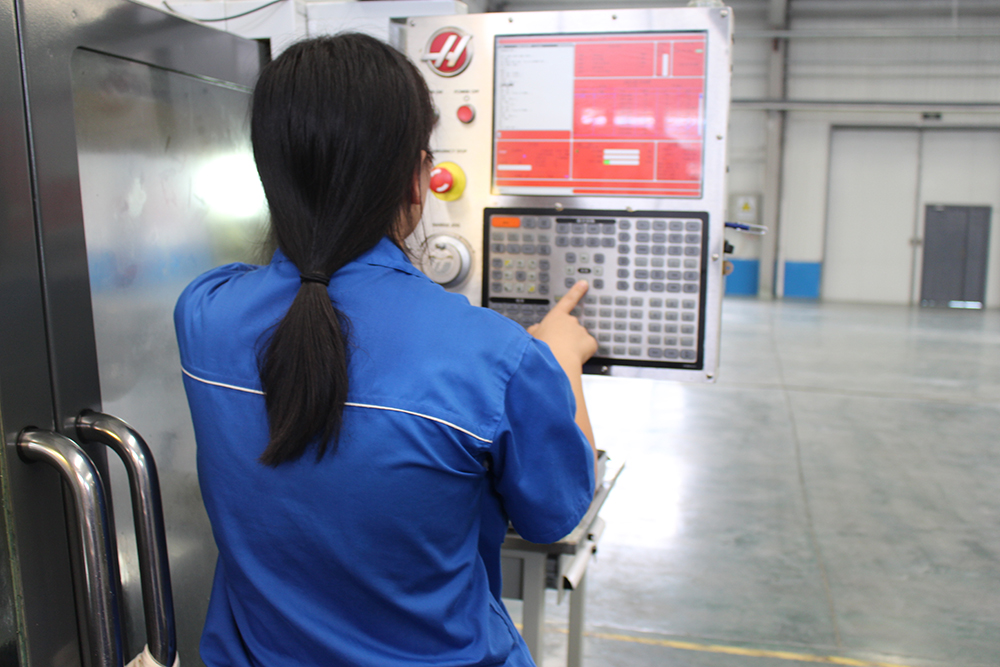
For international buyers, the ability to source consistently high-quality implants and sutures depends on supply chain stability. Shenzhen HUL Healthcare Technology Co., Ltd. (operating as Bopull Medical) runs advanced production facilities in China's top medical technology hubs. Our facilities integrate automated raw polymer processing, needle grinding, cleanroom assembly, and ethylene oxide (EO) sterilization under one roof.
Operating a vertical production model helps us mitigate global supply chain fluctuations, ensuring stable pricing and reliable delivery schedules for hospitals, veterinary clinics, and distributors worldwide.
From arthroscopic meniscus reconstruction in humans to specialized orthopedic joint procedures in veterinary clinics.
Minimally invasive knee and shoulder surgeries require extremely low-profile implants. PEEK suture anchors, coupled with ultra-strong polyolefin threads, allow surgeons to perform stable arthroscopic fixation with minimal bone loss. This results in faster recovery times and reduced post-op discomfort.
Modern veterinary medicine demands implants built to the same standards as human orthopedics. Canine Tibial Plateau Leveling Osteotomy (TPLO), hip replacements, and ligament repair require rugged implants. Our specialized dog prostheses and suture lines are engineered to handle the immediate post-op weight-bearing patterns of active animals.
Cardiovascular closure demands long-term structural integrity and minimal tissue reaction. Utilizing monofilament polydioxanone (PDO) or non-absorbable polyester sutures ensures reliable vascular anastomosis. Our precision manufacturing processes prevent premature degradations or micro-structural fractures under constant hemodynamic stress.
Our corporate profiles, international certifications, and manufacturing capacity declarations.
Bopull Medical has operated in strict compliance with international medical device regulations. We have passed the GB/T42061-2022 idt ISO13485:2016 quality management system international standard certification. By sourcing advanced manufacturing equipment and building a young, innovative R&D team, we provide technical solutions that meet and exceed customer expectations.
Detailed technical answers to common questions about biocompatibility, sterilizability, and custom OEM processes.
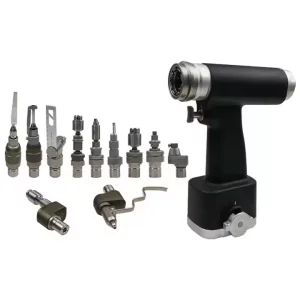
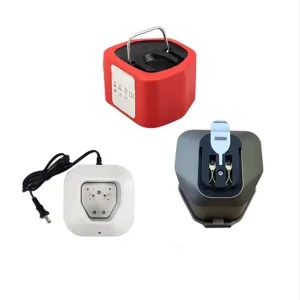
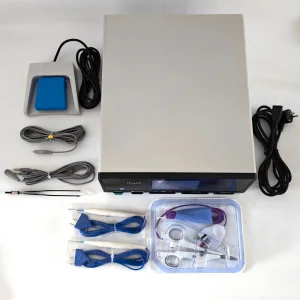
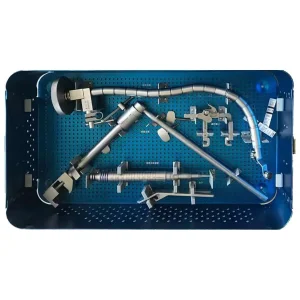
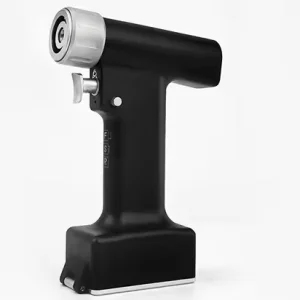
Complete your clinical inventory with our autoclavable surgical saws, drills, generators, and spine surgery instrument sets.
 HUL Healthcare Limited