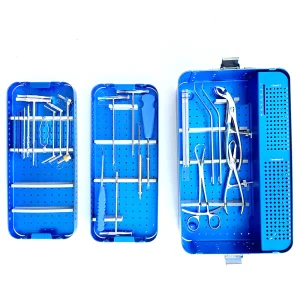
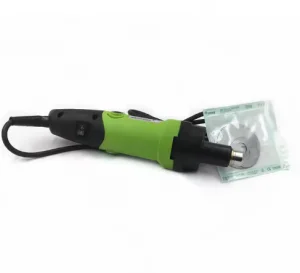
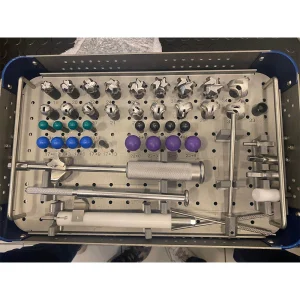
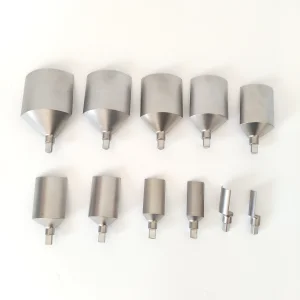
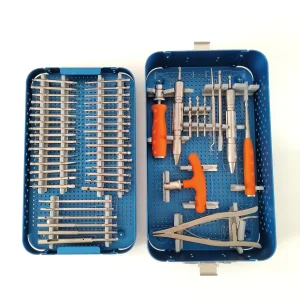
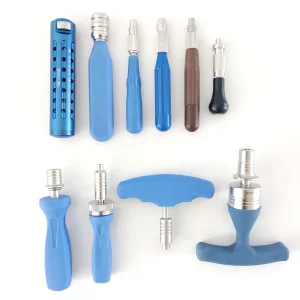
Explore our core product lineup featuring surgical tools designed for precision, reliability, and long-term durability in critical procedures.
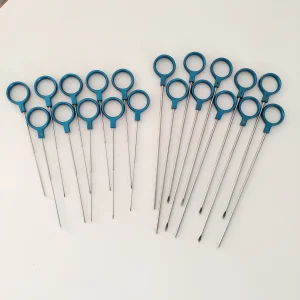
The global healthcare sector is witnessing a paradigm shift from traditional open surgeries to minimally invasive procedures (MIS). The core driver behind this transition is the demand for lower patient trauma, shorter recovery times, and reduced post-operative hospital stays. Consequently, tier-one medical distributors, OEM brands, and procurement officers face growing pressure to secure highly reliable, scalable, and cost-effective laparoscopic supply chains.
However, securing an OEM/ODM partner who bridges the gap between high-volume manufacturing capabilities and rigorous international regulatory standards is a challenging endeavor. Sourcing managers seek custom designs, custom-branded handles, complex end-effector geometries, and proprietary tool coating options, all while maintaining strict unit economics.
Providing technical roadmaps that solve global regulatory, mechanical, and logistical bottlenecks for multinational device brands.
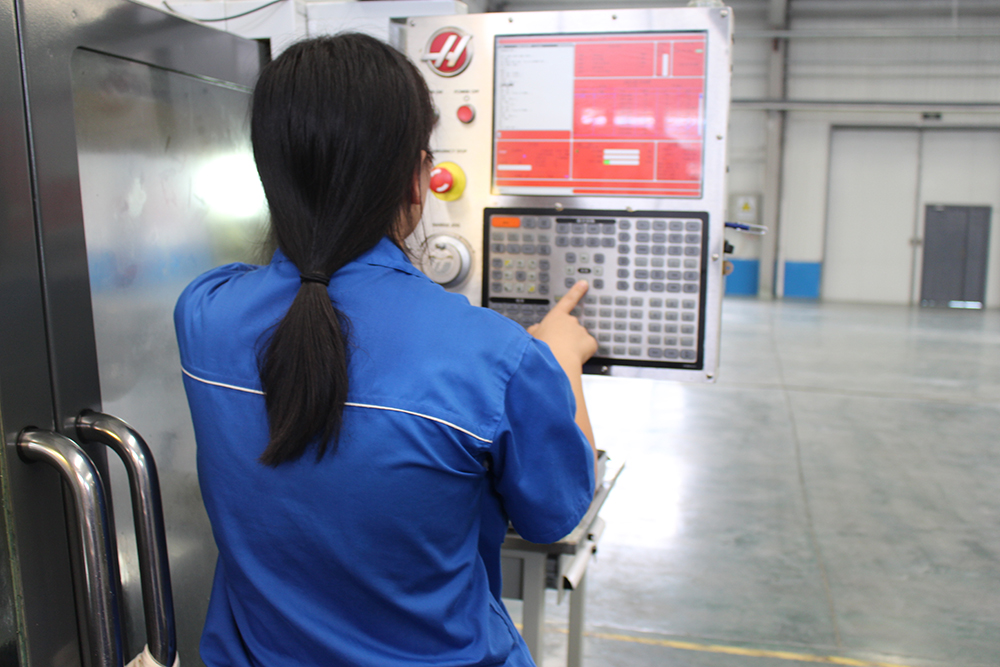
Our engineering services review components for automated assembly, stamping, and micro-machining, dramatically reducing cost-of-goods-sold (COGS) without sacrificing mechanical tolerances.
To reduce light reflection under endoscopic cameras and enhance surface hardness, we apply biocompatible PVD coatings, electropolishing, and passivation processes.
Each OEM project is documented through comprehensive Device Master Records (DMR) and Design History Files (DHF) aligned with European MDR 2017/745 and FDA Part 820 regulations.
The convergence of robotic-assisted surgery (RAS) and classical laparoscopy is redefining the instrument landscape. Today’s OEM/ODM development cycles prioritize the integration of robotic interface linkages, articulated joints (wristed instruments), and smart sensor technologies that relay real-time tactile force feedback directly to the operator's console.
Our material roadmap focuses heavily on ultra-elastic alloys and hybrid polymer-metal configurations that provide high tensile strength with incredibly low outer-diameter profiles. From 5mm standard ports to 3mm ultra-thin pediatric surgical tools, we specialize in maximizing mechanical integrity in ultra-confined spaces.
Review the organizational framework, manufacturing capacity, and regulatory structure that make Bopull Medical a trusted industrial partner.
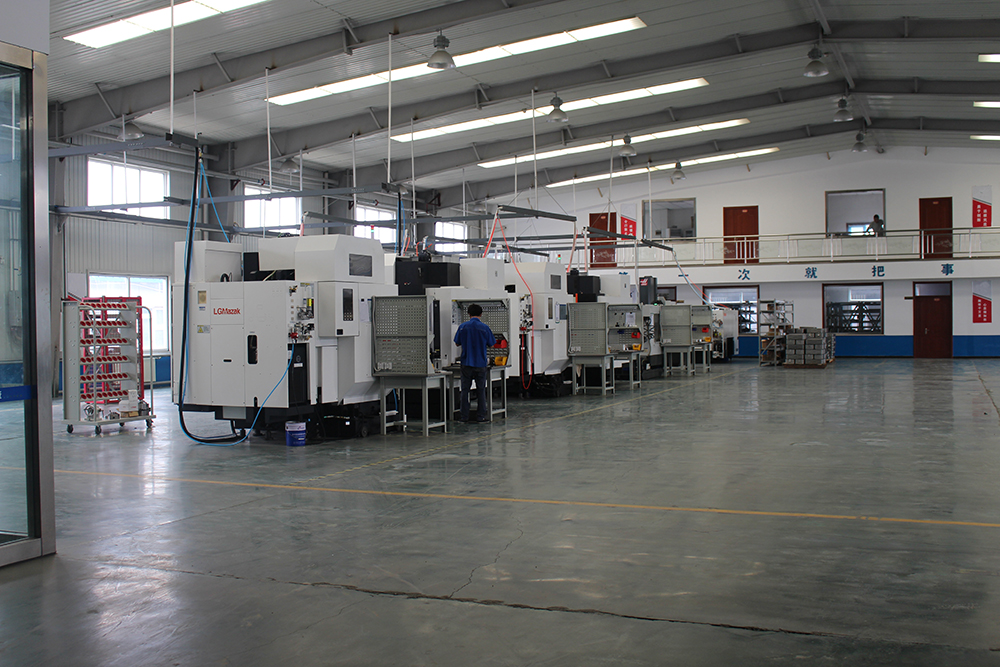
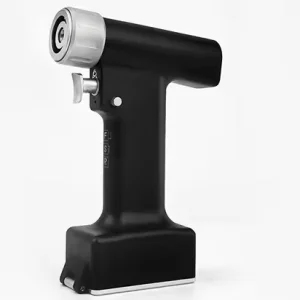
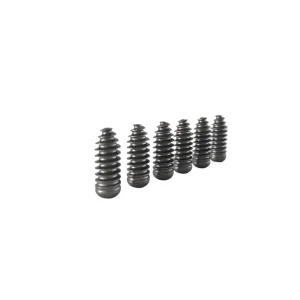
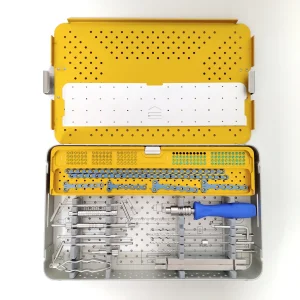
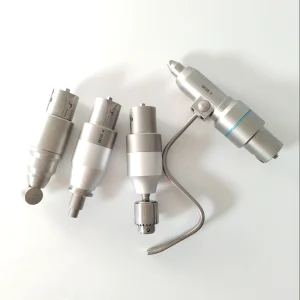
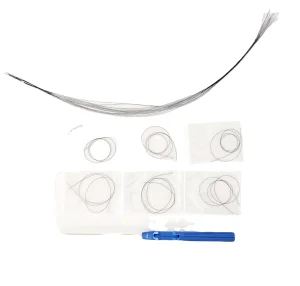
Our comprehensive manufacturing capacity spans powered surgical instrumentation, orthopedic implants, and specialty veterinary assemblies.
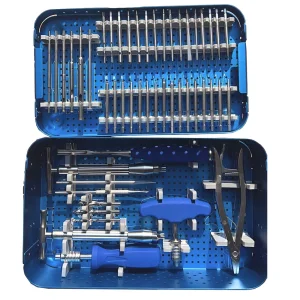
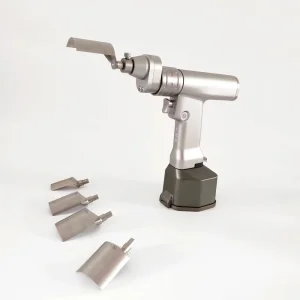
Clear answers on our manufacturing processes, material standards, and OEM procurement pipelines.
Bopull Medical maintains a complete quality management system certified under GB/T42061-2022 and ISO 13485:2016. Every product run goes through a detailed trace of batch tracking, inspection reports, raw material analysis, and biocompatibility verification. Design changes are documented within the Design History File (DHF) to ensure rapid regulatory submission clearances.
We employ medical-grade alloys including 304 and 316L Stainless Steel, Grade 5 Titanium (Ti-6Al-4V), and shape-memory Nickel-Titanium (Nitinol). These metals undergo detailed electro-passivation or specialized physical vapor deposition (PVD) to enhance corrosion resistance and survive hundreds of high-temperature sterilization cycles.
Yes. We specialize in custom-designed ergonomic handles, bespoke jaws/end-effectors, and private labeling. We support both 2D and 3D design file imports (STEP, IGES) and perform extensive finite element analysis (FEA) to test performance before physical mold creation, saving time and development costs.
Standard production cycles range between 30 to 45 days depending on the structural complexity and raw material requirements. Minimum Order Quantities (MOQs) are flexible depending on whether the design is standard or highly customized. Our teams respond in less than 3 hours with quotes and technical feasibility studies.
 HUL Healthcare Limited