High-reliability instruments engineered for bone resection, spinal stabilization, joint replacement, and advanced veterinary orthopedics.
A guide to high-precision engineering, material biocompatibility, and international regulatory compliance for global medical procurement officers.
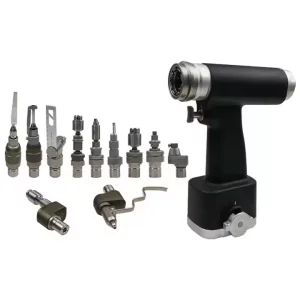
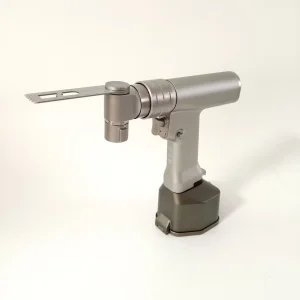
Modern bone-cutting, drilling, and reaming procedures require variable-speed surgical power tools with dynamic micro-torque controllers. OEMs must balance high rotational velocities (up to 100,000 RPM for craniotomy and spine high-speed drills) with thermal monitoring to prevent bone necrosis. High-performance brushless DC (BLDC) motors represent the pinnacle of modern surgical drive units, ensuring stability, low thermal emission, and extended lifecycle durability.
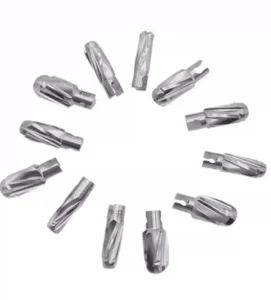
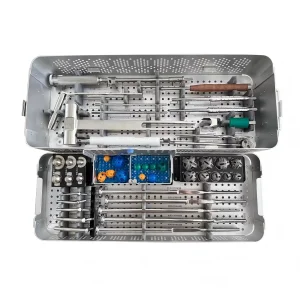
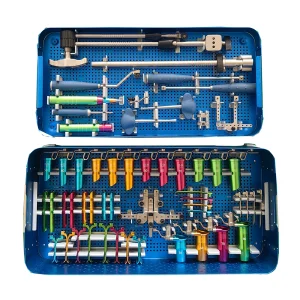
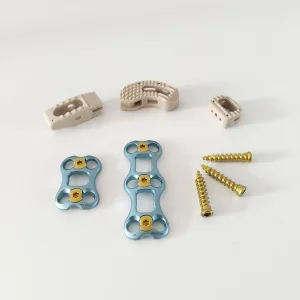
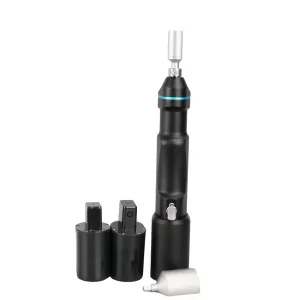
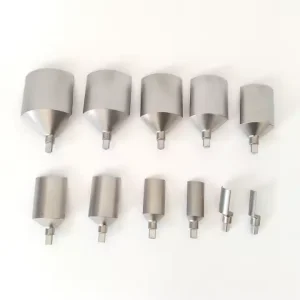
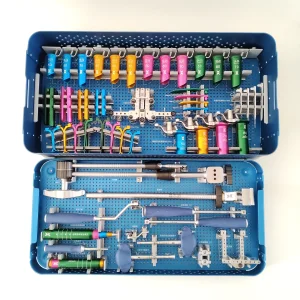
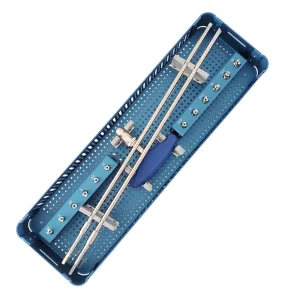
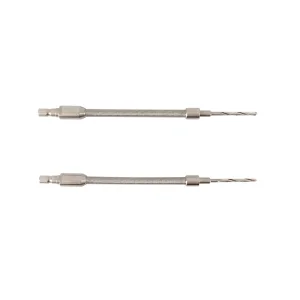
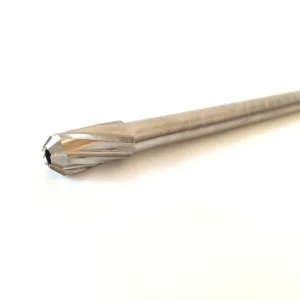
For custom orthopedic implants, spine systems, and joint reconstructions, custom instrumentation is critical. Custom drill bits, flexible spinal reamers, and minimally invasive manual tubular retractors must match the exact geometry of proprietary plate-and-screw systems. A trusted ODM partner bridges the gap between implant geometry and driver performance, ensuring optimal torque output and secure fitment.
Autoclaving presents a harsh operational environment for medical tools. Reusable handpieces require Hermetic sealing (IPX8 waterproof rated), autoclavable brushless motors, and gold-plated contacts to withstand hundreds of cycles of pressurized steam sterilization at 134°C. Choosing high-grade materials like biocompatible stainless steel (316L, 440C) and PEEK (Polyetheretherketone) guarantees long-term tool reliability.
Analysis of the regulatory and technological landscape shaping next-generation medical device supply chains.
Traditional brushed motors present maintenance issues due to carbon brush wear and heat generation. Global hospitals and surgical centers are shifting to brushless motor systems. By eliminating physical friction, brushless surgical handpieces achieve higher speeds, longer runtimes, cooler operation, and lower electromagnetic interference (EMI). This transition is vital for continuous performance during complex, hours-long spinal reconstruction or total joint arthroplasty procedures.
With the rise of Minimally Invasive Surgery (MIS), tool sizes have scaled down. Surgeons require lightweight, ergonomically balanced handpieces that reduce muscle fatigue during fine-motor control operations. OEM development now emphasizes optimizing motor torque densities, using advanced planetary gearboxes and lightweight aerospace titanium casings to reduce weight while preserving peak torque outputs.
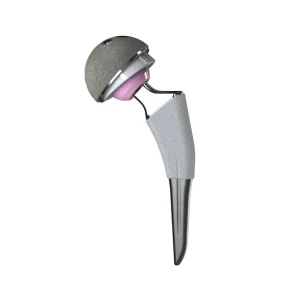
The veterinary market has experienced significant growth, driving high demand for specialized tools. Products like the Veterinary Hip Prosthesis Joint Replacement Set and Veterinary TPLO Saws have transitioned from modified human tools to custom veterinary products. These specialized designs accommodate the distinct skeletal geometries of canine and feline patients, focusing on rapid healing and highly accurate osteotomy lines.
Collaborative definition of torque curves, gear ratios, custom attachment requirements (AO, Stryker, Hudson connections), and surgical application goals.
3D modeling, metal sintering, and precision CNC machining of initial mockups. Design for Manufacturing (DFM) verification to ensure cost-efficiency and performance.
Rigorous validation testing including high-temperature steam autoclave cycling, dynamic load testing, ingress protection (IPX8), and electrical safety trials.
Execution of ISO 13485 cleanroom assembly processes with complete raw material batch tracking and unique device identification (UDI) laser marking.
Pioneering safe, sterile, and compliant medical instruments for critical environments.
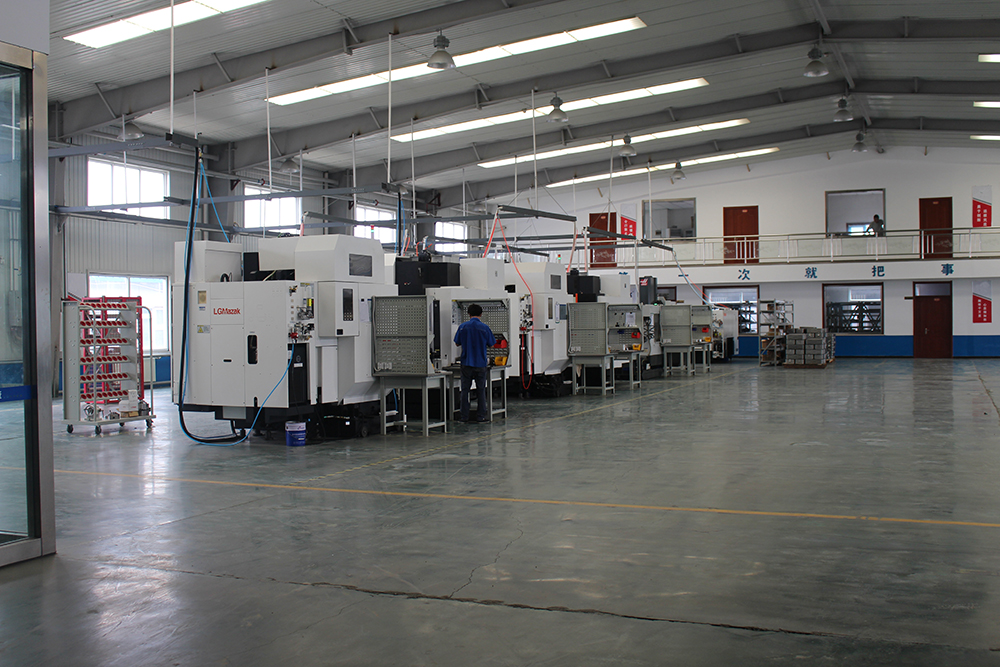
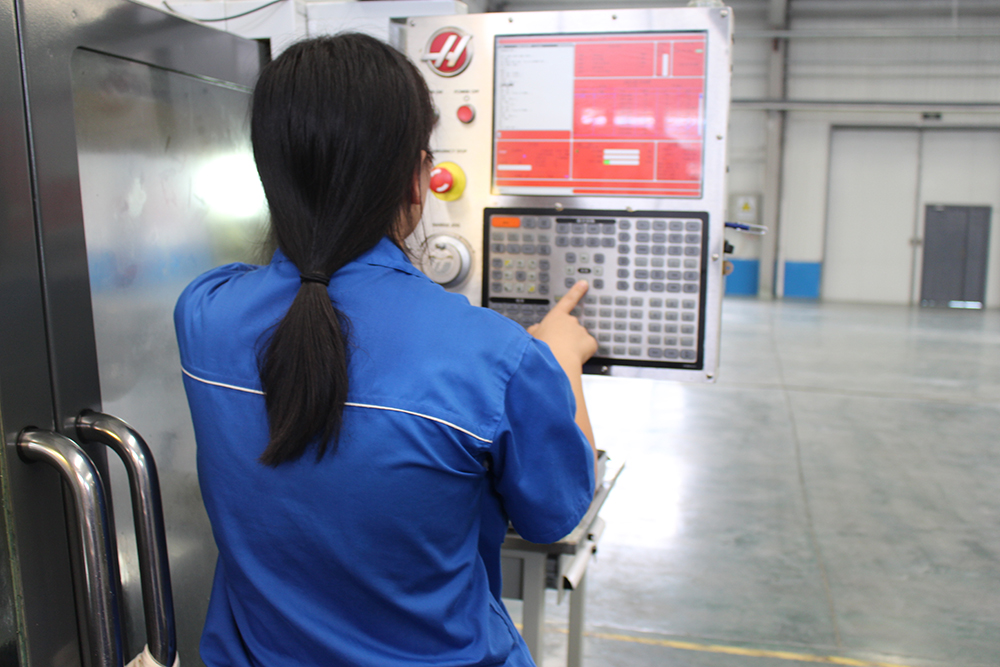
Shenzhen HUL Healthcare Technology Co., Ltd. (Bopull Medical) runs a strict quality system certified to international standards. This assures traceability from design through shipment, providing high confidence for global distributors.
Our surgical power tool platforms undergo testing for biocompatibility, electrical safety, and electromagnetic compatibility. All components meet requirements for CE and ISO certifications.
We provide localized technical assistance and custom export documentation. With quick response times, we support critical hospitals, private veterinary practices, and medical device distributors worldwide.
Innovating the next generation of smart surgical systems.
The future of surgery lies in intelligent, connected systems. Bopull Medical is developing a dynamic technical roadmap focusing on three core areas:
Technical and regulatory insights regarding surgical power tools development and procurement.
Our brushless motors operate without carbon brushes, eliminating physical wear and particles. This reduces heat generation, increases power density, and ensures the handpiece operates efficiently during demanding orthopedic procedures.
Yes, our entire line of reusable surgical handpieces, drills, and saws is designed to withstand repeated steam autoclave sterilization cycles (up to 134°C at 2.1 bar) when utilizing the recommended sterilization guidelines.
Absolutely. Our design services allow customized drills, milling cutters, flexible reamers, and spinal retractors to match the design of your specific implants, ensuring high clinical performance.
Our facilities are managed under the GB/T42061-2022 and ISO 13485:2016 quality management standards for medical devices. Many of our core products also hold CE and ISO approvals.
Lead times depend on design complexity. Typical design, prototyping, and validation processes require 8 to 12 weeks, followed by mass production cycles defined during the design-for-manufacturing phase.
Yes, we specialize in veterinary instruments, including hip prosthesis sets and electric TPLO saws with custom blades optimized for veterinary osteotomy applications.
We trace all medical-grade raw materials (such as 316L, 440C stainless steels, and implant-grade PEEK) back to their melt source. This provides complete material records and mill certificates for regulatory submissions.
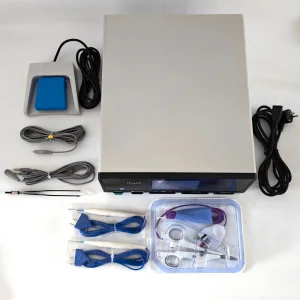
Explore our high-performance electrosurgical platforms, soft drills, and spinal cannulated systems.
 HUL Healthcare Limited