Explore our premium grade manual and motorized instruments developed under strict ISO 13485:2016 compliance for demanding clinical applications.
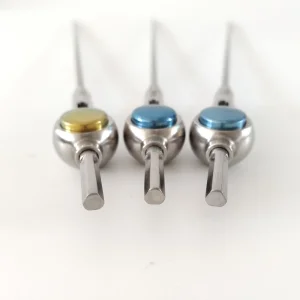
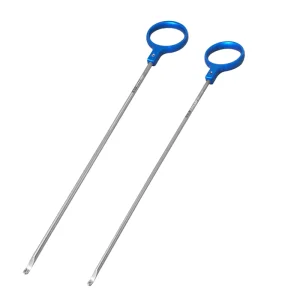
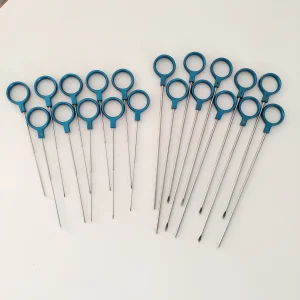
How macro-economic shifts, regulatory adjustments, and clinical innovations are redesigning surgical hardware sourcing.
Modern hospital purchasing systems and medical device companies are moving away from multi-vendor structures. They now prefer single-source OEM/ODM suppliers. This transition guarantees material traceability, reduces compliance overhead under MDR/FDA frameworks, and optimizes total landed costs.
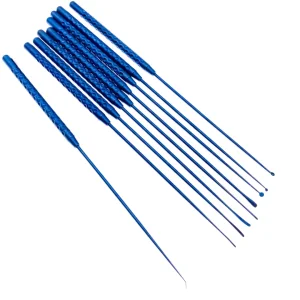
The push for smaller incisions and faster healing times has increased the demand for specialized instruments. Complex products like spine tubular retractors, micro-hooks, and arthroscopic suture passers require micron-level tolerances that only expert CNC and EDM manufacturing processes can deliver.
Global regulatory markets are tightening restrictions on instrument design and reprocessing validation. Our manufacturing lines strictly follow the ISO 13485:2016 quality management framework to keep your regulatory pathways clear, from initial design files to final commercialization.
Producing surgical-grade instrumentation demands deep expertise in metallurgy, precise structural engineering, and controlled manufacturing environments. At Shenzhen HUL Healthcare Technology (operating commercially under the Bopull Medical brand), we merge advanced metal processing technologies with precise finishing treatments to produce instruments that excel in modern operating rooms.
The performance of any surgical instrument begins with raw material selection. We source titanium and medical-grade stainless steel with full material traceability certificates:
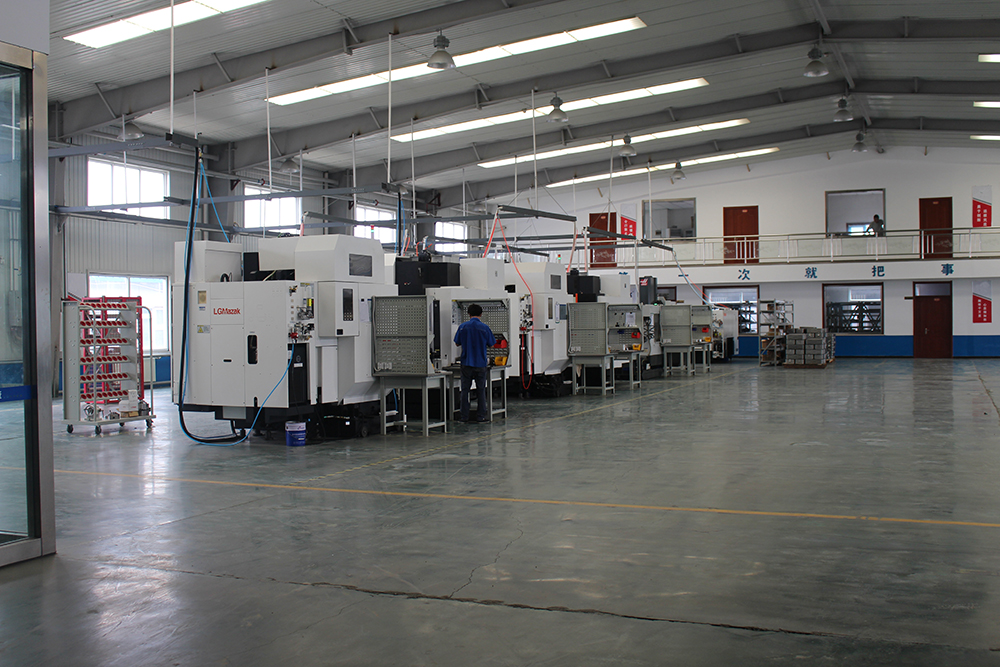
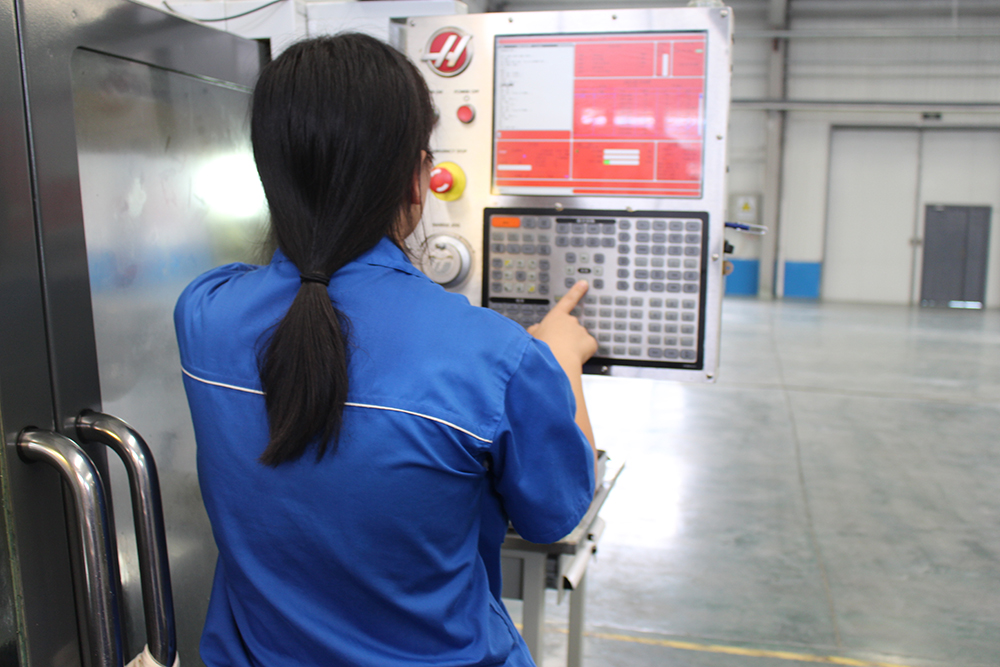
Our facility utilizes multi-axis CNC milling, Swiss-type turning, and wire electrical discharge machining (EDM) to produce complex shapes with tight tolerances (down to ±5 μm):
To resist corrosion and repeated autoclave cycles, our products undergo thorough finishing treatments, including chemical passivation, electropolishing, and anodizing. These processes eliminate surface impurities and build a robust protective oxide layer.
How we are preparing for the future of robotic assistance and next-generation surgical materials.
Integrating direct metal laser sintering (DMLS) to produce porous titanium structures that encourage bone ingrowth on implants and custom instruments.
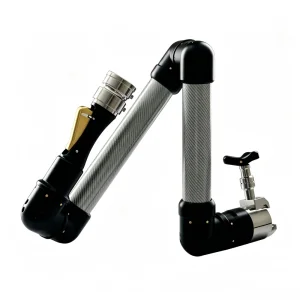
Developing low-tolerance end-effectors and drive components compatible with surgical robotic arms, with a focus on tactile feedback mechanisms.
Researching embedded RFID chips and force-sensing microelectronics to help hospitals track autoclave cycles and log use patterns.
Our operational metrics demonstrate our commitment to quality, efficiency, and reliable customer service.
Response Rate
Average Inquiry Response Time
Seller Reorder Rate
Skilled Professionals
Find technical answers about our materials, manufacturing capabilities, and custom OEM processes.
We operate under a quality management system certified to ISO 13485:2016 and GB/T42061-2022 standards. This ensures every stage of design, prototyping, and volume production meets international requirements for Class II and Class I medical devices.
Yes. Our ODM team works with your engineering designs or sample components. We use advanced wire EDM, 5-axis CNC machining, and automated polishing to build custom systems that match your exact dimensions and tolerances.
We use medical-grade Titanium Alloy (Ti-6Al-4V ELI) that meets ASTM F136 requirements. This material provides high biocompatibility, high strength-to-weight ratios, and reliable performance inside bone tunnels.
Typical prototyping takes 2 to 4 weeks, depending on complexity. Mass production runs usually take 45 to 60 days. This timeline includes our quality checks, ultrasonic cleaning, passivation, and custom labeling/packaging.
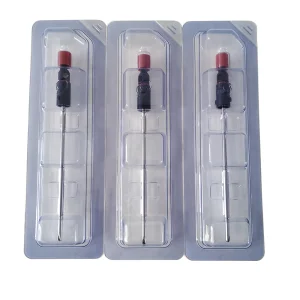
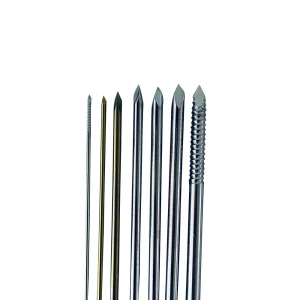
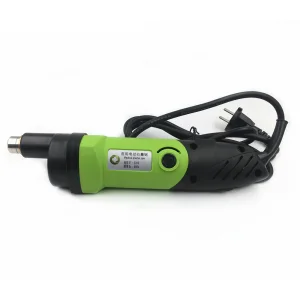
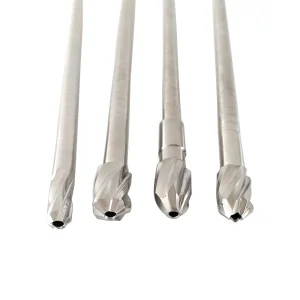
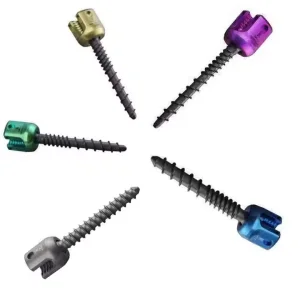
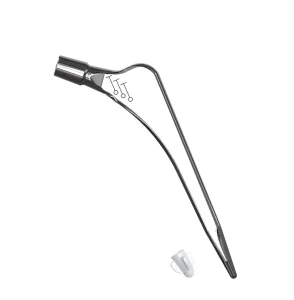
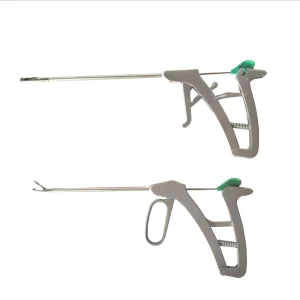
A broad portfolio of manual retractors, fixation pins, reamers, and veterinary orthopedic power tools.
A view inside our production facility, showcasing our cleanroom packaging and advanced testing areas.
 HUL Healthcare Limited