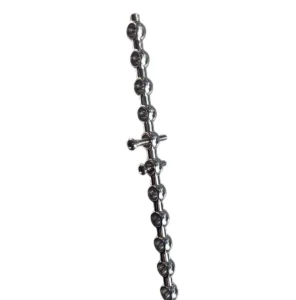
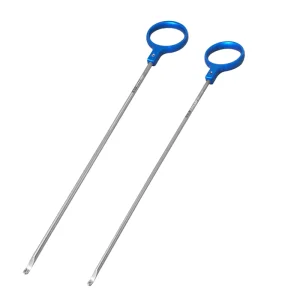
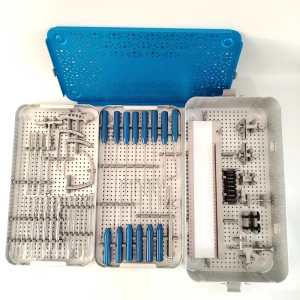
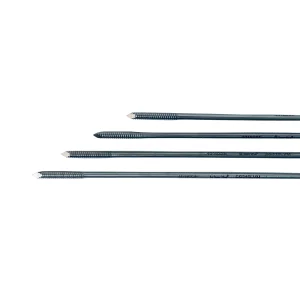
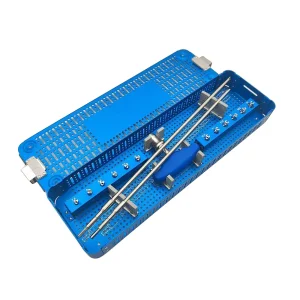
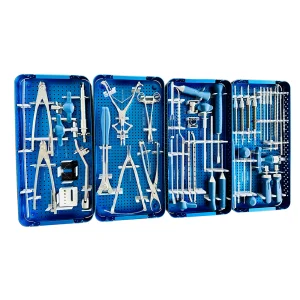
In modern hospital workflows and sterile processing departments (SPD), Surgical Chests (comprising rigid sterilization containers, orthopedic organizers, and heavy-duty instrument cases) serve as the vital interface safeguarding clinical integrity. Rather than simple storage boxes, these engineered containment systems are certified medical devices subject to strict global directives. They play a pivotal role in ensuring that vital equipment—such as orthopedic plates, flexible reamers, and microsurgical tools—remains sterile, organized, and ready for immediate surgical application.
As healthcare environments migrate away from single-use sterilization wraps due to high tear rates, micro-perforations, and significant environmental footprints, rigid surgical containment chests represent the ultimate solution. Standardized configurations with colored lids, modular brackets, and silicon locking pads ensure that highly complex orthopedic kits are streamlined for surgeons, enhancing turnaround times and preventing surgical workflow interruptions.
"High-integrity containment architecture forms the base of operating room efficiency. By utilizing surgical chest systems manufactured from medical-grade anodized aluminum and surgical steel, global providers minimize risk of contamination while reducing long-term sterilization costs by up to 40%."
Whether sourcing for orthopedic, spinal, veterinary, or arthroscopic surgical sets, selecting a seasoned manufacturing partner with robust OEM/ODM capabilities ensures the products meet precision engineering tolerances and local regulatory requirements. High-grade alloys, micro-machined ventilation paths, and specialized silicone fittings are paramount to preventing bacterial penetration while permitting steam sterilization to execute successfully.
Transitioning from standard aluminum grades to high-tensile 5000 and 6000 series anodized aluminum alloys. These alloys offer exceptional thermal conductivity (accelerating drying phases) and resistance to high-alkaline hospital detergents.
Integration of passive Ultra-High Frequency (UHF) RFID chips and 2D matrix UDI (Unique Device Identification) markings directly onto the chests. This enables touchless real-time locating systems (RTLS) within sterile supply pathways.
Development of maintenance-free mechanical valve systems replacing disposable paper filter setups. Permanent PTFE filter disks or pressure-equalization tortuous path valves provide infinite lifecycle integrity.
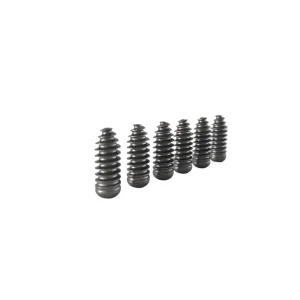
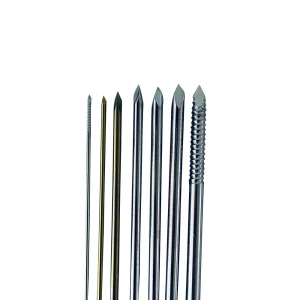
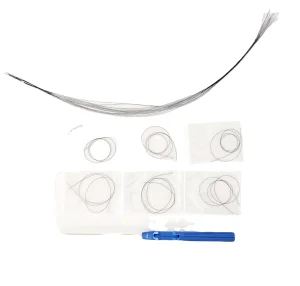
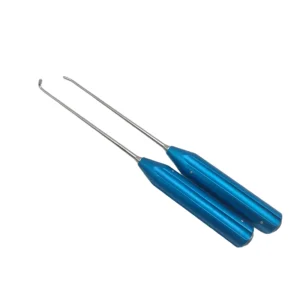
Surgical trays housing intricate sets (such as orthopedic bone screws, K-wires, and flexible reamers) need highly systematic visual guides. Customized silicon inserts and precision milling allow surgeons to locate required device specifications instantly under high-stress environments, reducing O.R. layout confusion and procedural duration.
Traditional blue wraps representing variable recurring costs are steadily being phased out. Integrating rigid surgical chests generates a return on investment within 12–18 months. Additionally, these solid metal containers prevent mechanical micro-dents to fragile arthroscopic instruments, saving millions in repair overheads.
Hospitals are major plastic waste contributors. By utilizing reusable aluminum containers with standard lifetime horizons of 10+ years, healthcare systems drastically reduce carbon footprint, alignment with international healthcare ESG directives and global sustainable procurement standards.
Micro-engineered, mechanical locking mechanisms with tamper-evident indicators ensure that sterile setups remain unopened and uncontaminated during transit across logistics chains from central sterilization rooms to satellite clinical surgical sites.
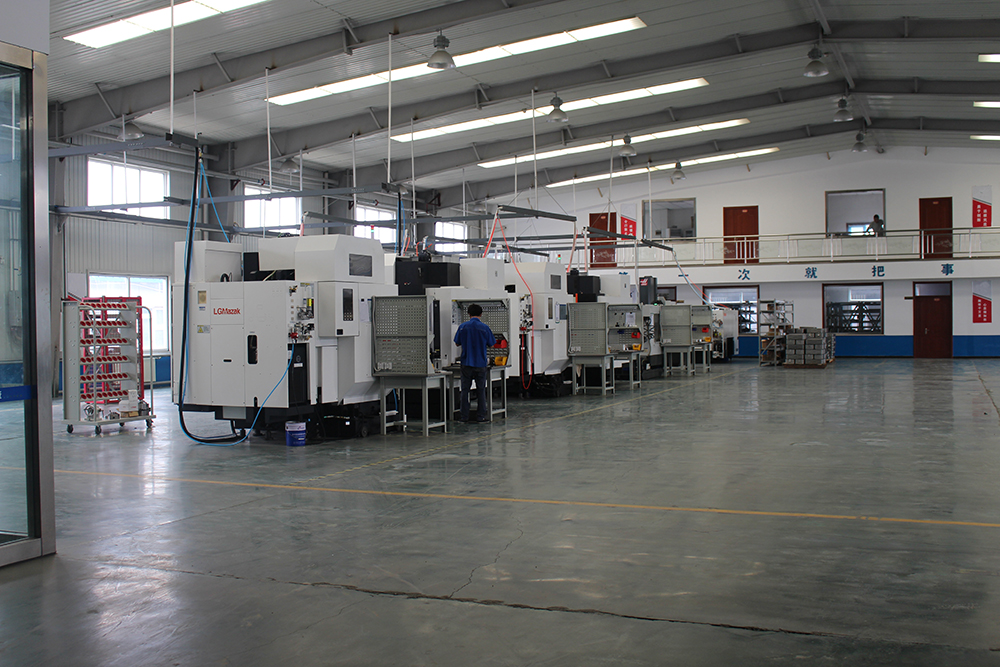
China's medical instrumentation manufacturing ecosystem has evolved into a global leader in quality, boasting massive industrial clusters in regions such as Shenzhen, Shanghai, and Jiangsu. The integration of Industry 4.0 paradigms allows for rapid prototyping, robotic welding, precision laser cutting, and surface electrochemical passivation with unparalleled consistency.
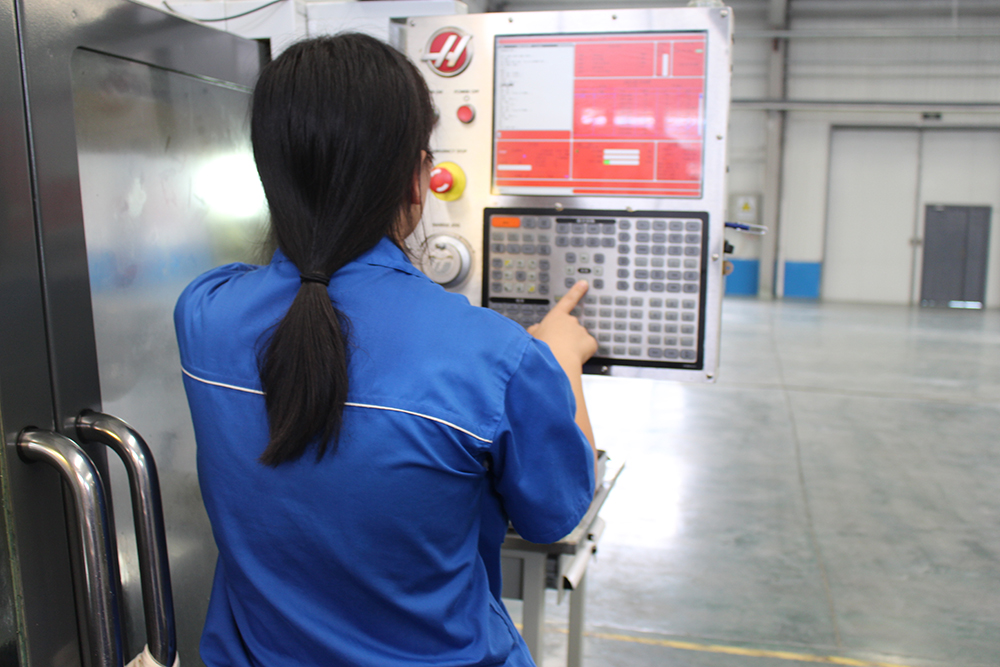
Our OEM/ODM manufacturing partnerships leverage this manufacturing backbone, combining low-overhead sourcing with robust international logistics networks. By establishing lean manufacturing protocols, we guarantee strict lead times, high dimensional accuracy (tolerances within ±0.05mm), and absolute raw material traceability from medical-grade ingot to finished sterilizer container.
Surgical chests are classified as Class I (or Class II depending on local designations) medical devices. Every system must conform to ISO 13485 quality systems and satisfy FDA 510(k), CE MDR 2017/745, and GB/T42061-2022 standards. Traceable documentation, sterilization validation reports (biological & physical indicators), and raw material certificates are essential parts of every shipment.
Global logistics demand localization adjustments. Whether you require localized labeling in German/Spanish, customs clearance documentation, or specialized warehousing conditions, our international support unit ensures seamless handovers, mitigating potential regulatory bottlenecks at destination ports.
Through our dedicated ODM channel, custom chest sizing, tailored silicone gaskets, and specialized logo silk screening are executed in-house. This gives corporate private labels the ability to easily integrate customized colors (e.g., green, blue, gold, red) to build recognizable, high-tier product ecosystems in local target markets.
Bopull Medical has been strictly in accordance with laws and regulations and international standards management and operation. Having successfully passed the GB/T42061-2022 idt ISO13485:2016 quality management system international standard certification, we specialize in solving challenging technical problems for medical institutions globally.
Our relentless pursuit of product quality has won high praise in the industry. Powered by advanced equipment, a highly capable young team, and professional quality management awareness, we continually exceed customer expectations, establishing an outstanding reputation in global surgical markets.
| Business Type: | Trading Company / Manufacturing Ally |
| Headquarters: | Beijing / Shenzhen, China |
| Annual Revenue: | US$1 Million - US$2.5 Million |
| Reorder Rate: | 34% Client Re-engagement |
Typically, medical-grade anodized aluminum (series 5000 or 6000) is selected for the lid and body because of its lightweight characteristics and superior heat transfer capabilities (vital for eliminating wet packs during vacuum steam drying). For complex orthopedic surgery or heavy load applications, high-durability stainless steel (SUS316L) or high-performance polymers (PPSU) are preferred due to their immense chemical resilience to aggressive enzymatics and alkaline solutions.
Our custom surgical containment systems are engineered and validated to endure the high temperature profiles of Pre-Vacuum Steam Autoclaves (typically 134°C for 4–18 minutes). Furthermore, our specialized surface processing guarantees compliance with Low-Temperature Hydrogen Peroxide (H2O2) Gas Plasma and Ethylene Oxide (EtO) sterilization protocols without color fading or material degradation.
The custom workflow begins with receiving your physical instrument set or 3D CAD files. We then model custom silicone positioning brackets, design the optimal container/tray layout to allow adequate sterilant access, and send a prototype. Following visual approval and functional sterilization validation runs, volume extrusion and precision stamp tooling begin.
Every step of our production aligns with ISO 13485:2016 systems. We enforce incoming material validation (spectrometric tests of aluminum ingots), coordinate automated QC measuring processes on finished welds, and issue Certificate of Conformity (CoC) reports alongside detailed traceability records linked directly to raw batch runs.

 HUL Healthcare Limited