Explore our top-tier CE and ISO-certified surgical instruments designed for modern clinical applications, veterinary orthopedics, and trauma reconstruction systems.
Crucial analysis of the vascular interventional, minimally invasive surgical (MIS), and complex orthopedic device market structure, highlighting shifting raw material standards and strict international compliance protocols.
Modern vascular and bone repair instruments deploy medical-grade 316L Stainless Steel, Nitinol, and Titanium alloys. Advanced coatings like HA (Hydroxyapatite) enhance osseointegration and reduce localized tissue trauma during implant procedures.
Global exporters must comply with harmonized requirements, notably GB/T42061-2022 and ISO 13485:2016. High-standard production floors maintain cleanroom processes to avoid particulate contamination on invasive catheters and guidewires.
Top medical exporters rely on robust cold-chain logistics and air freight structures to deploy sensitive medical instruments globally. Ensuring rapid lead times is critical for maintaining supply chains in trauma centers.
The global endovascular and surgical instrumentation markets are undergoing rapid disruption. Driven by a paradigm shift toward Minimally Invasive Surgeries (MIS), manufacturers are forced to adopt next-generation precision machining. From balloon dilatation catheters to orthopedic revision tool sets, the criteria for selecting factories have shifted from basic cost-efficiency to deep engineering alignment, material traceability, and continuous clinical loop feedback systems.
As a key player in medical instrument fabrication, Shenzhen HUL Healthcare Technology Co., Ltd. (Bopull Medical) has implemented strict quality control procedures compliant with global regulatory standards. Operating with an international standard management approach, our facility boasts the GB/T42061-2022 idt ISO13485:2016 quality management system certification.
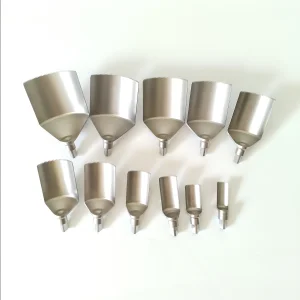
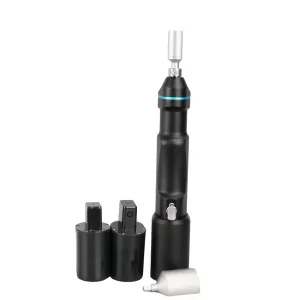
By leveraging high-end CNC milling machines, EDM wire cutting, and advanced passivating procedures, the durability, corrosion resistance, and micro-precision of our surgical equipment are guaranteed. Our technical team is composed of seasoned medical engineers focused on solving complex mechanical challenges, such as optimizing torque parameters in orthopedics screw removal systems and preventing structural fatigue in high-RPM TPLO saw blades.
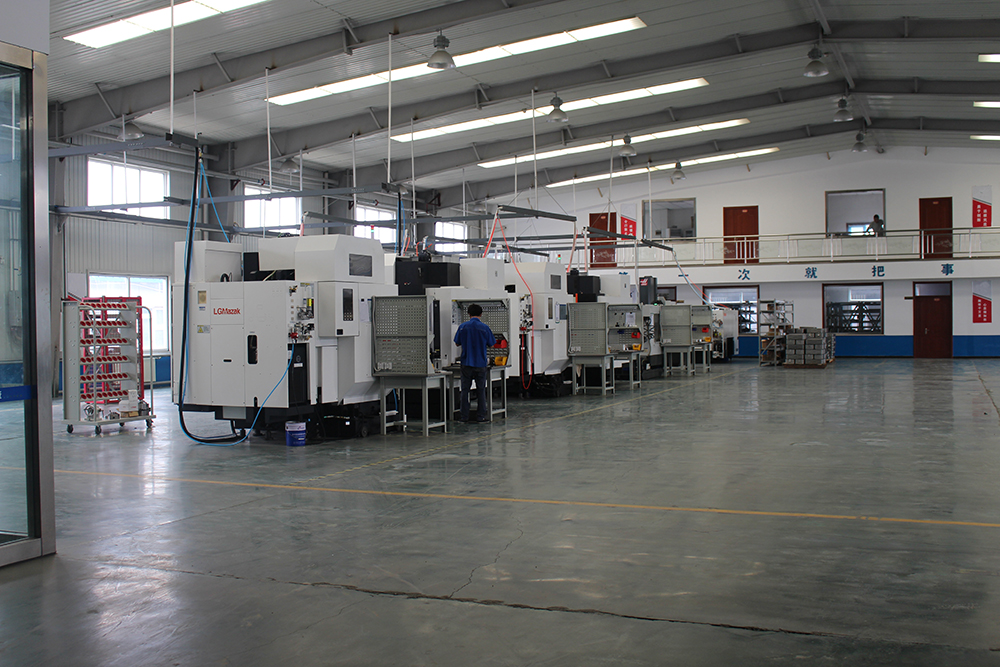
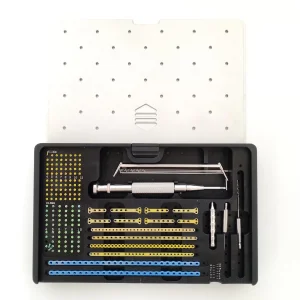
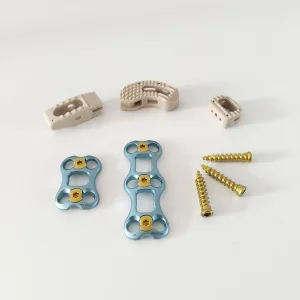
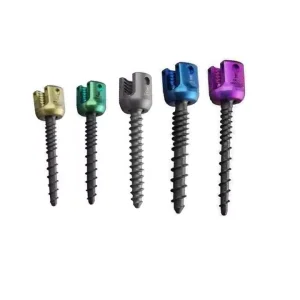
In high-stakes environments like posterior thoracolumbar fixation or anterior cervical plate stabilization, component tolerances must stay under 10 microns. Material grain structures in titanium rods and surgical steel screwdrivers are highly audited to prevent unexpected breakage during surgical procedures.
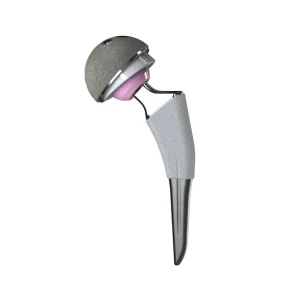
Furthermore, veterinary orthopedic treatments—such as total hip prostheses and specialized bone saws—require customized engineering solutions tailored to distinct anatomical variations. The deployment of hydroxyapatite (HA) coatings on femoral stems facilitates reliable cementless biological fixation, which is crucial for the long-term mobility of companion animals.
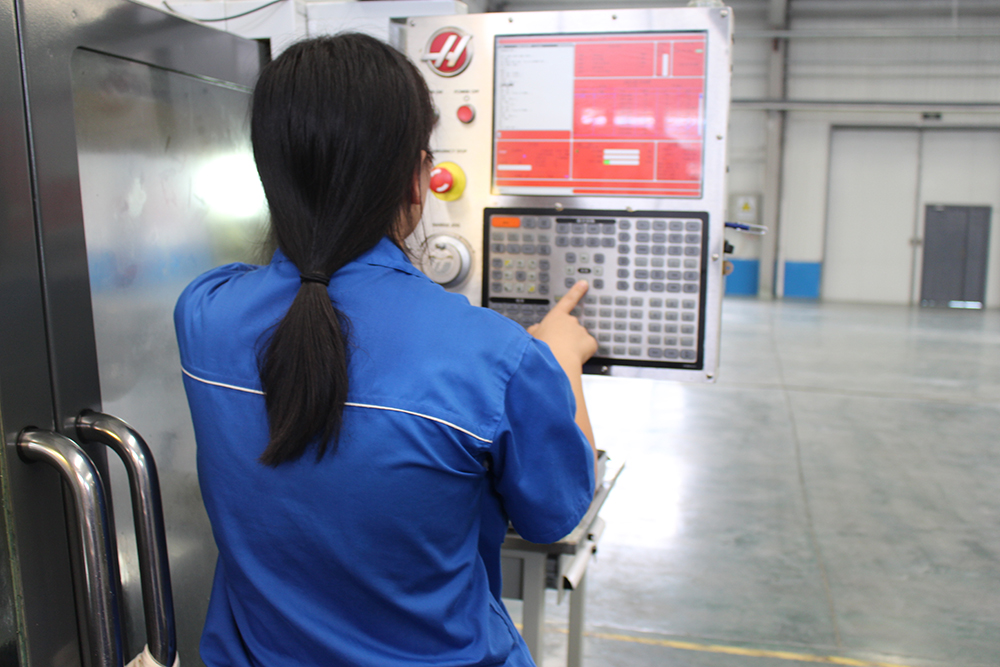
The trajectory of endovascular, osteosynthesis, and soft tissue repair devices is driven by connectivity, ultra-precision manufacturing, and personalized patient care.
Integration of magnetic tracking and optical sensors within delivery catheters and orthopedics instrumentation guides surgeons with real-time path navigation, shrinking radiation exposure times for clinical teams.
Direct Metal Laser Sintering (DMLS) processes enable custom porous titanium structures. These mirror human and animal trabecular bone geometry, promoting rapid, organic bone ingrowth.
Magnesium alloy and PLA-based structural screws are engineered to gradually degrade in the body, eliminating the need for secondary revision surgeries to remove temporary hardware.
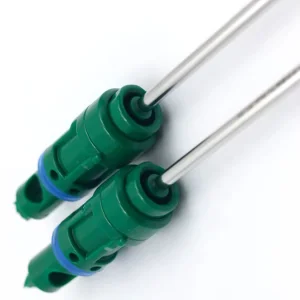
Modern hospital groups and international medical device distributors prioritize suppliers that deliver comprehensive surgical system packages over loose, individual components. When procuring specialized equipment like arthroscopy suture cutters or disposable shaver blades, matching the driver interfaces with power consoles is paramount for maintaining workflow integrity in operating rooms.
Expert responses addressing standard regulatory issues, engineering certifications, material durability, and export logistics.
ISO 13485:2016 establishes the global baseline for medical device quality management systems. Unlike standard ISO 9001, it mandates rigorous risk assessments at every design phase, strict environmental monitoring in cleanrooms, raw material trace audits, and active post-market surveillance. Working with certified factories protects buyers from compliance risk and guarantees clinical safety.
Medical-grade titanium alloys (such as Ti-6Al-4V ELI) and ultra-high-molecular-weight polyethylene (UHMWPE) are standard due to their biocompatibility, high fatigue resistance, and low magnetic resonance imaging (MRI) interference. For rigid fixation plates and manual tools, 316L VM (Vacuum Melted) stainless steel is utilized to prevent implant degradation inside the body.
The core manufacturing quality systems and materials remain consistent; however, veterinary instruments require configurations optimized for varied anatomy. For instance, TPLO (Tibial Plateau Leveling Osteotomy) saw blades and canine hip joint prostheses are scaled down and designed for distinct torsional dynamics to accommodate active domestic animals.
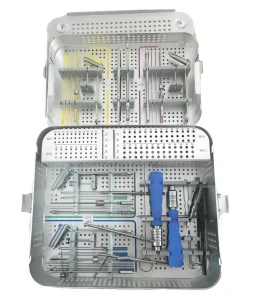
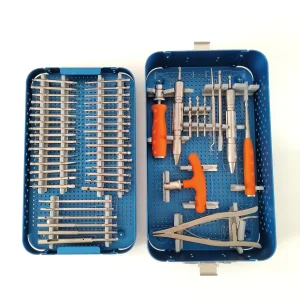
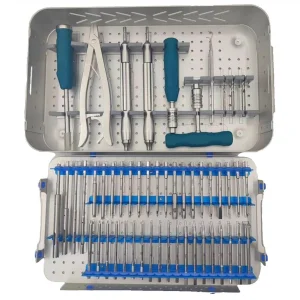
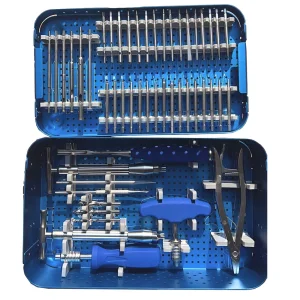
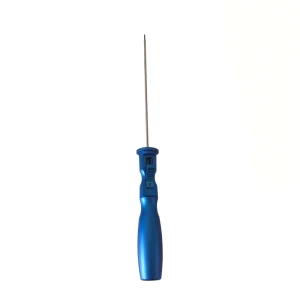
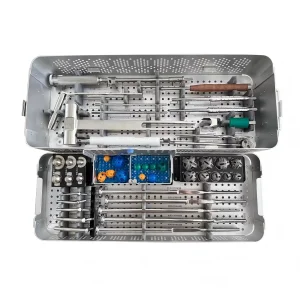
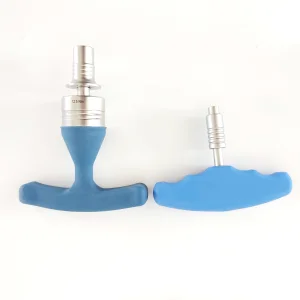
Revision surgeries often encounter stripped or fractured screws locked inside bone structures. Specialist removal toolkits, like those manufactured by Bopull Medical, feature reverse-threaded extraction bolts, carbide drill guides, and high-torque manual screwdrivers designed to retrieve damaged components without fracturing surrounding cortical bone.
Premium surgical products engineered for arthroscopic interventions, long-stem joint replacements, and high-precision spinal procedures.
 HUL Healthcare Limited