Explore our advanced range of trauma implants, joint replacements, and specialized orthopedic instrumentation kits engineered to modern clinical standards.
An in-depth industrial briefing on structural shifts, materials science, and supply chain strategies driving modern clinical applications.
The global orthopedic sector is undergoing a profound transformation. As demographics tilt towards aging populations in developed nations, and healthcare access expands rapidly across emerging markets, the demand for durable, biocompatible, and high-performance orthopedic implants has accelerated. The shift is not merely volume-driven; it is fundamentally technological. Material science has advanced from simple structural support to biological integration. High-grade titanium alloys (specifically Grade 5 ELI, Ti-6Al-4V) and cobalt-chromium-molybdenum (Co-Cr-Mo) formulations are now standard for load-bearing skeletal regions due to their superior tensile strength and fatigue resistance.
Simultaneously, surface-modification technologies—such as porous plasma-sprayed coatings and acid-etched micro-structures—have redefined bone-implant interfaces. These treatments promote faster osteointegration, reducing the risk of aseptic loosening, which has historically been the primary driver for revision surgeries. Furthermore, the adoption of ultra-high-molecular-weight polyethylene (UHMWPE) and advanced ceramics (such as zirconia-toughened alumina) in joint bearing interfaces has significantly decreased friction coefficients and wear-debris-induced osteolysis, thus extending implant longevity beyond 15–20 years.
For international distributors, hospital groups, and surgical networks, selecting a medical device supplier is a critical strategic decision. Procurement optimization must align with strict compliance mandates, including the European Union's Medical Device Regulation (MDR 2017/745) and the United States Food and Drug Administration (FDA) 510(k) clearances. A secure sourcing workflow demands comprehensive validation of the manufacturer’s Quality Management System (QMS), specifically certified under GB/T42061-2022 / ISO 13485:2016.
In addition to regulatory compliance, supply chain predictability is paramount. Global buyers are prioritizing partner organizations that offer detailed technical files (including metallurgical certifications, biocompatibility data, and sterilization cycle validations), and demonstrate resilience to logistical disruptions. Risk-mitigation protocols must evaluate the supplier's raw material supply lines, processing capabilities, and cleanroom packaging environments.
Strict verification of material batches via mechanical stress tests, ultrasonic defect detection, and optical measurement to guarantee complete traceability of surgical alloys and ceramics.
Integrating advanced CAD/CAM processes and multi-axis CNC machining centers to maintain geometric dimensional tolerances within +/- 0.005mm.
Products are finished, washed, and packaged within ISO Class 7 (Class 10,000) cleanrooms to minimize bioburden levels prior to sterilization cycles.
The integration of China’s medical manufacturing clusters with high-tech operations in Shenzhen and Beijing has redefined global orthopedic sourcing. This ecosystem leverages advanced industrial machinery, automated production lines, and rapid prototyping capabilities to offer unmatched turnaround speeds and cost efficiencies.
By implementing lean manufacturing workflows, automated optical sorting, and advanced cleanroom standards, these modern facilities guarantee consistent product quality across bulk runs. The geographic synergy between regional industrial centers ensures prompt logistics and direct ocean/air transit, minimizing global lead times.
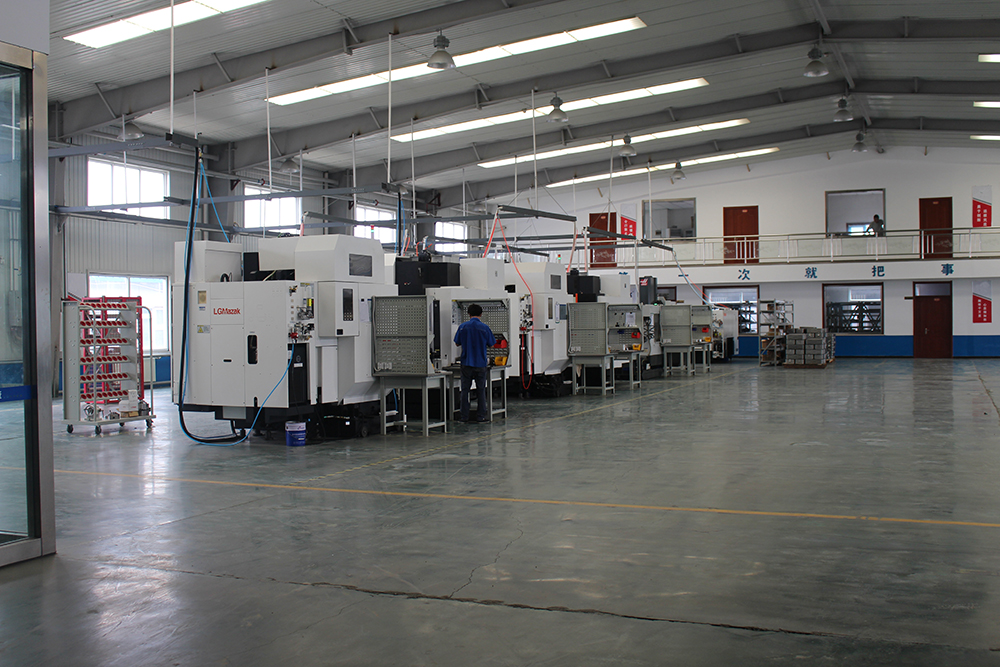
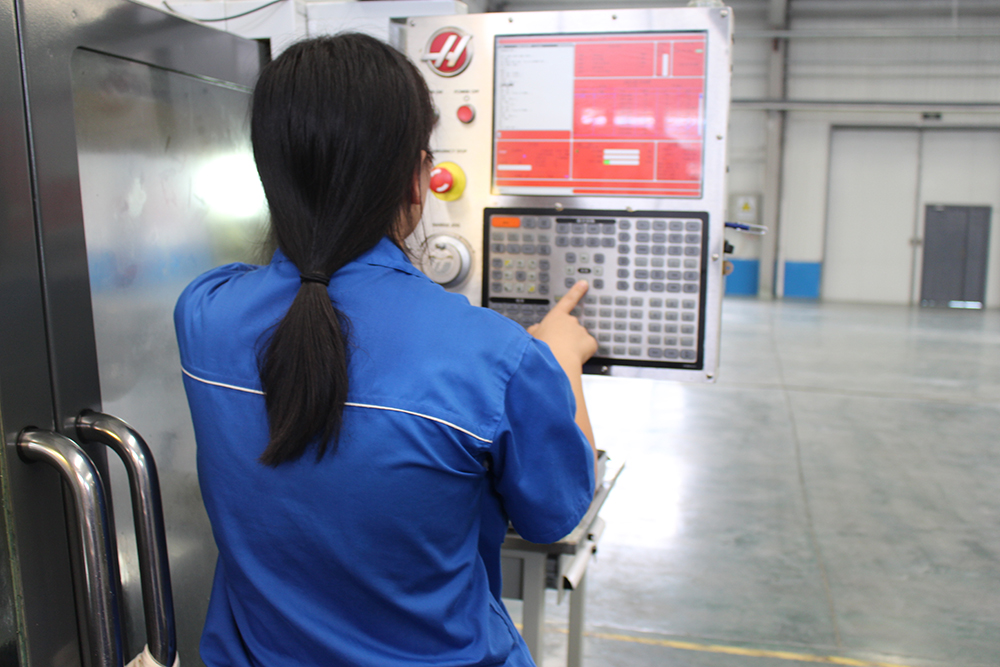
Documented operational infrastructure, quality standards, and verified performance statistics for Shenzhen HUL Healthcare Technology Co., Ltd. (Bopull Medical).
Shenzhen HUL Healthcare Technology Co., Ltd. (operating as Bopull Medical) runs a highly integrated system dedicated to orthopedic instrumentation and medical device supply chains. Emphasizing strict adherence to international standards, the organization has achieved the GB/T42061-2022 idt ISO13485:2016 certification for medical device quality management.
By maintaining modern quality management controls and investing in precise testing equipment, the technical teams deliver performance and structural integrity designed to exceed customer expectations. The organization combines dynamic supply chains with responsive support to resolve technical challenges and deliver reliable outcomes globally.
*Note: Operational support and commercial operations are managed through key hubs located in Beijing and Shenzhen, China.
Analyzing how specific orthopedic device segments meet critical needs in human and veterinary surgical procedures.
Manual tubular retractor systems and MIS OLIF spine retractors allow surgeons to access target vertebrae through smaller incisions. This technique preserves muscle tissue and accelerates recovery times. Torque-controlled surgical screwdrivers ensure spinal fixation constructs are secured with precise torque to prevent screw migration or structural failure.
Arthroscopic knot pushers, reusable suture cutters, and knotless adjustable ACL loop systems allow surgeons to perform joint reconstruction through micro-portals. These tools simplify suture management, decrease surgical time, and minimize post-operative scar tissue in complex shoulder and knee repairs.
Veterinary trauma care increasingly adopts advanced locking systems for canine stifle surgeries. TPLO saw blades and the ALPS titanium locking plate systems provide stable constructs designed for animal biology. Adjustable carbon containers and custom sterilization boxes help clinics keep instruments organized and ready for emergencies.
Professional answers to common technical, material, and regulatory questions from medical device importers and healthcare providers.
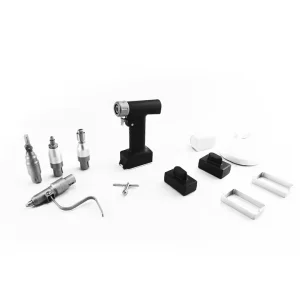
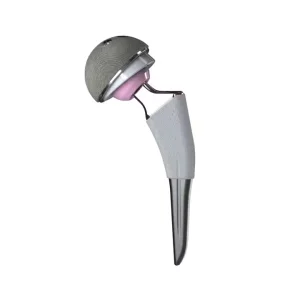
Complete your medical setup with high-precision drills, bone screws, electrosurgical platforms, and joint replacements.
 HUL Healthcare Limited