Explore our premium segment of reconstructive surgical systems, veterinary trauma sets, and minimally invasive diagnostic devices designed for global clinical compliance.
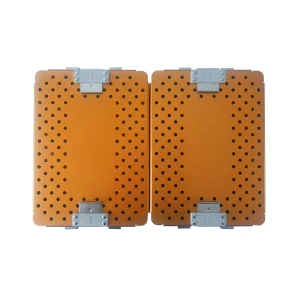
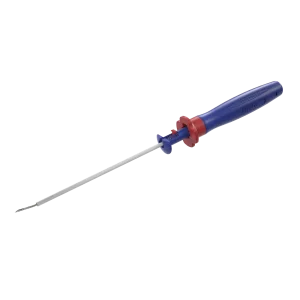
The global market for rehabilitation devices, trauma implants, and orthopedic instruments is undergoing a major paradigm shift. Guided by the principles of **Google's Search Quality Rater Guidelines (E-E-A-T)**, procurement officers, hospital administrators, and veterinary surgical directors require high-fidelity evidence of material biocompatibility, strict regulatory compliance, and supply chain transparency. This document serves as a comprehensive analysis of the top manufacturing standards, material innovations, and the criteria that define the world's leading suppliers.
Historically, rehabilitation products were categorized as simple physical therapy aids. Today, the sector intersects directly with advanced orthopedic surgery, trauma recovery, and veterinary joint reconstruction. The integration of high-performance biomaterials—specifically **medical-grade Titanium alloys (Ti-6Al-4V ELI)**, **Ultra-High-Molecular-Weight Polyethylene (UHMWPE)**, and **Polyether ether ketone (PEEK)**—has closed the gap between internal implant technologies and external rehabilitation solutions.
For medical buyers, selecting a manufacturer is no longer just about unit cost. It requires evaluating the manufacturer's **Technical Roadmap**, their adaptation of **Industry 4.0 automation**, and their capability to provide localized, compliant documentation under MDR (EU Medical Device Regulation) and FDA regulations.
Empowering healthcare ecosystems with robust clinical tools and long-term tech innovation.
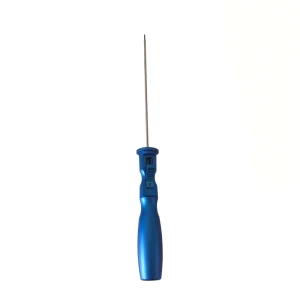
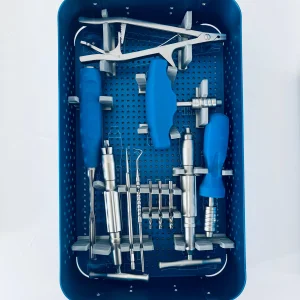
The transition toward outpatient surgeries mandates instruments that minimize trauma. Integrated fiber-optics and LED cold light tubular systems, such as the Bopull spine retractor series, permit surgeons to work through portals smaller than 18mm, reducing patient post-op recovery cycles by up to 40%.
PEEK has emerged as the premier choice for suture anchors and spinal implants. Boasting an elastic modulus highly similar to human cortical bone, PEEK mitigates the stress shielding effect common to heavy metal implants, optimizing long-term osteointegration and mechanical stability.
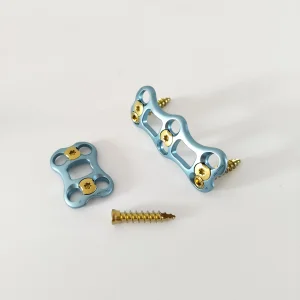
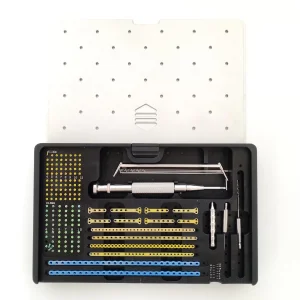
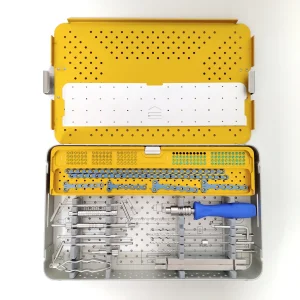
Companion animals present unique orthopedic geometries. Systems like the ALPS 5.0/6.5mm Titanium Locking System reflect a deep clinical understanding, using biological contouring and variable angle locking screws to reduce implant failure in highly active canine or feline patients.
Direct verification of technical capabilities, quality management certification, and organizational infrastructure.
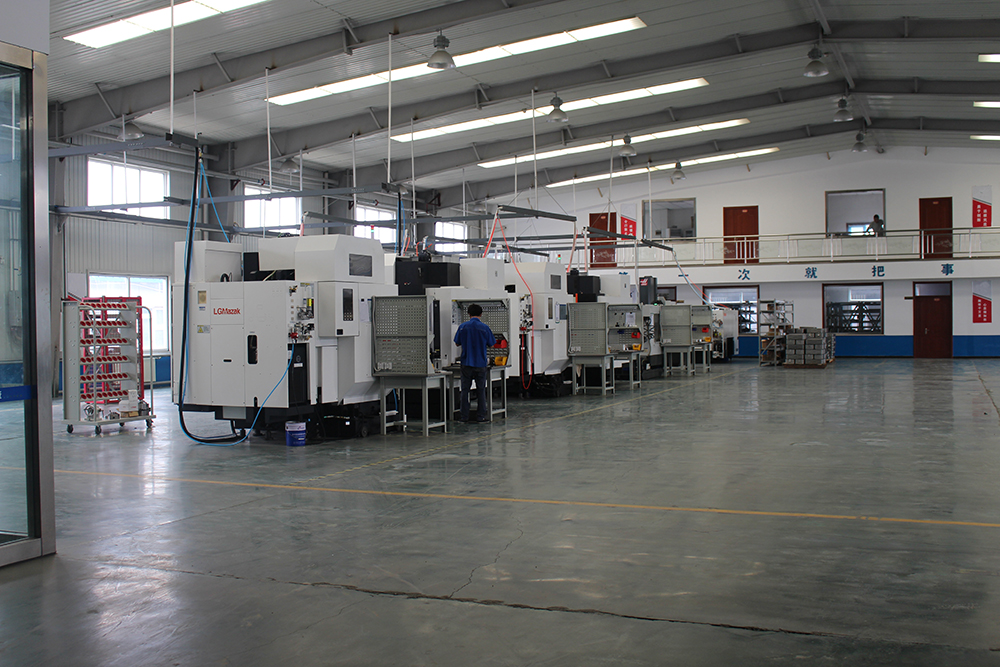
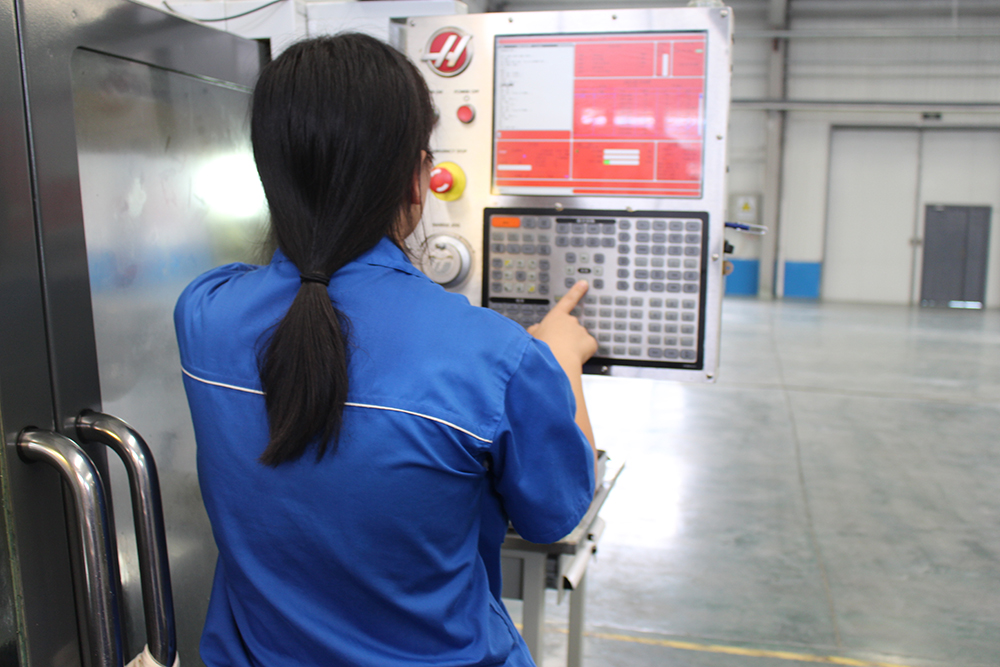
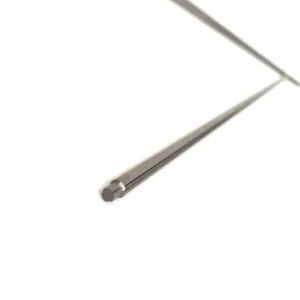
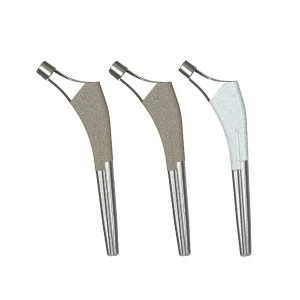
Modern medical manufacturing demands extreme precision. The integration of **Factory 4.0** technologies in Chinese facilities—such as high-speed multi-axis CNC milling, laser sintering, and automated coordinate measuring machines (CMM)—ensures that complex components like femoral stems and flexible reamers meet sub-micron tolerance levels.
Furthermore, raw material supply lines in China are highly consolidated. Leading factories source raw titanium and medical-grade stainless steel directly from verified national mills, ensuring material traceability from melt lot down to the finished screw. This integrated ecosystem dramatically lowers logistics costs and protects buyers against global supply disruptions.
| Assessment Criteria | Tier-1 China Factory 4.0 Standards | Traditional OEM Factories |
|---|---|---|
| Traceability | Full digital lot tracking from raw ingot to sterile package (UDI ready) | Paper-based batch documentation with potential gaps |
| Tolerance Standard | Up to ±0.005 mm (Five-axis CNC grinding) | ±0.05 mm (Manual and semi-automated turning) |
| Cleanroom Class | ISO Class 7 (10,000) packaging environments | ISO Class 8 or non-certified packing areas |
| Validation Support | Comprehensive IQ/OQ/PQ protocols provided | Basic operational validation sheets only |
Navigating the complex regulatory waters of different regions requires strict adherence to international standards. For North American markets, compliance with FDA 510(k) clearances is essential. In Europe, the transitioning from MDD to MDR (Regulation EU 2017/745) mandates a higher level of clinical data collection and post-market surveillance.
Shenzhen HUL Healthcare (Bopull Medical) has constructed its manufacturing processes to align seamlessly with both standard Western methodologies and regional regulations. By operating under **GB/T42061-2022** (which is identical to the international **ISO 13485:2016** quality framework), the company ensures that all design dossiers, clinical evaluations, and risk mitigation strategies match the expectations of notified bodies globally.
Actual plant operations and machinery verification for professional supply audits.
When executing contracts for critical care systems, orthopedic devices, or trauma implants, enterprise-level procurement officers should rely on a structured matrix of engineering, chemical, and physical checks:
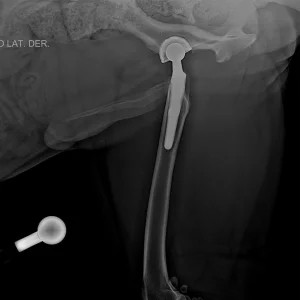
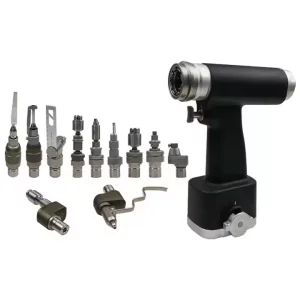
Discover our advanced line of spinal implants, total hip replacement components, and powered orthopedic surgical tools.
Critical procurement intelligence for medical distributors, orthopedic surgeons, and project directors.
 HUL Healthcare Limited