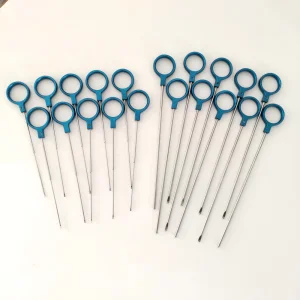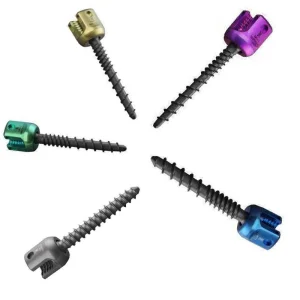
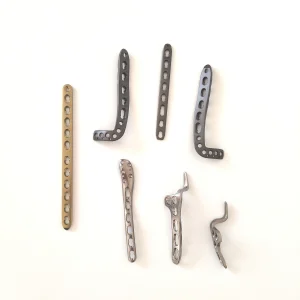
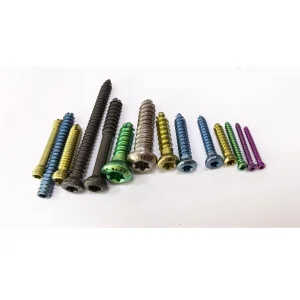
Analyzing the structural shift toward bio-compatible titanium alloys, minimally invasive instrument profiles, and cost-effective bulk procurement frameworks.
Modern clinical standards demand absolute biophysical compatibility. Leading factories prioritize ASTM F136 surgical-grade titanium alloys and 316LVM implant-grade stainless steels. The chemical profile of titanium, specifically Ti-6Al-4V ELI (Extra Low Interstitials), provides high specific strength, structural fatigue limits, and resistance to localized pitting in physiological environments.
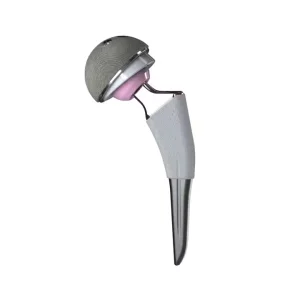
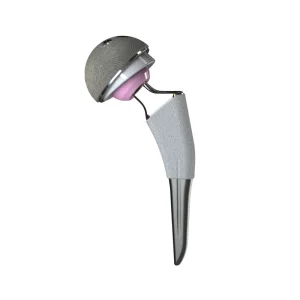
Orthopedic joint prosthetics, such as ceramic-headed hip replacement assemblies, are subjected to millions of gait-cycles. Zero-debris wear interface is vital to mitigate aseptic loosening. Advanced manufacturers employ cleanroom precision surface finishing (Ra < 0.01μm) and high-density, hot-isostatically pressed alumina/zirconia composite matrices.
Regulatory alignment with FDA 21 CFR Part 820, EU MDR 2017/745, and ISO 13485:2016 quality management standards is non-negotiable. Sourcing teams rely on rigorous raw material tracking (melt mill sheets) and full lot traceability protocols to comply with legal validation constraints and clinical trial protocols.
Global hospitals and distribution networks are optimizing their vendor networks. Integrating high-capacity Chinese manufacturing centers ensures structural cost efficiency while mitigating clinical shortages. Partnering with ISO-certified production lines allows healthcare systems to balance standard inventory costs.
Leveraging advanced automation, high-performance CNC multi-axis machining, and specialized metallurgic passivation processes to produce clinically compliant surgical hardware at scale.
The surgical instruments manufacturing sector in China has shifted from low-cost manual assembly to automated, high-precision environments. Multi-axis CNC milling machines run alongside robotic surface finishing networks. This setup yields high dimensional consistency with tolerance ranges tighter than ± 0.005mm.
Whether producing micro-surgical cannulated screws or structural spine fixation pedicle systems, Chinese facilities utilize specialized passivation and electrochemical anodization. These surface treatments create a stable, passive chromium-oxide or titanium-dioxide layer, enhancing in-vivo resistance to corrosion and reducing metal-ion leaching risks.
Furthermore, local manufacturing clusters integrate supply chains, from smelting raw titanium alloy to final vacuum-packaged gamma sterilization. This proximity speeds up turnaround times, allowing customized OEM/ODM projects to transition from design parameters to certified prototypes in weeks.
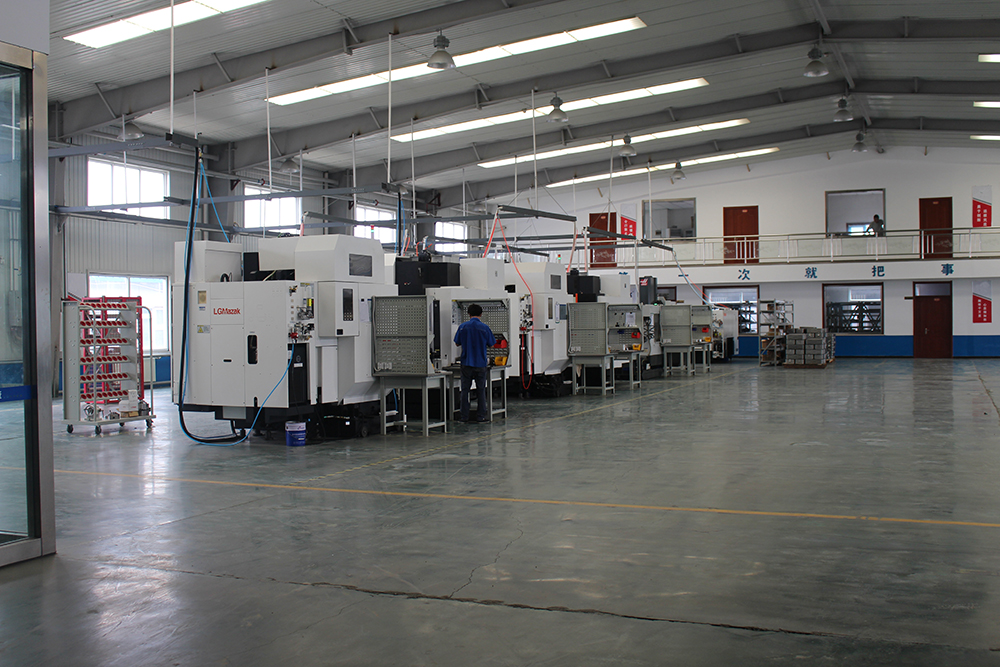
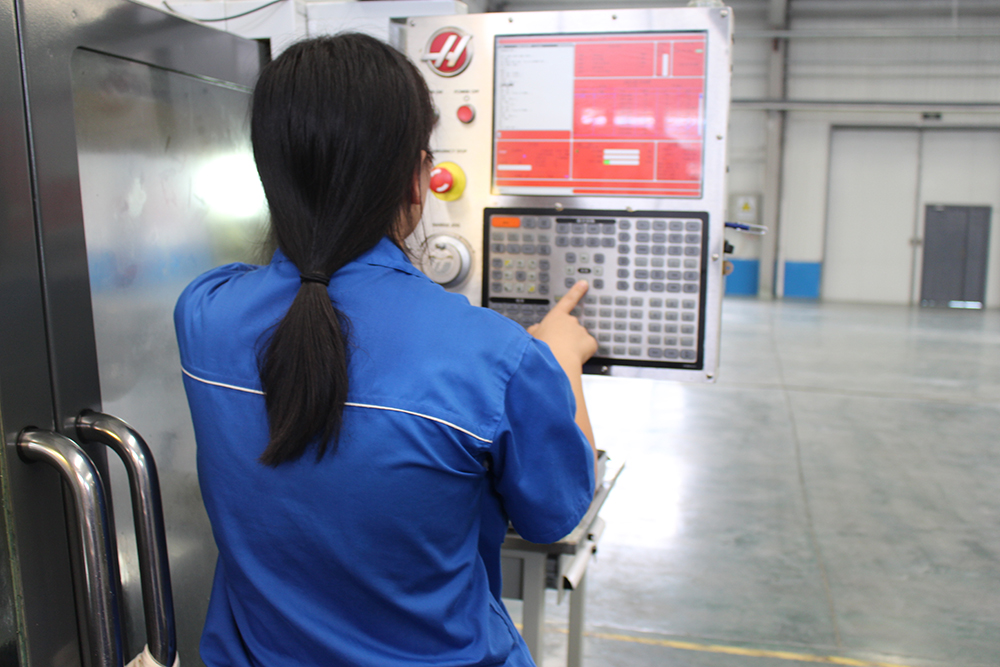
Operating as Bopull Medical, the company manages production and trading systems aligned with international regulations and quality standards.
Bopull Medical has implemented quality systems certified to the GB/T42061-2022 idt ISO13485:2016 international standard. The factory utilizes advanced processing machinery, supported by an engineering team focused on custom clinical requests. Their quality management practices are designed to deliver reliable products, receiving recognition across orthopedic and veterinary divisions.
How surgical supply factories engineer specialized structural hardware configurations for varying anatomical loads and biological constraints.
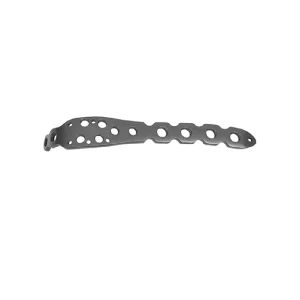
Human trauma devices demand strict compliance with physiological load patterns. Posterior thoracolumbar fixation setups, containing monoaxial or polyaxial pedicle screws, require careful screw thread engineering (dual-lead threads) to maximize pull-out strength in cancellous bone. Locking compression plates (LCP) for human distal radius fractures must feature low-profile shapes to prevent soft-tissue irritation and tendon rubbing.
Veterinary orthopedics has grown increasingly specialized. Cruciate repair in canine models frequently utilizes Tibial Plateau Leveling Osteotomy (TPLO) saws and anatomically shaped locking plates. Given the diverse skeletal sizing and density variations across different breeds, veterinary implants must provide balanced flexibility. Specialized small-animal total hip assemblies rely on biocompatible titanium stems sized from #1 to #5 to achieve proper press-fit stability.
Establish a structured framework to evaluate potential surgical hardware suppliers and maintain supply chain reliability.
Demand certified mill test sheets and chemical composition analyses (such as ICP-AES results) for every batch of raw metal used in manufacturing.
Verify the supplier uses Coordinate Measuring Machines (CMM) and optical comparators to confirm implant thread profiles match design drawings.
Confirm the supplier's cleanrooms meet ISO Class 7 (Class 10,000) limits for packaging, helping to control bioburden levels before sterilization.
Choose factories with rapid communication channels (under 3-hour response windows) to coordinate changes in shipping, customs, or regulatory paperwork.
How advanced material design and digitalization are redefining implant manufacturing standards.
Traditional subtraction-based CNC machining is being paired with direct metal laser sintering (DMLS). Printing titanium implants allows for the creation of porous structure configurations. These mimic trabecular bone, supporting natural osteointegration and lowering the long-term risk of implant migration or loosening.
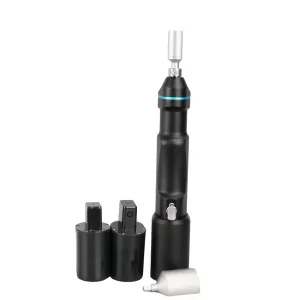
Next-generation drills, reamers, and retractors incorporate embedded sensors. These micro-sensors track mechanical torque limits and local temperature changes in real time, alerting surgeons to potential bone overheating and helping to reduce risk during high-speed bone cutting.
Important information regarding compliance, custom fabrication options, and international shipping protocols.
The primary raw materials used are ASTM F136 Ti-6Al-4V ELI (Extra Low Interstitial) Titanium Alloy, ISO 5832-1 316LVM (Vacuum Arc Remelted) Stainless Steel, and implant-grade PEEK (Polyetheretherketone). These materials are chosen for their high mechanical strength, resistance to corrosion in biological environments, and established biocompatibility.
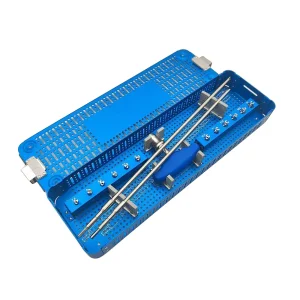
Yes, Bopull Medical provides OEM/ODM manufacturing. Backed by an engineering team, they can customize plate geometries, screw threads, and entire surgical instrument sets. Customers must supply CAD models or sample components, and production is carried out under ISO 13485:2016 quality systems.
Implants can be supplied sterile or non-sterile. Sterile items are packaged in cleanrooms conforming to ISO Class 7 standards, using medical-grade Tyvek peel-packs. Sterilization is performed via gamma irradiation or Ethylene Oxide (EtO) treatment, verified by dose mapping and sterilization validation reports.
Lead times depend on the complexity of the order and the level of customization. Standard stock components, such as common bone plates and screws, typically ship within 7–14 business days. Custom instrumentation sets or specialized OEM implants require 30–60 days, including time for material sourcing, cleanroom packaging, and sterilization runs.
Each delivery includes a Certificate of Conformance (CoC), material traceability records linking to raw metal melt numbers, dimensional inspection sheets, and sterilization compliance labels. For European destinations, documents are aligned with EU MDR requirements.
 HUL Healthcare Limited