Top China Medical Equipment Factory & Supplier

Global-Grade Surgical Instruments, Orthopedic Implants, and Veterinary Devices Engineered with ISO 13485:2016 Certification and Uncompromising Precision.

1. The Global Landscape of Surgical & Orthopedic Instrumentation

The global healthcare industry is experiencing unprecedented structural shifts. As demographics skew older in major regions like North America, Western Europe, and East Asia, the clinical demand for orthopedic reconstructions, joint replacements, spinal fusions, and minimally invasive sports medicine interventions has reached historic peaks. Modern hospitals, specialized orthopedic institutes, and veterinary surgical clinics demand instruments that perform with ultimate precision, high durability, and absolute biocompatibility.

Whether in human traumatology or veterinary surgery, the margins of error are non-existent. A single compromised bone blade or an improperly calibrated torque handle can degrade clinical outcomes. Consequently, healthcare procurement specialists prioritize factories that not only possess extensive mechanical fabrication capabilities but also validate their designs through strict quality management protocols.

2. China's Medical Manufacturing Advantages: High Efficiency Meets Surgical Standards

Over the past two decades, China has evolved from a high-volume manufacturer to a global epicenter of high-tech medical engineering. The primary driver of this transition is the integration of advanced raw materials supply chains with ultra-precise CNC milling and swiss-turning technologies. Chinese medical equipment factories benefit from a localized, end-to-end industrial ecosystem that enables rapid prototyping, rigorous testing, and swift mass production.

  • Precision Metallurgy: Utilization of implant-grade titanium alloys (Ti-6Al-4V ELI) and medical-grade martensitic/austenitic stainless steels (such as 316L and 440C) ensuring high tensile strength, fatigue resistance, and corrosion-free autoclaving cycles.
  • Agile Prototyping: Rapid conversion of CAD designs to physical surgical models. Customized dimensions for specific clinical studies or customized veterinary implants can be turned around in days rather than months.
  • Unrivaled Cost-Efficiency: Optimizing manufacturing paths via automation allows Chinese suppliers to offer competitive prices without compromising on cleanroom assembly protocols, passivation procedures, and ISO certification parameters.

Proven Capabilities & Operational Strength

Built on international regulatory baselines and high industrial trust metrics.

ISO 13485
Quality Management System
301 - 500
Skilled Industry Professionals
≤ 3 Hours
Average Response Time
34%
Client Reorder Rate

Shenzhen HUL Healthcare Technology Co., Ltd. (Bopull Medical)

Strictly compliant with international laws, regulations, and quality controls.

Business Type
Trading Company & Manufacturing Hub
Operating Standards
GB/T42061-2022 / ISO13485:2016
Annual Revenue
US$1 Million - US$2.5 Million
Response Rate
95.36% (High Responsiveness)
Location
Beijing / Shenzhen, China
Industry Experience
Over 3 Years Registered (Decades combined team experience)

Industrial Description: Bopull Medical operates under rigorous quality management structures. The company has passed the GB/T42061-2022 / ISO13485:2016 quality management system international standard certification. Focused on providing exceptional support, their young, enterprising, and innovative engineering team resolves complex technical problems for international medical distributors. Our commitment to continuous development in advanced manufacturing equipment keeps us competitive in the global medical sourcing market.

3. Localized Clinical Application Scenarios

Orthopedic and surgical gear is optimized for specific anatomical and physiological needs. Below are the key sectors utilizing Bopull Medical equipment:

🩺

Human Trauma & Reconstruction

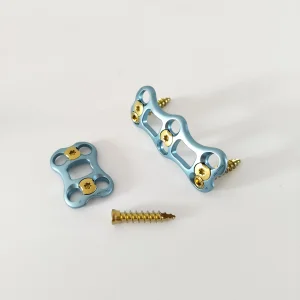
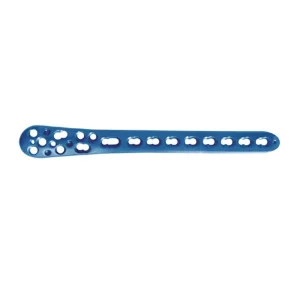
Anterior cervical plates, distal tibia locking plates, and small fragment instruments are vital for internal fixation of bone fractures. These systems provide structural stability to facilitate early patient mobilization and bone healing.

🏃

Sports Medicine & Arthroscopy

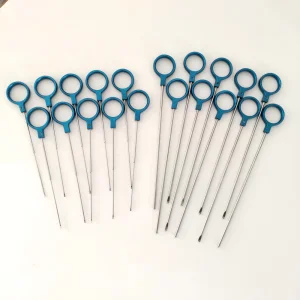
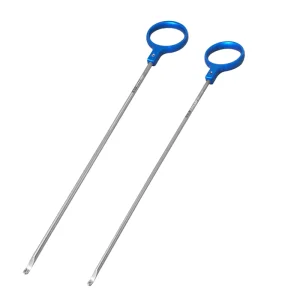
Sports medicine shaver blades and arthroscopic knot pushers are engineered for minimally invasive joint surgeries (such as meniscus repairs, rotator cuff reconstructions, and ACL stabilization), reducing surgical trauma and patient recovery times.

🐾

Veterinary Orthopedics

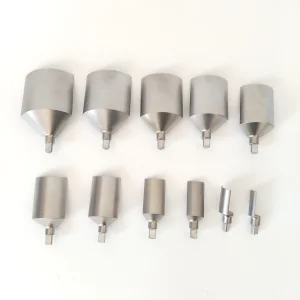
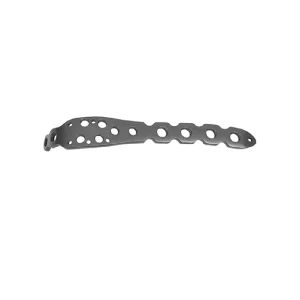
TPLO (Tibial Plateau Leveling Osteotomy) saw blades, ALPS veterinary locking plates, and veterinary syringe sets are tailored for canine and feline musculoskeletal anatomies, allowing veterinary surgeons to execute procedures with specialized, sized instruments.

4. Key Procurement Demands of Global B2B Buyers

Hospital groups, medical distributors, and OEM buyers search for key factors when identifying a partner. The priority is to establish a secure supply chain with a dependable manufacturer who offers:

  1. Regulatory Documentation: Complete traceability from raw material melts (steel/titanium mill certificates) to final biological cleaning and sterilization compliance.
  2. Dimensional Precision: Strict dimensional tolerances (often within micrometers) to guarantee that components, such as shaver blades and drill bits, integrate seamlessly with existing power tools and surgical handles.
  3. Longevity under Autoclave Cycles: High resistance to corrosion, pitting, and thermal shock during repeated steam sterilization processes.
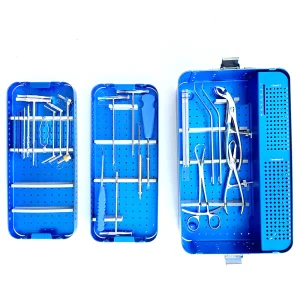
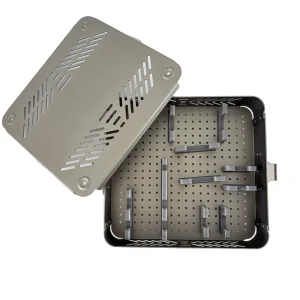
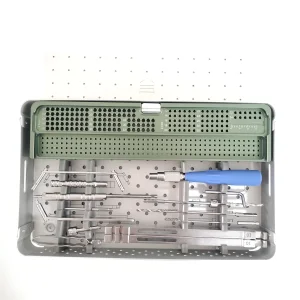
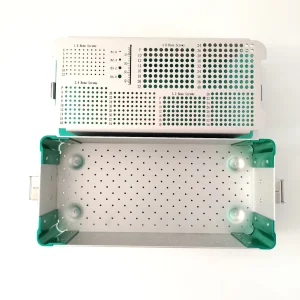
  4. Flexible Customization (OEM/ODM): Capable of producing specialized sterilization boxes, custom torque handles, or customized bone plates according to drawings and functional mock-ups.

5. Future Trends in Medical & Orthopedic Equipment

The manufacturing sector for surgical equipment is shifting toward smart and minimally invasive clinical practices. Key developments include:

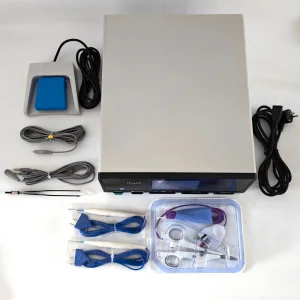
  • Smart Electrosurgical Systems: Integrating microprocessors into electrosurgical platforms to dynamic-match tissues impedance, limiting thermal spread and reducing collateral tissue damage during cauterization.
  • Additive Manufacturing (3D Printing): Advanced orthopedic factories utilize selective laser melting (SLM) to fabricate custom bone plates and porous structural scaffolds that support faster bone ingrowth (osteointegration).
  • Sustainable Sterilization Solutions: Switch towards anodized aluminum sterilization containers and high-temperature polymer storage systems that reduce the usage of single-use sterilization wraps and minimize environmental footprints.
  • Specialized Veterinary Tooling: The pet care sector demands human-grade raw materials and precision engineering, driving growth in CE-certified veterinary instrument kits (such as the ALPS and TPLO series).

Industrial Q&A: Key Procurement & Technical Guidelines

Expert technical answers regarding materials, custom manufacturing, and global regulatory compliance.

Q1: Which regulatory certifications do your medical devices and orthopedic implants comply with?
Our manufacturing and trade management partners operate under the strict supervision of the ISO 13485:2016 Quality Management System, corresponding to the Chinese equivalent GB/T42061-2022. This ensures that every process step—from material procurement, CNC machining, passivation, biological cleanroom processing, to shipping—is fully traceable and meets international standards. Many orthopedic hand tools and manual instruments also hold CE Class II declarations, making them ready for global distribution.
Q2: What specific materials are utilized in sports medicine shaver blades and orthopedic plates?
We use medical-grade materials selected for their biocompatibility and mechanical performance. For surgical implants (such as distal tibia and anterior cervical locking plates), we use Grade 5 Titanium Alloy (Ti-6Al-4V ELI). For cutting tools, shaver blades, and arthroscopic knot pushers, we use martensitic stainless steel (such as AISI 440C or 420) and high-performance austenitic stainless steel (such as AISI 316L) to guarantee sharpness, durability, and corrosion resistance under steam sterilization.
Q3: Do you support OEM/ODM customized orders for specialized surgical instruments or implant plates?
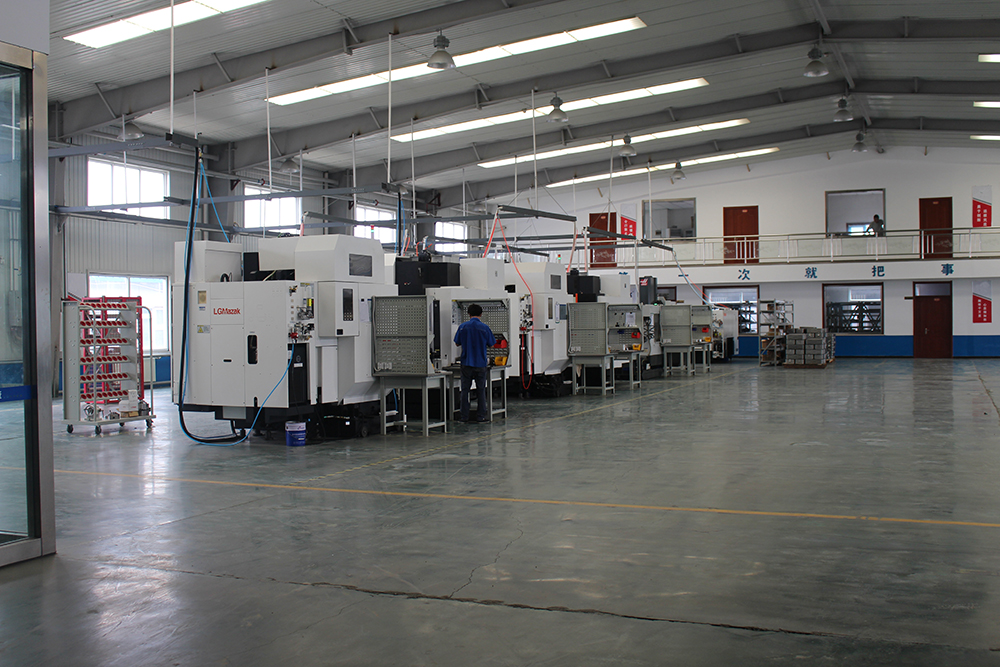
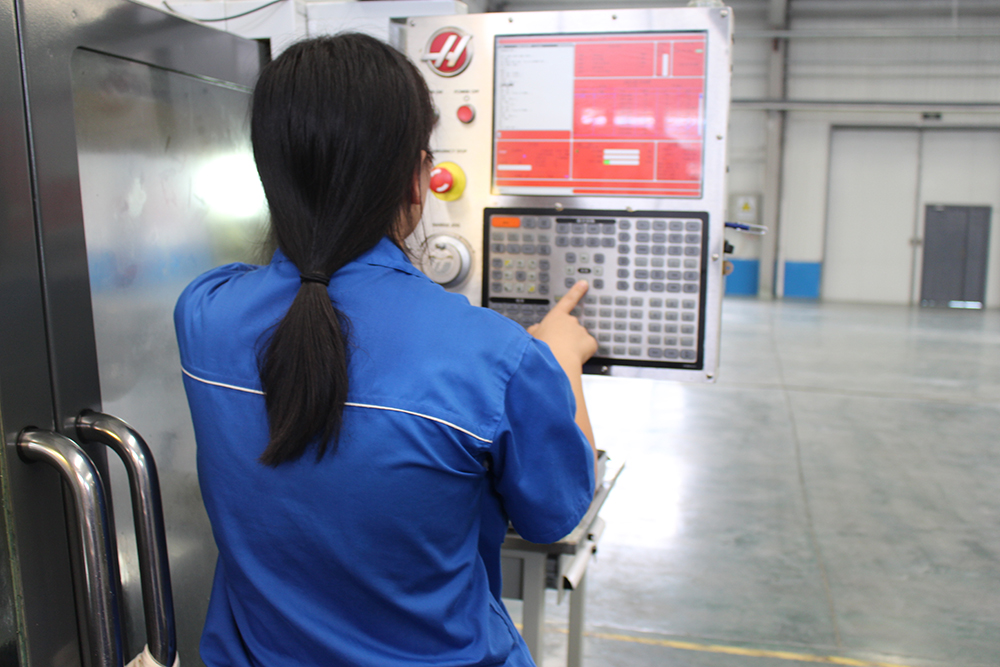
Yes. Bopull Medical works with advanced production facilities equipped with multi-axis CNC machines, wire-cutting EDM, and surface polishing centers. Customers can supply mechanical drawings (2D/3D CAD models) or sterilization container dimensions. Our engineering team can assist with prototyping, mechanical verification, and mass production setups.
Q4: How does a torque control handle benefit spinal and orthopedic trauma surgeries?
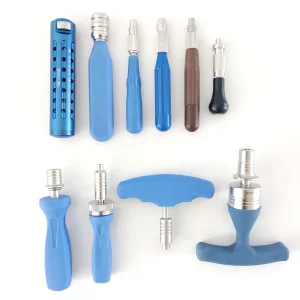
Torque control handles prevent the over-tightening of bone screws inside anatomical structures. Over-tightening can strip bone threads or damage implant plates. By calibrating the handle to release or click at a preset torque limit (e.g., 1.5 Nm, 2.5 Nm, or 4.0 Nm), surgeons can secure the plate construct safely while protecting the patient's bone density.
Q5: What is the difference between human-grade and veterinary-grade orthopedic surgical kits?
Veterinary orthopedic kits (like the ALPS locking plate system or TPLO saw blades) are engineered with anatomical dimensions suited for dogs, cats, and other small animals. While the sizing is scaled down, the material requirements (biocompatible Titanium and Grade 304/316L stainless steel) and manufacturing tolerances remain comparable to human clinical instruments.
Q6: How do you prevent corrosion and rust on stainless steel instruments over repeated autoclaving cycles?
All stainless steel surgical instruments undergo chemical passivation, which removes free iron from the surface to form a thin chromium oxide passive layer. We recommend following post-surgical washing protocols, using pH-neutral detergents, and drying instruments before autoclave sterilization.
Q7: What is the lead time and dispatch process for international procurement orders?
Standard inventory instruments can be prepared for dispatch within a few days. Custom orders, large fragment plates, or specialized surgical power tool cases may require 15 to 45 days, depending on material sourcing and machining runs. Our team averages an inquiry response time of ≤ 3 hours to keep clients updated on progress.

Advanced Manufacturing & Quality Inspection Facilities

View of the state-of-the-art production floors and inspection centers where global compliance standards are achieved.