Providing robust veterinary diagnostics, micro-surgical tools, and custom clinical solutions engineered for durability and ultimate accuracy.
Tracing the evolution from standard cellular impedance counting to next-generation laser flow cytometry and AI-driven digital morphology.
Modern clinical diagnostic structures depend heavily on Semiconductor Laser Scatter combined with fluorescent flow cytometry. By targeting cellular nucleic acids, modern analyzers can differentiate white blood cells (WBC) based on internal complexity, cell size, and DNA/RNA configuration. This eliminates manual differential margins of error, facilitating highly accurate atypical cell and immature granulocyte flagging.
Traditional impedance systems suffer from cell coincidence and clogging. Our technological pipeline integrates hydrodynamic focusing. When blood cells pass in single-file through the microfluidic aperture channel, electrical signals measure the cell volume precisely. This guarantees accurate mean corpuscular volume (MCV) and red blood cell distribution width (RDW) calculations, critical for anemia diagnosis.
The future roadmap converges toward combining standard five-part CBC measurements with integrated optical digital cell imaging. Using high-resolution CCD cameras and deep convolutional neural networks (CNN), upcoming systems classify atypical cells and pathogens dynamically. This shifts clinical diagnostic laboratories away from manual microscopic verification steps, slashing turnaround times (TAT) from hours to minutes.
Custom-fit architectural layouts optimized for laboratories, hospitals, and critical veterinary medical infrastructures.
For high-volume laboratories processing over 500 samples daily, efficiency is paramount. Modern solutions combine open tube and auto-loading modules with integrated hematology lines. These layouts feature smart re-run and reflex testing rules, automatically routing abnormal specimens for morphological review. The results are fully integrated with LIS (Laboratory Information Systems) using HL7 protocols.
Veterinary diagnostics require tailored multispecies detection algorithms. Standard mammalian profiles (dogs, cats, horses, sheep, cows, and pigs) feature highly divergent cell distributions. For instance, feline platelets are often similar in size to microcytic erythrocytes, posing a risk of false thrombocytopenia readings. Our veterinary orthopedic and diagnostic pipelines are designed to handle specific cellular sizes, leveraging specialized laser profiles and microfluidic channels to bypass interference.
Point-of-Care Testing (POCT) requires compact, cartridge-based reagents and zero routine maintenance. Utilizing disposable microfluidic cartridges, decentralized systems provide rapid 3-part or 5-part differentials inside emergency rooms, ICU wards, or remote field environments. These units eliminate raw reagent logistics challenges, enabling immediate therapeutic decision-making.
Combining raw manufacturing capacity, high-precision Swiss lathes, and ISO 13485 certified quality management systems.
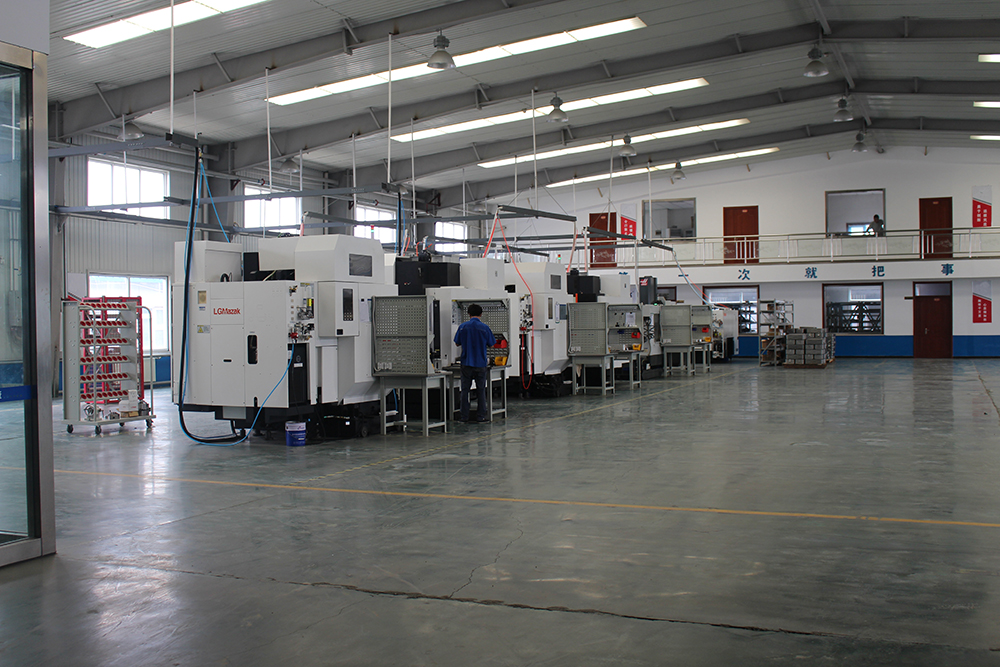
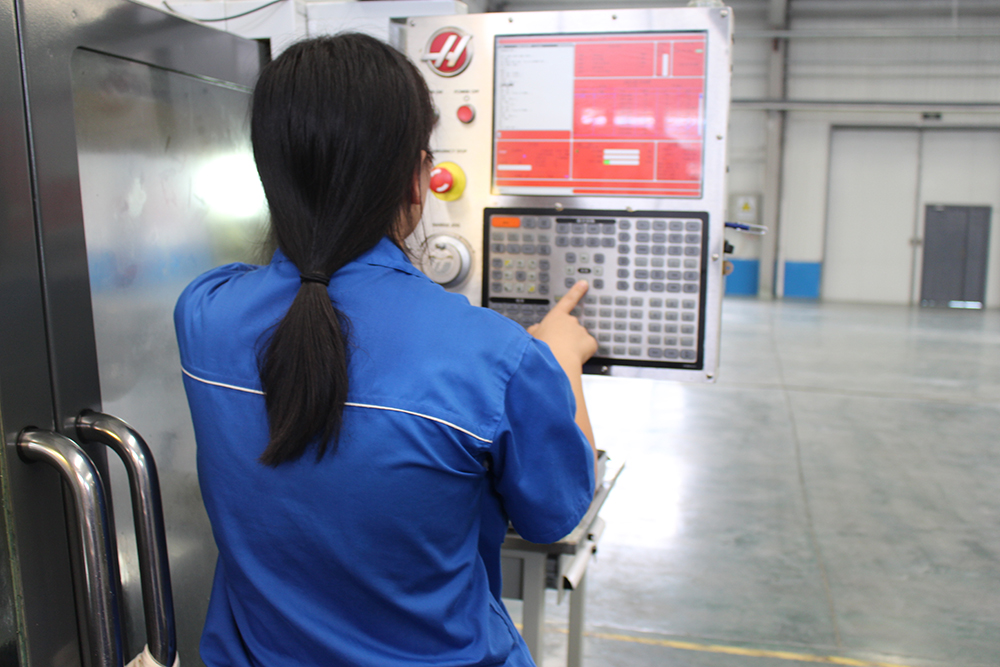
Under strict adherence to GB/T42061-2022 and ISO 13485:2016, our production facilities process premium surgical, dental, and diagnostic hardware. From Swiss-type longitudinal turning lathes to automated coordinate measurement systems (CMM), every diagnostic component, precision screw, and assembly housing undergoes rigorous validation, ensuring absolute tolerance compliance and long-term functional stability.
Positioned in China's industrial and technological clusters (Shenzhen and Beijing), HUL Healthcare leverages a robust localized material supply system. Our high-throughput raw material access, combined with automated precision injection molding and localized component assembly, reduces system assembly times by up to 40% compared to Western manufacturing hubs, delivering cost benefits directly to distributors.
We actively help our global partners minimize their TCO. By implementing open reagent channels or providing robust licensing agreements for localized reagent formulation, distributors bypass high fluid logistics costs. Standardized, wear-resistant hardware modules mean fewer technical failure points, reducing field repair costs and maximizing end-user clinical uptime.
Technical performance metrics highlighting precision, processing volume capabilities, and system calibration guidelines.
| System Parameters | 3-Part Differential Analyzer | 5-Part Differential Analyzer | Integrated Veterinary Diagnostic Systems |
|---|---|---|---|
| Technology Methodologies | Coulter Electrical Impedance, Colorimetric Hemoglobin | Flow Cytometry, Laser Scatter, Chemical Staining | Multidirectional Flow Cytometry, Custom Species Profiling |
| Diagnostic Parameters | 21 Parameters, 3 Histograms (WBC/RBC/PLT) | 29+ Parameters, 3D Scattergrams, Atypical Cell Flags | 24+ Species-Specific Parameters, Eosinophil/Basophil Flags |
| Throughput Performance | Up to 60 Samples / Hour | Up to 90 - 120 Samples / Hour | Up to 60 Samples / Hour |
| Sample Aspiration Volume | ≤ 10 μL (Whole Blood / Capillary) | ≤ 15 μL (Whole Blood / Capillary / Prediluted) | ≤ 20 μL (Micro-aspiration for small animal panels) |
| Data Storage / LIS Linkage | Up to 100,000 Patient Records, Bidirectional LIS | Up to 200,000 Patient Records, HL7 Protocoled Linkage | Custom veterinary clinical platform integrations |
Providing custom software adjustments, localized regulatory support, and responsive engineering to meet distinct market conditions.
We tailor hardware layouts, physical enclosures, and labeling systems to align with your brand standards. Additionally, our R&D team can customize internal fluidic architectures, component dimensions, and raw material grades to match the clinical requirements of your target market.
Navigating global regulatory landscapes requires meticulous data packaging. We assist our distribution partners in preparing comprehensive dossier files for local FDA, CE IVDR, NMPA, and various regional ministries of health. Our ISO 13485:2016 factory audits serve as a solid foundation for your local registration processes.
We provide remote video training sessions and comprehensive documentation to equip your field application specialists and engineers. This ensures your service department can efficiently perform calibration cycles, maintenance routines, and optical alignments, minimizing customer downtime.
Shenzhen HUL Healthcare Technology Co., Ltd. (Bopull Medical) represents standard-setting quality, technical capability, and regulatory compliance.
Operating in strict compliance with laws, regulations, and international quality management protocols.
Bopull Medical operates in strict alignment with international quality standards. The company is certified under the GB/T42061-2022 / ISO13485:2016 quality management systems for medical devices. To support our global client base, we continuously invest in advanced machinery, optical testing systems, and high-precision CNC setups. Our young, innovative team focuses on resolving clinical and technical challenges, delivering systems that exceed expectations.
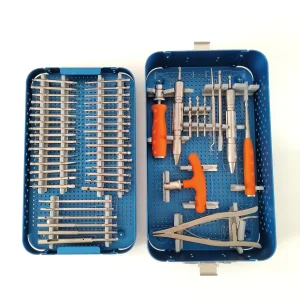
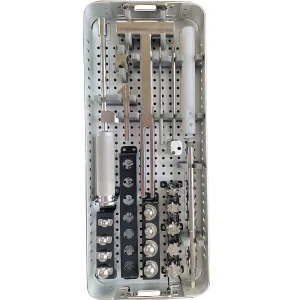
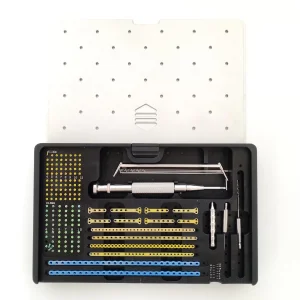
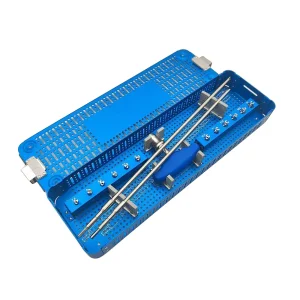
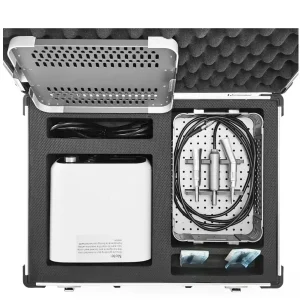
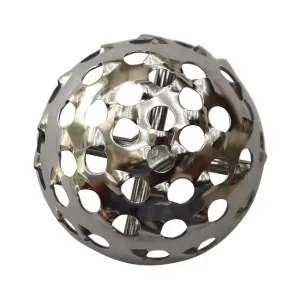
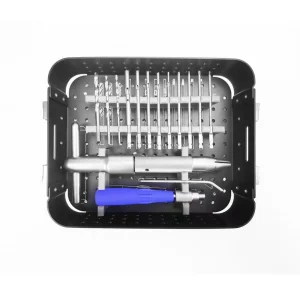
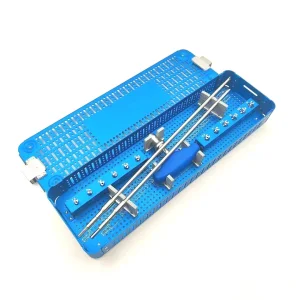
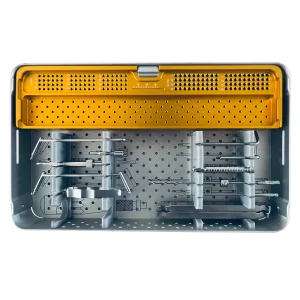
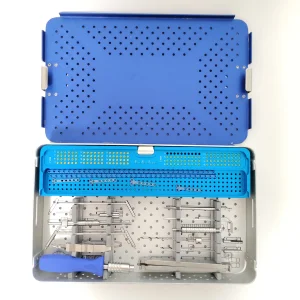
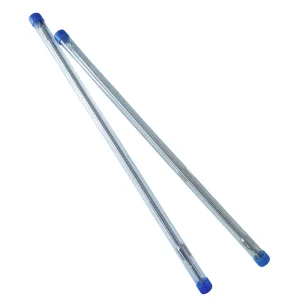
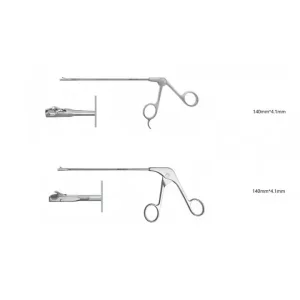
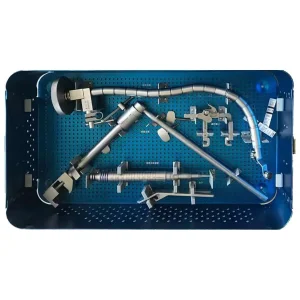
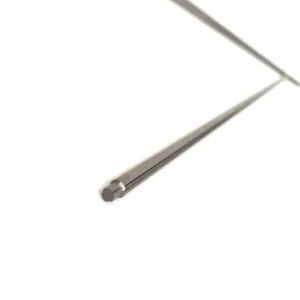
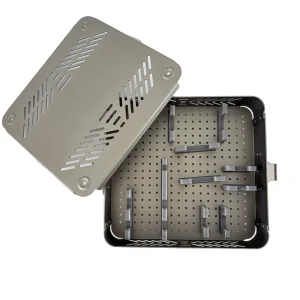
Explore our high-grade stainless steel orthopedic, spinal, and veterinary instruments manufactured for long-term clinical utility.
Addressing crucial technical questions asked by laboratory coordinators, biomedical engineers, and global procurement officers.
The difference lies in the classification detail of white blood cells (WBCs). A 3-part hematology analyzer differentiates WBCs into three main groups: granulocytes, lymphocytes, and mid-cells (monocytes, eosinophils, basophils). It relies primarily on impedance technology. A 5-part analyzer differentiates WBCs into neutrophils, lymphocytes, monocytes, eosinophils, and basophils. It utilizes laser scattering flow cytometry, yielding deeper clinical detail and eliminating manual review steps for irregular patient samples.
Our manufacturing processes conform strictly to GB/T42061-2022 and ISO 13485:2016 standards. This includes full raw material traceability, cleanroom packaging operations, and multi-stage QC checks. Optical alignments, precision machining tolerances, and fluidic system integrations are validated using automated verification equipment to ensure every shipped unit complies with clinical performance standards.
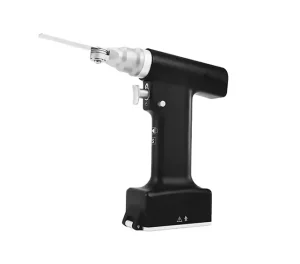
Yes. Our orthopedic and surgical sets, such as the ALPS veterinary locking systems and joint prosthesis sets, are specifically engineered for companion animals and livestock. We offer customized plates, screw specifications, and drill sets tailored to canine, feline, and equine anatomy, helping veterinarians optimize surgical outcomes.
Closed reagent systems restrict the user to the manufacturer's proprietary reagents, ensuring high calibration stability but incurring ongoing operational costs. Open reagent systems allow distributors to use locally manufactured or cost-effective reagents. HUL Healthcare works closely with distributors to configure fluidic systems and barcode integrations, optimizing total cost of ownership (TCO) for regional markets.
Our team responds to queries within ≤3 hours, maintaining a 95.36% response rate. Standard hardware components ship directly from our production hubs, with customized OEM adjustments finalized within predefined project milestones. Comprehensive calibration manuals, video training materials, and direct communication channels with our engineering team ensure smooth onboarding.
 HUL Healthcare Limited