Top Trusted Infection Control Products Factory & Exporter

Pioneering Sterile Surgical Orthopedics, Biomedical Precision Implants, and Advanced Infection Mitigation Systems Globally.

Mitigating Surgical Infection Risks: Advanced Biomedical Engineering

How Shenzhen HUL Healthcare integrates design control and manufacturing sterility to combat Surgical Site Infections (SSIs).

In the theater of modern surgery, the threat of Surgical Site Infections (SSIs) represents one of the most critical challenges to patient recovery and clinical success. Pathogens introduced during invasive procedures can lead to biofilm formation on orthopedic implants, resulting in chronic osteomyelitis, implant rejection, and traumatic revision surgeries. To counter this, Shenzhen HUL Healthcare Technology Co., Ltd. (operating as Bopull Medical) has established a integrated manufacturing matrix where sterile product delivery, biocompatible materials, and surgical infection control protocols converge.
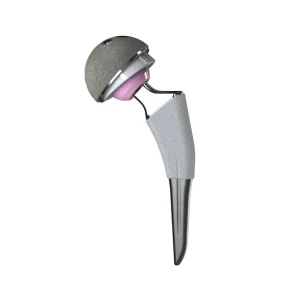
Our medical devices, ranging from total hip replacement systems to micro-surgical saws, undergo rigorous processing to guarantee that every surface exposed to patient tissue is free from micro-organic load. By aligning our production parameters with the internationally recognized GB/T42061-2022 idt ISO13485:2016 quality management system, we ensure that both the design phase and the manufacturing workflows incorporate structural barrier systems to eliminate cross-contamination risks.

1. Biocompatibility and Surface Science in Infection Prevention

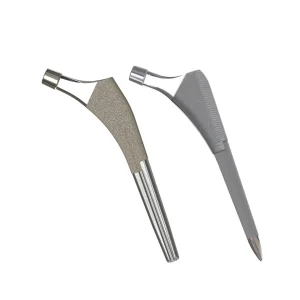
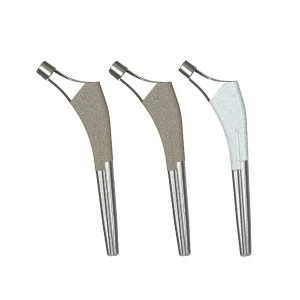
Orthopedic implants manufactured by Bopull Medical utilize high-grade medical titanium (Ti-6Al-4V ELI) and advanced cobalt-chromium alloys. Inherent to our manufacturing process is the application of micro-smoothing surfaces and specialized HA (Hydroxyapatite) coatings. These coatings not only accelerate osseointegration but also minimize initial bacterial adherence. In contrast to standard grade metals, our titanium formulas prevent electrochemical breakdown and subsequent metal-ion shedding, which is a major precursor to localized tissue inflammation and bacterial invasion.

2. Sterilization Containment Systems: The First Line of Defense

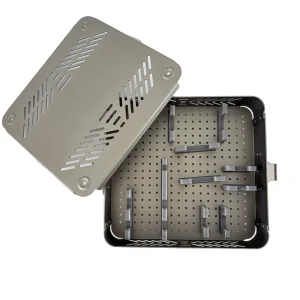
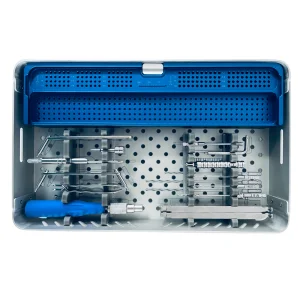
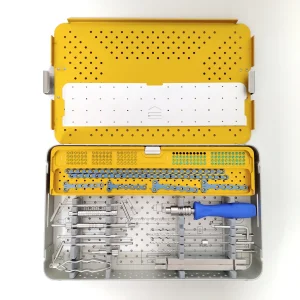
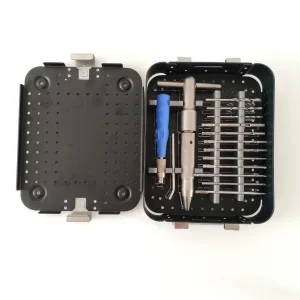
For hospitals and veterinary clinics utilizing multi-functional power drills, preserving the aseptic chain from the autoclave to the sterile operating table is essential. Our Mini Multi-Functional Drill Sterilization Box acts as a physical barrier. Manufactured from high-temperature resistant, medical-grade aluminum alloys and advanced polymers, it allows complete steam penetration during autoclave sterilization (134°C cycles) while protecting delicate surgical handpieces and drill bits from airborne contaminants during storage and transit.
100%
ISO 13485 Compliant
95.3%
Response Rate
<3h
Response Time
34%
Client Reorder Rate

Supply Chain Infrastructure & Localization Compliance

Navigating global regulatory pathways, Chinese manufacturing dynamics, and regional healthcare execution scenarios.

Regulatory Compliance

Full conformance to GB/T42061-2022, ISO 13485:2016, and European CE standards. Every shipment is traceable back to raw titanium lot numbers, satisfying FDA-aligned tracking criteria.

Supply Chain Resiliency

Leveraging China's high-precision industrial cluster, Bopull Medical integrates micro-machining, electro-polishing, and sterile packaging within a unified operational pathway, minimizing lead times.

Localized Application

Whether in human surgical suites or veterinary orthopedic trauma wards, our customized implant sizes and surgical toolkits adapt to distinct biological requirements.
Understanding Regional Variations in Infection Control Standards

Global markets demand diverse contamination mitigation policies. In the European Union, the transition to MDR (Medical Device Regulation) 2017/745 places massive emphasis on Post-Market Clinical Follow-up (PMCF) and bio-burden tracking. In North America, the focus centers on FDA 510(k) clearances with explicit requirements regarding steam sterilizability and validation testing for multi-use surgical instrument assemblies.
Bopull Medical offsets regulatory friction for global buyers by delivering ready-to-verify documentation packages. This includes bio-compatibility reports, cleaning validations (according to AAMI TIR12 and AAMI TIR30), and raw material melt-test certificates. We ensure our distributors from the Americas, Europe, and the APAC region can fast-track local registrations with minimal administrative delay.
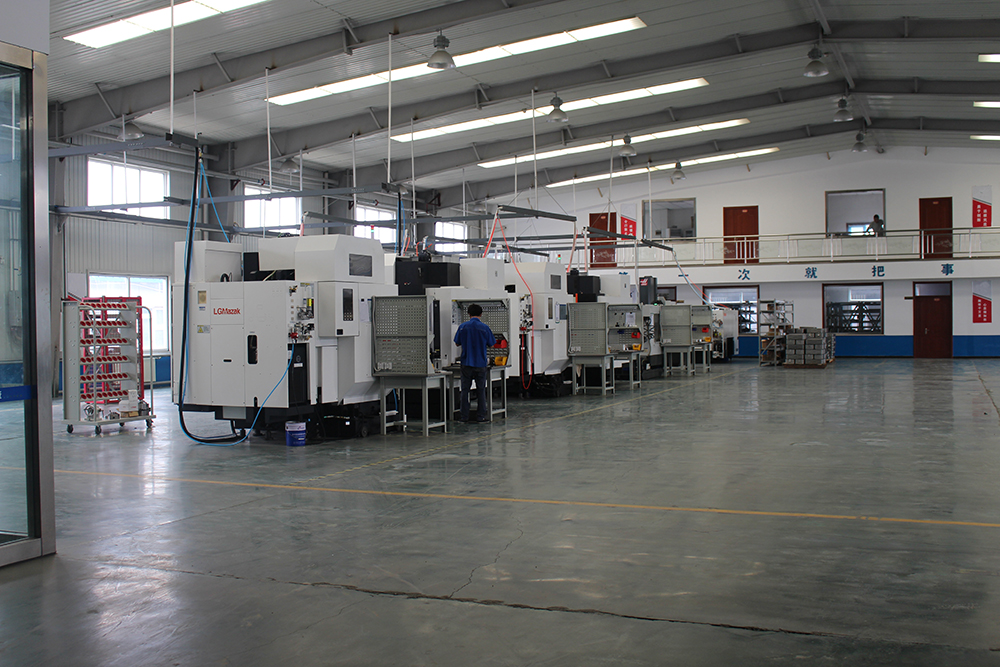
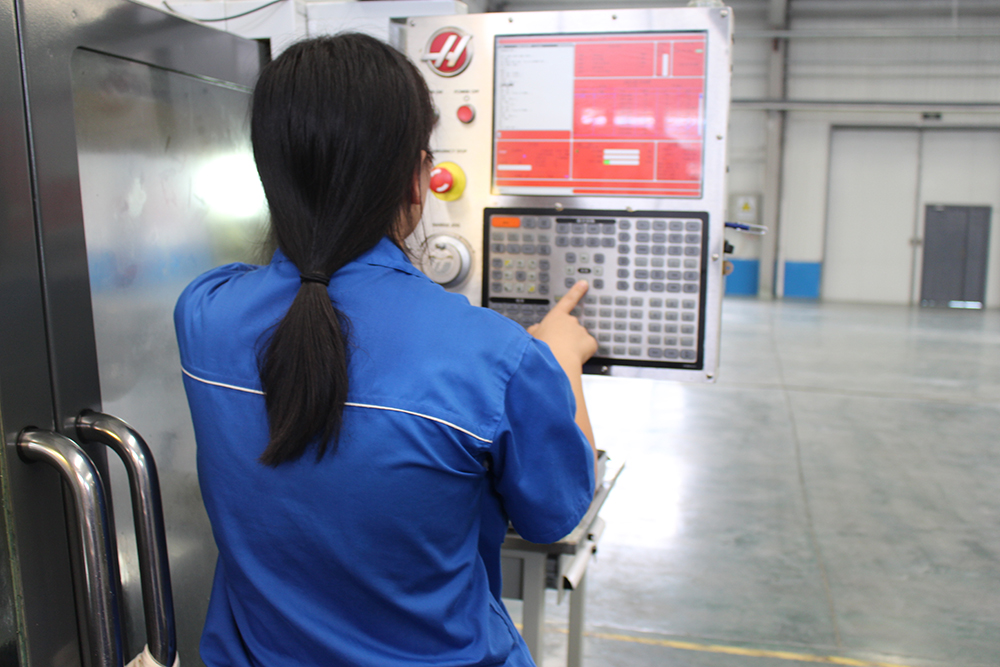
Orthopedic Surgical Instruments Production Factory Floor Precision Quality Control Inspection for Surgical Instruments

China's Supply Chain: The Competitive Advantage of Precision Clusters

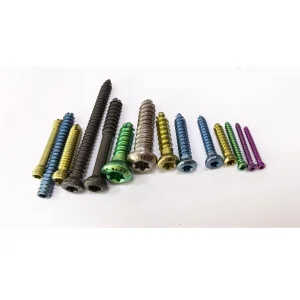
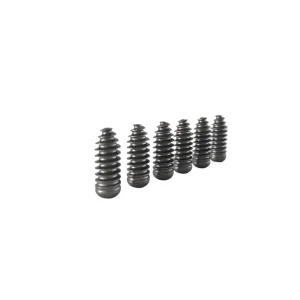
Our manufacturing operations benefit from the highly coordinated industrial clusters of China. We fuse advanced CNC multi-axis milling machines with dust-free ISO Class 7 cleaning and packaging environments. This setup allows Bopull Medical to control the entire micro-finishing profile, ensuring our trauma plates, orthopedic screws, and TPLO saws feature clean, burr-free threads. In contrast to smaller, decentralized regional manufacturers, this structural consolidation keeps our production cost-efficient while yielding high-precision implants that minimize soft-tissue trauma and subsequent infection pathways.

Verified Corporate Capability Profile

Transparent enterprise data audited to satisfy rigorous procurement standards and high-reliability operations.

HUL Healthcare Technology Capability Matrix
Company Name
Shenzhen HUL Healthcare Technology Co., Ltd. (Bopull Medical)
Quality Management Standard
GB/T42061-2022 idt ISO13485:2016 Certification
Total Employees
301 - 500 People
Total Annual Revenue
US$1 Million - US$2.5 Million
Client Reorder Rate
34% (Verified Global B2B Retention)
Average Response Time
Under 3 Hours
Business Classification
Trading Company with Integrated Direct-Factory Partnerships
Corporate Registration & Age
Established 3+ Years, Operating Hubs in Shenzhen & Beijing

Future Trends in Implant Longevity and Sterility Control

Innovations mapping next-generation orthopedic surgeries, smart instruments, and microbial-resistant technologies.

As clinical standards progress, the boundary between passive orthopedic structural implants and active infection resistance is dissolving. The global market is witnessing an acceleration towards smart surgical tools and implants that incorporate advanced surface properties. Industry leaders are focusing on the integration of smart data and bio-coatings to prevent bacterial contamination before it begins.

1. Antibacterial Bio-Active Surfaces

The future of implant-associated infection prevention lies in smart bio-coatings. Current research centers on the doping of hydroxyapatite coatings with silver (Ag) or copper (Cu) ions, which release micro-doses of antibacterial elements over a 14-day window. This period is when implants are most susceptible to planktonic bacteria invasion. Our R&D frameworks evaluate these coating innovations to ensure our upcoming lines of cementless femoral stems and titanium bone screws possess reliable defenses against biofilm-forming bacteria.

2. Cleanroom Assembly & Point-of-Use Sterilization (UDI Integration)

Unique Device Identification (UDI) laser-etched onto our surgical drill systems and implants supports automated hospital tracing. When combined with specialized sterilization packaging, medical institutions can trace an instrument's sterile status from autoclaving through surgical execution, maintaining a solid audit trail. This prevents the reuse of contaminated instruments and ensures clean procedures for every orthopedic intervention.

Technical & Regulatory FAQ

Critical engineering and compliance questions answered by Bopull Medical's quality assurance team.

How does Bopull Medical validate the sterility of its orthopedic instrument sets?

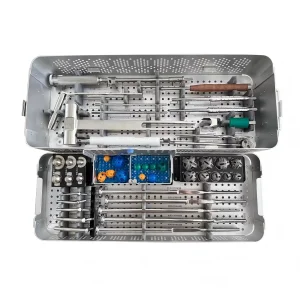
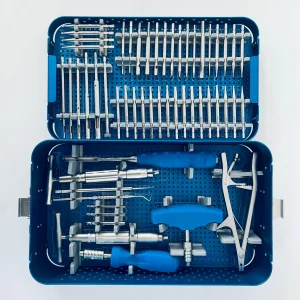
Our orthopedic instrument sets, including titanium hip replacement and veterinary joint replacement kits, are supplied non-sterile or clean-room packaged. Hospital sterile processing departments (SPD) validate them using standard autoclave protocols (gravity displacement at 121°C or pre-vacuum cycles at 134°C). We provide comprehensive validation profiles showing our materials withstand autoclave temperatures without degradation or micro-fracturing.

What grading of titanium is utilized in your orthopedic trauma plates and implants?

We use Medical Grade 5 Titanium (Ti-6Al-4V ELI) conforming to ASTM F136 standards. This alloy features lower levels of interstitial oxygen, nitrogen, carbon, and hydrogen, offering enhanced fatigue life and high-reliability corrosion resistance inside biological fluid environments.

How does GB/T42061-2022 map directly to international ISO 13485 requirements?

GB/T42061-2022 is the Chinese equivalent standard identical to (idt) ISO 13485:2016. It mandates identical control mechanisms for product design, cleanroom environmental management, material traceability, process validation, and risk assessment protocols, ensuring our export quality is standardized globally.

What is the standard procedure for sterilizing surgical drill systems between procedures?

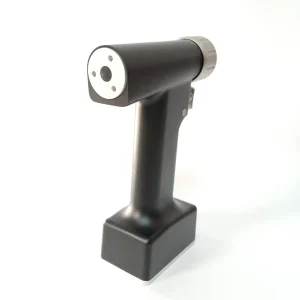
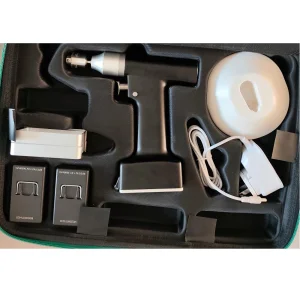
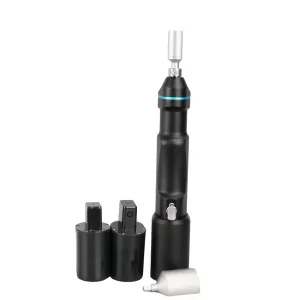
Our portable surgical handpiece sets must be fully disassembled, manually pre-cleaned using enzymatic cleaners to remove organic matter, and placed inside our dedicated sterilization boxes. The system is then processed using standard autoclave configurations. Battery units are sterilized using low-temperature gas plasma or autoclaved under specific parameters specified in our product instruction manual.