Explore our high-performance manual tools, veterinary specialized equipment, and biocompatible replacement hardware trusted by international medical professionals.
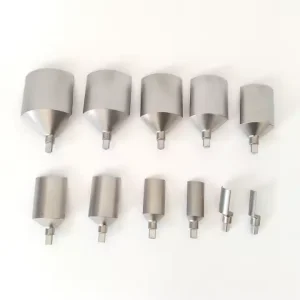
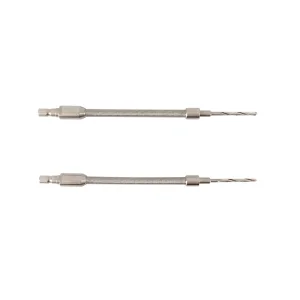
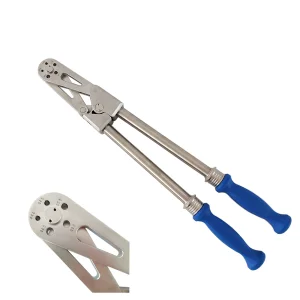
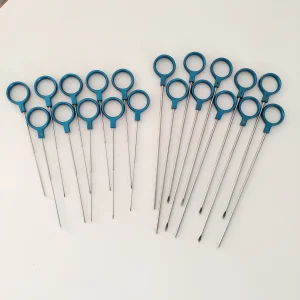
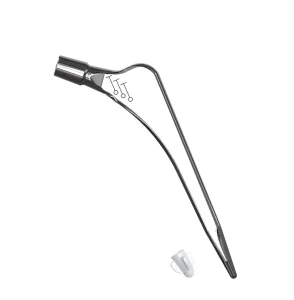
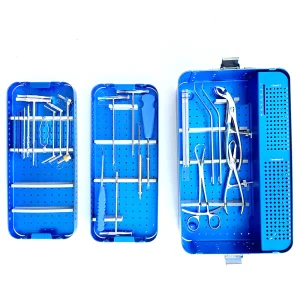
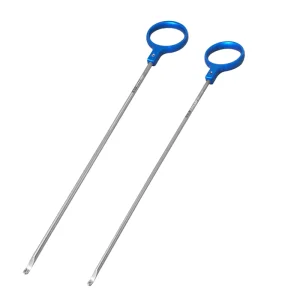
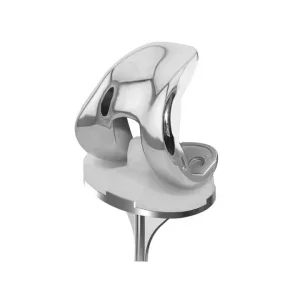
The global orthopedic devices sector is experiencing unprecedented growth, driven by a combination of aging global demographics, expanding clinical indications, and rapid technological innovations. Orthopedic surgical tools and implantable devices require the highest levels of metallurgical purity, biomechanical precision, and regulatory compliance. For hospital procurement networks, international distributors, and clinical partners, identifying premier orthopedic factories and exporters is essential to securing clinical safety, procedural reliability, and operational cost efficiency.
According to recent medical manufacturing market intelligence, the global orthopedic devices market is projected to expand significantly, with key demands shifting toward minimally invasive surgery (MIS) tools, flexible bone reamers, biological implants, and high-precision power instrumentation.
As standard procedures like Total Knee Arthroplasty (TKA), hip reconstructions, spine segment stabilizations, and trauma osteosyntheses increase in frequency, manufacturing entities must demonstrate rigorous compliance frameworks. Certified systems like GB/T42061-2022 and ISO 13485:2016 are no longer optional value-additions; they represent the entry-level criteria for global regulatory acceptance across the EU, the Americas, and APAC markets.
Surgical instruments undergo extreme mechanical stress, continuous sterilization protocols (autoclaving), and exposure to biological fluids. Traditional steel alloys often fail due to micro-cracking, corrosion, and edge dullness over repeated cycles. Leading orthopedic factories solve these concerns by leveraging advanced materials science. Using medical-grade raw materials such as biocompatible Titanium (Grade 5 / Ti-6Al-4V), Nitinol (nickel-titanium shape memory alloy), and ultra-hard martensitic stainless steel ensures maximum tensile strength, corrosion resistance, and surgical sharpness.
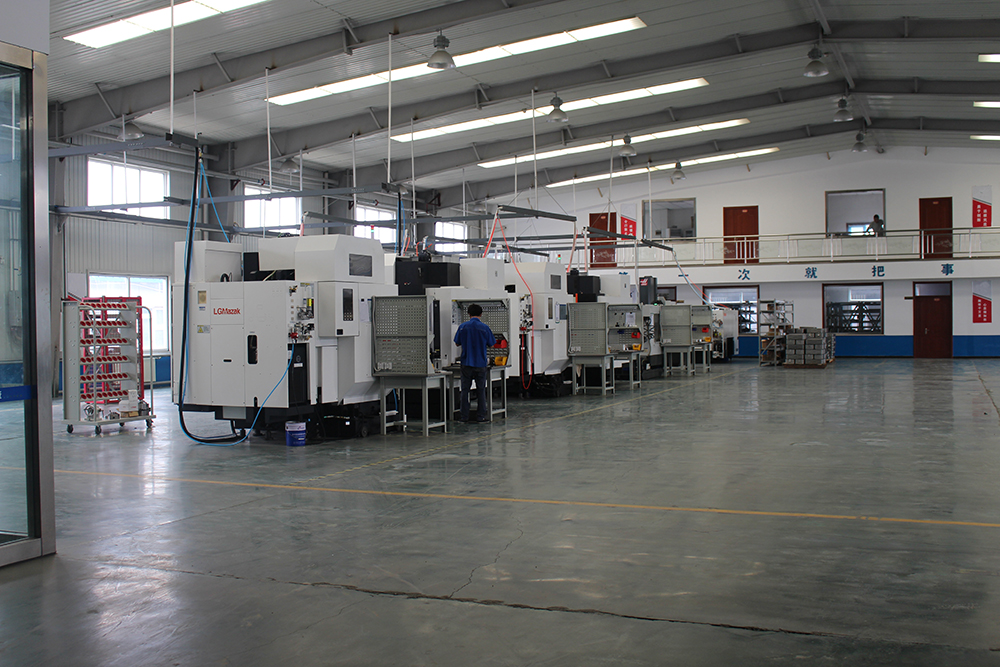
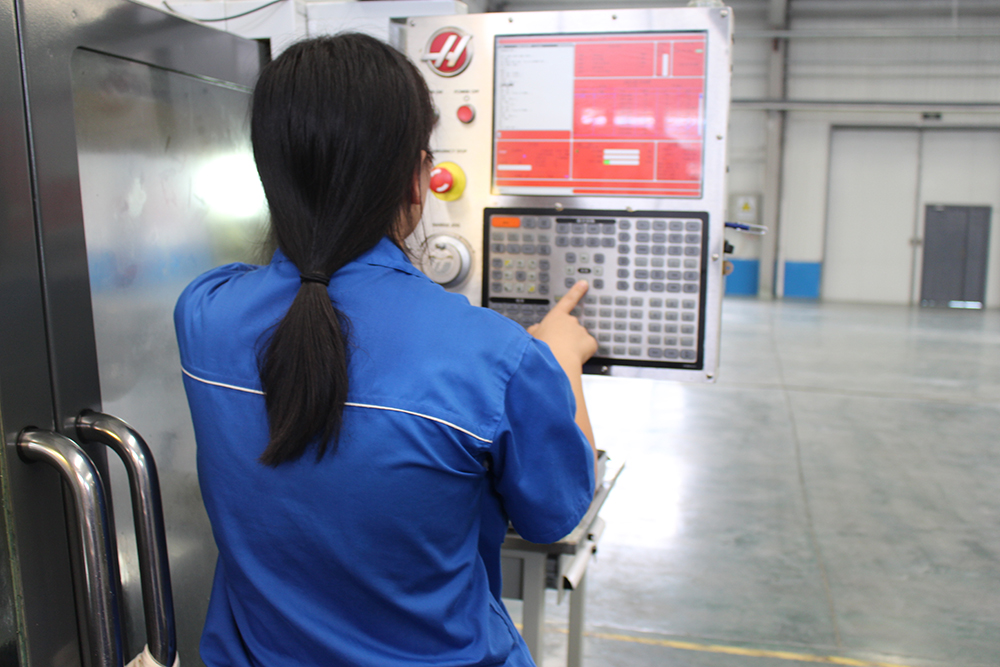
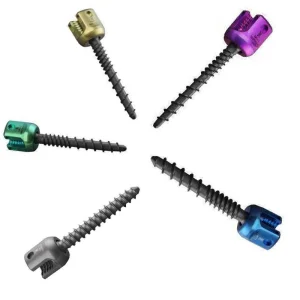
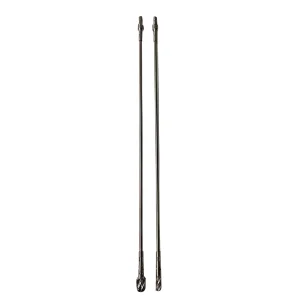
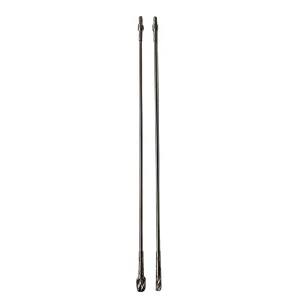
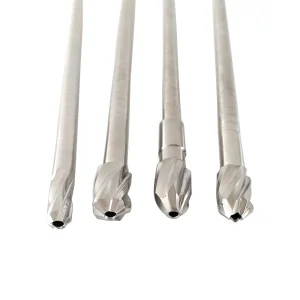
In addition, advanced CNC grinding and automated machining technologies ensure that devices like TPLO veterinary saw blades, flexible monobloc reamers, and spinal posterior fixation devices match structural design tolerances down to the sub-micron scale. This level of accuracy directly translates to reduced intraoperative complications and improved surgical outcomes.
A closer look at Shenzhen HUL Healthcare Technology Co., Ltd. (Bopull Medical) – a leader in standard-compliant orthopedic device production and global exports.
Bopull Medical operates strictly in accordance with statutory laws, regulations, and international standard management systems. Having achieved the international standard certification of GB/T42061-2022 idt ISO13485:2016 for quality management systems, Bopull Medical provides unparalleled precision and reliability in manufacturing medical-grade instruments.
The company utilizes state-of-the-art production machinery and houses an innovative, young, and highly specialized technical team. By continuously purchasing advanced manufacturing equipment, Bopull Medical bridges the gap between complex orthopedic requirements and scalable manufacturing processes.
| Company Name | Shenzhen HUL Healthcare Technology Co., Ltd. |
| Business Brand | Bopull Medical |
| Quality Certification | GB/T42061-2022 idt ISO13485:2016 |
| Geographic Presence | Beijing / Shenzhen, China |
| Team Scale | 301 - 500 Skilled Professionals |
| Annual Revenue | US$ 1.0 Million - US$ 2.5 Million |
| Seller Reorder Rate | 34% Partner Loyalty Index |
Navigating the global import-export dynamics for medical devices demands deep regulatory intelligence. Different regions impose unique barriers: the European Union relies on CE marking under the Medical Device Regulation (MDR 2017/745), the United States requires FDA 510(k) clearances, and other regions require localized registration protocols. Sourcing from a partner that understands these complexities streamlines the supply chain and prevents costly custom delays.
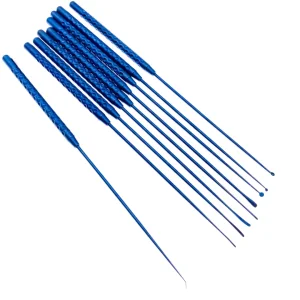
From a logistics perspective, medical instruments require special handling. High-precision instruments such as arthroscopic knot pushers, flexible drill bits, and orthopedic micro nerve dissectors are vulnerable to mechanical shock and environmental fluctuations. Leading manufacturers employ standardized protective packaging, anti-corrosion barrier coatings, and humidity-controlled transit methods. Bopull Medical maintains a verified response time of under 3 hours, offering robust documentation support including Certificates of Conformity (CoC), material origin reports, and sterilization verification data.
The orthopedic manufacturing industry is undergoing a digital and physical material evolution. We categorize this roadmap into three primary dimensions:
Furthermore, CAD/CAM simulation modeling is increasingly used during the pre-production phase. Stress-test modeling allows engineers to simulate cyclical joint forces, identifying potential shear fatigue points in femoral prosthetics and spinal pedicle screws before physical production begins. This preemptive engineering significantly reduces post-implantation component failures.
Modern clinical orthopedics is highly fragmented, requiring custom-tailored equipment solutions depending on the surgical context. Our product portfolios target four critical operational scenarios:
By offering customized design variables for each scenario, certified manufacturers allow healthcare providers to source target-specific tools. This reduces the inventory clutter of unused clinical devices, saving hospital resources.
Explore our premium clinical implants, spine fixation arrays, and flexible reamer systems manufactured for high durability and surgical precision.
Technical answers to the most common inquiries regarding manufacturing standards, materials, and international custom clearance.
 HUL Healthcare Limited