Direct supply of ISO 13485 surgical instruments, plates, and external fixators tailored for Russian clinical installations and veterinary networks.
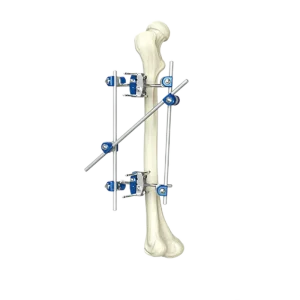
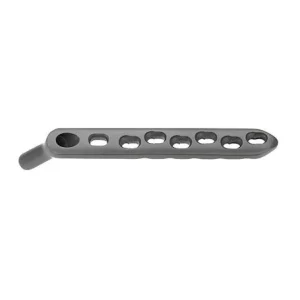
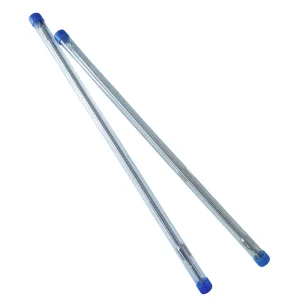
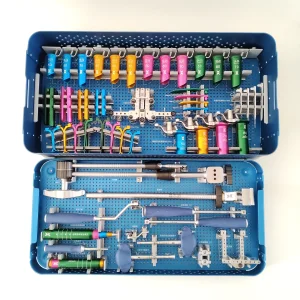
External fixation systems occupy a fundamental position in trauma surgery and orthopedics within the Russian Federation. Russia has a long, legendary history of innovation in this sector, particularly through the pioneering work of Academician Gavriil Ilizarov. The Ilizarov apparatus originated in the Russian city of Kurgan and revolutionized limb lengthening, bone defect restoration, and complex fracture management globally. Modern orthopedic practices in Russia require robust, high-precision adaptations of these ring systems alongside unilateral external fixators to treat high-energy trauma, osteomyelitis, and corrective bone surgeries.
Sourcing orthopedic implants and external fixation devices for the Russian market requires navigating strict regulatory pathways. Medical devices must undergo testing and registration with Roszdravnadzor (the Federal Service for Surveillance in Healthcare). Russian clinics mandate medical-grade raw materials—typically high-strength Titanium Alloy (Ti-6Al-4V ELI / BT6 in Russian terminology) and Surgical Stainless Steel (316LVM)—to ensure biocompatibility, MRI compatibility, and superior mechanical properties.
Additionally, import dynamics have shifted due to regional trade configurations and sanctions. Localized medical distribution networks are actively looking for reliable, high-volume manufacturing partners in China that can ensure stable supply chains, comply with ISO 13485:2016 production systems, and assist with localized documentation requirements.
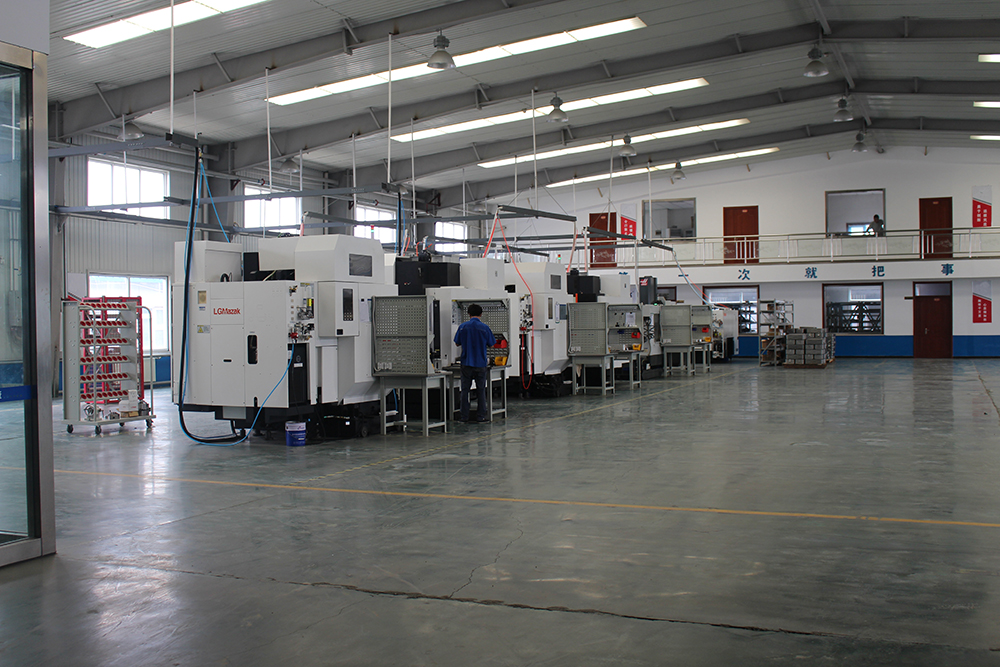
Globally, the demand for external fixation is driven by a rise in geriatric populations, high-speed traffic accident rates, and industrial injuries. China's medical manufacturing corridors, particularly in specialized medical tech zones like Beijing and Shenzhen, have achieved unparalleled engineering efficiency. Utilizing state-of-the-art multi-axis CNC machines and automated Swiss lathes, Chinese factories produce external fixators that match or exceed Western performance benchmarks at a fraction of the cost.
For Russian buyers, sourcing from established Chinese manufacturers like Shenzhen HUL Healthcare Technology Co., Ltd. (Bopull Medical) yields significant advantages in supply resilience. By maintaining direct rail logistics links through borders such as Manzhouli/Zabaykalsk and Erenhot, shipment times are drastically minimized compared to maritime freight. Furthermore, transaction structures supporting Ruble-Yuan settlements remove Western currency conversion risks, ensuring seamless capital flow and uninterrupted material procurement.
Different clinical environments require tailored designs. Our product range is engineered to serve three main application corridors in the Russian market.
Used in emergency trauma units in major metropolitan centers like Moscow and St. Petersburg. Unilateral and ring fixators provide rapid stabilization for multi-fragment fractures, open tibial fractures, and severe articular dislocations before definitive internal fixation is attempted.
Based on the classic tension-stress effect discovered in Kurgan, our external fixation sets (rings, threaded rods, and wire tensioners) are optimized for pediatric and adult orthopedic clinics focusing on bone transport and limb reconstruction.
A fast-growing sector in Russia. The TPLO (Tibial Plateau Leveling Osteotomy) saw blades, veterinary external fixation rigs, and screw removal tools are customized for high-volume pet clinics in industrial Russian cities, offering rapid healing for complex animal fractures.
Evaluating the manufacturing power behind the medical supply chain. Direct access to high-volume factories guarantees product quality and regulatory readiness.
| Operational Profile Metric | Certified Value / Details |
|---|---|
| Company Legal Entity | Shenzhen HUL Healthcare Technology Co., Ltd. (Bopull Medical) |
| Quality Standards Compliance | ISO 13485:2016, GB/T42061-2022 Management System Certification |
| Headquarters / Production | Beijing & Shenzhen, China |
| Production Capacity & Staff | 301 - 500 Skilled Professionals & Advanced CNC Operators |
| Average Response Latency | Under 3 hours for Eastern European & CIS inquiries |
| B2B Logistics Capability | DDP/CIF to major Russian dry ports and logistics hubs (via Moscow, Novosibirsk) |
| Annual Export Volume | US$1 Million - US$2.5 Million (highly specialized orthopedic segment) |
Browse through our specialized surgical instruments, blades, and surgical screw boxes designed for high performance under extreme clinical environments.
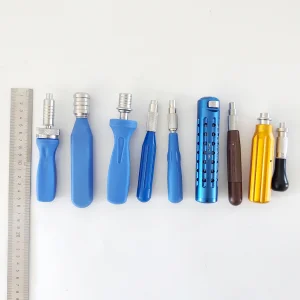
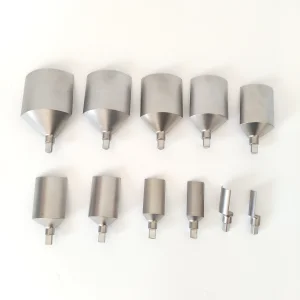
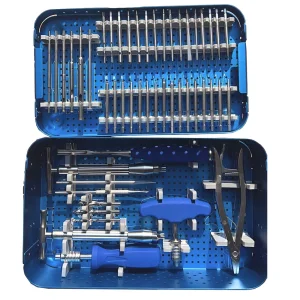
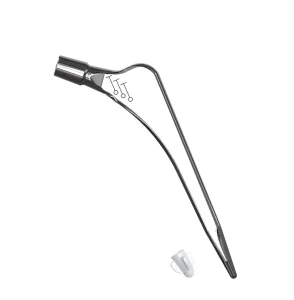
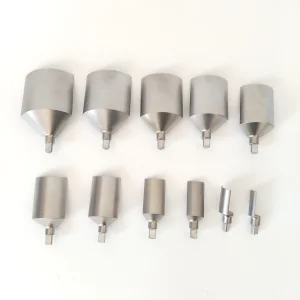
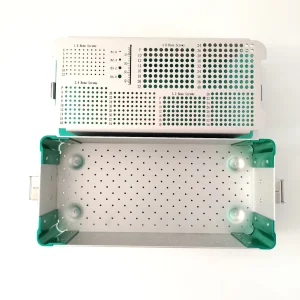
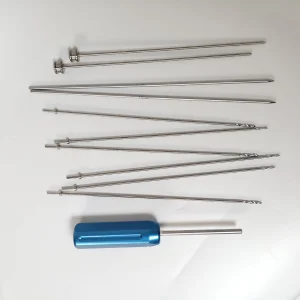
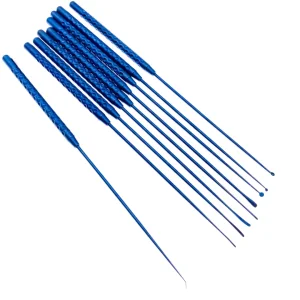
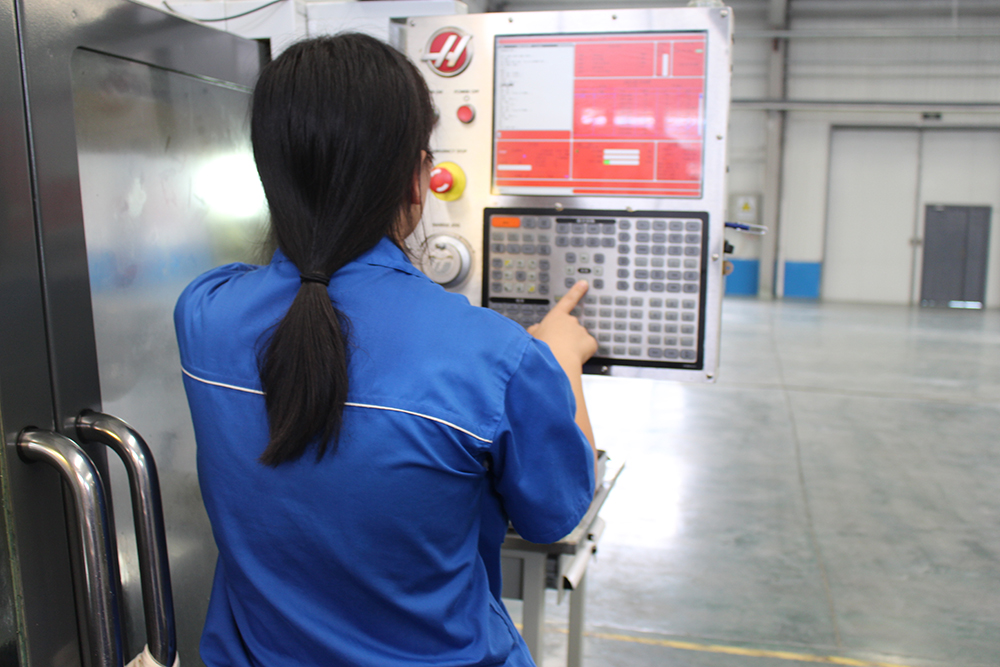
Quality assurance is paramount when producing implantable devices. Medical-grade metals like Grade 5 Titanium and premium stainless steel alloys undergo rigorous mechanical fatigue testing to confirm their structural integrity. By employing advanced CAD/CAM software integrated with automated precision testing, our manufacturing lines ensure every clamping pin, carbon fiber rod, and stabilization ring meets critical tolerances down to ±5 microns. The surface finishes are treated with medical anodization or passivation to prevent oxidation and ensure safe long-term clinical application.
Choosing the correct raw materials defines the success of external fixation assemblies. In high-performance circular frames (Ilizarov configurations), rings are constructed of high-grade, lightweight aluminum alloys or carbon fiber composites to ensure radiolucency. Radiolucent components are highly requested by trauma surgeons across Saint Petersburg and Vladivostok because they allow real-time X-ray verification of bone union without removal of the fixation apparatus.
Additionally, Kirschner wires (K-wires) and half-pins feature specialized threads and trocar tips designed to drill cleanly through hard cortical bone without generating excessive heat, preventing bone necrosis and minimizing postoperative pin-tract infections.
Logistical reliability is the backbone of successful medical device supply chains. We offer comprehensive freight solutions including customs-cleared land transport, multimodal rail freight, and express air corridors. Working alongside Russian regional medical brokers, we configure shipments under precise HS codes (e.g., 9021.90 - Orthopedic appliances, including crutches, surgical belts, and trusses; splints and other fracture appliances) to expedite clearance and avoid custom processing delays.
Understanding clinical certification, engineering standards, and trade dynamics for the CIS and Russian markets.
Looking for a stable supply of ISO-certified external fixation frames, surgical plates, or custom veterinary tools? Contact our export desk today for pricing, technical datasheets, and logistics options for the Russian Federation and wider CIS markets.
Send Inquiry Now HUL Healthcare Limited