Premium medical-grade instruments engineered for orthopedic surgeons, clinics, and trauma centers across Tashkent, Samarkand, and throughout Uzbekistan.
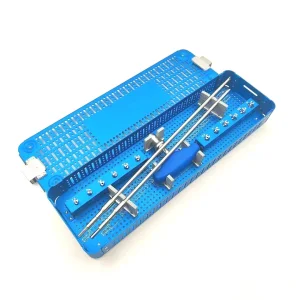
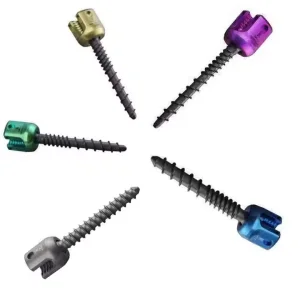
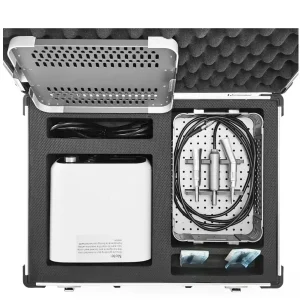
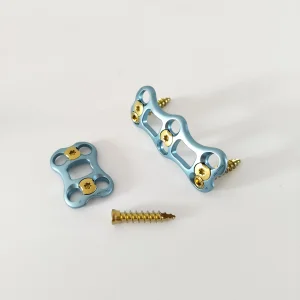
The healthcare system in Uzbekistan is undergoing an unprecedented modernization process. Initiated under comprehensive state reforms, public and private medical facilities are actively upgrading their surgical infrastructure to handle complex musculoskeletal trauma, skeletal defects, and degenerative spinal conditions. The demand for external fixation and orthopedic stabilization systems has risen exponentially in major metropolitan areas such as Tashkent, Samarkand, Namangan, and Bukhara.
In trauma care, unilateral external fixators, hybrid frames, and circular ring fixators (traditionally rooted in the Ilizarov principles popular across Central Asia) serve as the primary defensive line in emergency clinical protocols. High-velocity motor vehicle accidents, construction-related injuries, and developmental skeletal anomalies are the major drivers of external fixation imports. Historically reliant on localized regional imports or premium-priced Western brands, the Uzbekistan Ministry of Health (MoH) and local medical distributors are now shifting towards manufacturers that guarantee the dual benefits of cost-efficiency and premium engineering compliance.
Modern external fixation is no longer just about stainless steel bars. It requires biocompatible, high-grade Titanium alloys (Ti-6Al-4V ELI) and lightweight Carbon Fiber rods to ensure post-operative radiolucency, allowing orthopedic surgeons to monitor osteogenesis and bone healing via X-ray without metal interference.
As a leading orthopedic manufacturer, Shenzhen HUL Healthcare Technology Co., Ltd. (operating as Bopull Medical) addresses these clinical needs by providing complete external fixation solutions, micro-fragment fixation systems, and custom orthopedic instrumentation built under international standards.
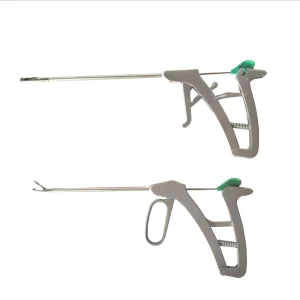
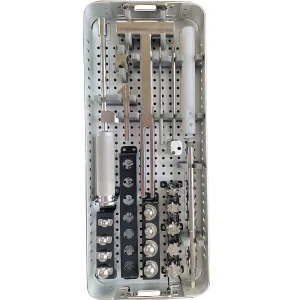
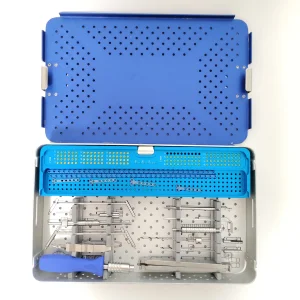
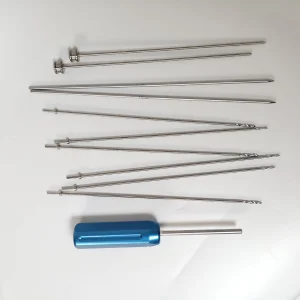
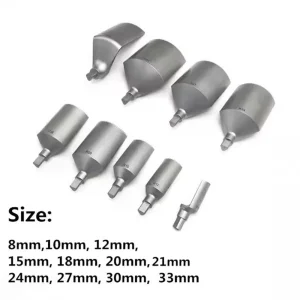
High-precision tools engineered for ligament reconstruction, spine decompression, and joint stabilization.
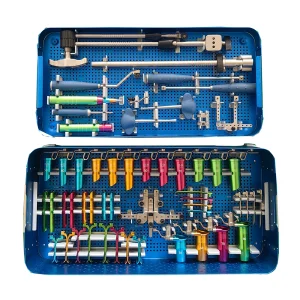
To successfully supply medical devices internationally, manufacturing resilience is essential. Shenzhen HUL Healthcare Technology Co., Ltd. (known globally as Bopull Medical) has built a solid reputation in orthopedic supply chain engineering. Guided by the strict regulations of international medical standards, our manufacturing workflows are designed to meet surgical demands across Asia, Europe, and developing healthcare hubs in the CIS region.
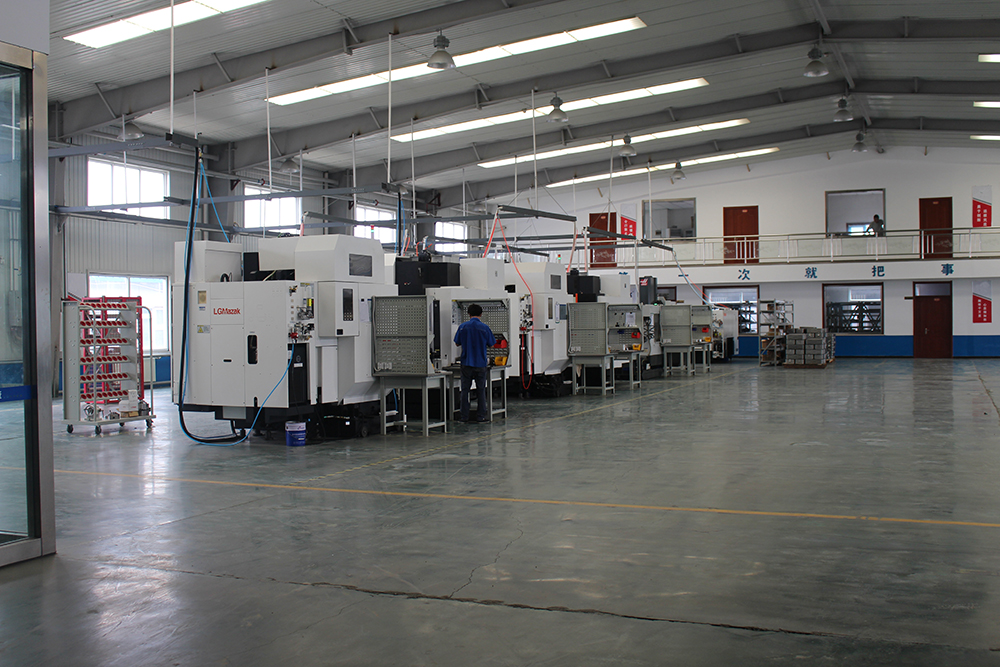
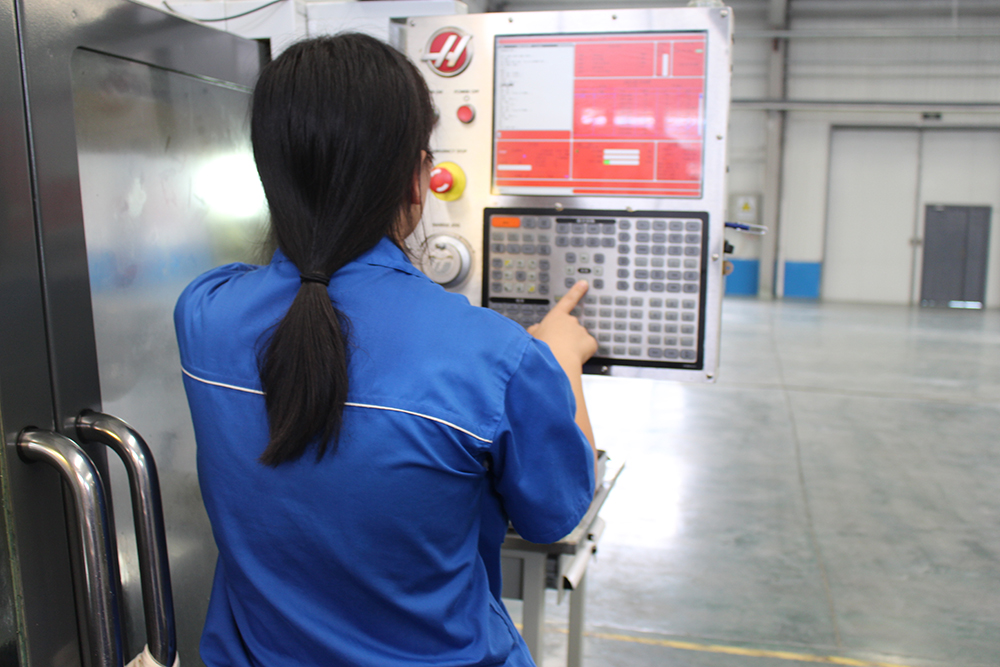
We work in strict compliance with quality protocols, and our systems are certified under GB/T42061-2022 / ISO13485:2016. This quality management framework ensures that every implant, external fixator, bone plate, and surgical instrument is fully traceable from raw titanium ingot to finished sterile packaging. Our facility houses multi-axis CNC machines and automated optical inspection systems, minimizing human error and ensuring surgical precision.
All instruments are produced in facilities adhering to GB/T42061-2022 idt ISO13485:2016 quality systems, guaranteeing reliability for public and private tender bids in Uzbekistan.
We manage door-to-door or hub-to-hub shipping to Central Asian logistics routes, including direct air freight to Tashkent International Airport (TAS).
Our technical team provides detailed manuals and surgical guides, assisting local distributors with surgeon workshops and practical application training.
Our customer service department provides technical support and quotes within 3 hours to expedite supply chain requests.
External fixation has transitioned from simple, heavy rigid frame structures to highly optimized, biomechanically dynamic systems. This roadmap outlines key advancements that define current development processes and guide our production research:
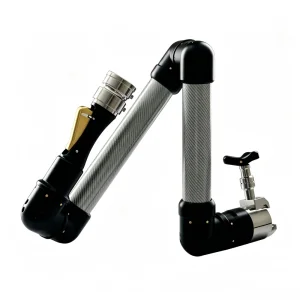
Traditional stainless steel frames are heavy and restrict diagnostic scanning. Our technical trajectory focuses on composite carbon fiber rods and Titanium Grade 5 pins. This reduces patient load, enhances compliance, and ensures radiolucency for unimpeded CT/MRI post-operative scans.
To reduce healing times, modern external fixators allow controlled axial micromotion. Our developmental designs facilitate dynamization, allowing the bone to absorb minor natural forces as it heals. This stimulates faster callus formation and reduces the risk of non-union or pin loosening.
Complex corrections are increasingly relying on hexapod circular frames adjusted using computer software. Our design engineering division is developing highly compatible mechanical strut systems that pair with orthopedic planning software. This enables precise deformity adjustments down to the millimeter.
Securing regulatory approval from the State Centre for Expertise and Standardization of Medicines, Medical Devices and Medical Equipment in Uzbekistan is crucial. We support local partners by providing complete registration dossiers (DMF), ISO certificates, CE documentation, and clinical trial validation data.
Whether executing public procurements for state clinics or supplying private orthopedics hospitals in Samarkand, our documentation package simplifies the local MoH import registration process.
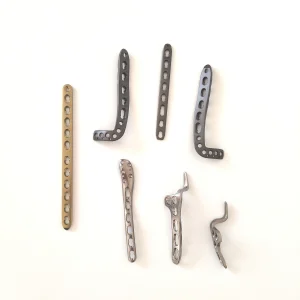
A comprehensive range of CE-certified implants and specialized veterinary instruments designed to meet global clinical standards.
Expert responses addressing common procurement, regulatory, and technical questions regarding orthopedic systems in Uzbekistan.
 HUL Healthcare Limited