Premium grade devices optimized for trauma centers, clinical orthopedics, and veterinary surgery in the Czech Republic market.
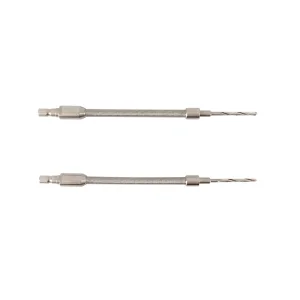
In-depth analysis of regulatory constraints, hospital networks, and pricing structures in Central Europe.
The Czech Republic represents one of the most mature healthcare markets in Central and Eastern Europe (CEE). Characterized by a universal health insurance system governed primarily by the Všeobecná zdravotní pojišťovna (VZP) alongside other departmental funds, the clinical adoption of advanced osteosynthesis equipment is highly systematized. Within this framework, external fixation systems and general orthopedic surgical instruments are subject to rigorous technological evaluation, price capping, and competitive bidding processes.
As trauma registries in key metropolitan hospitals—including the Motol University Hospital in Prague and the St. Anne's University Hospital in Brno—record steady demands for fracture management devices, the commercial focus is rapidly shifting. Healthcare procurers are moving away from traditional, highly inflated Western European proprietary brands in favor of premium manufacturing exporters capable of supplying comparable mechanical configurations under strict European Medical Device Regulation (EU MDR 2017/745) standards. This economic reality creates a massive opportunity for high-gain, direct-to-factory supply arrangements that maintain surgical efficacy while restructuring the hospital acquisition cost curve.
The industrial landscape within the Czech Republic is also experiencing a technological pivot. While the country boasts a strong legacy of precision engineering and mechanical manufacturing, localized production of high-end implantable alloys and complex minimal invasive instrument sets is often constrained by high overhead costs and longer manufacturing lead times. Consequently, Czech medical distributors rely extensively on strategic importing partnerships to source flexible external fixators, spine tubular retractors, and biocompatible nitinol systems that meet international medical-grade benchmarks.
From high-energy mountain sport trauma to advanced veterinary orthopedic surgeries.
The geographic layout of the Czech Republic, combined with active regional lifestyles (such as skiing in the Krkonoše range and mountain biking in the Šumava region), results in a high incidence of complex tibia, femur, and pelvic fractures. In university clinics and regional hospitals, surgeons require immediate access to modular external fixation systems. Fast application of rigid frames is crucial for initial damage control orthopedics, allowing soft tissue healing before definitive secondary internal fixation.
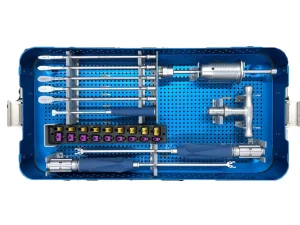
Czech neurosurgical and orthopedic spine units are highly progressive in adopting minimally invasive techniques. The implementation of OLIF (Oblique Lateral Lumbar Interbody Fusion) and general tubular retractor sets allows clinical operators in institutions like the Prague Military University Hospital (ÚVN) to minimize back muscle disruption, shorten hospital stays, and expedite post-operative rehabilitation pathways.
With one of the highest per-capita dog ownership rates in the European Union, the Czech Republic veterinary market represents a significant commercial segment. Veterinary referral centers in Brno and Plzeň demand highly sophisticated implants. Modular veterinary sets, such as the ALPS Titanium Locking System, provide key stability for canine tibial plateau leveling osteotomies (TPLO) and complex fracture reconstructions in companion animals.
Navigating raw material supply security, quality documentation, and global shipping pipelines.
The global orthopedic medical device market is operating in a landscape defined by regulatory evolution and macroeconomic shifts. Post-pandemic recovery has exposed vulnerabilities in traditional medical instrument manufacturing hubs, leading to significant delays in custom-built instruments. Additionally, rising raw material costs for biocompatible materials (like 316LVM stainless steel, Ti-6Al-4V Eli titanium, and Nitinol) have put pressure on surgical departments to seek alternative supply routes.
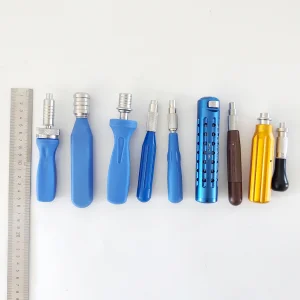
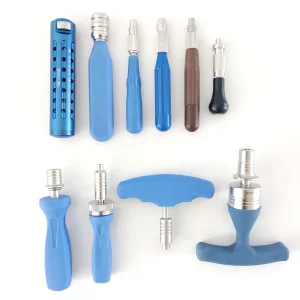
Within Eastern and Central Europe, these procurement challenges are amplified by strict local enforcement of the new EU MDR rules. Traditional distribution channels often route products through multiple intermediaries, which increases the retail cost for end users. To combat this, importers in Prague, Brno, and Bratislava are shifting toward direct partnerships with verified manufacturers. Eliminating middle-tier agents ensures direct batch traceability, simplifies quality audits, and allows for custom manufacturing runs of specialized devices like torque-limiting screwdrivers and custom drill guides.
How direct integration with Shenzhen HUL Healthcare / Bopull Medical guarantees manufacturing speed and metallurgical purity.
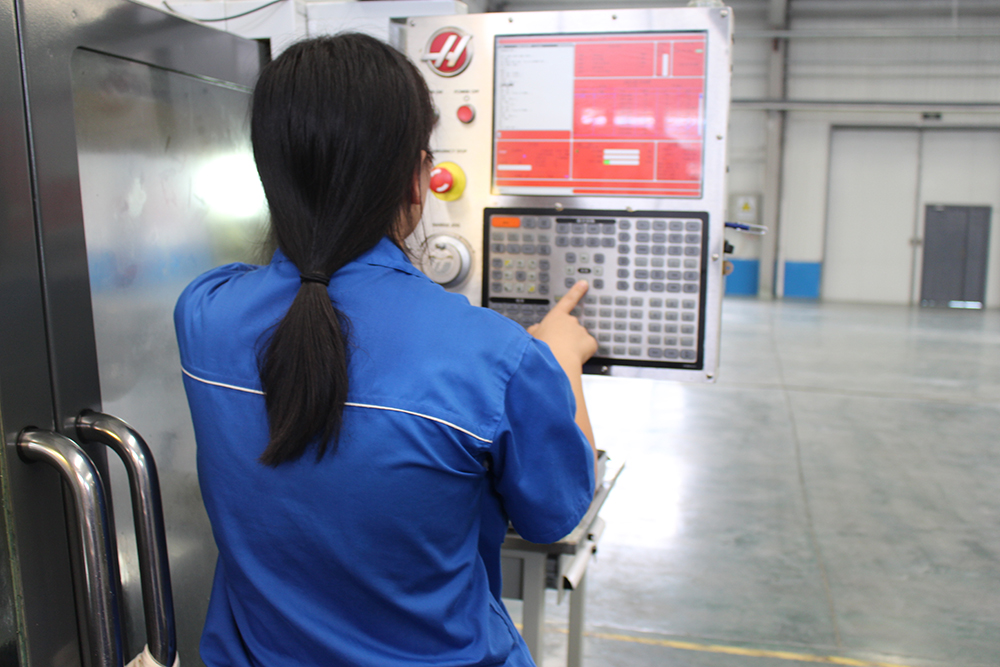
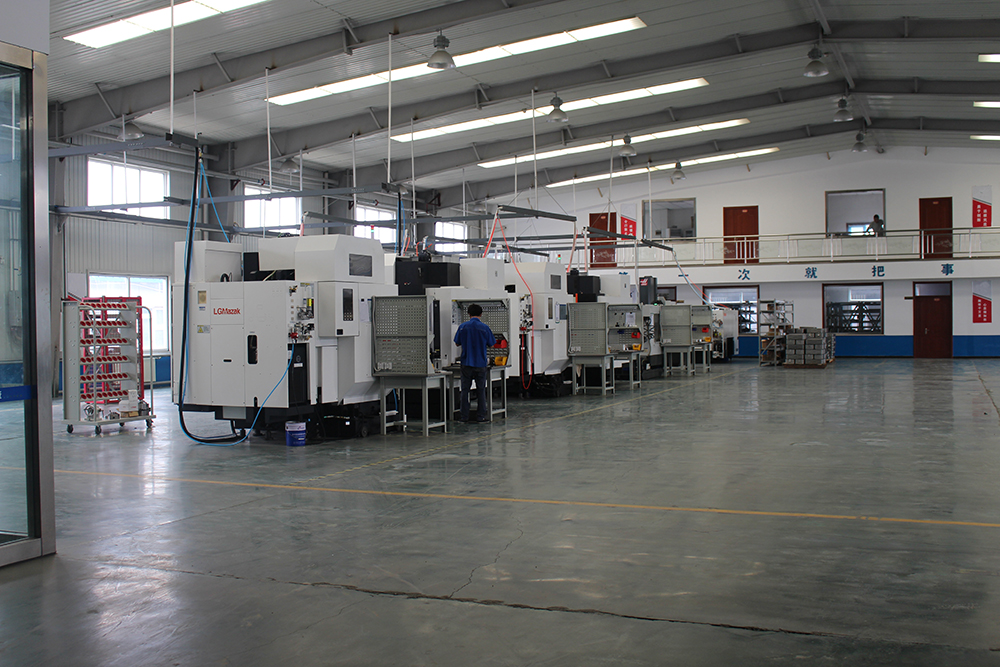
China's medical technology hubs, particularly in Shenzhen and Jiangsu, lead the global supply chain in precision and efficiency. Partnerships with organizations like Shenzhen HUL Healthcare Technology Co., Ltd. (Bopull Medical) provide international buyers with a strong structural advantage:
This localized efficiency ensures that high-volume orders, such as complex veterinary orthopedic sets or custom external fixation brackets, can be manufactured, sterilized, packaged, and shipped within timelines that Western European producers cannot match. By controlling the raw material supply chain and final machining processes, Chinese factories mitigate inflation risks, providing stable, long-term pricing for Czech clinical partners.
The evolutionary trajectory of osteosynthesis systems: smart fixators, shape-memory nitinol implants, and automated surgical power tools.
The next decade of orthopedic trauma care will be driven by digital planning and responsive materials. In the external fixation sector, we are seeing the transition from heavy stainless steel frames to ultra-light carbon fiber bars and radiolucent composite rings. These systems allow clinicians to easily monitor bone healing on X-rays without the visual interference caused by traditional metal hardware.
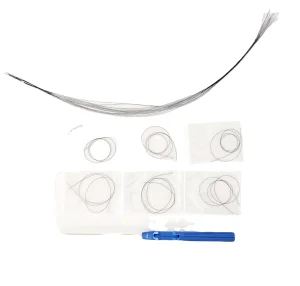
Furthermore, shape-memory Nitinol alloys are playing an increasingly important role in dynamic bone compression. Nitinol staples and wires react to body temperature, providing continuous compression across fracture lines. This natural mechanism accelerates osteoblast migration and shortens healing times. In veterinary and pediatric applications, where patient compliance is low and active movement is common, these self-adjusting implants are significantly lowering non-union rates.
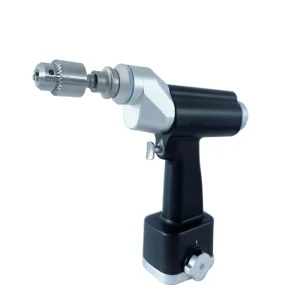
Concurrently, surgical power tools are evolving into smart systems. Next-generation electric bone drills feature integrated torque-sensing technology and auto-stop mechanisms. These tools detect changes in density as the drill bit moves through cortical and cancellous bone, automatically stopping before plunging into soft tissues. This level of safety is essential for complex spinal surgeries, such as OLIF retractor procedures, and delicate veterinary surgeries.
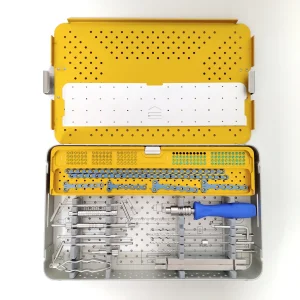
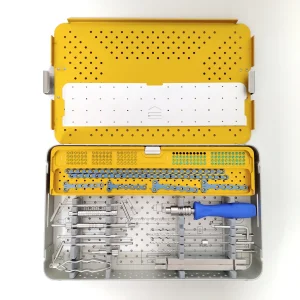
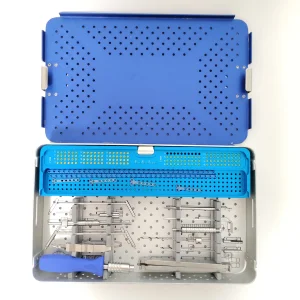
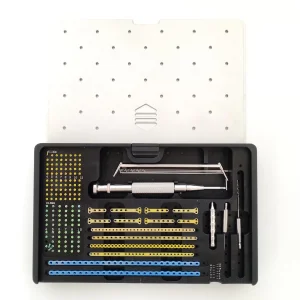
Explore our complete range of certified medical and veterinary orthopedic instruments.
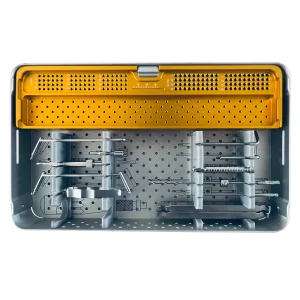
Direct technical answers addressing regulatory compliance, metal composition, custom OEM capabilities, and shipping routes to Eastern Europe.
Partner with a certified exporter to secure premium titanium implants, veterinary locking systems, and custom orthopedic tools with stable pricing and reliable delivery.
Establish Contact Now HUL Healthcare Limited