Interlocking Nail Manufacturer & Exporter in the Nagoya Market

Pioneering Clinical Orthopedic Trauma Fixation with High-Precision Intramedullary Implants and Premium Instrumentation for Chubu's Advanced Medical Device Sector

Send Inquiry Now

1. Nagoya’s Orthopedic Device Landscape & Local Dynamic

Nagoya, situated within the Aichi Prefecture, represents one of Japan's core manufacturing heartlands (Monozukuri). Historically dominated by aerospace, automotive, and heavy-precision engineering, this industrial strength has increasingly cross-pollinated with the biomedical and orthopedic implant sectors. Nagoya’s medical device network demands incredibly tight tolerances, superior metallurgy, and absolute biological reliability. For global manufacturers and exporters, penetrating or serving the Nagoya market requires an understanding of local clinical needs, where trauma management and internal fixation implants—specifically interlocking intramedullary nails—are undergoing rapid technological transitions.

Japan’s super-aging demographic landscape is highly pronounced in the Chubu region. Fractures of the long bones, especially femoral neck, tibial shaft, and humeral shaft fractures, have seen steady statistical growth. Nagoya’s leading clinical research facilities, including the Nagoya University Graduate School of Medicine and affiliated Chubu trauma centers, push for surgical implants that decrease operating room time, mitigate infection risks, and accelerate postoperative mobilization. As a manufacturer and exporter, supplying this demographic means delivering interlocking nails engineered from medical-grade Titanium Alloys (Ti-6Al-4V ELI) that demonstrate optimal fatigue resistance, biomechanical stiffness compatibility (to prevent stress shielding), and seamless insertion geometries.

95.36%
Inquiry Response Rate
34%
Seller Reorder Rate
ISO13485
Quality Certified
300+
Expert Staff

2. Modern Trends in Interlocking Nail Design & Instrumentation

The engineering paradigm for intramedullary interlocking nails has transitioned from generic rigid implants to highly adaptive, anatomically pre-bent systems. The current trends within Nagoya’s trauma surgery centers focus heavily on:

  • Dynamization Options: Standard locking configurations now incorporate slotted holes that allow controlled postoperative dynamic compression (dynamization) of the bone fragments during early weight-bearing phases, accelerating callus formation.
  • Proximal and Distal Targeting Accuracy: Achieving accurate distal locking remains a challenge. We provide dedicated mechanical targeting jigs and radiolucent aiming guides designed to align distal locking screws without excessive fluoroscopy exposure for Nagoya surgical staff.
  • Anatomical Pre-bending & Cannulation: Our intramedullary nails features progressive distal bends and anatomical curvature vectors matching specific Japanese osteological parameters. Cannulated variants allow guidewire-assisted insertion, minimizing cortical disruption.
  • Biocompatible Surface Modification: Advanced type II anodization of titanium alloys forms an ultra-stable, corrosion-resistant oxide layer. This processing suppresses metal ion release, decreases bacterial adhesion, and improves mechanical wear properties within the bone canal.

3. Technical Specifications & Material Science Standards

We strictly match international biomedical implant standards to guarantee reliability. Our manufacturing lines implement rigorous mechanical testing protocols, matching fatigue limits to withstand millions of cycles of body-weight stresses.

Implant Component / Parameter Material Designation Standard Compliance Surface / Mechanical Property
Intramedullary Interlocking Nails Titanium Alloy (Ti-6Al-4V ELI) ASTM F136 / ISO 5832-3 Anodized Type II, High Fatigue Strength
Locking Screws & Bolts Titanium Alloy / Stainless Steel ASTM F136 / ASTM F138 Self-Tapping Threads, Torx or Hex Drives
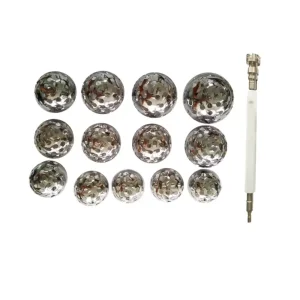
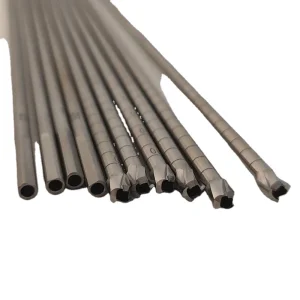
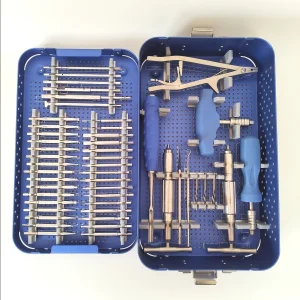
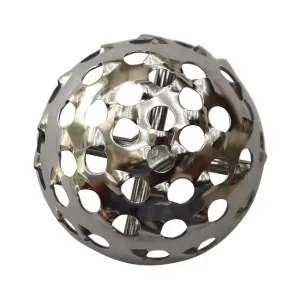
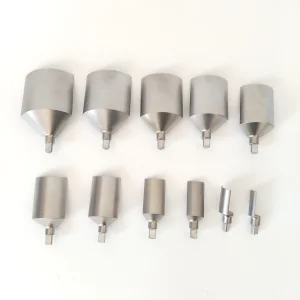
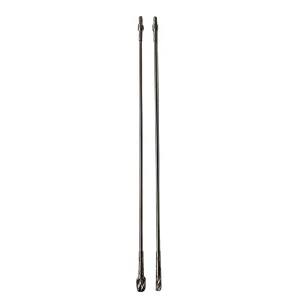
Flexible & Acetabular Reamers Stainless Steel ISO 7153-1 / CE Certified High Edge Retention, Flexible Shaft
Targeting & Aiming Jigs Carbon Fiber & Stainless Steel Medical Grade Radiolucent, Autoclavable up to 134°C

Macro-Industry Solution: Supply Chain Resilience and PMDA / CE Alignment

Navoya-based distributors often encounter hurdles regarding Japanese pharmaceutical regulatory pathways (PMDA regulations). By maintaining a state-of-the-art manufacturing facility operating directly under ISO 13485:2016 and CE certifications, we ease the regulatory and technical compilation process. We provide comprehensive technical files, material trace certificates, and biocompatibility verification reports to streamline import pathways into the Chubu region.

4. Corporate Capabilities & Nagoya Market Localized Support

Underpinned by Shenzhen HUL Healthcare Technology Co., Ltd. (Bopull Medical), delivering world-class orthopedic device manufacturing and technical support.

Shenzhen HUL Healthcare Technology Co., Ltd.

Bopull Medical operates strictly in accordance with international laws, regulations, and global healthcare management standards. We have established and verified our operations through the GB/T42061-2022 idt ISO13485:2016 quality management system certification, guaranteeing top-tier clinical safety and product traceability.

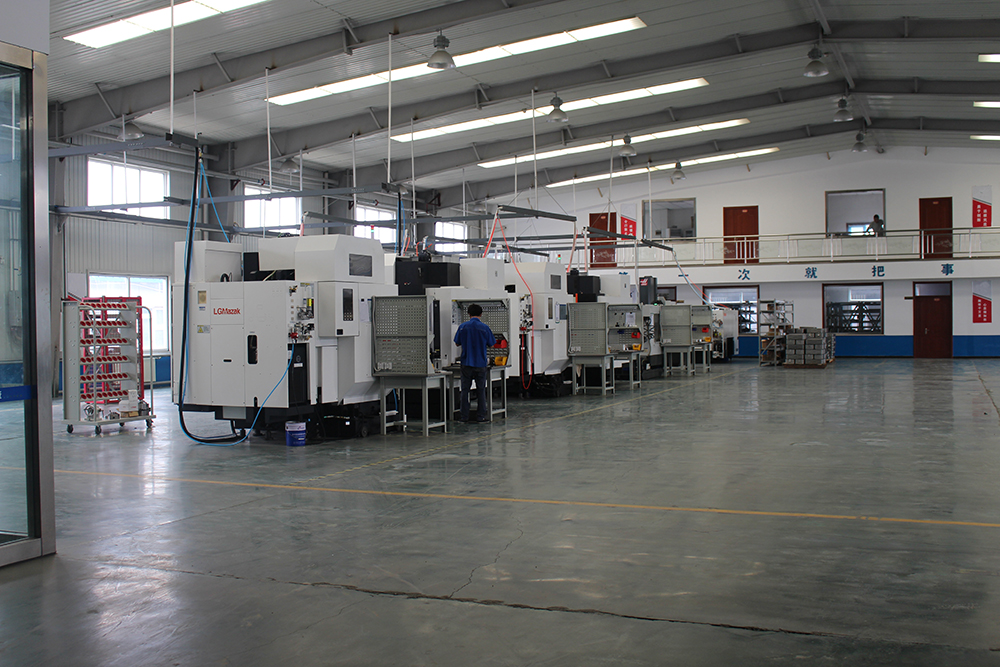
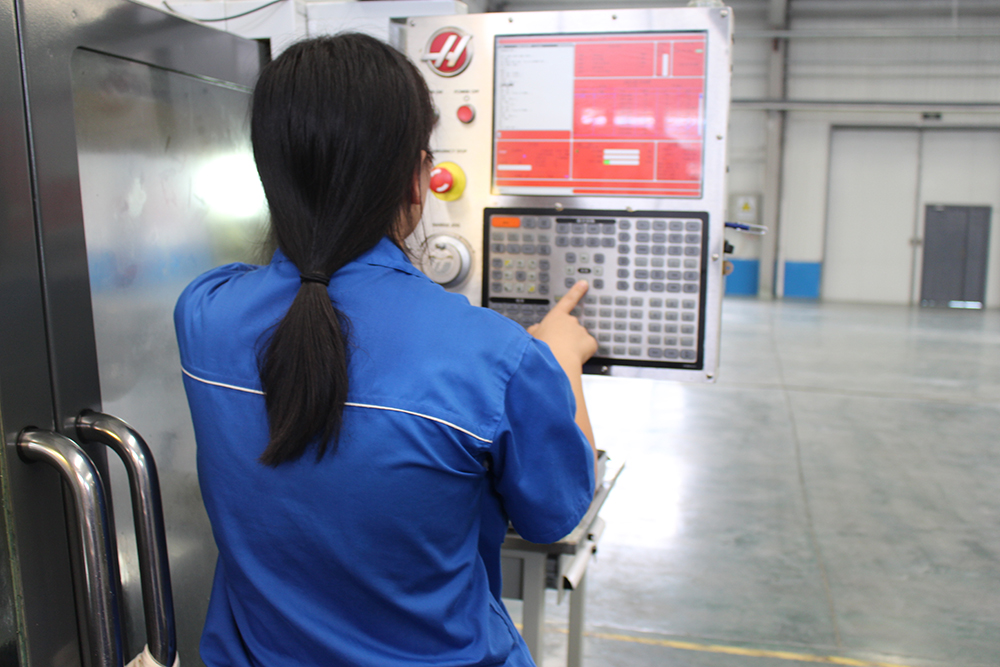
Our commitment extends beyond exporting standard trauma systems. We specialize in providing customized solutions (OEM/ODM) for global orthopedic distributors, research institutes, and veterinary clinics in Nagoya and beyond. With an expert team of 301 to 500 professionals and advanced multi-axis CNC Swiss machineries, we ensure that every interlocking nail, reamer, and fixation bolt meets zero-defect standards.
  • Total Annual Revenue: US$1 Million - US$2.5 Million
  • Response Window: ≤ 3 hours (95.36% response rate)
  • Core Certifications: ISO13485:2016, CE Class I
  • Strategic Focus: Intramedullary Nails, Spine Retractors, Reamers, and Customized Veterinary Implants

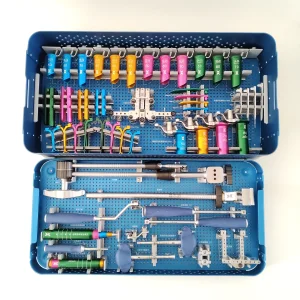
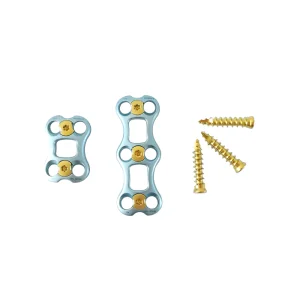
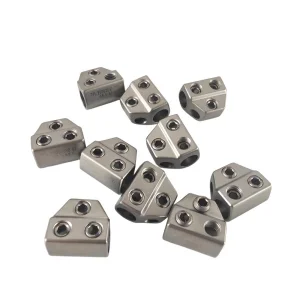
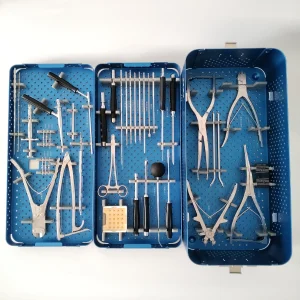
Comprehensive Trauma & Spinal Implant Portfolio

From orthopedic trauma fixation to complex spinal assemblies and veterinary reconstructive systems.
Technical & Procurement FAQ (Nagoya & Global Markets)

Expert technical answers addressing regulatory alignment, material tolerances, and supply logistics.

What materials are used for your interlocking intramedullary nails?
We manufacture our interlocking intramedullary nails from surgical-grade Titanium Alloy (Ti-6Al-4V ELI) conforming to ASTM F136 and ISO 5832-3 standards. This premium material is selected for its high strength-to-weight ratio, excellent fatigue resistance, and bio-inertness. It effectively limits the risk of stress shielding compared to traditional stainless steel. For specific rigid internal fixation designs where high modulus is requested, implant-grade Stainless Steel 316LVM (ASTM F138) options are also manufactured.
How does Bopull Medical ensure compliance with Japan's PMDA and international medical standards?
Our company is strictly audited and certified under the international standard GB/T42061-2022 idt ISO 13485:2016 quality management system. We compile detailed technical documentation, biological evaluation reports (ISO 10993), and mechanical test summaries. This extensive file package provides our distributors in Nagoya and throughout Japan with the required validation parameters to satisfy PMDA registration pathways and maintain compliance with local clinical import rules.
Do you support custom OEM/ODM development for specific clinical configurations?
Yes. Leveraging our advanced production facility, dedicated engineering teams, and R&D systems, we collaborate with university research labs, trauma centers, and medical companies in the Chubu region. We can customize anatomical bending degrees, distal aiming locking mechanisms, and specialized instrumentation systems (such as flexible reamers and dedicated retractors) to fit localized anatomical characteristics.
What is the typical lead time and shipping process for bulk orders to Nagoya?
For standard orthopedic nails and system instrumentation, we maintain a baseline inventory that allows dispatch within 3 to 7 working days. Custom manufacturing orders typically require a lead time of 30 to 45 days, depending on precision tooling requirements and anodization options. All shipments are dispatched via air freight directly to Chubu Centrair International Airport (NGO) or Nagoya Port, complete with sterile-protective packaging configurations.
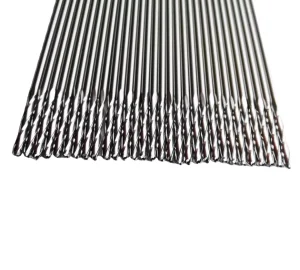
Are surgical instrumentation sets, like reamers and drill bits, reusable and autoclavable?
Absolutely. Our orthopedic surgical instruments, including flexible reamers, drill bits, and screw removal sets, are manufactured from surgical stainless steel with high corrosion resistance (ISO 7153-1). They are designed to withstand repeated autoclave cycles (up to 134°C / 273°F) and standard hospital washing/disinfection protocols without loss of structural integrity or edge sharpness.