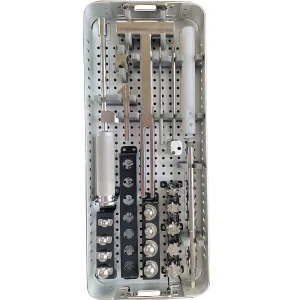
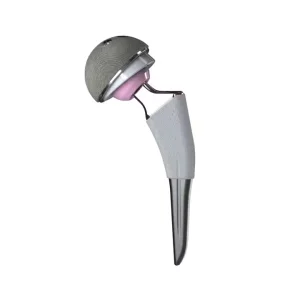
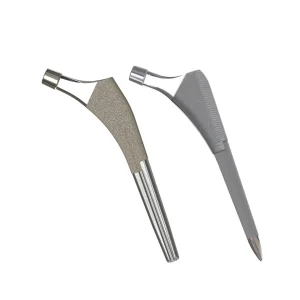
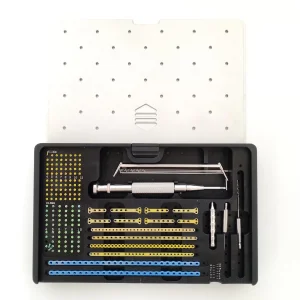
High-grade osteosynthesis implants and instruments matching German clinical precision standards.
Berlin serves as the focal point of medical excellence in Central Europe, anchoring world-class research facilities and hospital networks such as the Charité – Universitätsmedizin Berlin, Vivantes Network, and specialized trauma departments at the Unfallkrankenhaus Berlin (ukb). As the local healthcare system continues to adapt to aging demographics and rising physical activity rates among the urban populace, the clinical demand for reliable fracture fixation solutions has experienced a sustained upward trajectory.
In Germany, the optimization of fracture treatment protocols places a premium on early patient mobilization, reduction of post-operative complications, and cost efficiency under the German Diagnosis Related Groups (G-DRG) billing system. Interlocking intramedullary nails have solidified their standing as the gold standard for long bone fracture fixation, particularly for femoral, tibial, and humeral shaft fractures. However, German healthcare buyers and chief surgeons do not merely purchase orthopedic hardware; they demand comprehensive solutions that integrate biomechanical innovation, absolute compliance with the European Medical Device Regulation (MDR 2017/745), and seamless logistical reliability.
"Modern osteosynthesis in European trauma centers requires implants that offer not only physical stability but biological advantages, fostering rapid vascularization and osseointegration."
As a leading supplier partnering with medical device importers and clinical institutions serving Berlin, we recognize the nuanced operational requirements of German clinics. The transition from legacy medical directives (MDD) to the rigorous MDR standards has reshaped the supplier landscape. Procurement departments at municipal and private hospital chains alike are actively diversifying their supply chains, seeking reliable OEM/ODM partners outside the Eurozone who can deliver certified quality and clear traceability without the inflated price tags of traditional domestic brands.
Engineered to meet the biomechanical demands of modern trauma surgery.
Dual locking configurations provide the ultimate mechanical versatility. Surgeons can easily convert a rigid static construct to a dynamic construct post-operatively to facilitate controlled axial loading and accelerate bone healing.
Specifically designed proximal and distal locking configurations prevent rotational instability in complex proximal or distal third fractures, ensuring anatomic reduction is maintained under loaded physiological conditions.
Precision-bored hollow shafts accommodate standard guide wires for seamless, reamed insertion procedures, reducing operative times and minimizes intramedullary pressure spikes during the implantation phase.
Engineered for orthopedic departments seeking top-tier surgical instruments with validated reliability.
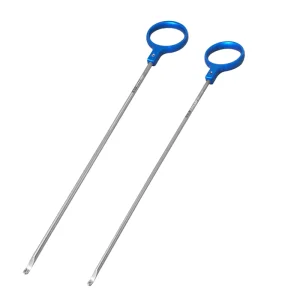
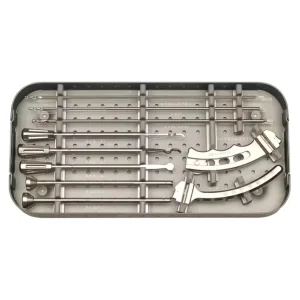
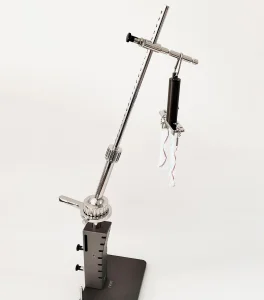
The biomechanical success of an interlocking nail is dictated by its structural design and material composition. Modern clinical practice in Germany heavily favors implants fabricated from advanced titanium alloys (specifically Ti-6Al-4V ELI conforming to ASTM F136 and ISO 5832-3 standards) and high-performance implant-grade stainless steel (316LVM, ASTM F138). Titanium alloys exhibit an elastic modulus that is much closer to cortical bone compared to stainless steel, which minimizes the occurrence of stress shielding—a primary cause of post-operative bone resorption and delayed union.
Moreover, our manufacturing facility leverages state-of-the-art surface treatment methodologies, including Type II anodization for titanium implants. This electrochemical process not only enhances the fatigue life of the interlocking nail under cyclic physiological loading but also produces a highly stable oxide layer that minimizes ion release, offering superior biocompatibility and reducing the potential for adverse tissue reactions in patients. For German trauma centers, this reduces the likelihood of secondary interventions to remove implants, which is highly scrutinized under German healthcare quality metrics.
In distal tibia or subtrochanteric femur fractures, the stability of the fracture construct relies almost entirely on the interlocking configuration. Our advanced design incorporating proximal static locking holes and a dynamic slot gives the operating surgeon precise control over dynamic axial compression. In the tibial nail configuration, the addition of a distal locking cluster provides multidirectional stability, preventing rotational displacement and maintaining anatomical length even in unstable comminuted fractures.
Mechanical testing at our manufacturing facility is carried out in strict accordance with the ASTM F1264 standard, which evaluates the static and dynamic bending strength of intramedullary fixation devices. The mechanical fatigue limits are set to comfortably exceed the standard parameters, ensuring that the implants withstand the rigorous cyclical stresses prior to complete bone union, safeguarding against intraoperative deformation or implant failure in active patient populations.
Procuring medical implants for the European Union market, particularly Germany, involves navigating complex regulatory matrices and high economic pressure. Medical device distributors in Berlin are constantly seeking ways to improve their margins while adhering to strict quality controls. Sourcing directly from an established OEM/ODM manufacturer allows companies to design customized instrumentation kits and implant portfolios that perfectly align with regional surgical preferences while eliminating middleman markups.
At Shenzhen HUL Healthcare Technology Co., Ltd. (operating Bopull Medical), we have designed our operations specifically to act as an integrated extension of our clients' supply chains. By establishing strict quality management systems certified under GB/T42061-2022 and ISO 13485:2016, we assure European procurement officers that every batch of trauma implants or surgical instruments delivered is accompanied by comprehensive raw material certifications, inspection reports, and production history logs. This level of traceability is crucial during audits conducted by European Notified Bodies (such as TÜV SÜD or DEKRA) during the CE marking and MDR registration process.
"A resilient supply chain is defined by its transparency. Providing clean data sheets, standardized sterilizability guides, and material compliance sheets is just as critical as the physical precision of the implant."
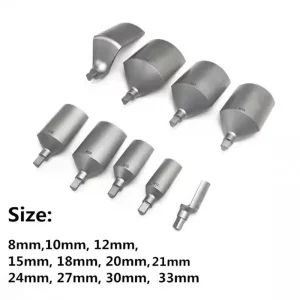
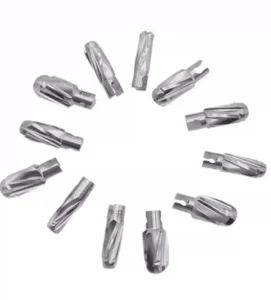
Furthermore, we understand the logistical constraints of serving the Berlin market. We provide optimized shipping terms, reliable export handling, and flexible minimum order quantities (MOQs) for custom manufacturing runs. Whether supplying custom surgical drill bits, arthroscopic shoulder instrumentation, or complete intramedullary nail portfolios, our internal engineering teams collaborate directly with our clients' technical experts to guarantee that the final instruments interface perfectly with standard hospital inventory and sterilizer systems.
Global Orthopedic Trauma Solutions & Instrument Engineering (Bopull Medical)
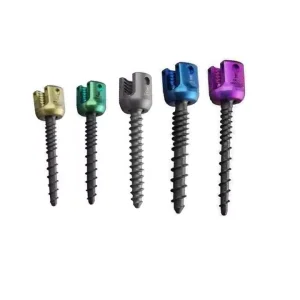
Bopull Medical has been strictly operating in accordance with international laws, regulations, and quality standards. Our operations have successfully obtained the GB/T42061-2022 (idt ISO13485:2016) quality management system international standard certification, covering orthopedic surgical tools, spine fixation components, and joint replacement implants.
Our commitment to manufacturing and product quality has earned high praise across the global industry. Equipped with advanced production machinery, a highly skilled technical engineering team, and an innovative management structure, we provide products that consistently exceed clinical expectations. We actively resolve complex technological problems for our clients, helping them register, launch, and sustain medical products in competitive regulatory environments like the EU.
The regulatory pathway for orthopedic trauma implants entering Germany requires comprehensive preparation of the Technical File under MDR Annex II. This requires post-market clinical follow-up (PMCF) plans, comprehensive clinical evaluation reports (CER), and biocompatibility profiling in accordance with ISO 10993. For manufacturers located outside Europe, maintaining a strong relationship with an experienced European Authorized Representative (EC Rep) and ensuring registration in the EUDAMED database are prerequisites for market entry.
Bopull Medical’s technical roadmap includes progressive steps towards smart orthopedic implants. Research is currently underway to study surface coatings that prevent implant-related infections, such as silver nanoparticle coatings or antimicrobial peptide applications, which are of high interest to German research institutes. Additionally, we are optimizing the design of carbon-fiber-reinforced polyetheretherketone (CFR-PEEK) composite interlocking nails. These implants are radiolucent, allowing surgeons to obtain crystal-clear intraoperative and post-operative X-rays without metal artifacts, thus simplifying assessment of fracture consolidation.
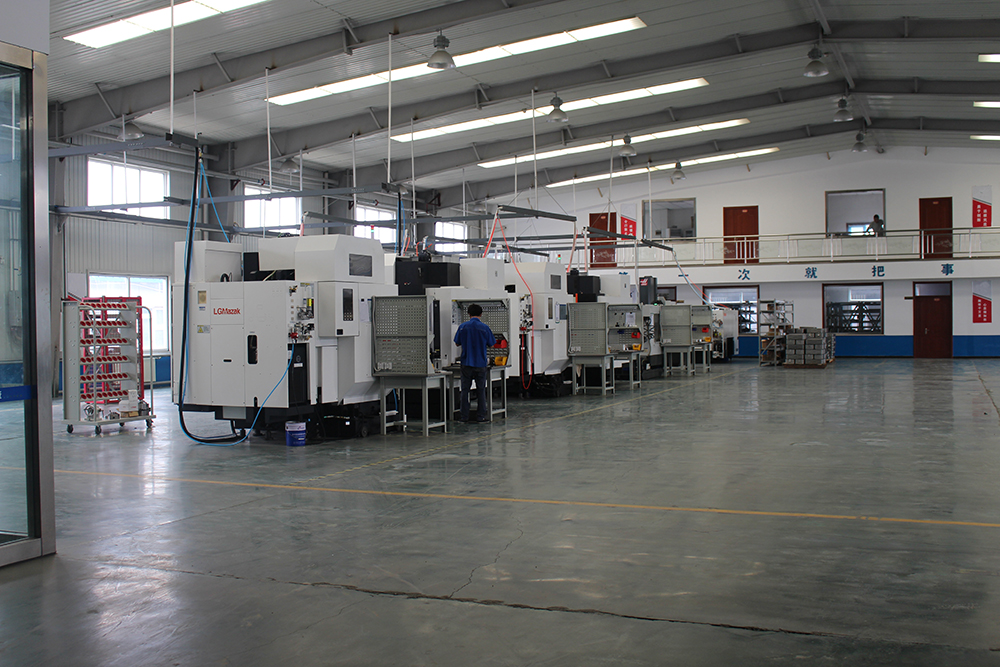
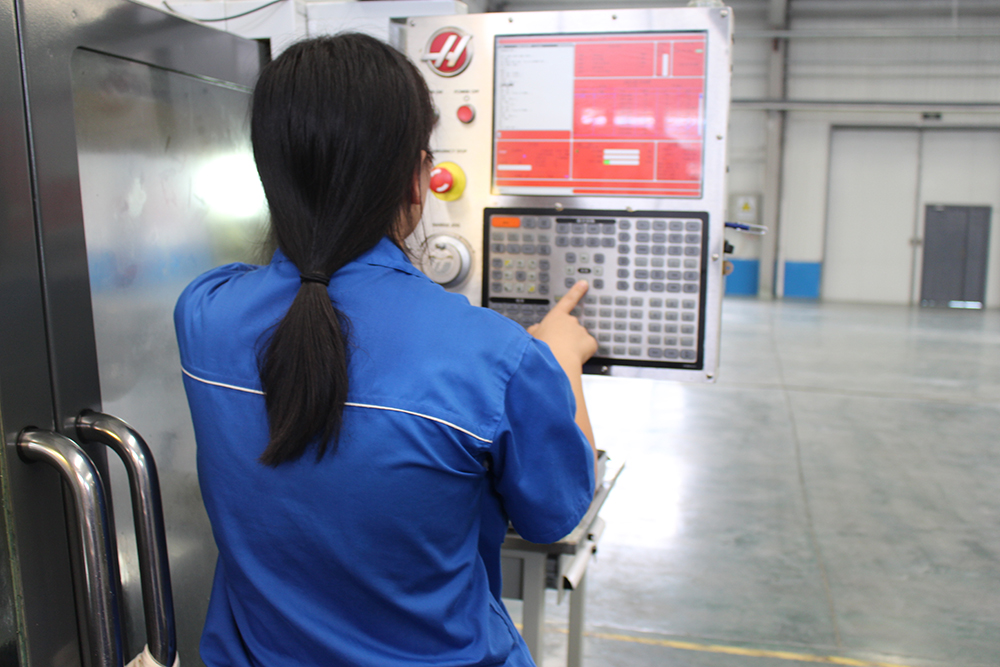
By standardizing on biocompatible raw materials, employing advanced CNC multi-axis milling machines, and ensuring 100% inspection of locking geometries, Bopull Medical guarantees that every screw and nail interfaces cleanly. This limits intraoperative frustration—a crucial metric for busy trauma centers in Berlin where OR block times are highly scheduled and expensive.
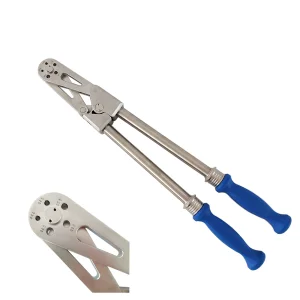
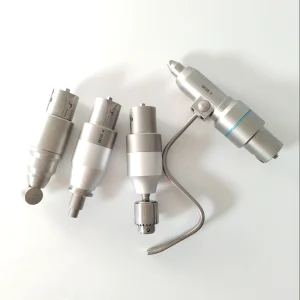
Explore our full line of veterinary and human orthopedic implants, precision cutters, and power tools.
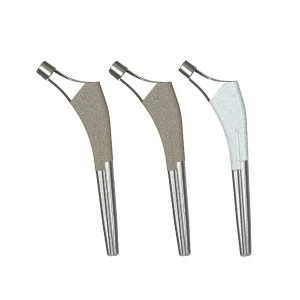
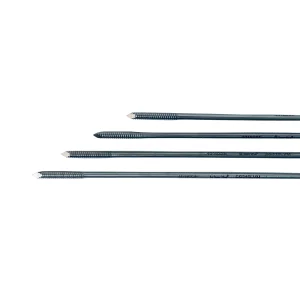
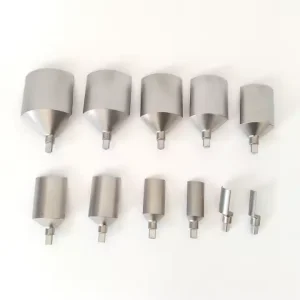
Clear answers regarding compliance, materials, distribution, and customization for the Berlin market.
Connect with our technical sales division to receive quotes, product samples, or to discuss custom orthopedics OEM partnerships today.
 HUL Healthcare Limited