As clinical demands shift toward minimally invasive osteosynthesis and immediate post-operative mobility, Osaka’s medical sector requires interlocking nails that combine extreme structural stability with biological biocompatibility. We supply medical devices engineered to withstand load-bearing forces, optimizing surgical times and recovery curves across Japan's leading healthcare regions.
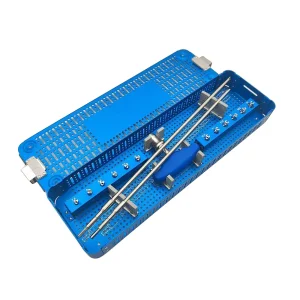
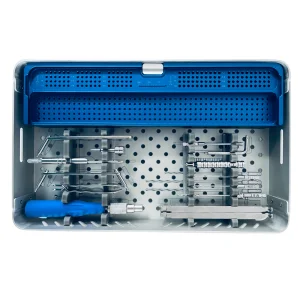
Our premier selection of orthopedic sets and instrumentation supporting advanced intramedullary nail installations.
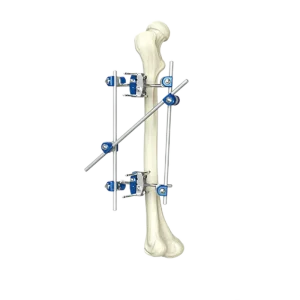
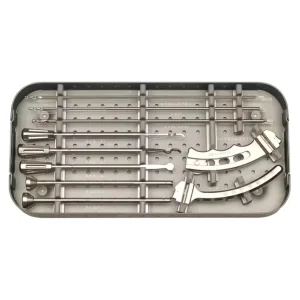
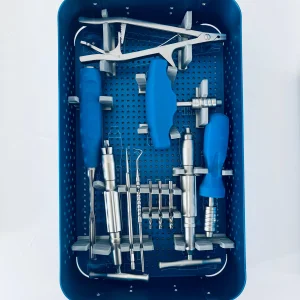
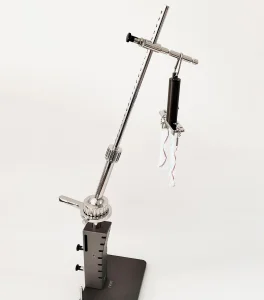
The Kansai Metropolitan Area, centered around Osaka, represents one of the world's most concentrated populations of elderly citizens. This demographic profile correlates with a high incidence of osteoporotic fractures—particularly proximal femur, subtrochanteric, and distal tibia fractures. In modern Japanese clinical pathways, long bed rests are avoided. Orthopedic departments demand immediate stability through locking intramedullary nails, enabling patients to load-bear within 48 hours post-op.
To support this high-paced healthcare environment, local clinical institutions require surgical implants that utilize cutting-edge biocompatible materials, highly precise targeting rigs, and instrumentation that reduces intraoperative radiation (fluoroscopy) times. Our company bridges these demanding Japanese requirements with cost-efficient, high-precision biomedical manufacturing processes.
How modern implant geometry protects biological recovery and preserves cortical blood flow.
Interlocking nails act as internal splints. The placement of proximal and distal locking bolts relative to the intramedullary axis prevents rotational shear and telescoping deformities. Our structural designs feature dynamic compression options allowing controlled fracture dynamization under physiological loads.
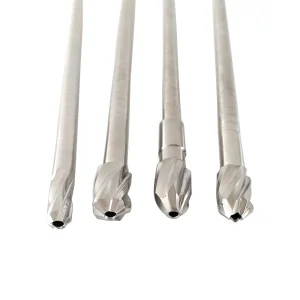
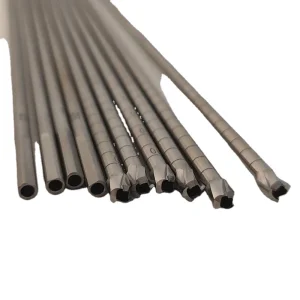
We supply flexible manual and power reaming instrument sets that allow precise, incremental cavity expansion. This maintains endosteal blood supply while ensuring perfect bone-to-nail contact, maximizing healing speed and preventing non-union.
Specifically designed with customized anatomical curvature radii to ease insertion into the femoral or tibial canal. This curvature reduces stress peaks near the entry site and reduces the risk of iatrogenic cortical penetration during surgery.
| Functional Parameter | Interlocking Intramedullary Nails | Conventional Plate & Screw Systems |
|---|---|---|
| Load-bearing Axis | Centromedullary (Load sharing) | Eccentric (Load bearing) |
| Incision Size & Tissue Disruption | Minimal (Percutaneous insertions) | Extensive (Open reduction internal fixation) |
| Preservation of Periosteum | Highly Preserved | Compromised at plate interface |
| Risk of Non-Union in Long Bones | Very Low (Dynamic configuration allows micromovement) | Moderate (Highly rigid fixation may delay callus formation) |
| Post-Op Weight-Bearing Timeline | Immediate to early weight-bearing allowed | Delayed (Subject to healing progress) |
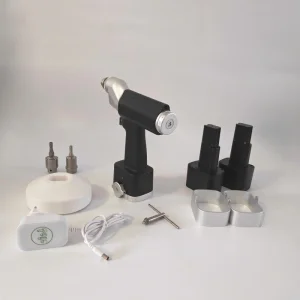
Ancillary equipment engineered for high-precision bone preparation and intraoperative efficiency.
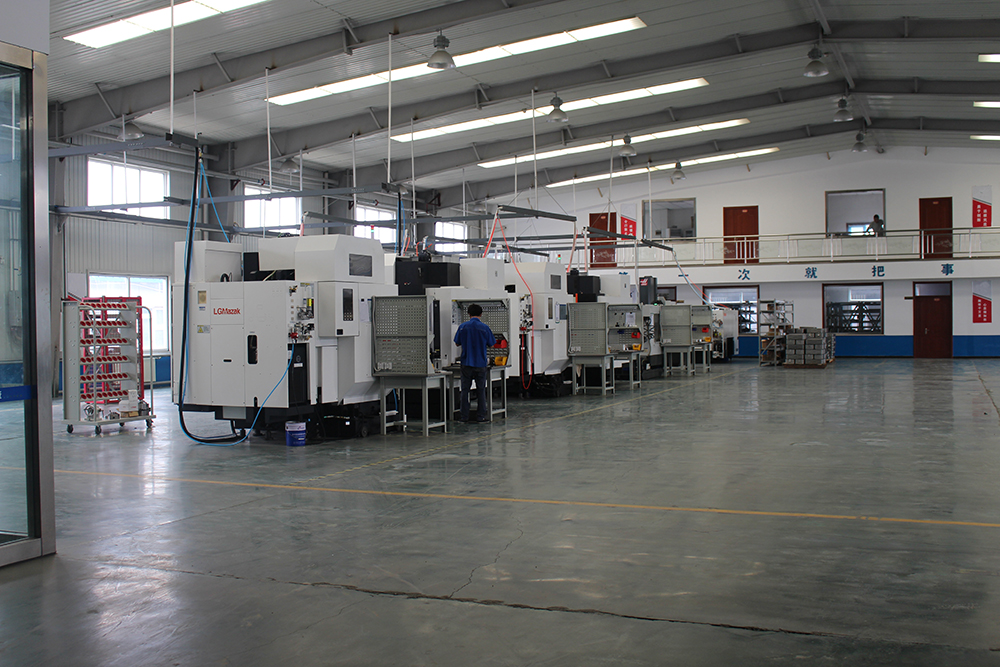
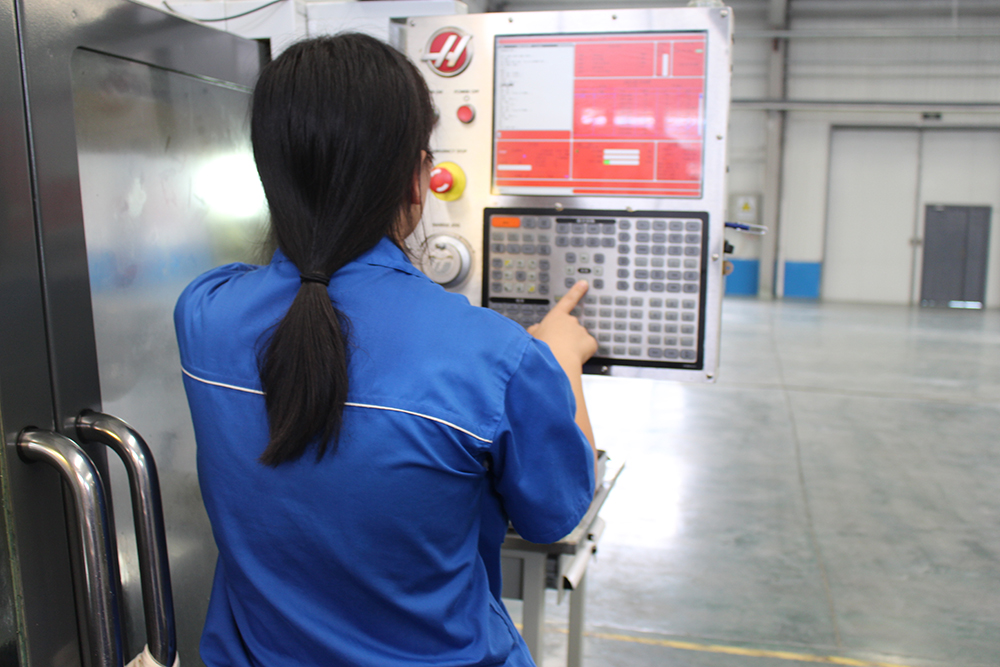
At Shenzhen HUL Healthcare Technology Co., Ltd. (Bopull Medical), quality is not a variable—it is a guarantee. All our production and research processes follow strict international standards, having achieved GB/T42061-2022 idt ISO13485:2016 quality management system international certification.
For surgical procurement managers in Osaka, Kobe, and Kyoto, we provide clear documentation, sterile barrier packaging options, and complete raw material traceability. Our team of 301–500 specialists works alongside clinical professionals to continuously refine instrument tolerance and design.
Our ongoing R&D directions in material science and targeting accuracy.
Integrating miniature strain sensors within interlocking nail shafts to dynamically log load distribution. This technology can monitor real-time healing progress and alert patients to premature load bearing before hardware failure occurs.
Investigating polyetheretherketone (PEEK) matrix composites reinforced with carbon fibers. PEEK offers mechanical stiffness closer to natural cortical bone, minimizing stress shielding while allowing radiolucent fracture assessment.
Anodized surface micro-structuring combined with local antimicrobial peptide coatings. This approach lowers bacterial colonization risk, critical for open fractures or complex revision surgeries.
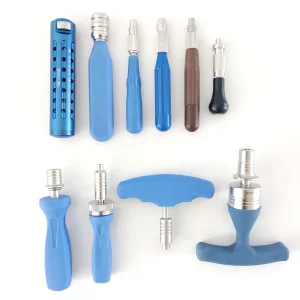
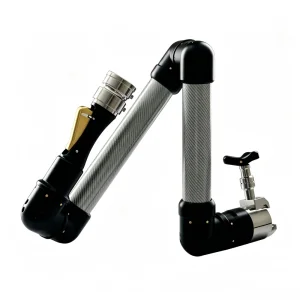
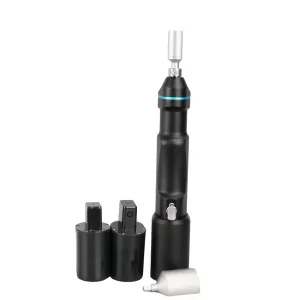
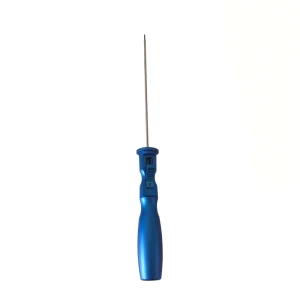
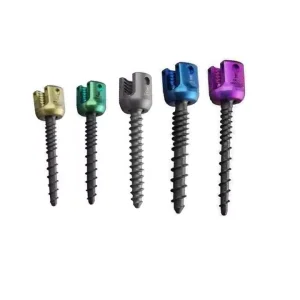
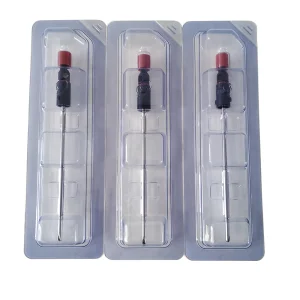
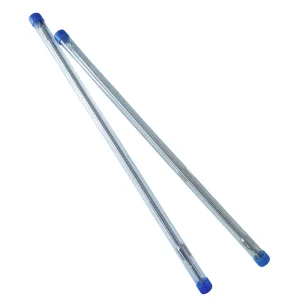
Our comprehensive collection of surgical support systems, specialty instrumentation, and trauma accessories.
Ensuring rapid customs clearance, regulatory submission documentation, and localized Kansai logistics.
Navigating the Japanese Pharmaceutical and Medical Devices Agency (PMDA) regulatory path requires deep experience. We supply raw data packages, design histories, and manufacturing records to local partners and Japanese MAH (Marketing Authorization Holders). Our quality manual meets both domestic requirements and international ISO 13485:2016 standards.
Our logistical network ensures direct delivery to major freight forwarders serving Osaka (KIX / Kansai International Airport). By packing products in multi-layered, climate-controlled, protective shipping units, we guarantee complete preservation of the instrument's structural tolerances and surfaces.
Key insights for surgical procurement managers, distributors, and orthopedic department heads.
Gain access to complete technical data sheets, bulk pricing structures, and customizable surgical instrumentation sets designed for the Japanese medical market.
Send Inquiry Now HUL Healthcare Limited