Interlocking Nail Supplier & Exporter in Ethiopia

Pioneering Clinical Orthopedic Implants and Surgical Power Systems to Advance Trauma Care Across East Africa

Premium Orthopedic & Trauma Implants Selection

Advanced Clinical Equipment Engineered for Ethiopian Orthopedic and Reconstructive Surgeries
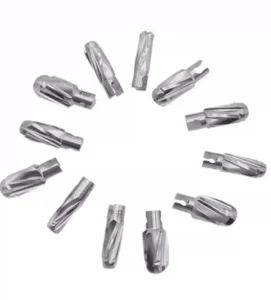
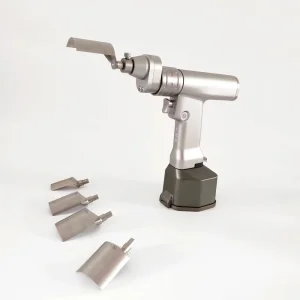
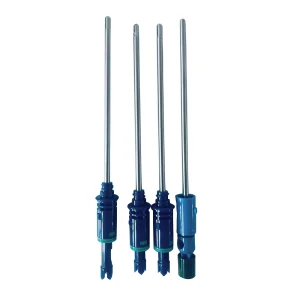
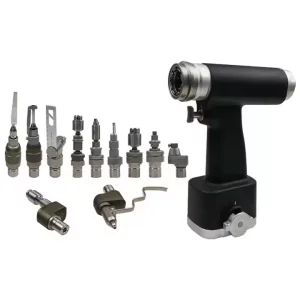
Ethiopian Specialized Bone Surgical Drill Bit & Milling Cutter

Specialized Bone Surgical Drill Bit Bone Milling Cutter for Ethiopian Orthopedic Wards

View Product Details
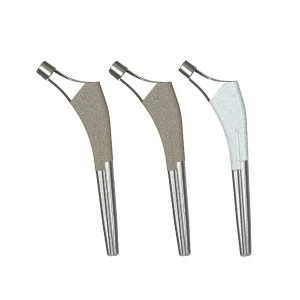
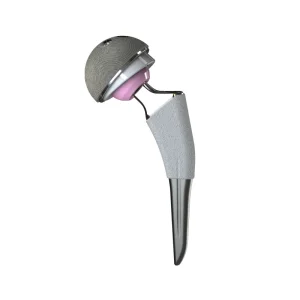
Titanium Total Hip Joint Prosthesis Implant for Ethiopian Hospitals

Orthopedic Titanium Total Hip Joint Prosthesis Implant System (Addis Ababa Clinical Grade)

View Product Details
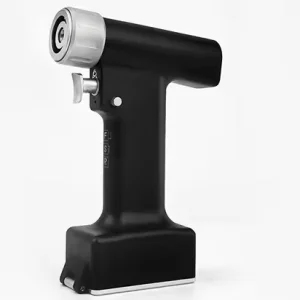
Brushless Motor Orthopedic Cannulated Drill Saw Set

High-Efficiency Brushless Motor Multifunctional Cannulated Drill & Saw Set for Trauma Center

View Product Details
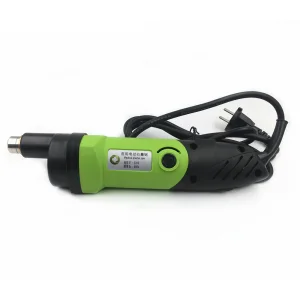
High-Precision Autoclavable Medical Plaster Cast Saw

Autoclavable Medical Plaster Cast Saw for Post-Interlocking Nail Rehabilitation Care

View Product Details

Ethiopia Orthopedic & Trauma Implants Market Report

1. Contextual Analysis of Orthopedic Trauma in Ethiopia

Ethiopia, as the second most populous country in Africa, is experiencing rapid urbanization and massive infrastructure expansions. While these projects fuel economic progression, they have also led to an escalating public health concern: a rising rate of road traffic accidents (RTAs) and industrial musculoskeletal trauma. Studies indicate that skeletal fractures constitute over 60% of trauma admissions in regional referral hospitals such as Tikur Anbessa Specialized Hospital (TASH) in Addis Ababa, Alert Hospital, and Hawassa University Comprehensive Specialized Hospital.

Historically, conservative fracture management (skeletal traction and plaster casts) prevailed in Ethiopian hospitals due to the scarcity of modern surgical implants. However, prolonged bed confinement leads to significant complications, including joint stiffness, deep vein thrombosis (DVT), and muscle atrophy. This clinical paradigm is rapidly shifting toward early mobilization through internal fixation techniques, with interlocking nails (intramedullary nails) emerging as the gold standard for treating long bone diaphyseal fractures of the femur, tibia, and humerus.

2. The Biomechanical & Clinical Advantages of Interlocking Nails

Unlike traditional dynamic compression plates (DCPs), which rely on eccentric positioning on the bone surface and run a high risk of periosteal devascularization, interlocking intramedullary nails are load-sharing devices positioned coaxially within the medullary canal. This biomechanical placement:

  • Preserves Periosteal Blood Supply: Critical for rapid callus formation and reducing cases of delayed union or nonunion.
  • Minimizes Bending Moments: Interlocking nails decrease the mechanical stress on the implant itself by distributing physiological loads directly along the anatomical axis of the bone.
  • Facilitates Controlled Rotational Stability: Transverse locking screws placed at the proximal and distal ends prevent rotational displacement, permitting immediate partial weight-bearing post-surgery.

3. Technical Anatomy of Premium Intramedullary Systems

HUL Healthcare Technology Co., Ltd. (Bopull Medical) designs interlocking nails that meet the highest international standards. The nails feature a specialized anatomic curvature designed to match the physiological bowing of the human femur and tibia. Available in high-strength Titanium Alloy (Ti-6Al-4V ELI) and Surgical Stainless Steel (316L), these systems boast:

  • Distal Targeting Precision: Specially calibrated mechanical outriggers that minimize C-arm fluoroscopy dependency during distal screw insertion—a major bottleneck in rural Ethiopian operating rooms.
  • Cannulated Options: Designed for reamed insertion to promote osteoblast recruitment, as well as solid configurations for open trauma fractures where the risk of intramedullary infection is heightened.
  • Multi-planar Proximal Locking Options: Engineered to secure proximal metaphyseal fractures without compromising stability.
ISO 13485
Quality Certified
95.3%
Exporter Response Rate
≤3 Hours
Rapid Inquiry Feedback
CE Class II
Regulatory Compliance

4. Regulatory Framework and Import Compliance (EFDA Requirements)

Importing medical hardware into Ethiopia requires compliance with the Ethiopian Food and Drug Authority (EFDA) guidelines. Implants, as Class III medical devices (high-risk category), require rigorous documentation:

  1. Certificate of Pharmaceutical Product (CPP) or Free Sale Certificate (FSC): Proving that the product is legally authorized and utilized in the country of origin.
  2. ISO 13485:2016 Certification: Highlighting that the manufacturing line maintains a dedicated quality management system for medical devices.
  3. Full Technical Dossier: Covering biomechanical testing profiles, sterilization cycle validations (EO or Gamma Irradiation), and clinical evaluation reports.

Bopull Medical is structured to support Ethiopian importers, distributors, and NGO purchasing agents. We provide all necessary regulatory documentation, certificates of analysis, and technical data sheets to ensure smooth clearance through customs at Bole International Airport or the Dry Ports (Mojo and Semera).

5. Localized Clinical Solutions and Surgical Support

A central challenge in the Ethiopian healthcare landscape is the uneven distribution of advanced diagnostic and surgical imaging tools. While capital cities have access to modern fluoroscopy (C-arms), district clinics in outlying regions often rely on manual tactile estimation for distal targeting.

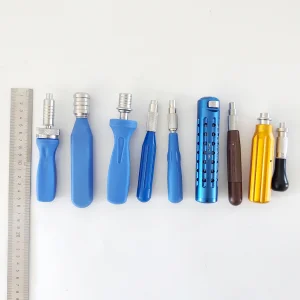
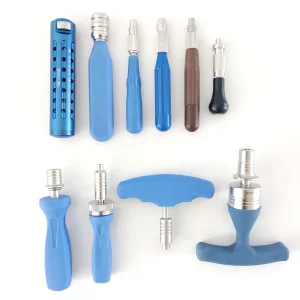
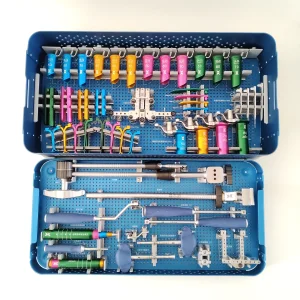
Recognizing this hurdle, Bopull Medical provides not only the interlocking nails but also highly robust, mechanical distal targeting instrument sets. These mechanical jigs are designed with ultra-low tolerances and manufactured from high-grade aircraft aluminum and surgical stainless steel, enabling surgeons to secure distal locking screws without relying exclusively on real-time fluoroscopic imaging. This significantly reduces radiation exposure to the operating team and extends the feasibility of orthopedic trauma operations to resource-constrained settings.

6. Future Technical Roadmap for Orthopedic Fixation in Developing Markets

Looking forward (2025–2030), the future of orthopedic implants lies in the intersection of material science and digital customization. Key trends that Bopull Medical is actively integrating into its R&D roadmap include:

  • Bioactive Surface Coatings: Incorporating Hydroxyapatite (HA) or nano-silver coatings to combat post-operative infection risks, a crucial factor in open fractures.
  • Expandable Intramedullary Nails: Hydraulic expansion mechanisms that eliminate the need for locking screws altogether, shortening surgical time and lowering the steep learning curve for junior surgeons.
  • Smart Implant Systems: Integrating strain-gauge sensors to monitor real-time bone healing patterns and patient load compliance, transmitting data wirelessly to clinicians.

Manufacturing Excellence & Global Credibility

Shenzhen HUL Healthcare Technology Co., Ltd. (Bopull Medical) Profile

Bopull Medical operates strictly in accordance with international laws, regulations, and standardized management frameworks. Certified under GB/T42061-2022 / ISO13485:2016, we are committed to providing medical professionals worldwide with orthopedic implants and instrumentation of high precision.
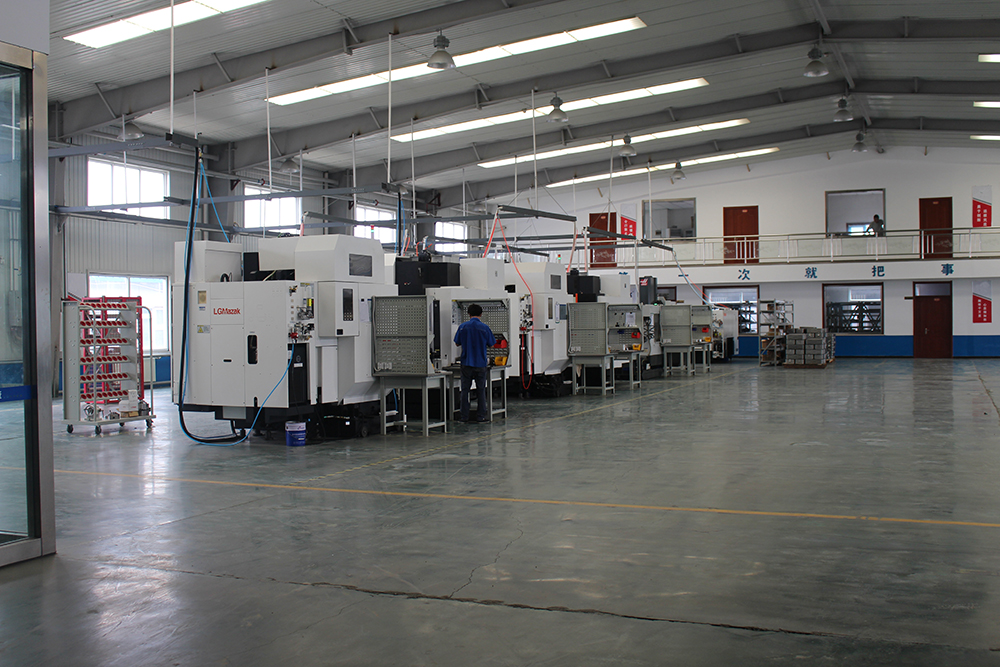
Company Name:
Shenzhen HUL Healthcare Technology Co., Ltd.
Quality Standards:
ISO13485:2016, GB/T42061-2022 Certified
Business Type:
Manufacturer & Specialized Trading Entity
Global Presence:
Active exporter to East Africa, Middle East, and Latin America
Workforce:
301 - 500 Skilled Professionals
R&D Capacity:
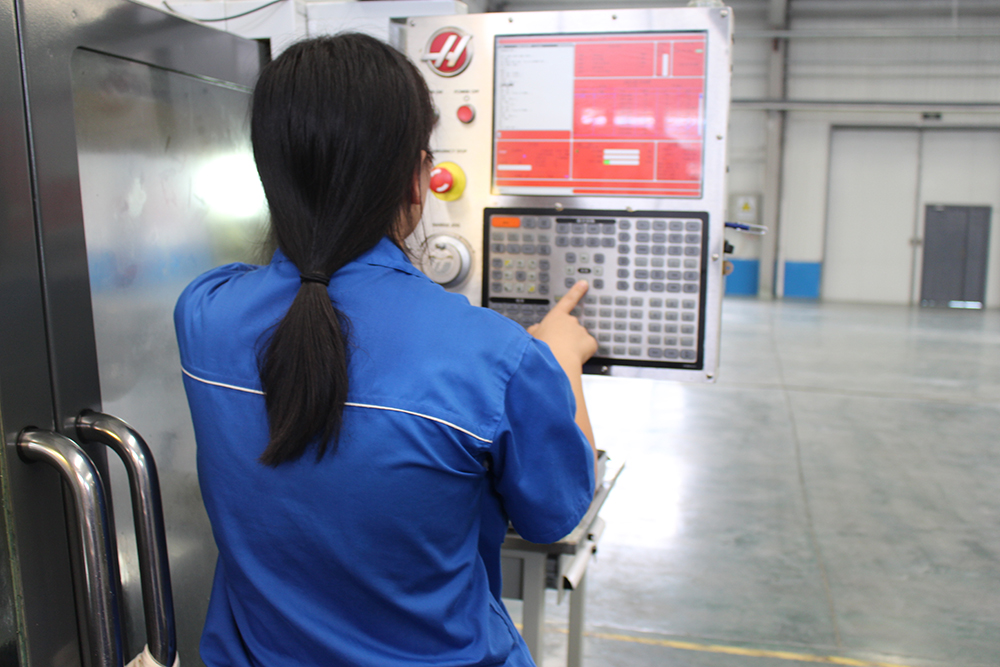
Advanced CNC machining centers, cleanroom packaging, and material testing labs
Bopull Medical Quality Testing Laboratory Precision CNC Manufacture of Orthopedic Implants

Full Orthopedic Instrument & Surgical System Catalog

Browse our robust surgical inventory, compatible with the locking nail systems for complete clinical solutions
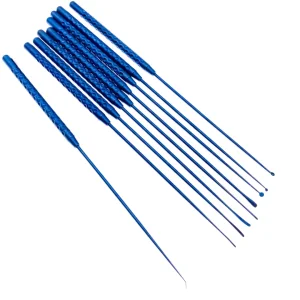
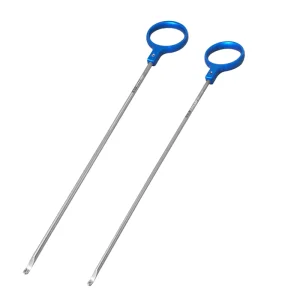
Titanium Manual Micro Nerve Vessel Hook

Titanium Micro Nerve Hook & Vessel Dissector for Trauma Surgery Reconstruction

View Details
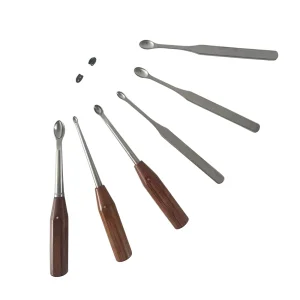
Orthopedic Joint Hart Spoon

Orthopedic Joint Surgical Hart Spoon for Clean-out & Debridement in Open Fractures

View Details
Shoulder Joint Knot Pusher

Bopull Steel Arthroscopic Orthopedic Shoulder Joint Knot Pusher Instruments

View Details
Nitinol Scorpion Suture Passer

Nitinol Scorpion Suture Passer for Advanced Arthroscopy & Soft Tissue Repair

View Details
Cementless Femoral Stems Hip Prosthesis

Cementless Femoral Stems Hip Prosthesis System for Total Hip Arthroplasty (THA)

View Details
Torque Handle Spine Screwdriver

Orthopedic Spine Screwdriver with Calibrated Torque Control Handle

View Details
Sports Medicine Shaver Blade

Surgical Shaver Blade for Sports Medicine and Minimally Invasive Joint Resection

View Details
Torque Control Handle Screwdriver

Basic Orthopedic Surgical Screwdriver Kit with Torque Control Mechanism

View Details
Autoclavable Oscillating Saw

Surgical Orthopaedic Oscillating Saw (Fully Autoclavable Power Tool)

View Details
Lithium Battery Electric Orthopedic Saw

High-End Lithium Battery Brushless Electric Orthopedic Saw & Bone Drill

View Details
Torpedo Shaver Blade

Orthopedic Sports Medicine Torpedo Shaver Blade for Arthroscopic Debridement

View Details
Spine Tubular Retractor System

Minimally Invasive Spine Instruments Set Tubular Retractor (MIS OLIF System)

View Details

Frequently Asked Questions

Crucial Medical Device Importation & Clinical Application Inquiries Answered by Industry Experts

Q1: What materials are utilized in your interlocking nails, and are they suitable for MRI?
Our interlocking intramedullary nails are manufactured using medical-grade Titanium Alloy (Ti-6Al-4V ELI) and Surgical Stainless Steel (316L). Titanium alloy implants are highly biocompatible, exhibit superior fatigue strength, and are classified as MRI-safe or MRI-conditional. They produce minimal artifacts during imaging compared to stainless steel.
Q2: How does HUL Healthcare assist with the EFDA regulatory compliance in Ethiopia?
We provide a complete regulatory registration packet. This includes ISO 13485:2016 certification, CE declarations, sterilization reports (EO/Gamma), and raw material certificates. We coordinate closely with your local registered agent in Addis Ababa to ensure smooth customs clearance and compliance validation.
Q3: Are the surgical instrument sets compatible with other implant brands?
Our instruments (such as drills, reamers, and screw-drivers) are designed according to international AO standards. However, because thread configurations and locking mechanics can vary slightly between manufacturers, we recommend using HUL Healthcare targeting instruments and screw drivers with our corresponding interlocking nails for optimal mechanical alignment and surgical safety.
Q4: What is the typical lead time for shipping surgical hardware to Ethiopia?
Standard inventory items ship within 7–10 business days. Large-scale regional tenders or customized orthotic hardware production runs typically require 30–45 days. We offer flexible transit routing via air cargo (delivering directly to Bole International Airport in Addis Ababa) or sea freight (routing through Djibouti Port).