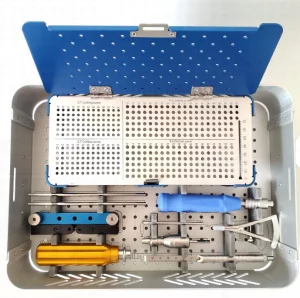
High-precision trauma fixation devices engineered to meet South Korea's stringent healthcare benchmarks and anatomical demands.
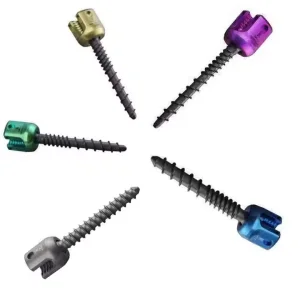
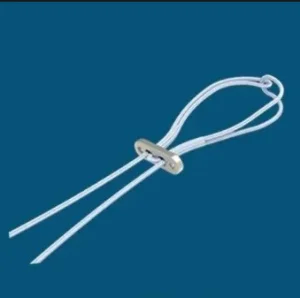
An in-depth analysis of demographics, clinical demand, regulatory shifting, and procurement trajectories.
South Korea is rapidly transitioning into a super-aged society, with projections indicating that over 20% of its population will be aged 65 or older within the current decade. This massive demographic shift has triggered a geometric expansion in age-related bone trauma, specifically osteoporotic fragility fractures of the proximal femur, humerus, and tibia. Consequently, Korean healthcare institutions, from municipal trauma units to major metropolitan hospitals in Seoul and Busan, require highly reliable, biomechanically advanced intramedullary interlocking nail systems to reduce postoperative morbidity and encourage immediate load-bearing capabilities.
Unlike traditional plating systems, contemporary Korean trauma surgery favors minimally invasive techniques using intramedullary nails. These devices offer load-sharing mechanics, minimal disruption to the periosteal blood supply, and reduced exposure to surgical site infections (SSIs), positioning them as the standard of care for long-bone stabilization.
South Korea’s Ministry of Food and Drug Safety (MFDS, formerly KFDA) enforces some of the world's most rigorous compliance matrices for Class II and Class III orthopedic medical devices. Importers and international suppliers must present robust mechanical and biocompatibility validation documentation. This includes proof of compliance with ASTM F136 (Ti-6Al-4V ELI) and ISO 5832-3 standards, structural fatigue testing reports (ASTM F1264 for intramedullary fixation devices), and strict adherence to Korea Good Manufacturing Practice (KGMP) regulations.
For global suppliers seeking access to this lucrative market, establishing high-level transparency, comprehensive technical files, and swift response timelines for document registration is crucial to securing clinical trials and hospital bidding approvals.
The science behind our implant formulations, fatigue limits, and load-sharing dynamics.
Our interlocking nail products utilize Extra Low Interstitial (ELI) Titanium alloy, which conforms strictly to ASTM F136 standards. The reduction of interstitial elements (such as oxygen, nitrogen, carbon, and hydrogen) significantly improves the fracture toughness and fatigue resistance of the implant. In clinical settings across Korea, where patient mobilization cycles begin within 48 hours post-op, these metallurgical qualities prevent material fatigue and catastrophic implant failure under high cyclic load conditions.
To resist rotational and axial forces during the physiological remodeling phase, our interlocking nails feature high-precision proximal and distal locking configurations. Multi-planar screw configurations allow surgeons to secure highly unstable comminuted fractures with minimum risk of secondary displacement. Cannulated pathways allow smooth guide-wire insertion and reamed surgical approaches, minimizing intraoperative duration and optimizing intramedullary pressure during implant advancement.
Ensuring procurement continuity, sterile delivery parameters, and structural transparency.
Korean trauma centers operate on a strict demand-pull scheduling system. High-volume hospitals cannot tolerate surgical cancellations due to implant shortages. As a seasoned exporter, we resolve supply chain volatility by keeping a dedicated reserve stock of standard sizes (diameters 8mm to 13mm, lengths 240mm to 420mm) ready for immediate deployment. Furthermore, all products can be delivered in validated double-sterile barrier packaging, ensuring compliance with local sterilization regulations and saving critical processing time for central sterile supply departments (CSSD).
We provide full-spectrum engineering dossiers to assist Korean medical device importers during the MFDS clearance phase. Our technical documentation includes chemical analysis reports, fatigue test certifications, cleaning validation reports, and sterilization dosimetry mapping. Whether you operate as an independent medical device distributor, a large healthcare buying group, or a specialized trauma implant brand, our robust quality control infrastructure stands ready to support your market growth strategies.
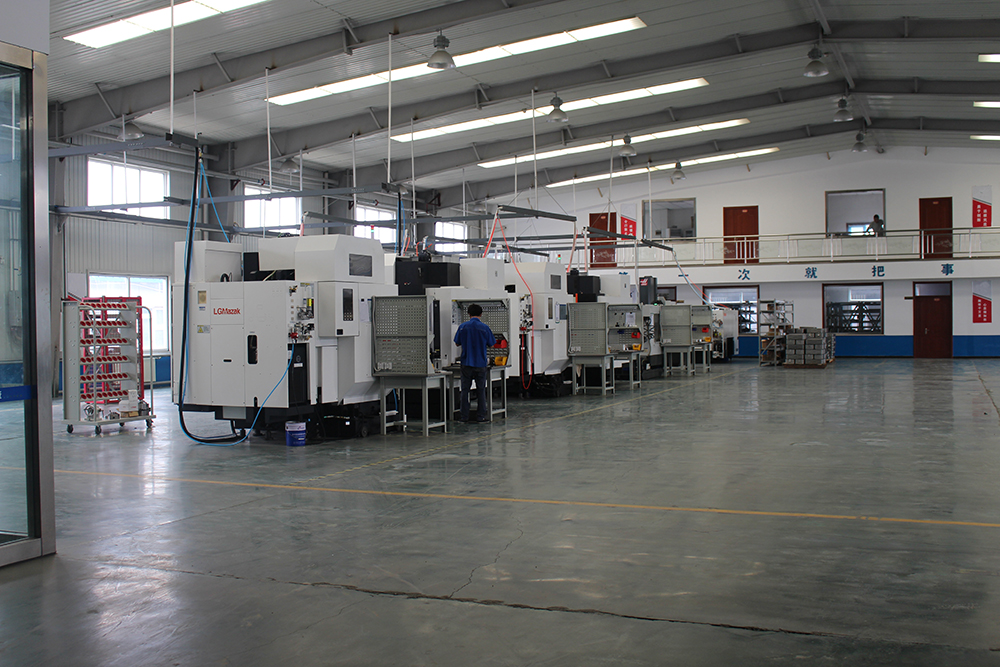
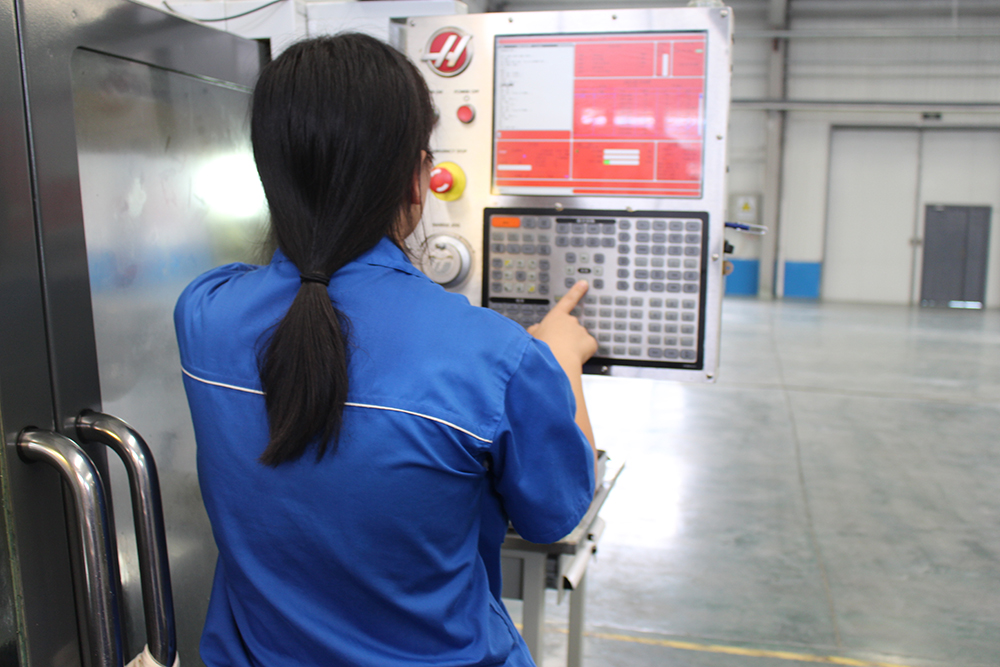
Shenzhen HUL Healthcare Technology Co., Ltd. (Bopull Medical) runs a highly integrated orthopedic manufacturing framework. Our production facilities follow strict international standards, ensuring reliable surgical implants and instruments for leading trauma hospitals across the globe.
Clear, direct, and technically sound answers regarding our medical implant operations in South Korea.
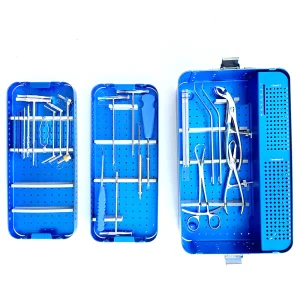
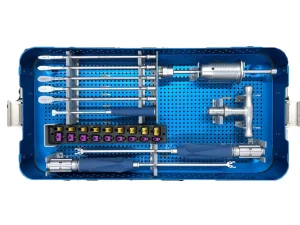
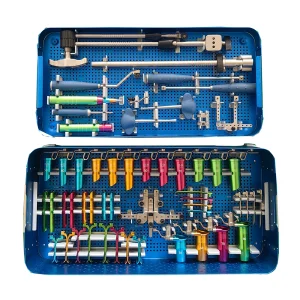
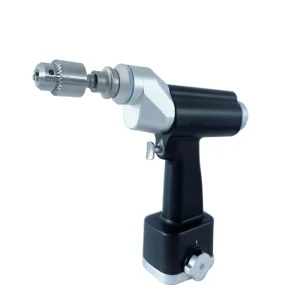
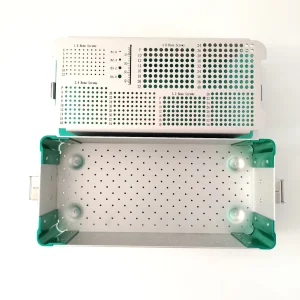
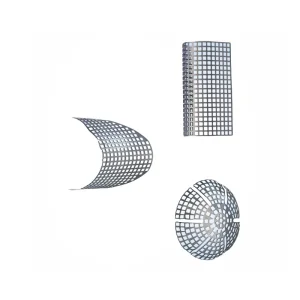
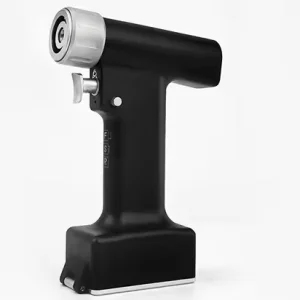
Complete surgical tool configurations and high-performance equipment supporting advanced orthopedic and veterinary surgeries.
 HUL Healthcare Limited