High-precision orthopedic components engineered to enhance patient recovery pathways in Austrian trauma centers and neurosurgical departments.
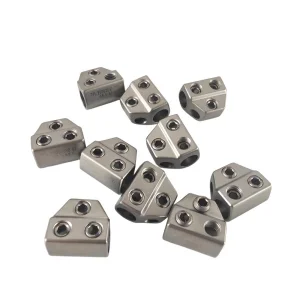
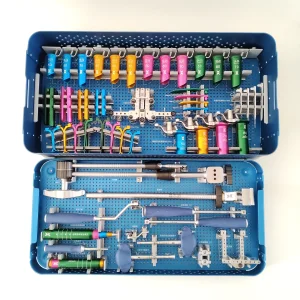
Austria is renowned for maintaining one of the most advanced healthcare systems globally, characterized by high-density coverage, strict state funding allocation, and absolute dedication to clinical quality. In Austrian hospitals and clinics, such as the AKH Wien (Vienna General Hospital), LKH-Univ. Klinikum Graz, and private orthopedics institutions, medical teams demand state-of-the-art implant solutions that maximize patient mobility and minimize post-operative rehabilitation duration. This medical environment creates a high-barrier, premium-demand market for spinal implants and instruments.
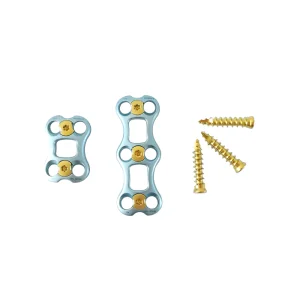
Austrian surgeons lean heavily towards minimally invasive spine surgery (MISS) protocols and cervical plate solutions to treat degenerative disc conditions, spondylolisthesis, and trauma-induced vertebral fracture cases.
The transition from the traditional MDD to the stringent European Union Medical Device Regulation (EU MDR 2017/745) has reshaped the supplier landscape in Austria, requiring continuous post-market clinical follow-up.
Distributors and hospitals require flawless traceability, biocompatibility profiles, sterilization safety protocols, and responsive product line customization capability for complex skeletal geometries.
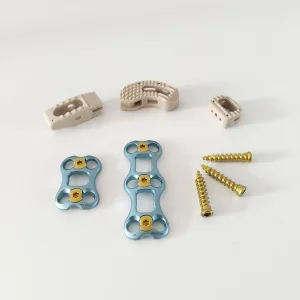
Moreover, the integration of advanced materials such as implant-grade Titanium alloy (Ti-6Al-4V ELI) and Polyetheretherketone (PEEK) has become the gold standard. As an international manufacturing and exporting powerhouse, we support Austrian medical device distributors by offering direct factory access to implants and manual orthopedic surgical instruments that perfectly align with local clinical priorities and European safety directives.
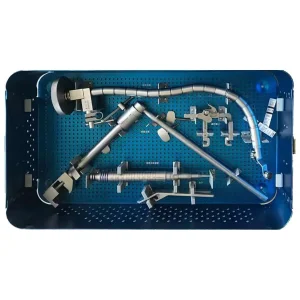
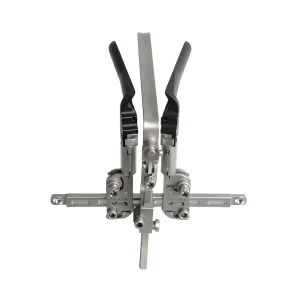
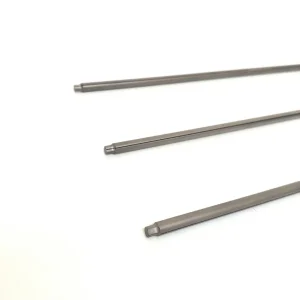
Ensuring seamless surgical integration through meticulously machined instrumentations and posterior fixation setups.
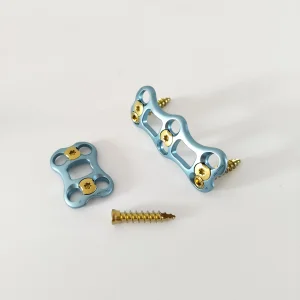
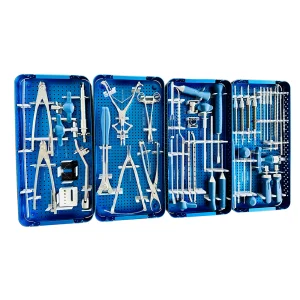
As a global leader in orthopedic manufacturing, we prioritize transparency and safety above all. Exporting medical devices to the Austrian market demands strict adherence to local regulatory bodies like the BASG (Austrian Federal Office for Safety in Health Care) and compliance with the Austrian Medicines and Medical Devices Act (Medizinproduktegesetz - MPG). Our production facilities maintain compliance protocols designed to satisfy these rigorous requirements:
Importing spinal implants and instruments from our manufacturing plant in China offers Austrian medical institutions a strategic balance of cost efficiency and uncompromising material quality. By utilizing high-tech production clusters in China, we deliver advanced surgical equipment at competitive pricing.
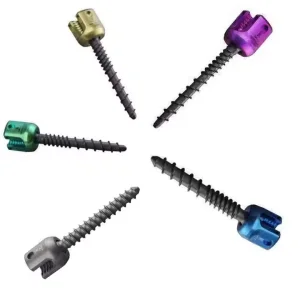
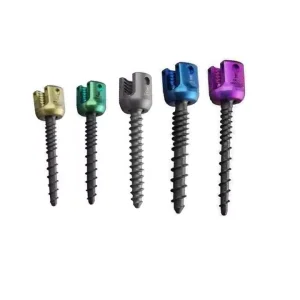
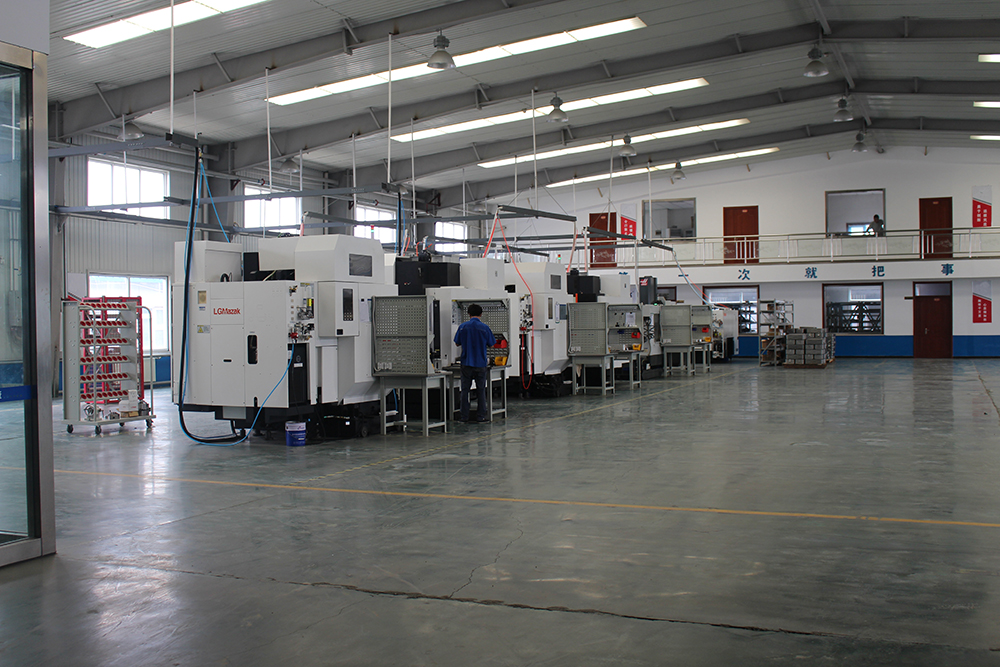
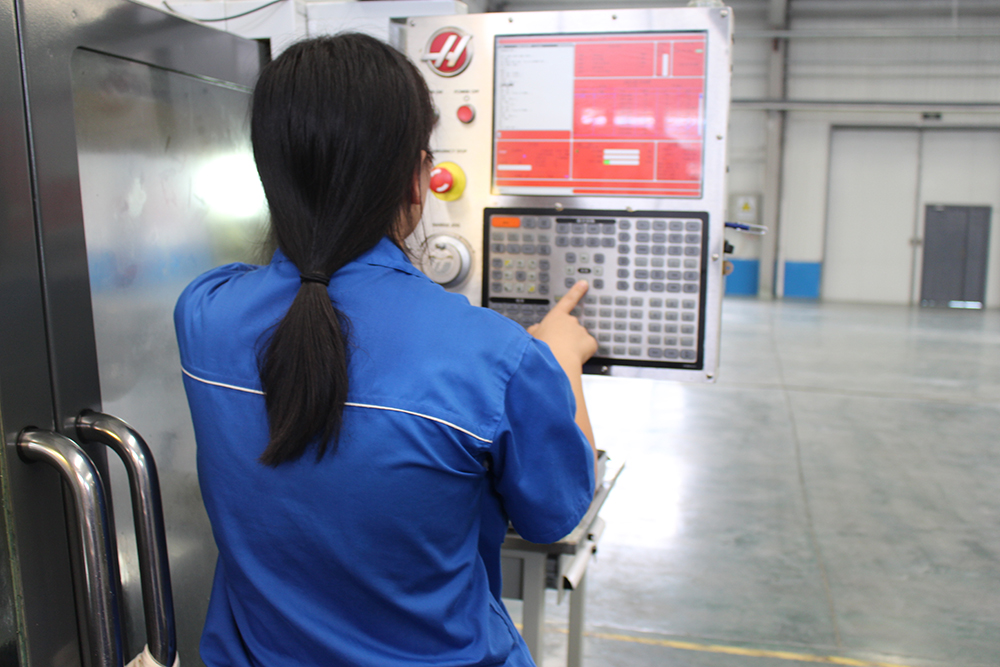
Our manufacturing complex houses modern Swiss-type CNC lathes, 5-axis machining centers, and automated wire EDM systems. This tooling enables us to manufacture complex geometries—such as polyaxial pedicle screw heads, dual-lead threads, and anatomical cervical plates—with micro-level tolerances. Additionally, our specialized cleanroom packaging systems minimize particulate bioburden, ensuring all instruments are sterile-ready for immediate hospital integration.
Through established logistics networks, we offer flexible shipping solutions to Austria (including direct air freight to Vienna International Airport and reliable door-to-door sea-rail routes). This streamlined logistics framework shortens typical lead times, allowing distributors to adapt quickly to changing hospital demands and avoid stockouts during critical surgery schedules.
Orthopedic medicine is constantly evolving, driven by clinical research and patient care objectives. In Western Europe, and Austria in particular, four major technical trends are shaping the design requirements for modern implants and instruments:
Reduced surgical incisions lead to faster recovery and lower infection rates. Our tubular retractor sets and specialized surgical instruments are designed for stable, low-profile exposure, helping surgeons operate with minimal impact on surrounding soft tissues.
Modern implant interfaces utilize micro-texture surface blasting to promote rapid osseointegration. This enhances mechanical bonding between the titanium implant surface and surrounding bone tissue, improving long-term implant stability.
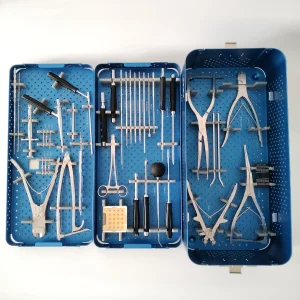
Surgeons depend on reliable, tactile feedback during implant placement. Our manual stainless steel instrument sets are calibrated to deliver precise torque feedback, reducing user fatigue and ensuring controlled screw insertion.
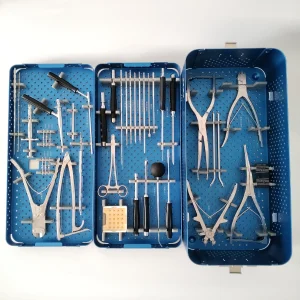
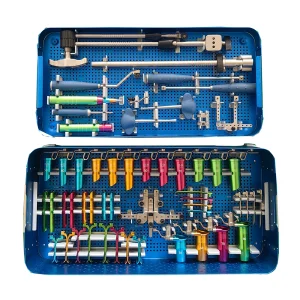
Full catalog of surgical grade spinal instruments, fixation systems, and specialized retractor kits.
Technical, regulatory, and logistics answers for orthopedic buyers and distributors in Austria.
Get in touch to request technical documentation, biocompatibility testing certificates, or a quote for your distribution needs in Austria.
Send Inquiry Now HUL Healthcare Limited