Direct-from-factory orthopedic instruments and implants tailored for public and private healthcare facilities in Kazakhstan.
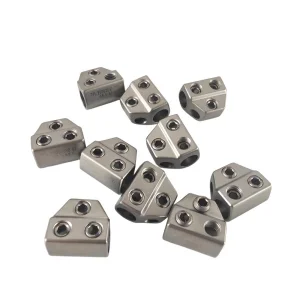
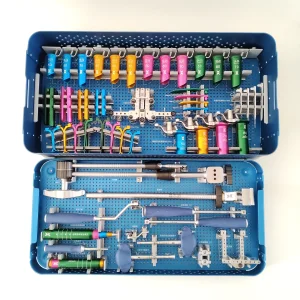
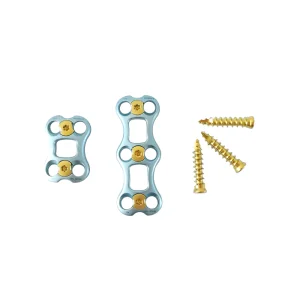
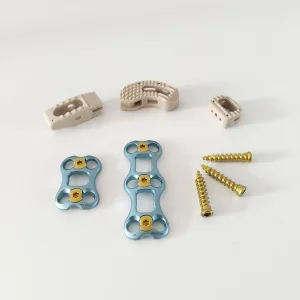
Kazakhstan's healthcare sector is undergoing a profound structural evolution. Driven by national development initiatives such as the "Densaulyq" healthcare modernization programs and backed by the Compulsory Social Health Insurance (FSMS) system, public and private clinics across major nodes like Almaty, Astana, and Shymkent are rapidly upgrading their neurosurgical and orthopedic capabilities. Degenerative spine conditions, high-energy trauma from mining and heavy industries, and congenital spinal deformities present a substantial clinical burden. Consequently, there is an escalating demand for class-III orthopedic implants, specifically pedicle screw systems, cervical plates, and minimally invasive (MIS) retractor sets.
Historically, Kazakhstan has relied heavily on medical equipment imported from Western Europe and North America. However, high procurement costs and lengthy supply chain bottlenecks have prompted the Ministry of Healthcare of the Republic of Kazakhstan and leading scientific centers—such as the National Scientific Center of Traumatology and Orthopedics named after Batpenov ND—to seek reliable direct-to-manufacturer partnerships. By cooperating directly with advanced manufacturing centers, Kazakh distributors and hospital administrators can procure ISO 13485-certified implants that match Western regulatory standards at highly competitive prices, ensuring fiscal sustainability without compromising patient outcomes.
The global spinal implant industry is shifting toward materials and designs that optimize biocompatibility, reduce mechanical failure, and promote rapid osseointegration. Today, Medical Grade 5 Titanium (Ti-6Al-4V ELI) and Polyetheretherketone (PEEK) dominate the implant matrix. Titanium alloys offer exceptional strength-to-weight ratios and dynamic fatigue resistance, crucial for posterior pedicle stabilization systems exposed to continuous physiological loads. PEEK, on the other hand, mimics the elastic modulus of human cortical bone, reducing the risks of stress shielding and adjacent segment degeneration.
Simultaneously, instrument manufacturing has advanced toward high-precision manual and powered systems. Specialized coatings, such as Diamond-Like Carbon (DLC) and advanced passivation, are applied to orthopedic stainless steel. This improves wear resistance, limits glare under bright operating room microscopes, and preserves the structural integrity of manual retractors and reamers over hundreds of autoclave sterilization cycles. For factories supplying international markets, including Kazakhstan, maintaining these precise metallurgical and surface-treatment standards is vital to securing import approval through the National Center for Expertise of Medicines and Medical Devices (NDDA).
Response Rate
Average Response Time
Skilled Workforce
Certified Management
Operating under the renowned Bopull Medical brand, Shenzhen HUL Healthcare Technology Co., Ltd. stands as a premier developer and factory of orthopedic spine implants and surgical instruments. Our manufacturing facilities are operated strictly in accordance with international medical device regulations, certified under the GB/T42061-2022 idt ISO13485:2016 quality management system.
With a state-of-the-art production floor, Bopull Medical integrates multi-axis CNC Swiss machining, precision surface treatment, and cleanroom packaging. We maintain a high customer reorder rate of 34%, driven by our uncompromising pursuit of metallurgical quality, rigorous tensile/fatigue testing, and comprehensive clinical-readiness verification. From anterior cervical plate systems to minimally invasive manual spine tubular retractors, we provide comprehensive OEM/ODM and direct-supply structures tailored for international markets, including the Commonwealth of Independent States (CIS) and Kazakhstan.
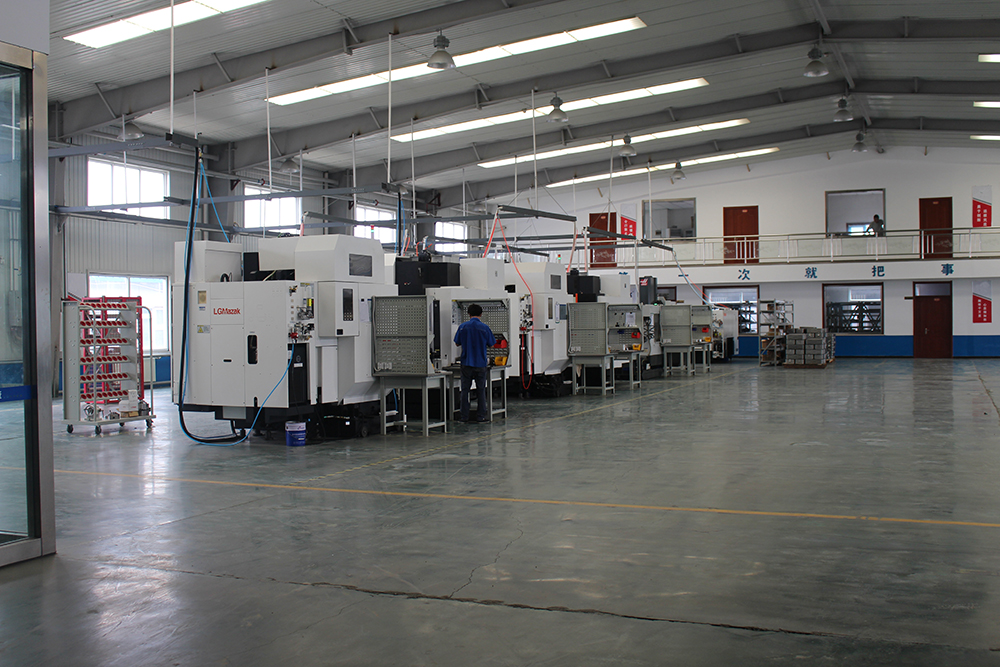
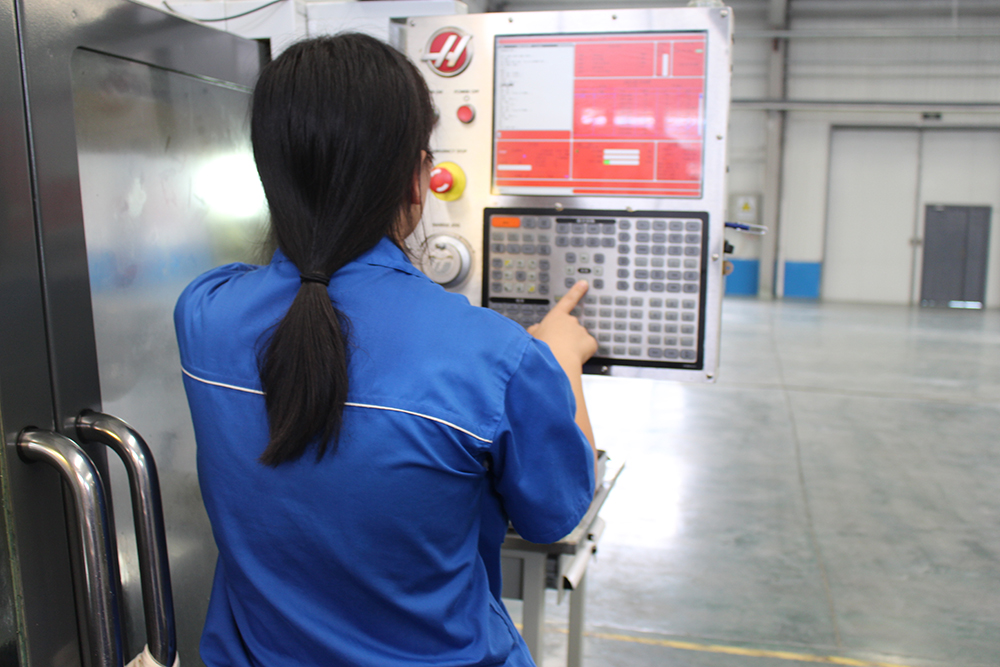
At Bopull Medical, we understand that spinal implants and instruments are high-risk, class-III medical devices. Our QC process begins at the raw material stage, sourcing titanium and stainless steel only from certified biomedical suppliers with full chemical composition and trace element analysis.
Every production batch undergoes coordinate measuring machine (CMM) dimensional verification, roughness testing (Ra < 0.4 μm for contact surfaces), and passivation validation. This ensures that surgical instruments exported to Kazakhstan are fully resistant to standard hospital steam autoclaving protocols and chemical sterilization processes. Our regulatory department provides complete documentation packages—including ISO certifications, material test reports, and compliance files—to streamline product registration processes with the Ministry of Healthcare of Kazakhstan.
Aligning global manufacturing capabilities with the specific requirements of spinal surgery departments in Kazakhstan.
Deploying advanced spine tubular retractors (OLIF/MIS) to reduce intraoperative blood loss and postoperative recovery times in regional clinics across Karaganda and Almaty.
Utilizing high-purity medical stainless steel and titanium alloys to minimize adverse tissue reactions and optimize long-term fusion rates for stabilization surgeries.
Providing customized, modular instrument sets designed to fit standard sterilization containers commonly used in Central Asian public hospital systems.
Supplying comprehensive technical data sheets and clinical history documentation to expedite NDDA registration and customs clearance in Kazakhstan.
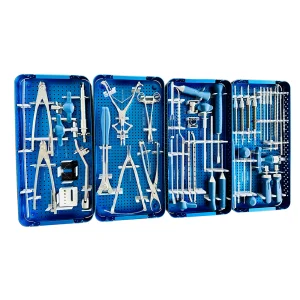
The clinical challenges in Kazakhstan vary by region. In metropolitan areas like Astana, there is a strong focus on advanced, high-value neurosurgical procedures. Hospitals here require advanced instrumentation, such as the Manual Anterior Cervical Plate Instrument Set and MIS OLIF Spine Retractor Systems, to perform complex, multi-level spinal fusions and cervical stabilization.
Conversely, in resource-constrained regions or municipal industrial zones where trauma from mining or agricultural operations is more prevalent, orthopedic units require high-durability, standardized stabilization kits. The Posterior Thoracolumbar Fixation System and Pedicle Screw Instrument Sets must be highly durable, user-friendly, and capable of handling complex thoracic and lumbar fractures under emergency surgery conditions. Bopull Medical addresses this dual market structure by offering customizable product configurations that cater to both advanced academic medical centers and regional emergency response hospitals.
Factory-direct surgical solutions built with medical-grade titanium and high-tensile stainless steel.
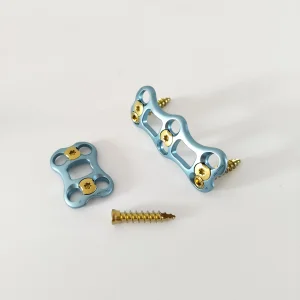
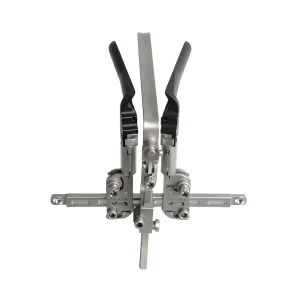
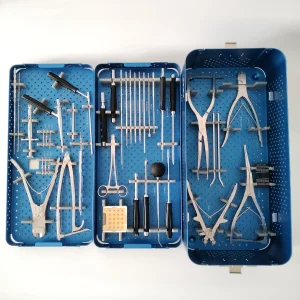
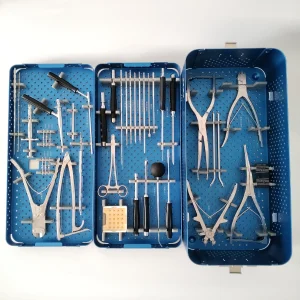
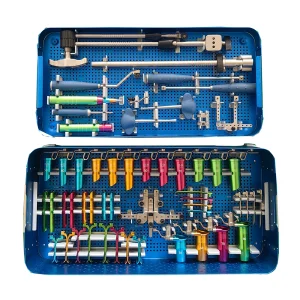
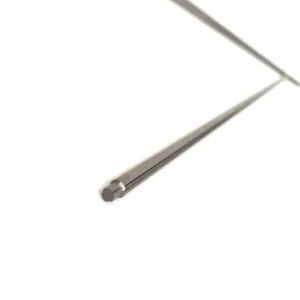
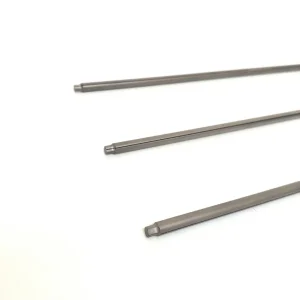
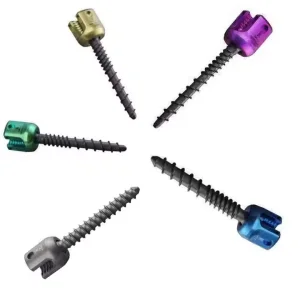
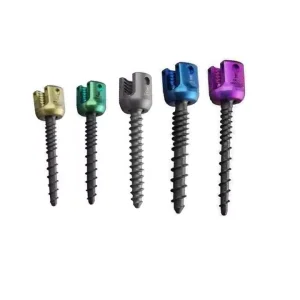
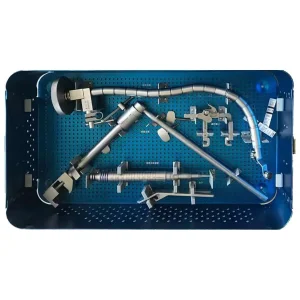
The trajectory of spinal surgical engineering is marked by two primary movements: digitization and optimization of interface biology. Modern clinical standards in Central Asia are shifting rapidly from open surgeries to Minimally Invasive Spine Surgery (MISS). Our manufacturing team addresses this change through advanced design loops:
1. Surface Morphology & Osseointegration: While traditional smooth titanium screws provide excellent mechanical stability, micro-textured or plasma-sprayed titanium surfaces encourage bone cells to migrate directly onto the screw threads, establishing stable biological fixation. Our research and development focuses on optimizing surface roughness parameters to ensure high pull-out strength in osteoporotic bone.
2. Micro-Invasive Instrumentation: Minimally invasive manual spine tubular retractors, such as the MIS OLIF systems, are engineered to allow maximum visual exposure with minimal muscle dissection. The components are designed with ultra-low profiles and manufactured from anti-glare surgical stainless steel, ensuring compatibility with intraoperative fluoroscopy and medical microscope systems.
3. Mechanical Fatigue Testing under ASTM F1717: Every implant assembly—including posterior pedicle screws, connectors, and rods—is subject to extreme physical testing simulating millions of load cycles. These protocols test dynamic bending, compressive load resistance, and torsion tolerance to prevent structural failure in patients, providing our clients in Kazakhstan with absolute reliability.
Addressing the critical supply-chain and engineering questions of medical device buyers in Kazakhstan.
Optimize your procurement costs, secure reliable regulatory documentation, and ensure exceptional surgical results in Kazakhstan. Speak with our orthopedic engineering team today.
Send Inquiry Now HUL Healthcare Limited