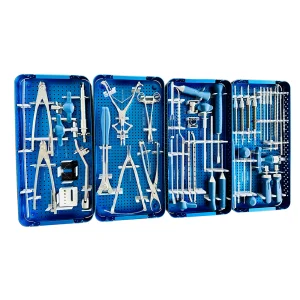
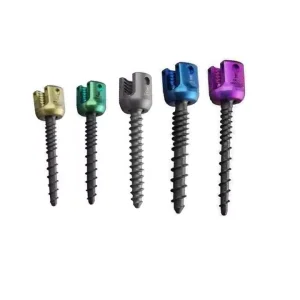
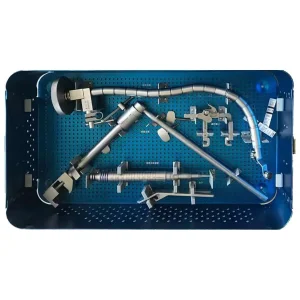
Direct supply line of precision-engineered spinal systems, retractors, and instrument configurations to meet strict clinical safety protocols.
The San Francisco Bay Area stands as a global epicentre for biomedical research, home to leading medical networks including UCSF Medical Center, Stanford Medicine, Kaiser Permanente Northern California, and California Pacific Medical Center (CPMC). The clinical expectation for implant safety, traceability, and material biocompatibility in Northern California is exceptionally rigorous.
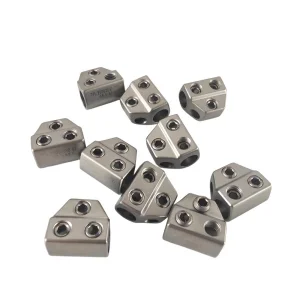
Local neurosurgery clinics and research institutes are actively shifting towards Minimally Invasive Spine (MIS) surgeries and robot-assisted stabilization procedures. This structural shift requires specialized medical-grade hardware, such as ultra-low profile anterior cervical plate systems, high-stability spinal parallel domino connectors, and customizable posterior internal fixation reamers.
To support this elite healthcare environment, Bopull Medical bridges the gap between state-of-the-art orthopedic engineering and rapid delivery, ensuring healthcare facilities in the Bay Area have access to reliable instruments that match strict clinical workflows.
Clinics operating under the Northern California health authorities prioritize implants and instruments manufactured under ISO 13485:2016 and GB/T42061-2022 standards. The demand for surgical instruments is shaped by three key parameters:
Customer Response Rate
Rapid Inquiry Response Time
Dedicated Employees & Skilled Techs
Client Reorder & Retainment Rate
Understanding the engineering standards, material choices, and quality controls behind our orthopedic catalog.
Modern spinal instrumentation hinges heavily on material performance. Grade 5 Titanium (Ti-6Al-4V Extra Low Interstitial) offers an ideal modulus of elasticity that is closer to human bone than traditional stainless steel. This property helps mitigate the stress-shielding effect, which can lead to bone resorption around the implant. In our Orthopedic Titanium Implant Straight Rod for Spinal Surgical Medical Pedicle Screw, we leverage advanced alloy treatment to ensure the perfect equilibrium of ductility and ultimate tensile strength, maximizing resistance to fatigue in long-segment posterior stabilization constructs.
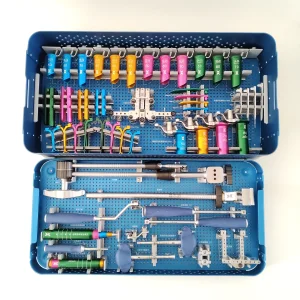
Minimally invasive approaches like OLIF (Oblique Lateral Interbody Fusion) and MIS TLIF demand specialized access systems. Standard retractor designs often induce muscular ischemic necrosis if left expanded for prolonged periods. The Minimal Invasive Stainless Steel Spine Instruments Set Manual Spine Tubular Retractor is designed with highly customizable expansion leaves, integrated cold light illumination pathways, and mechanical articulation arms that allow optimal visualization through the smallest incision footprint, minimizing tissue strain and improving postoperative recovery speeds for SF patients.
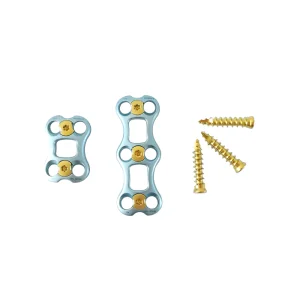
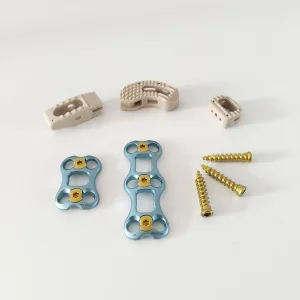
Cervical arthrodesis demands implants that present a ultra-low profile to avoid postoperative dysphagia, while providing robust stabilization against multi-directional biomechanical forces. Our Anterior Cervical Plate System is engineered with integrated locking locks, preventing screw back-out while allowing dynamic or rigid fixation paths based on the patient's bone quality and structural load requirements.
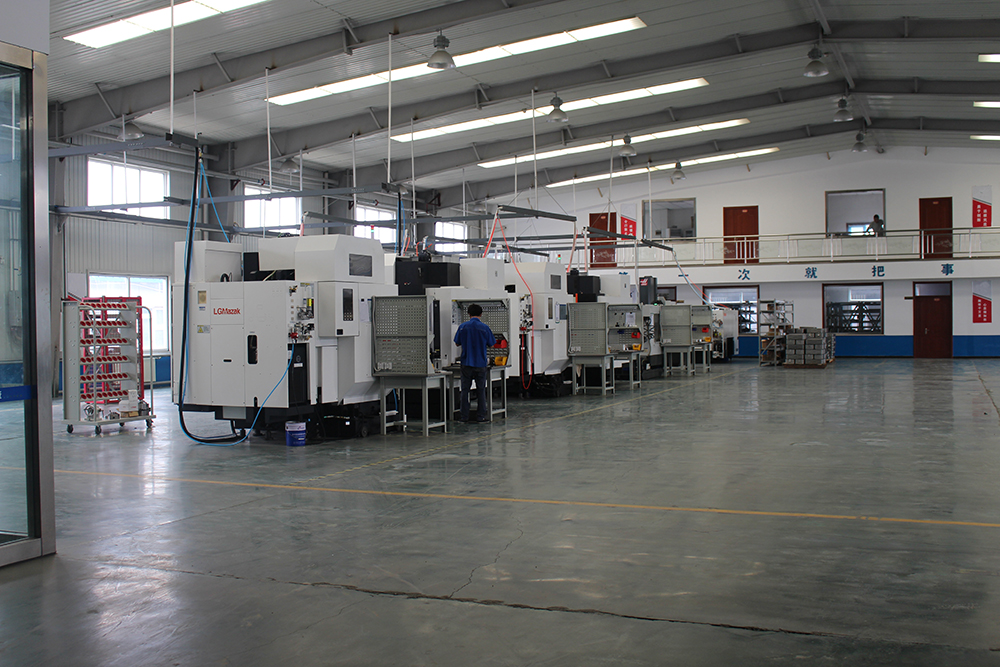
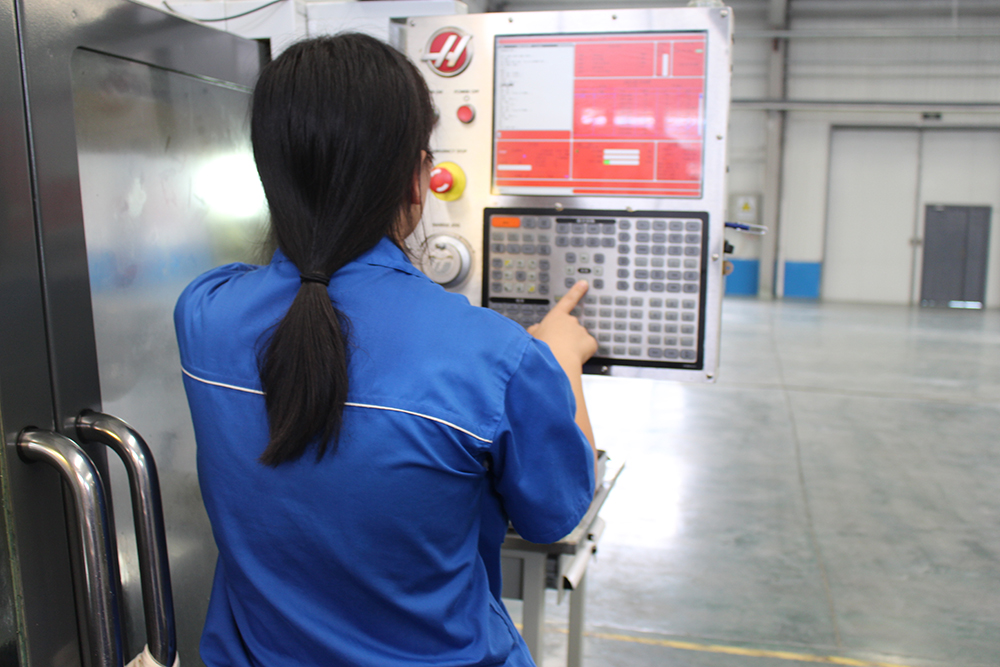
Operating under the medical industrial framework, Shenzhen HUL Healthcare Technology Co., Ltd. (Bopull Medical) runs a dedicated production unit conforming to GB/T42061-2022 idt ISO13485:2016 quality management system standards. Our company maintains a workforce of 301 - 500 medical manufacturing professionals, utilizing Swiss-type multi-axis CNC machines, cleanroom assembly zones, and automated optical scanning QA equipment.
By controlling the entire process from material procurement to surface anodization and final ultrasonic cleaning, we guarantee batch consistency and reliability. This high-efficiency manufacturing core is why we are trusted to supply hospitals and medical distributors globally, including those in high-demand zones like San Francisco.
With an annual revenue of US$1 Million - US$2.5 Million and a 34% customer reorder rate, our production lines are optimized for both high-volume OEM manufacturing and specialized ODM custom runs.
Discover how Bopull Medical is adapting manufacturing pathways for next-generation clinical environments.
Transitioning from solid implants to titanium scaffolds that mimic trabecular bone geometry. This facilitates rapid osseointegration and minimizes the recovery timeline by promoting early mechanical stability through bone ingrowth.
Applying advanced surface treatments, such as silver-doped hydroxyapatite (HA) or titanium dioxide (TiO2) photocatalytic structures, designed to actively resist microbial colonization and reduce surgical site infections.
Redesigning instrumentation handles, markers, and guides to pair seamlessly with robotic surgical guidance arrays (such as Mazor X, Globus ExcelsiusGPS, or Brainlab), allowing micrometric tracking during pedicle preparation and screw deployment.
Browse our complete list of orthopedic instruments and implants engineered to global regulatory specifications.
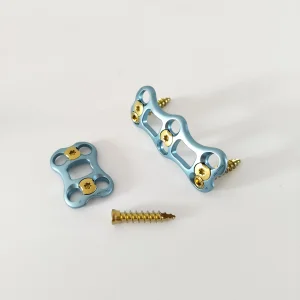 High Quality Anterior Cervical Plate Surgical Instrument for Spine Surgery
Request SF Logistics Quote
High Quality Anterior Cervical Plate Surgical Instrument for Spine Surgery
Request SF Logistics Quote
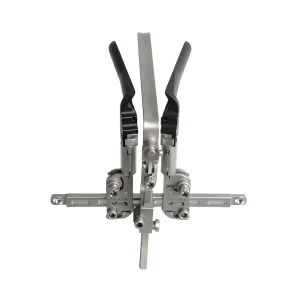 Spine Instruments Minimal Invasive Manual Spine Tubular Retractor OLIF Spine Retractor
Request SF Logistics Quote
Spine Instruments Minimal Invasive Manual Spine Tubular Retractor OLIF Spine Retractor
Request SF Logistics Quote
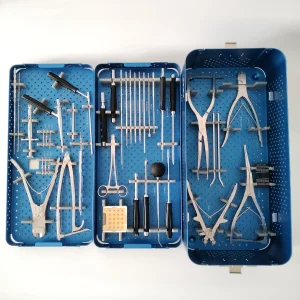 Orthopedic Instrument Set Posterior Cervical Fixation Instrument Set Cervical Pedicle Screw/Rod System Instruments
Request SF Logistics Quote
Orthopedic Instrument Set Posterior Cervical Fixation Instrument Set Cervical Pedicle Screw/Rod System Instruments
Request SF Logistics Quote
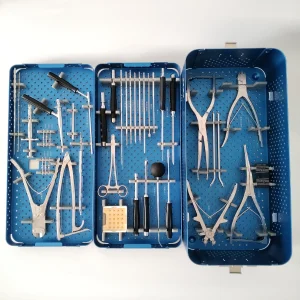 High Quality Stainless Steel Manual Spine Instruments Set Cervical Posterior Screw Rod System
Request SF Logistics Quote
High Quality Stainless Steel Manual Spine Instruments Set Cervical Posterior Screw Rod System
Request SF Logistics Quote
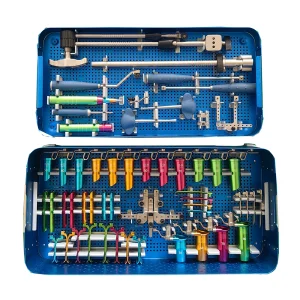 Minimal Invasive Stainless Steel Spine Instruments Set Manual Spine Tubular Retractor for MIS OLIF Spine Retractor
Request SF Logistics Quote
Minimal Invasive Stainless Steel Spine Instruments Set Manual Spine Tubular Retractor for MIS OLIF Spine Retractor
Request SF Logistics Quote
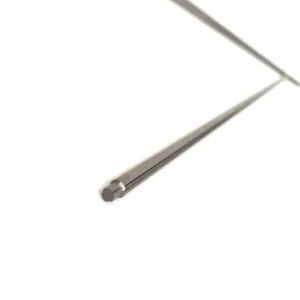 Orthopedic Posterior Internal Fixation Flexible Reamer Straight Rod Spinal Surgical Medical Stainless Steel Bopull;BP CE ISO
Request SF Logistics Quote
Orthopedic Posterior Internal Fixation Flexible Reamer Straight Rod Spinal Surgical Medical Stainless Steel Bopull;BP CE ISO
Request SF Logistics Quote
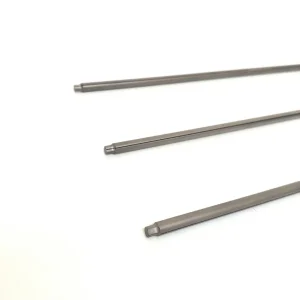 Orthopedic Posterior Internal Fixation Orthopedic Titanium Implant Straight Rod for Spinal Surgical Medical Pedicle Screw
Request SF Logistics Quote
Orthopedic Posterior Internal Fixation Orthopedic Titanium Implant Straight Rod for Spinal Surgical Medical Pedicle Screw
Request SF Logistics Quote
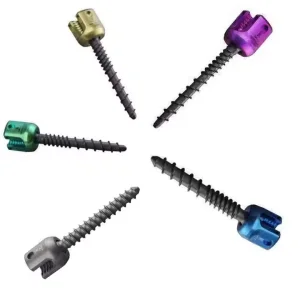 High Quality Posterior Thoracolumbar Fixation System Spine Pedicle Screw Instruments Set Pedicle Screw
Request SF Logistics Quote
High Quality Posterior Thoracolumbar Fixation System Spine Pedicle Screw Instruments Set Pedicle Screw
Request SF Logistics Quote
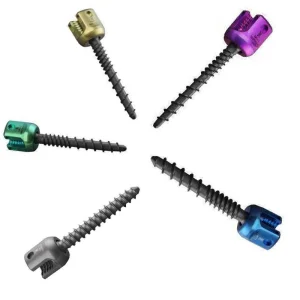 High Quality Posterior Thoracolumbar Fixation System Stainless Steel Spine Pedicle Screw Instruments Set
Request SF Logistics Quote
High Quality Posterior Thoracolumbar Fixation System Stainless Steel Spine Pedicle Screw Instruments Set
Request SF Logistics Quote
Crucial points of verification regarding logistics, certifications, customization, and lead times.
Established as a premier manufacturing and trading configuration, Bopull Medical operates under strict international medical standards. We purchase high-end machining equipment to back a young, innovative, and highly professional engineering team. Our focus on product quality and clinical efficiency has earned wide recognition in the global medical supply space.
Whether you require standard pedicle screw fixation systems or customized cervical plates, our logistics pathway guarantees secure, compliant, and cost-effective distribution directly to your facilities in San Francisco.
| Quality Assurance: | ISO 13485:2016 / GB/T42061-2022 |
| Staffing capacity: | 301 - 500 Skilled Professionals |
| Response Time & Rate: | ≤3h Response | 95.36% Rate |
| Annual Volume: | US$1 Million - US$2.5 Million |
| Client Retention: | 34% Reorder Rate |
| Facility Base: | Shenzhen / Beijing, China |
 HUL Healthcare Limited