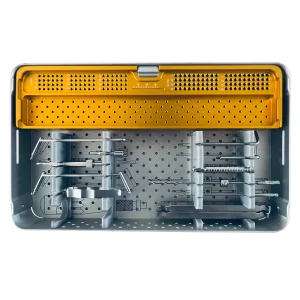
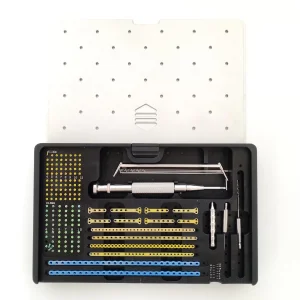
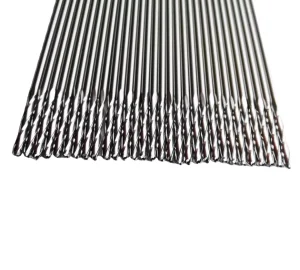
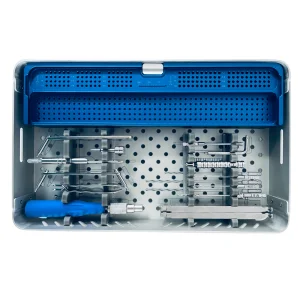
Advanced diagnostic and surgical instruments designed for Sydney’s clinics and specialty medical centers.
The Sydney metropolitan healthcare network—stretching from the intensive research corridors of the Royal Prince Alfred Hospital and Westmead Hospital to the bustling private clinics of North Sydney and Randwick—demands an uncompromising tier of surgical instrumentation. As New South Wales (NSW) continues to expand its clinical infrastructure, biomedical procurement officers, orthopedic surgeons, and veterinary clinic directors face critical challenges: stabilizing volatile supply lines, reducing excessive domestic distributor margins, and assuring unwavering compliance with Therapeutic Goods Administration (TGA) standards.
Traditional procurement models in Sydney have long relied on localized distributors who charge substantial premiums to offset domestic warehousing and sales overheads. However, today’s surgical teams operate in high-turnover environments where custom procedural kits, minimal invasive tools, and micro-precision orthopedic sets must be replenished rapidly. Direct-from-factory sourcing models present an essential alternative, bridging the gap between high-precision manufacturing hubs in China and the clinical tables of NSW. By establishing direct pathways, Sydney providers can bypass the markup of secondary distributors, secure tailor-made design configurations (OEM/ODM), and maintain a predictable reserve of high-demand implements.
Direct sourcing only succeeds when paired with robust local accountability. Factories supplying Sydney must offer remote diagnostic collaboration, rapid component dispatch, and clear documentation. Whether upgrading a spinal instrument array for a hospital in Campbelltown or replacing titanium plate assemblies in a veterinary trauma clinic in Parramatta, reliable suppliers ensure that design specifications match the requirements of localized surgical protocols.
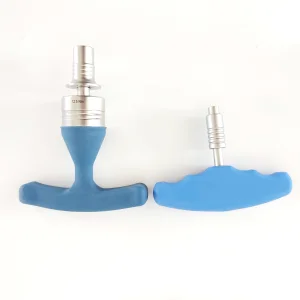
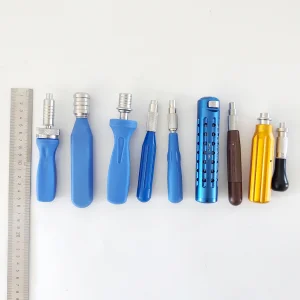
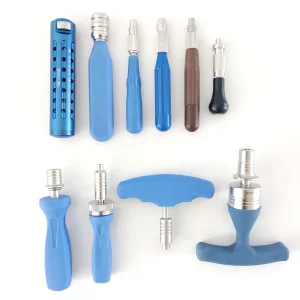
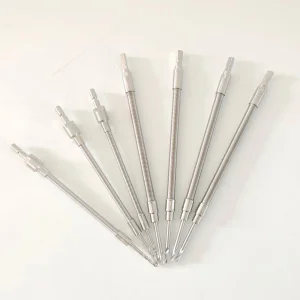
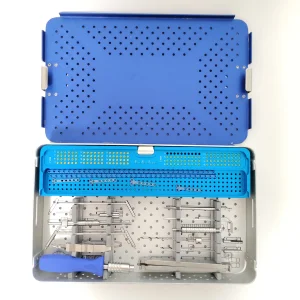
Premium torque-calibrated drivers, reamers, and spinal surgical accessories for medical environments in Sydney.
A surgical instrument is only as reliable as the metallurgy behind it. At our facilities, we deploy medical-grade raw materials sourced from audited mills, focusing primarily on 316LVM (low-carbon vacuum-melted) stainless steel, surgical cobalt-chromium, and Grade 5 Titanium (Ti-6Al-4V ELI). These materials are chosen specifically for their corrosion resistance, fatigue life, and compatibility with biological tissues under mechanical loads.
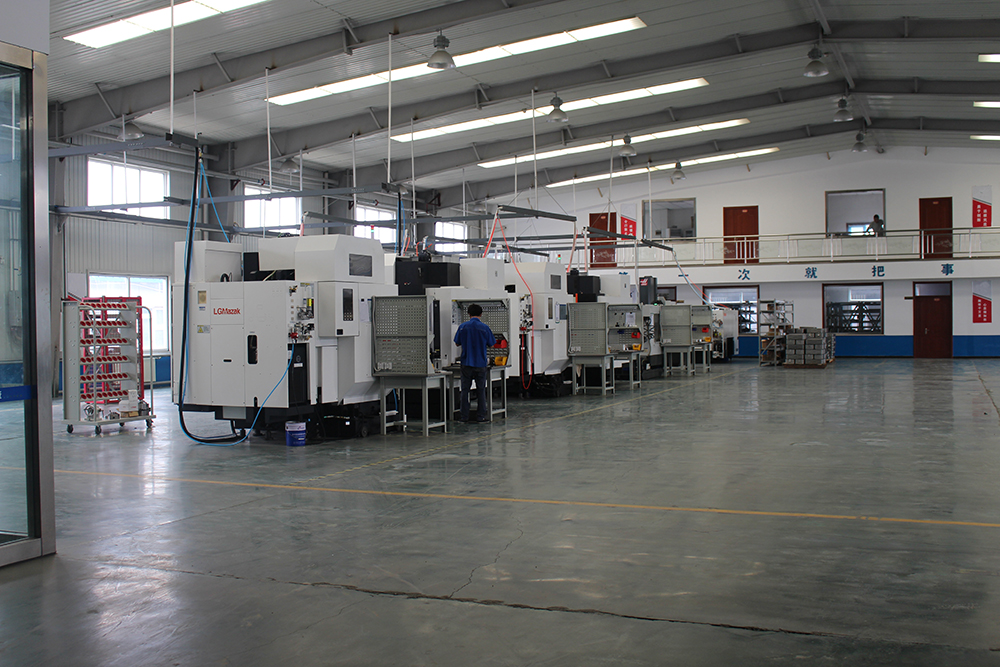
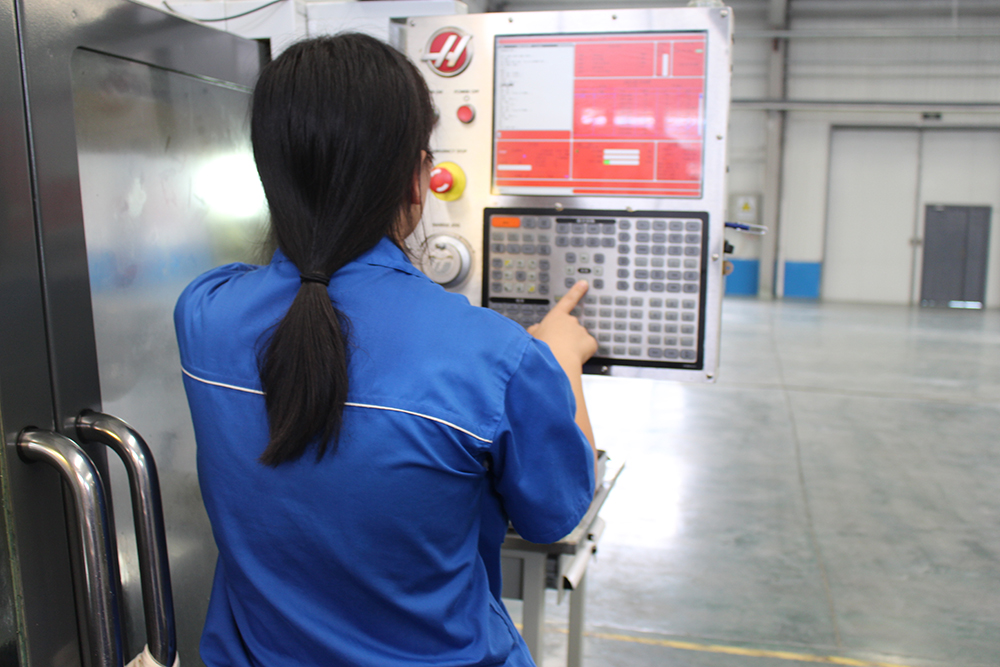
Our manufacturing processes incorporate automated chemical passivation lines operating under ASTM A967 parameters, removing free irons from instrument surfaces to prevent pitting and staining over long-term clinical use. In addition, we utilize advanced CNC swiss-lathes and multi-axis milling machines to guarantee tolerances within 5 microns, ensuring that moving parts—such as tubular retractors and torque-limiting screwdrivers—function smoothly in high-pressure orthopedic situations.
Procuring hospitals in Sydney require documentation to navigate internal QA procedures and Australian TGA pathways. By maintaining comprehensive technical files, our factory provides a solid foundation for import compliance:
Surgical Equipment Professionals
Rapid Customer Response Rate
Annual Buyer Reorder Rate
Certified Quality System
The transition toward outpatient surgical clinics and minimal invasive therapies in Sydney requires highly specialized handpieces and implants. For example, minimally invasive spine surgeries (MISS) rely on tubular retractors and torque-controlled instruments to reduce structural damage and accelerate recovery times. This shift demands that tools offer balanced weight ratios, non-slip ergonomic grips, and modular cleaning channels that prevent bio-burden accumulation.
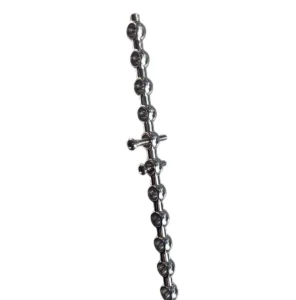
Parallel to human clinical advancements, Australia's veterinary infrastructure—led by university hospitals and tertiary pet emergency centers—is experiencing a demand surge for advanced fracture fixation systems. Traditional wire techniques are giving way to locking plate technologies, Pearl plates, and SOP (String of Pearls) solutions. Utilizing biocompatible titanium implants in canine and large animal surgeries reduces infection rates and implant failure, elevating the standard of care for companion and performance animals across New South Wales.
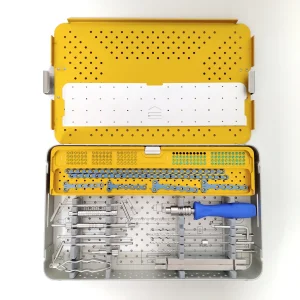
Comprehensive locking systems, orthopedic plates, and specialized kits engineered to withstand rigorous surgical demands.
Learn more about Shenzhen HUL Healthcare Technology Co., Ltd. (Bopull Medical) and our commitment to orthopedic excellence.
Corporate Description: Bopull Medical operates in strict accordance with international medical regulations and manufacturing standards. Having attained international certification for the GB/T42061-2022 idt ISO13485:2016 quality management framework, we focus on engineering reliable components and resolving complex design challenges for global clinical partners. By investing in modern fabrication machinery and maintaining a highly trained engineering team, we deliver durable surgical instruments that support complex orthopedic, trauma, and veterinary procedures.
Everything you need to know about regulatory compliance, shipping logistics to Sydney, and ordering direct from our manufacturing facility.
Our products are manufactured under an ISO 13485:2016 certified quality management system, aligning with international regulatory guidelines. For Class I and Class IIa medical devices entering Sydney and the wider Australian market, we provide comprehensive technical documentation, raw material mill certificates, and biocompatibility verification (ISO 10993) to assist your local Australian sponsor in securing TGA inclusions.
For standard orthopedic, spinal, or veterinary instrument sets, air freight transit to Sydney (SYD / Kingsford Smith Airport) typically takes 5 to 7 business days once dispatch clearance is finalized. Bulk cargo or larger OEM system orders can be shipped via ocean freight to Port Botany (Sydney), with a typical transit window of 18 to 25 days depending on maritime line schedules.
Yes. Our internal engineering department collaborates with orthopedic and trauma surgeons to design custom instrument interfaces, modified retractors, and application-specific tools. We accept structural CAD drawings or physical reference prototypes, developing detailed fabrication blueprints and pre-production samples for verification before running full-scale manufacturing lots.
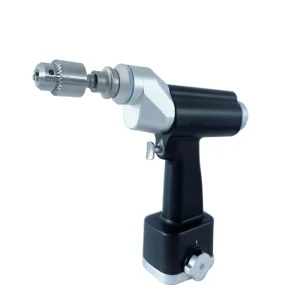
Our medical drills and powered handpieces (such as the BP Electric Steel Soft Drill) are backed by a comprehensive 2-year factory warranty. We supply replacement parts, internal gears, and batteries, while also offering remote technical evaluations via our video support channels. We resolve issues within 24-48 hours to minimize down-time in your clinical facility.
All stainless steel and titanium instruments must undergo a standard cleaning cycle to remove biomaterials, followed by manual or ultrasonic rinsing. They are compatible with conventional steam sterilization (autoclaving) protocols, typically performed at 134°C for 3 to 18 minutes depending on local infection control standards. Complete sterilization cycle documentation is included in the user instructions.
Optimize your procurement workflow, lower your overall instrument costs, and maintain direct access to our manufacturing team.
Send Inquiry Now HUL Healthcare Limited