Discover high-performance osteosynthesis systems engineered to match strict Canadian surgical protocols and trauma center standards.
Analyzing the shift toward resilient regional supply chains, medical-grade metallurgy, and strict regulatory compliance in Canada.
The landscape of orthopedic trauma device manufacturing has undergone a profound transformation. In Canada, provinces like Ontario, Quebec, and British Columbia have established robust medical technology hubs. These regional clusters specialize in translating clinical insights into physical instruments. However, building domestic "trauma factories" requires navigating substantial challenges: capital-intensive cleanrooms, raw material sourcing constraints, and regulatory pathways governed by Health Canada. By establishing hybrid supply chains that connect high-volume global manufacturers with local Canadian distribution networks, the medical sector maintains high surgical readiness without astronomical infrastructure costs.
A primary catalyst for this shift is the rising demand for orthopedic trauma hardware in both human reconstructive surgery and veterinary medicine. According to recent healthcare analyses, trauma registries in major cities like Toronto, Montreal, and Vancouver have noted a consistent rise in complex fracture management. This requires osteosynthesis plates and intramedullary nails engineered to precise biomechanical profiles. To meet this need, modern manufacturing units must integrate advanced CAD/CAM processing, high-speed 5-axis CNC milling, and strict chemical cleaning steps that satisfy ISO standards.
Canada's reliance on localized warehousing paired with certified global manufacturers ensures zero-day delivery protocols for emergency trauma scenarios, reducing logistical bottlenecks.
Procurement teams now prioritize medical device suppliers with verified ISO 13485:2016 certifications, looking for verified traceability of implantable Grade 5 Titanium alloys.
Implants are undergoing surface modifications, including type II anodization and acid-etching, to enhance osseointegration and reduce post-operative infection rates.
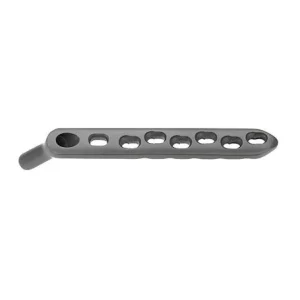
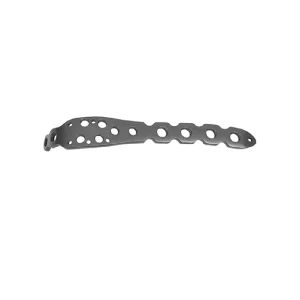
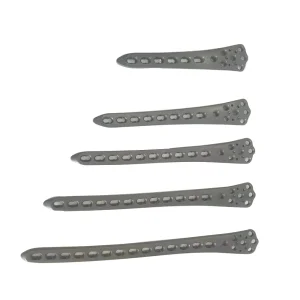
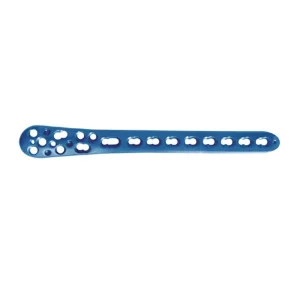
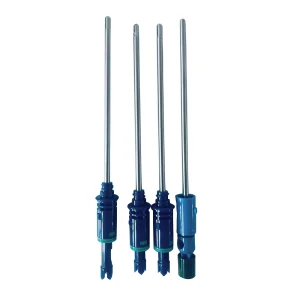
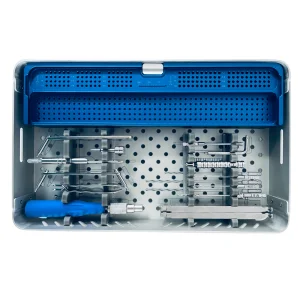
Precision-machined extraction tools and anatomical plate systems built for rapid trauma management.
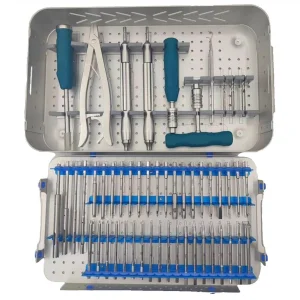
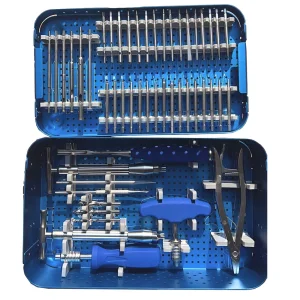
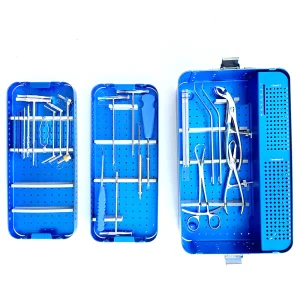
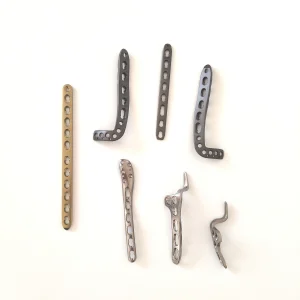
Inside our production partner's facilities, precision engineering is maintained via advanced automation protocols. The manufacturing of titanium implants begins with testing medical-grade Ti-6Al-4V ELI (Extra Low Interstitial) alloys. This material, corresponding to ASTM F136 standards, offers bio-compatibility, corrosion resistance, and fatigue limit ratios suitable for high-stress load-bearing scenarios in internal fixation.
Our manufacturing processes utilize high-speed multi-axis milling machines. These systems shape intricate plate geometries designed to match anatomical profiles. Following mechanical profiling, the parts undergo electrochemical polishing and passivation. These steps eliminate trace residues and establish a passive titanium dioxide layer, which minimizes post-implantation immune reactions. Quality control is managed through integrated coordinate measuring machines (CMM) and optical scanners, confirming dimensional accuracy within single-digit micrometer tolerances.
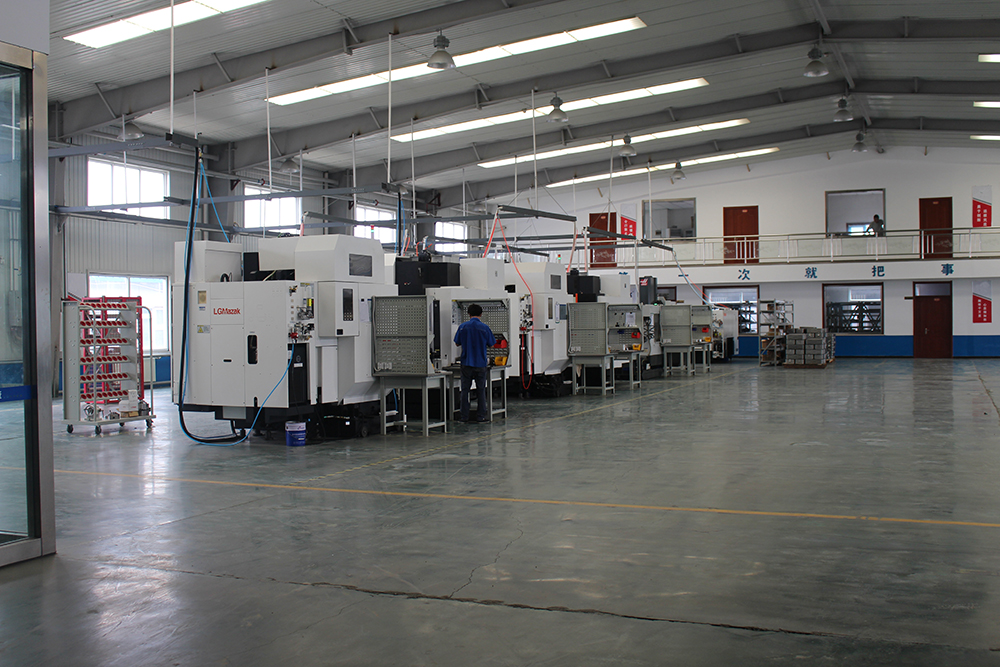
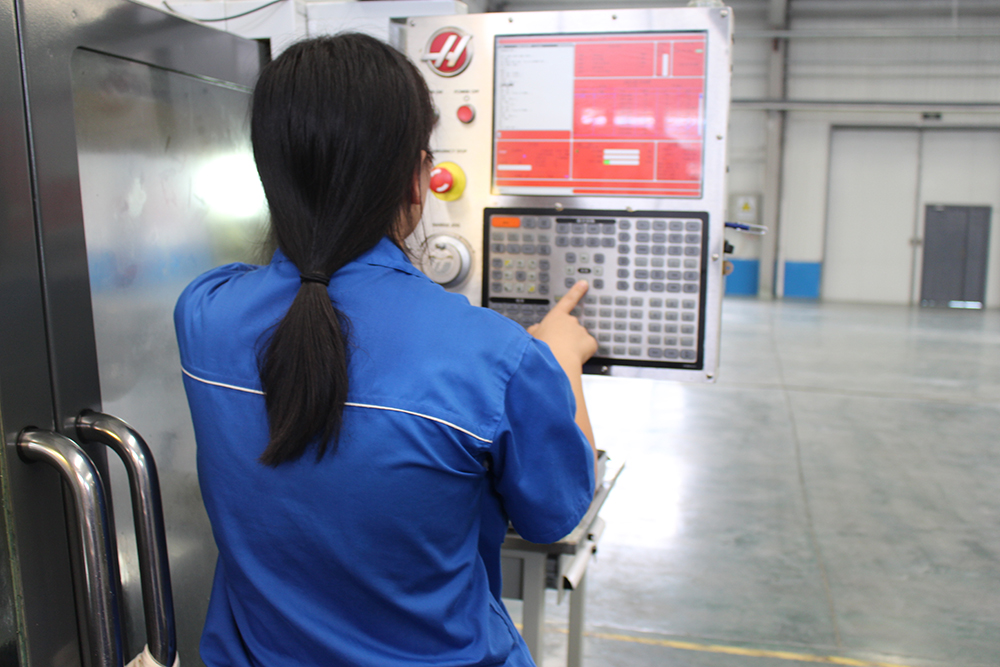
Both orthopedic implants and surgical instruments require high sterility assurance. Our partner plants feature Class 10,000 (ISO Class 7) cleanrooms, where final ultrasonic cleaning, assembly, and packaging occur. Every package is sealed in high-barrier medical packaging to maintain sterility through gamma irradiation or Ethylene Oxide (EtO) sterilization processes.
This infrastructure supports compliance with global standards, including the European CE mark and ISO 13485:2016. For Canadian distribution networks, we provide full material heat traceability and Certificate of Conformance documentation. This ensures quick integration into hospital sterile processing departments (SPD) across provinces.
Operational capacities and technical parameters backing our global trauma hardware distribution.
Corporate Overview: Bopull Medical operates under international medical device standards. With modern CNC machinery and cleanrooms, we offer OEM and ODM capabilities for reconstructive plates, power tools, and specialized suture systems. Our team works with distribution networks across Canada to maintain compliant logistics paths.
Browse our selection of specialized arthroscopic shaver blades, veterinary implants, power tools, and spinal access solutions.
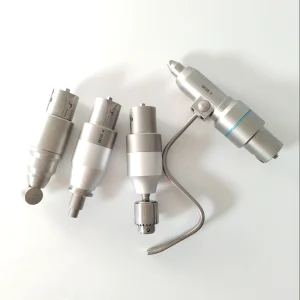
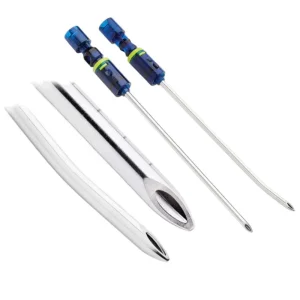
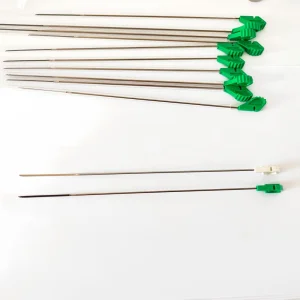
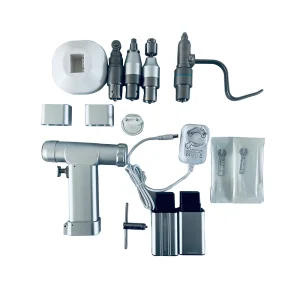
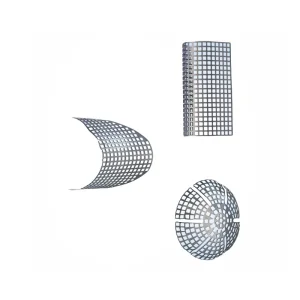
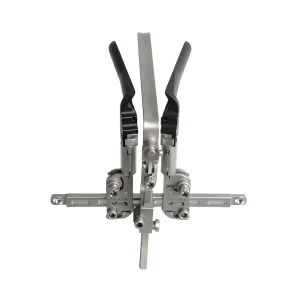
How emerging technologies are shaping the future of orthopedic implants and surgical instruments.
The manufacturing sector for trauma implants is adopting several key technological updates. These advancements focus on design optimization and structural modification to improve biological integration. Traditional solid titanium designs are shifting toward porous metal lattice structures, developed via additive manufacturing (3D printing). By mimicking trabecular bone configurations, these implants promote vascularization and bone ingrowth, reducing long-term implant loosening and stress shielding.
In addition, advanced sensor technologies are starting to be integrated into locking plates. These "smart implants" measure localized strain and micro-motion at the fracture gap, providing clinicians with objective data to monitor healing stages. Meanwhile, surface treatments are evolving beyond passivation; bioactive coatings like hydroxyapatite and drug-eluting polymers are being applied to minimize the risk of bacterial colonization and deep-tissue infections.
Transitioning to porous structures via selective laser melting (SLM) to improve bone ingrowth and reduce structural mismatches.
Applying thin-film silver-doped coatings and growth factors to optimize early tissue integration and lower infection risks.
Developing passive telemetry sensors to provide real-time mechanical feedback from the fracture site during rehabilitation.
Addressing essential regulatory, logistics, and technical procurement inquiries for Canadian and international buyers.
 HUL Healthcare Limited