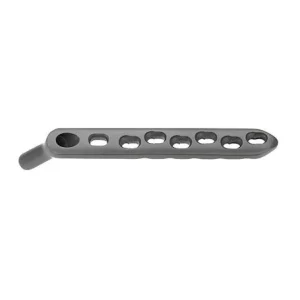
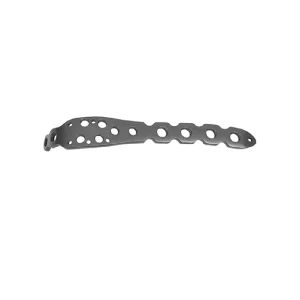
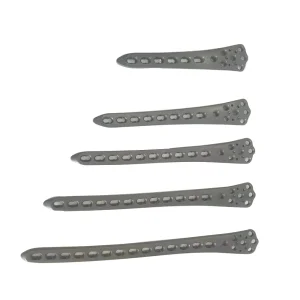
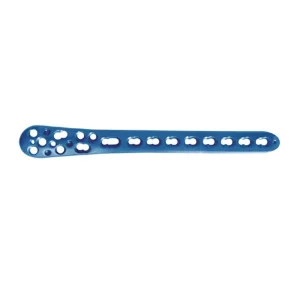
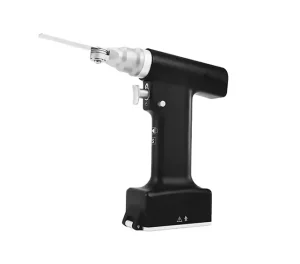
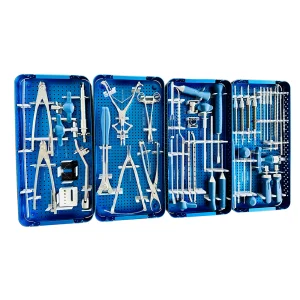
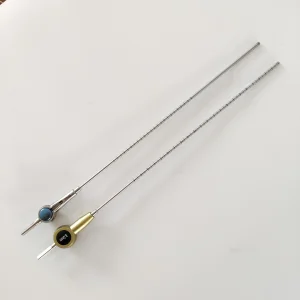
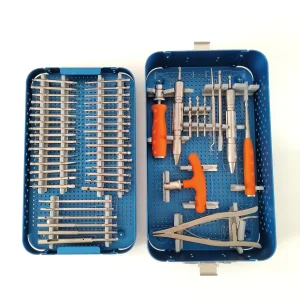
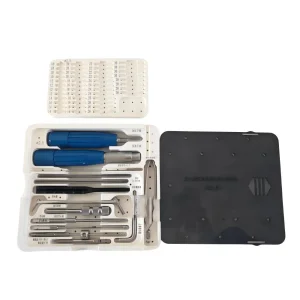
Designed to meet the anatomical fit requirements of East African patient populations, these top-tier implants are verified for complex fracture reductions.
The burden of orthopedic trauma in East Africa, and specifically within Kenya, represents one of the most critical healthcare challenges of the decade. Driven by the rapid expansion of urbanization, infrastructural developments, and the high reliance on motorized two-wheeled transport (commonly referred to as "boda-bodas"), road traffic accidents account for a substantial percentage of emergency admissions in referral hospitals such as the Kenyatta National Hospital (KNH) and Moi Teaching and Referral Hospital (MTRH).
This structural shift has fueled a skyrocketing demand for reliable local supplies of orthopedic trauma implants, dynamic locking plates, and intramedullary nails. However, public healthcare procurement frameworks managed through the Kenya Medical Supplies Authority (KEMSA) as well as private hospital networks like the Aga Khan University Hospital demand strict compliance criteria. Healthcare facilities require CE and ISO-certified implants that combine biomechanical reliability with cost efficiency to match the requirements of the Social Health Insurance Fund (SHIF) pricing matrices.
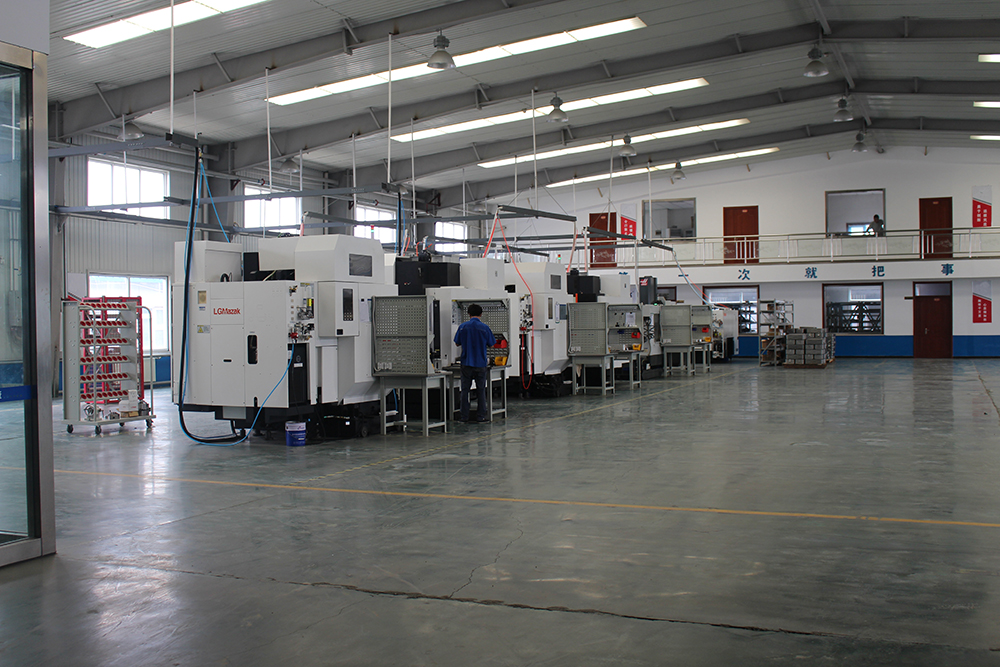
To deliver orthopedic solutions capable of withstanding the dynamic loads of musculoskeletal mobilization, our manufacturing facility utilizes only premium-grade raw materials. The mechanical integrity of our locking compression systems is anchored in the precise application of two primary alloys: Titanium Alloy (Ti-6Al-4V ELI) conformant to ASTM F136 standards and Surgical Stainless Steel (316LVM) conformant to ASTM F138 standards.
All titanium implants undergo Type II Anodization. This electrochemical process enhances thickness and structural uniformity, vastly improving wear resistance and mitigating the release of metal ions into surrounding tissue.
Locking screws are machined on multi-axis CNC Swiss lathe centers. The dual-lead threads are calibrated to ensure a secure locking interface with the plate construct, preventing cold welding and screw back-out.
Final cleaning and packaging are carried out in a certified Class 10,000 cleanroom. Implants are packaged in double-barrier Tyvek pouches, ready for ethylene oxide (EO) or gamma radiation sterilization protocols.
Operating dynamically in the medical manufacturing sector, Bopull Medical has been running in strict accordance with local and international regulatory frameworks. Over the years, our organization has attained the prestigious GB/T42061-2022 idt ISO13485:2016 quality management system international standard certification.
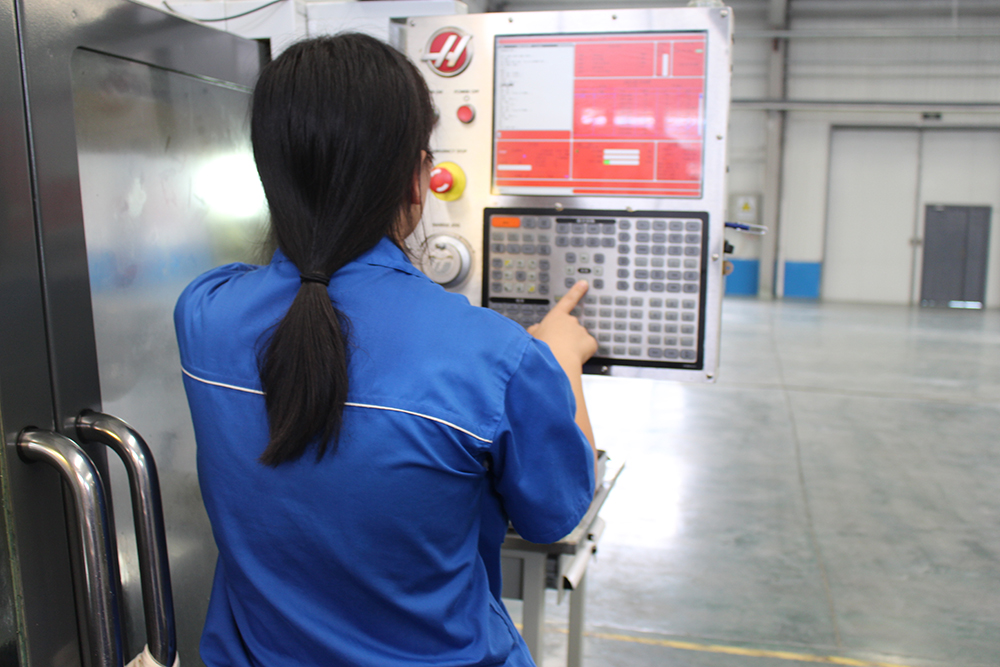
Through the procurement of advanced multi-axis CNC machinery, high-precision inspection tools, and the dedication of our young, enterprising engineering team, we provide trauma solutions that exceed global surgeon expectations. We maintain a responsive network to address urgent custom OEM requests from the East African Community (EAC) market.
Verified Global B2B Profile Data
Procuring medical devices globally requires robust supply chain strategies to avoid stocking deficits in hospital trauma units. For the Kenyan market, HUL Healthcare coordinates streamlined logistics strategies leveraging both Jomo Kenyatta International Airport (JKIA) air freight for urgent clinical needs and ocean shipping via the Port of Mombasa for large-scale tender restocking.
We provide comprehensive documentation support for fast customs clearance. This includes Certificates of Conformity (CoC) matching the Kenya Bureau of Standards (KEBS) guidelines, Packing Lists, Certificates of Analysis (CoA) for raw material verification, and regulatory dossiers required for the Pharmacy and Poisons Board (PPB) importer registry. We work with established local clearing agents to ensure trauma implant containers arrive intact, sterile, and on-schedule.
Engineered to support orthopedic surgeons in trauma management, revision surgeries, and reconstructive procedures across clinical setups in Kenya.
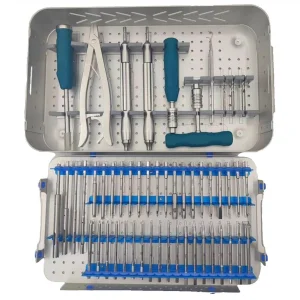
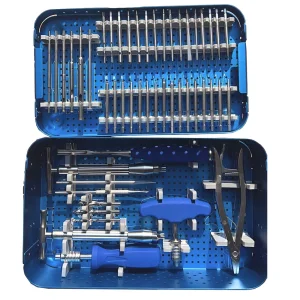
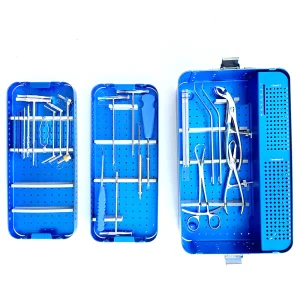
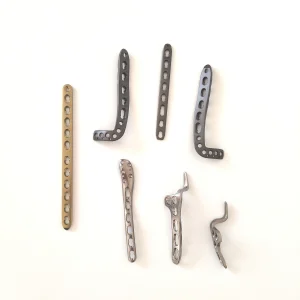
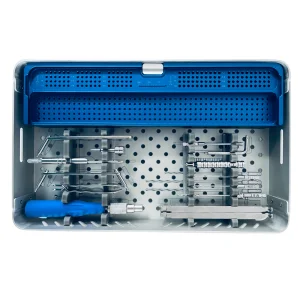
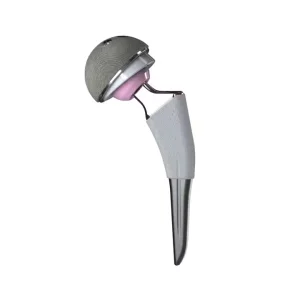
Beyond acute trauma solutions, our manufacturing portfolio includes specialized joint reconstruction components designed to address chronic degenerative diseases and complex skeletal revisions. The incorporation of medical-grade alumina ceramics and high-nitrogen stainless steels provides excellent tribological behavior, minimizing particulate wear in joint cavities.
Answers to clinical, technical, and regulatory procurement queries from Kenyan healthcare providers and distributors.
Yes. As a leading exporter of orthopedic locking plates and screw systems, we supply all necessary documentation to support local distributors during registration with the Pharmacy and Poisons Board (PPB). This includes complete technical dossiers, ISO 13485 quality system certificates, CE declarations of conformity, and detailed raw material mill analysis reports.
We manufacture implants from medical-grade Titanium Alloy (Ti-6Al-4V ELI) conforming to ASTM F136 and surgical Stainless Steel (316LVM) conforming to ASTM F138. These materials ensure high tensile strength, fatigue resistance, and excellent long-term biocompatibility within the human skeletal structure.
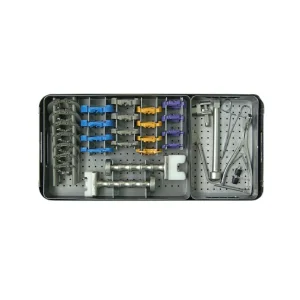
Absolutely. We offer comprehensive OEM/ODM manufacturing. Based on CAD blueprints, CT scans, or physical master models, we can program our multi-axis CNC machines to mill specialized locking plates and custom orthopedic instruments. Prototype turnaround times depend on geometry complexity but typically fall within 2 to 4 weeks.
For routine high-volume orders (e.g., KEMSA tenders), sea shipping via the Port of Mombasa is recommended, with transit times averaging 25-35 days from Shenzhen. Urgent surgical instruments or customized implants are shipped via air cargo to JKIA (Nairobi) in 5 to 7 business days, utilizing express couriers like DHL or FedEx.
Our trauma plates and screws can be provided in both non-sterile and sterile packaging. Sterile packages are sealed within a double-layer Tyvek peel-pouch in our cleanrooms and undergo ethylene oxide (EO) sterilization. Each package features a color-change indicator chemical strip to visually confirm exposure to the sterilizing agent.
 HUL Healthcare Limited