Immediate access to our clinical-grade trauma hardware designed to meet Swiss orthopedic performance metrics.
Switzerland stands at the pinnacle of global medical technology, hosting some of the world's most prestigious research institutions, clinical centers of excellence, and specialized manufacturing clusters. The Swiss trauma market demands an uncompromising standard of patient care, driving consistent growth in the utilization of advanced osteosynthesis implants, locking plate systems, and precision manual surgical instruments. For trauma manufacturers and suppliers, serving Switzerland requires navigating complex regulatory landscapes, maintaining strict alignment with Swissmedic requirements post-EU MDR (Medical Device Regulation) updates, and demonstrating deep domain expertise.
The commercial landscape in Switzerland is characterized by an aging population with high expectations of mobility preservation, alongside a robust sports medicine sector driven by alpine sports activities. This demographic and behavioral matrix generates steady clinical demand for high-performance titanium and cobalt-chrome implants that promote rapid bone healing, minimize postoperative complications, and support minimally invasive surgical (MIS) protocols.
From a global perspective, the trauma implant industry is moving rapidly toward customization, digitization, and sustainable manufacturing. Major global hubs are focused on reducing lead times, optimizing cleanroom operations, and leveraging advanced CNC milling and Swiss-type lathe processing. However, importing trauma products to Switzerland demands adherence to local requirements, where hospitals require comprehensive documentation, sterile packaging compliance, and local representation.
Our operations at Shenzhen HUL Healthcare Technology Co., Ltd. (Bopull Medical) integrate these two paradigms. By utilizing state-of-the-art manufacturing facilities certified under the internationally recognized GB/T42061-2022 / ISO13485:2016 quality management systems, we act as a highly responsive supplier capable of servicing Swiss distributors, surgical centers, and private clinics. With a verified response rate of 95.36% and quick response turnaround times of under 3 hours, we bridge the gap between high-volume, cost-efficient manufacturing and the precision requirements of Swiss distributors.
Highly customized anatomical plate configurations, titanium alloy compositions (such as Ti-6Al-4V ELI conforming to ASTM F136), and robust surgical instrument kits capable of undergoing repeated autoclaving cycles without degradation.
Scalable OEM/ODM production processes, automated quality control loops, rigid bio-compatibility verification, and global supply chain resilience, reducing high procurement costs for Swiss clinics.
Trauma care is inherently time-sensitive. A delay in the availability of a specific locking plate or a missing revision tool in a surgical tray can severely affect patient outcomes. Consequently, modern suppliers do not merely sell implants; they deliver comprehensive clinical workflow solutions.
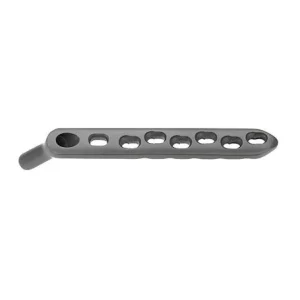
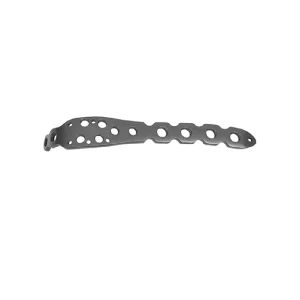
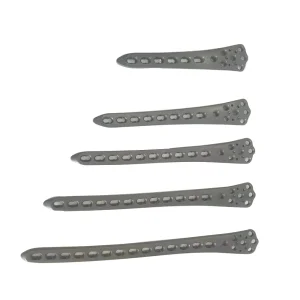
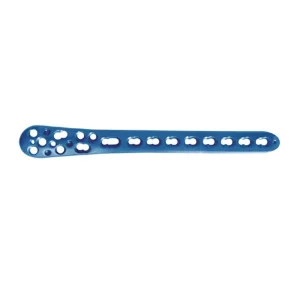
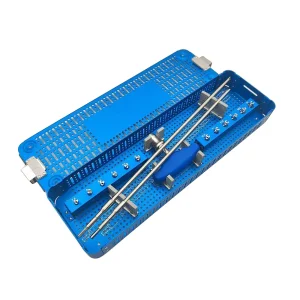
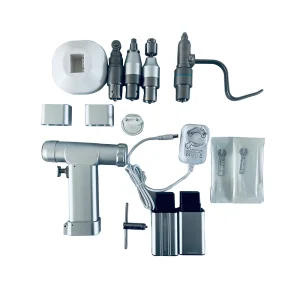
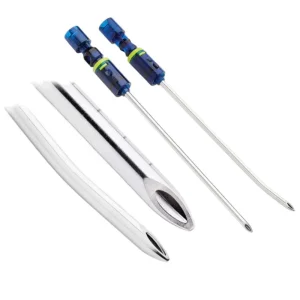
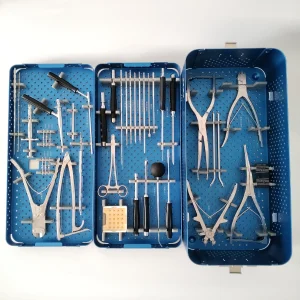
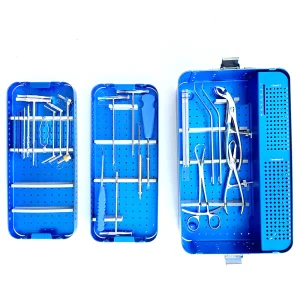
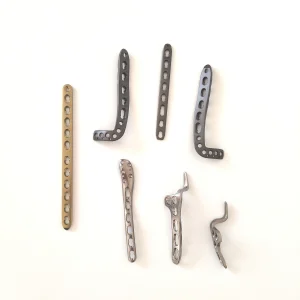
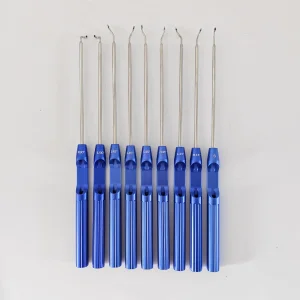
Our anatomical plates, such as the Two-Column Volar Distal Radius Plates and Distal Tibia Plates, are engineered with low-profile designs to prevent soft tissue irritation. Multi-axial locking mechanisms allow surgeons to place locking screws angle-stably within a predefined cone, ensuring optimal purchase even in osteoporotic bone. We ensure that our trauma platforms are accompanied by specialized surgical instrumentation kits, ranging from broken screw removal tools to complete small fragment instrument sets.
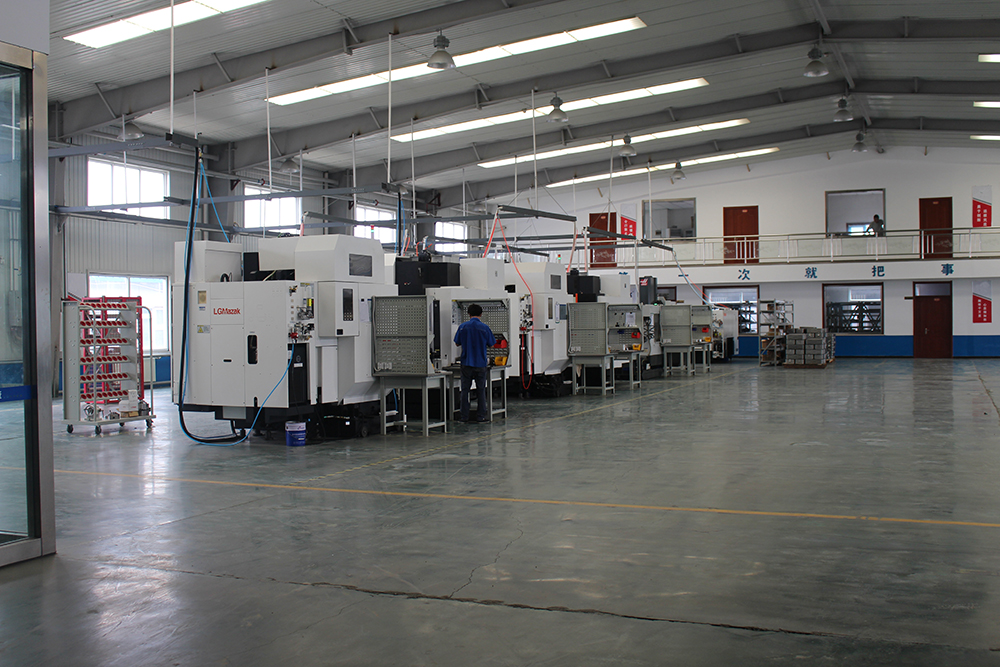
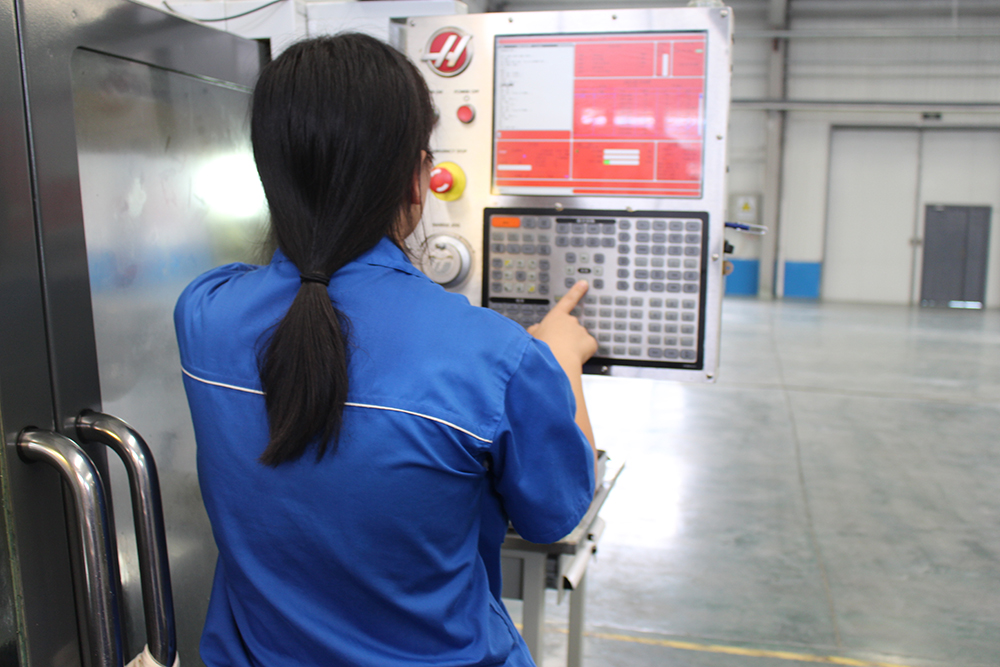
Bopull Medical has established an exceptional reputation in the orthopedic sector through strict adherence to laws, regulations, and international standards. Our manufacturing lines run state-of-the-art machinery capable of processing medical-grade titanium and stainless steel to tolerance levels within microns.
Our young, enterprising, and highly innovative team works continuously to address complex technical challenges, ensuring that every product supplied to Switzerland offers maximum reliability and bio-compatibility.
| Company Name | Shenzhen HUL Healthcare Technology Co., Ltd. (Bopull Medical) |
| Quality System | GB/T42061-2022 / ISO13485:2016 Certified |
| Staffing Size | 301 - 500 Specialists |
| Response SLA | ≤ 3 Hours (Typical ≤ 1 Hour) |
| Annual Export Volume | US$1 Million - US$2.5 Million |
| Client Reorder Rate | 34% (Demonstrated Trust & Reliability) |
The field of osteosynthesis is undergoing a massive transformation, shifting from passive load-bearing structural support to biologically active systems. Our R&D division focuses on aligning our product capabilities with these global developments, positioning us as a leading technical partner for Swiss medical distributors:
Exploring advanced anodic oxidation, acid etching, and bioactive coatings (such as hydroxyapatite and silicon-substituted calcium phosphates) to accelerate osseointegration and reduce the risk of implant-associated infections.
Investigating the potential of biodegradable magnesium alloys for pediatric and low-load trauma scenarios, eliminating the need for subsequent surgical interventions to remove hardware.
Pioneering specialized laser powder bed fusion (L-PBF) techniques to construct complex porous lattice structures, mimicking trabecular bone configurations for customized clinical applications.
Whether you require OEM orthopedic locking plate customization or need high-precision broken screw removal systems, our technical specialists are ready to assist you. Get a quote within 3 hours.
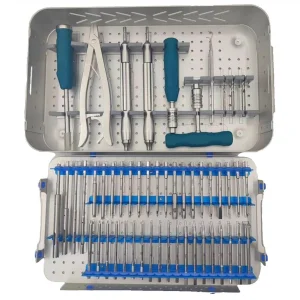
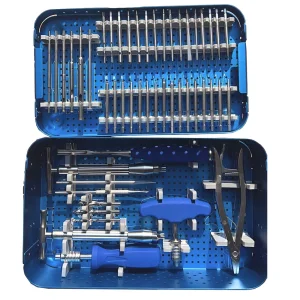
Send Inquiry NowExplore our specialized surgical instrument sets and anatomical revision tools utilized across Swiss operating rooms.
The logistics profile of Swiss medical supply chains requires a meticulous approach to traceability, sterile preservation, and regulatory compliance. Under current Swissmedic and EU Medical Device Regulation (MDR 2017/745) guidelines, comprehensive documentation must accompany every batch of implantable devices. This includes material mill certificates, bio-compatibility test reports, packaging integrity verifications, and sterilization validation runs.
Our logistical model for Swiss clinics is optimized to mitigate typical overseas supply chain delays. By maintaining robust partnerships with international express shipping networks and establishing dedicated import representation pipelines, we ensure that bulk orders are cleared swiftly and delivered to Swiss distribution facilities under temperature-controlled, clean conditions. Our packaging solutions utilize dual-sterile barrier systems, guaranteeing that the mechanical integrity and surface purity of our trauma plates and screws remain uncompromised from our production floor directly to the sterile field of the Swiss operating room.
Addressing technical and regulatory queries from Swiss orthopedic surgeons, procurement departments, and device distributors.
We utilize medical-grade titanium alloy (Ti-6Al-4V ELI) conforming to the ASTM F136 standard and implant-grade stainless steel (316LVM) conforming to ASTM F138. These materials are chosen for their excellent bio-compatibility, high fatigue strength, and optimal modulus of elasticity, minimizing the effects of stress shielding in postoperative patients.
Our facilities operate under a certified ISO 13485:2016 quality management framework. We supply full technical dossiers, including raw material certificates, cleanroom testing logs, and mechanical verification data. We work closely with Swiss authorized representatives (CH-REP) and Swissmedic registered distributors to facilitate seamless clearance and commercialization within the Swiss cantons.
Standard OEM production runs range from 30 to 45 days depending on design complexity. Small-batch customizations or modifications to existing locking systems can be expedited. Air freight delivery to Zurich or Geneva airports typically takes 5 to 7 business days, including basic customs processing.
Yes. Our standard Small Fragment Instrument Sets and Broken Screw Removal Tools are designed with universal geometry interfaces (such as AO-standard quick-coupling systems and standard hex/star drive connections). This makes them highly versatile additions to existing operating room setups in Switzerland, allowing surgeons to work seamlessly across implant platforms.
 HUL Healthcare Limited